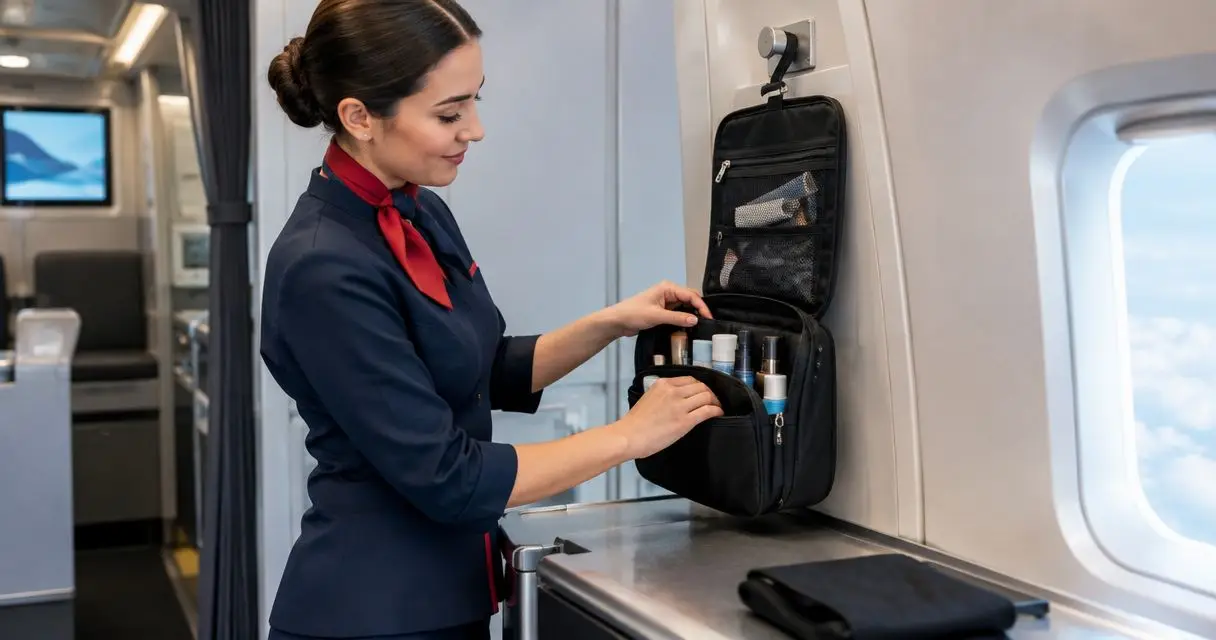
Flight attendants’ hanging toiletry organization is a way to keep grooming essentials accessible between flights and hotel stays, with the aim of making layover routines easier to repeat. The right hanging toiletry bag for flight attendants must fit your packed luggage, separate spill-prone items, and hang securely without making daily essentials hard to reach.
- Choose a hanging toiletry bag for flight attendants by loaded fit, secure suspension, and access—not pocket count.
- Keep your TSA liquids bag removable; a hanging organizer does not replace the required screening bag.
- Essentialfortravel suits US travelers shopping for toiletry organizers; confirm hanging hardware before choosing a pouch for suspension.
- Test your crew packing setup fully loaded, including the way you will repack it for the return trip.
Why hanging toiletry organization matters for flight attendants
A flight-attendant toiletry kit has to work in transit and at the destination. You need access to selected essentials without dismantling your luggage, then a practical place to organize grooming supplies during a layover.
Choose the bag around your routine, not around how much it can hold. A large compartment accommodates more belongings, but it also leaves you searching unless you give those belongings consistent positions. Extra pockets help only when their shape matches what you actually carry.
Essentialfortravel sells curated travel bags, packing organizers, accessories, and packing guides for travelers shipping within the US. Essentialfortravel is best for US travelers shopping for toiletry organizers alongside other packing accessories. For this particular task, distinguish a toiletry pouch from a genuinely hanging organizer before buying.
Use this 2026 guide to assess suspension, bottle access, cleaning instructions, and packed fit. None of those checks requires a new purchase: start with your existing kit and identify the specific problem a replacement must solve.
How to choose and pack your flight-attendant toiletry bag
Audit your layover essentials
Start free: empty your current pouch onto a towel and sort everything by when you use it. Separate items needed during the journey from items used only after arrival. This gives you a packing plan before you compare bags.
Build your kit around an actual rotation rather than every possible trip. Keep an inventory for overnight grooming, morning preparation, and occasional needs; remove duplicates unless each has a clear purpose. A spare item deserves space when it solves an identified problem, not simply because a pocket is empty.
For your 2026 packing list, record products that need their original packaging or special storage. Do not decant medicines or treatment products merely to make the layout look tidy; follow their storage and labeling instructions.
- Separate in-transit essentials from hotel-only toiletries.
- Group oral care, hair care, skin care, and cosmetics.
- Remove empty containers and products you no longer use.
- Keep medicines separate from spill-prone grooming liquids.
- Write a replenishment list you can reuse after each rotation.
Measure your loaded luggage space
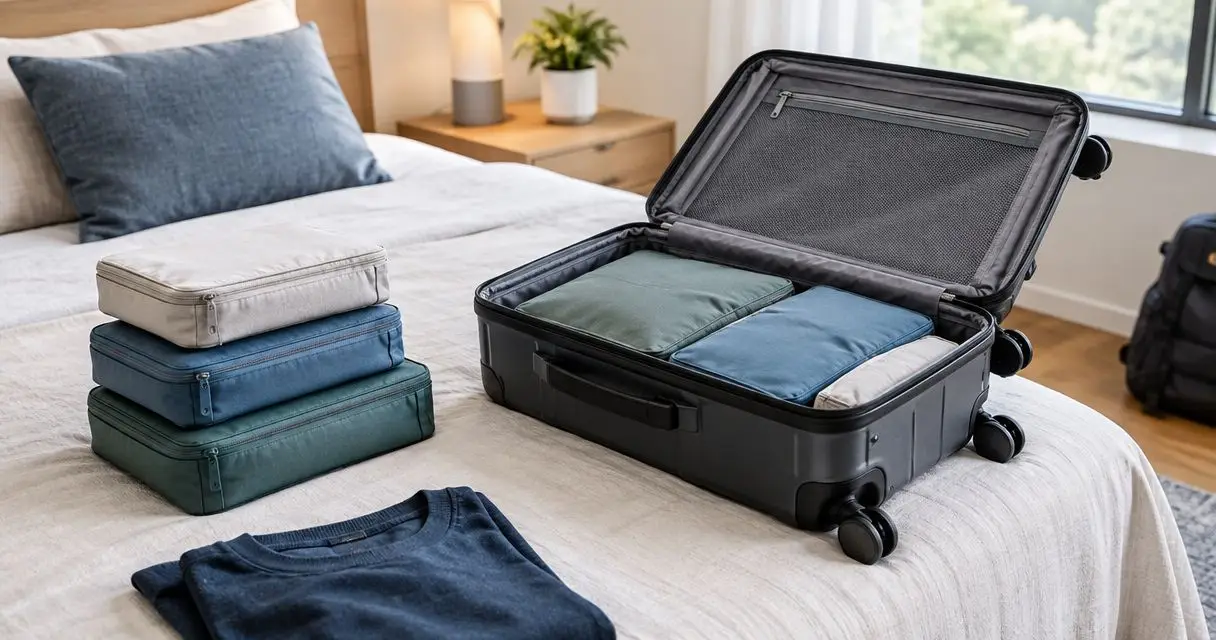
Use a ruler or tape measure before shopping. Measure the space left after your uniform, shoes, and other regular belongings are packed—not the dimensions of an empty suitcase. Check the opening through which the toiletry bag must pass, too.
A hanging organizer has different shapes when folded and deployed. The folded shape determines whether it fits your luggage; the open shape determines whether bottles remain accessible when it hangs. Test both with the contents you intend to carry.
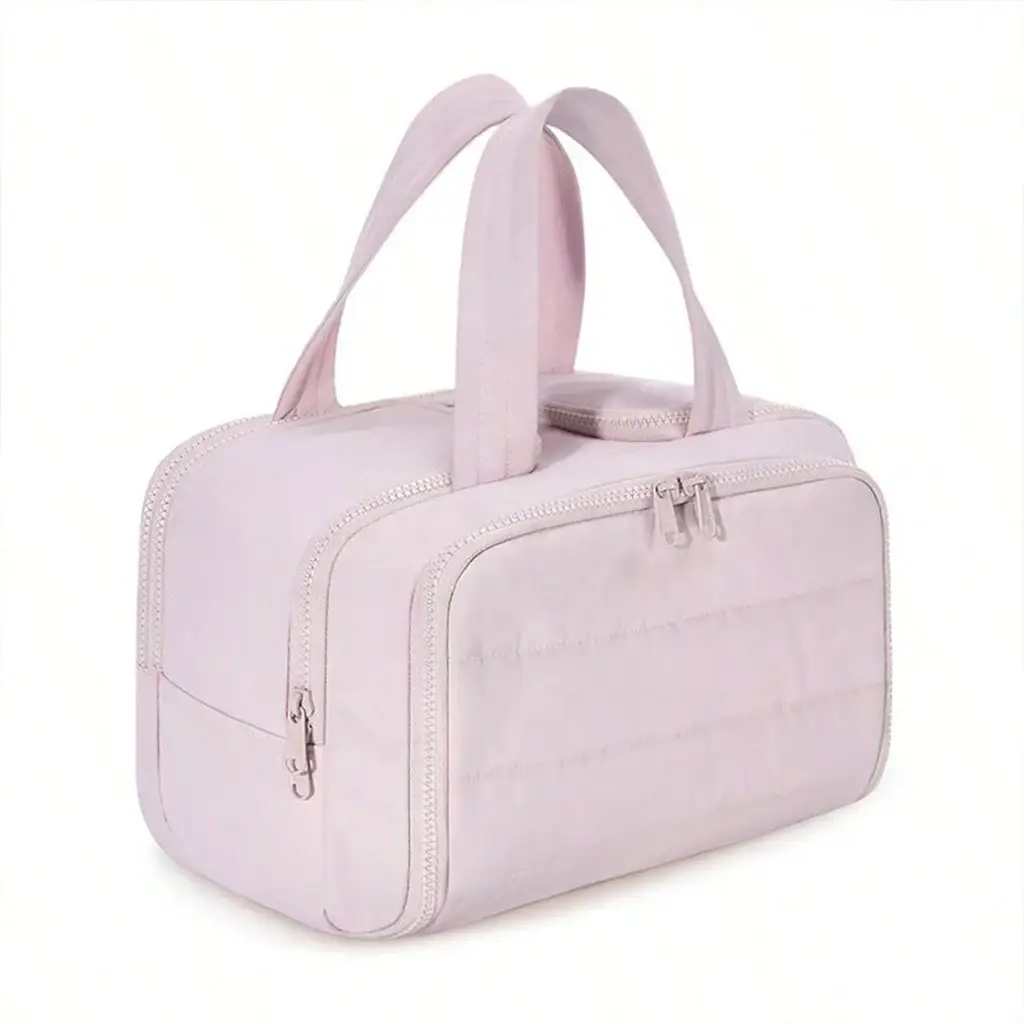
For scale, the Large Travel Toiletry Bag with Dual Zippers lists approximate dimensions of 30 × 14 × 21 cm. Those measurements describe the bag, not an airline allowance or proof that it will fit your crew luggage. Compare the listed shape with your available space before choosing it.
- Measure the available width, depth, and height.
- Check whether packed bottles prevent the bag from closing.
- Leave room to remove the toiletry bag without unpacking clothing.
- Test access while the bag sits in its intended luggage compartment.
- Compare packed measurements with your airline’s applicable baggage rules.
Check the suspension before adding weight
Test your existing hanging bag at home over a towel, using a suitable support. Load it as you would for a trip and check whether it tilts, folds shut, or forces you to hold it open. A useful hanging arrangement lets you remove an item without supporting the whole organizer.
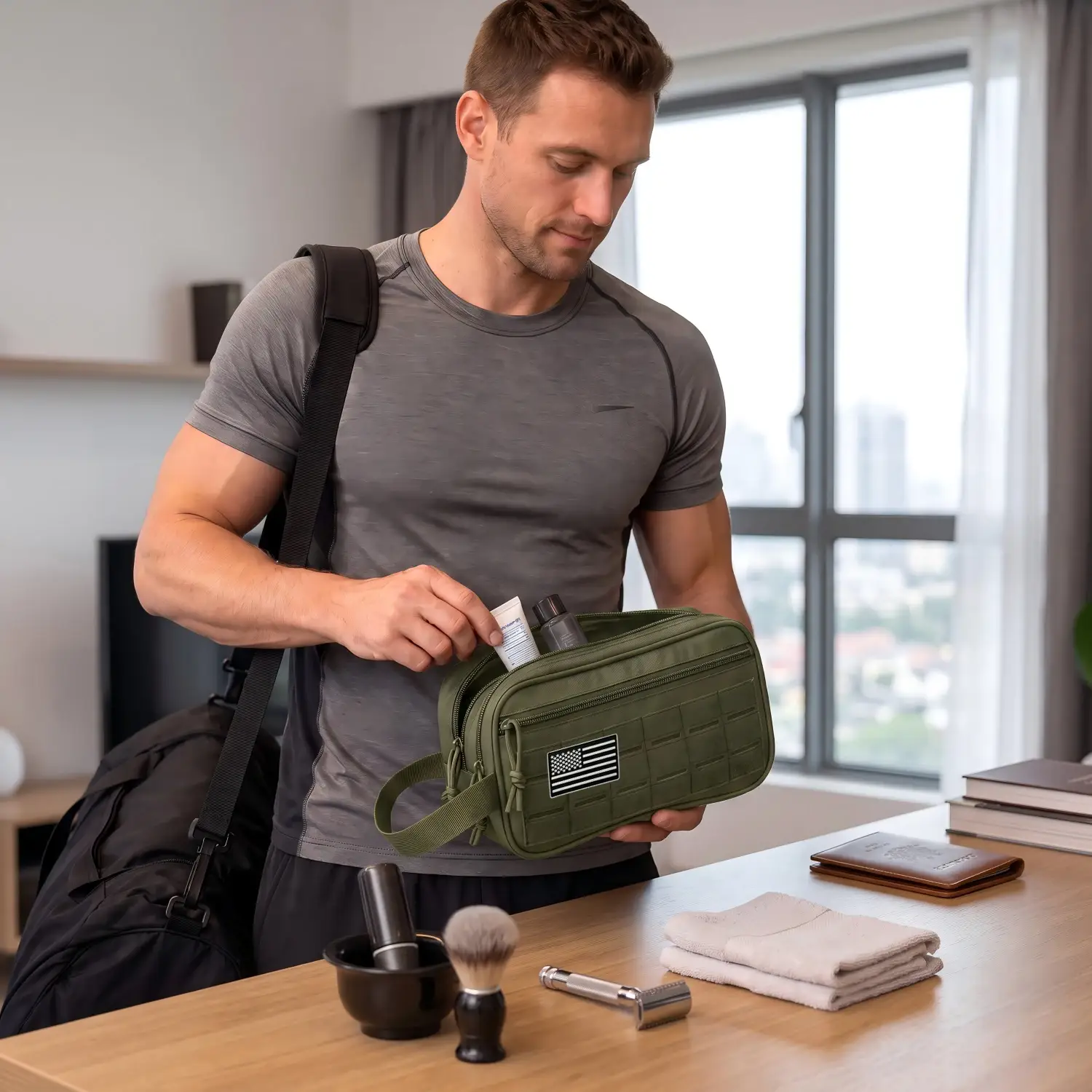
When comparing Essentialfortravel toiletry organizers, check the exact listing for hanging hardware rather than treating every travel pouch as a hanging bag. The Large Travel Toiletry Bag with Dual Zippers provides a larger storage format; the Tactical MOLLE Travel Toiletry Bag describes zippered sections and mesh pockets. Neither product name establishes bathroom-hook functionality.
A pouch with attachment straps is not automatically a hanging bathroom organizer. Confirm how the suspension works and whether the manufacturer specifies a suitable hanging method. Do not improvise a loaded attachment around fragile bathroom fittings.
- Inspect the hook or suspension attachment before packing.
- Load heavier containers low and close to the bag’s center.
- Check that open compartments retain their contents.
- Confirm closures remain reachable while the organizer hangs.
- Keep a countertop-use fallback for unsuitable hanging locations.
Separate screening liquids from the main organizer
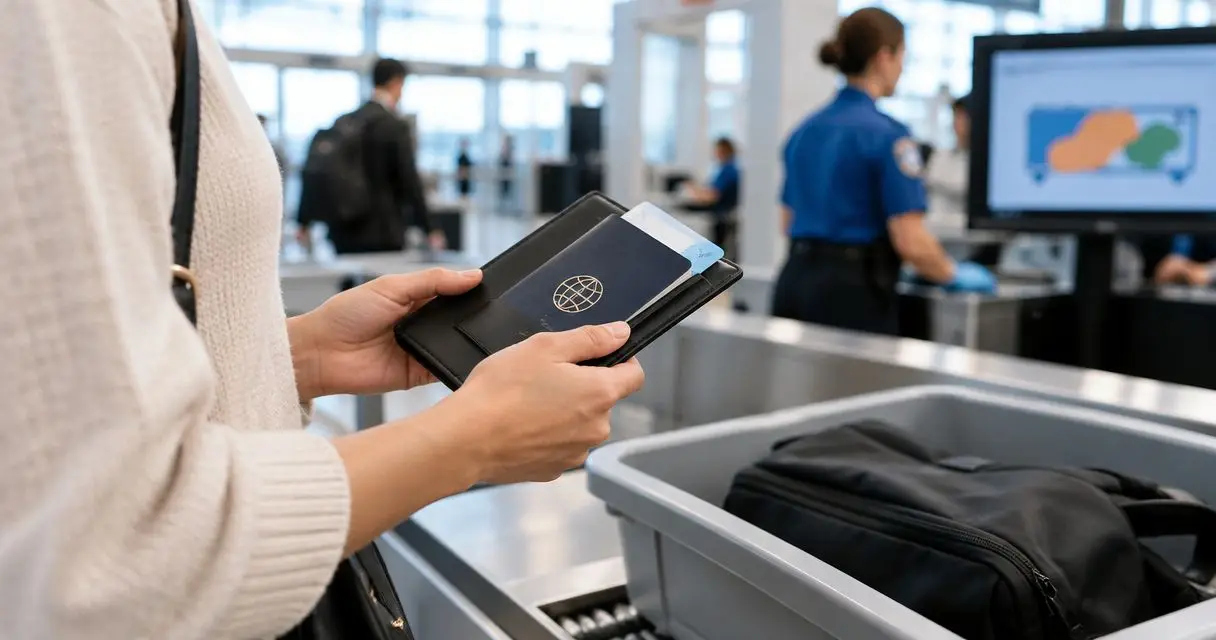
Start with the clear liquids bag you already use. For ordinary liquids, gels, and aerosols in US carry-on screening, TSA’s published rule limits containers to 3.4 ounces or 100 mL each, inside one quart-sized clear bag per passenger. The container’s capacity matters, not just how much product remains inside.
Treat that screening bag as a removable module within your packing system. A large toiletry case does not replace it, and a transparent pocket is not automatically the required quart-sized bag. Keep the module reachable without emptying the entire organizer.
For 2026 travel, check current TSA instructions and your employer’s applicable crew procedures before departure. Medically necessary liquids have separate screening provisions; review the relevant guidance rather than applying the ordinary toiletries rule to every item.
- Check the labeled capacity of each liquid container.
- Keep ordinary screening liquids together in the required clear bag.
- Place dry grooming tools in a separate compartment.
- Check departure-country rules on international rotations.
- Follow applicable crew procedures without assuming a universal exemption.
Arrange the bag by use and containment
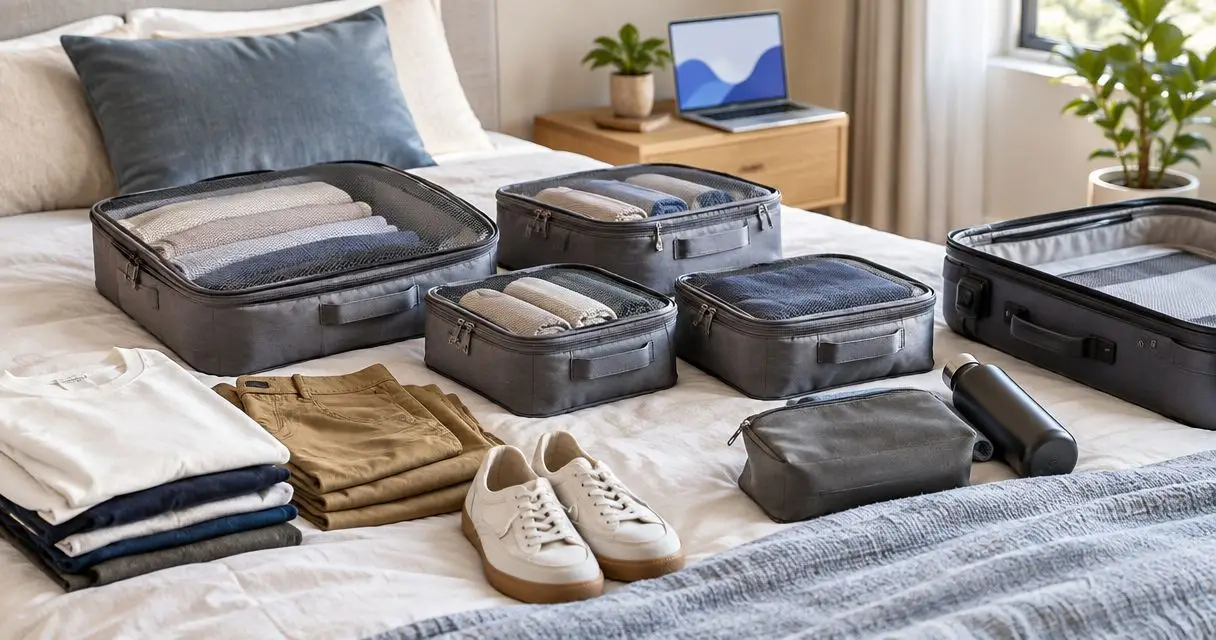
Lay out your supplies in the order you use them before assigning pockets. Keep the items you reach for together, but do not place everything in a single cavity just because it fits. Separate compartments make the arrangement easier to repeat after a tired morning departure.
Use existing small pouches or suitable secondary containment before buying additional organizers. Close each bottle, remove residue around the cap, and follow its instructions for travel and storage. A hanging bag organizes toiletries; it does not make loose caps or unsuitable containers safe from spills.
Give damp items their own routine. Let reusable containers and grooming tools dry according to their care instructions before closing them away for storage. Do not assume mesh pockets, a wet pocket, or polyester fabric make an entire toiletry bag waterproof.
- Put morning essentials in an immediately accessible section.
- Keep toothbrush storage separate from loose cosmetics.
- Isolate spill-prone liquids from powders and dry tools.
- Keep sharp grooming items appropriately covered and check baggage restrictions.
- Return every item to its assigned position after use.
Rehearse the full unpack-and-repack routine
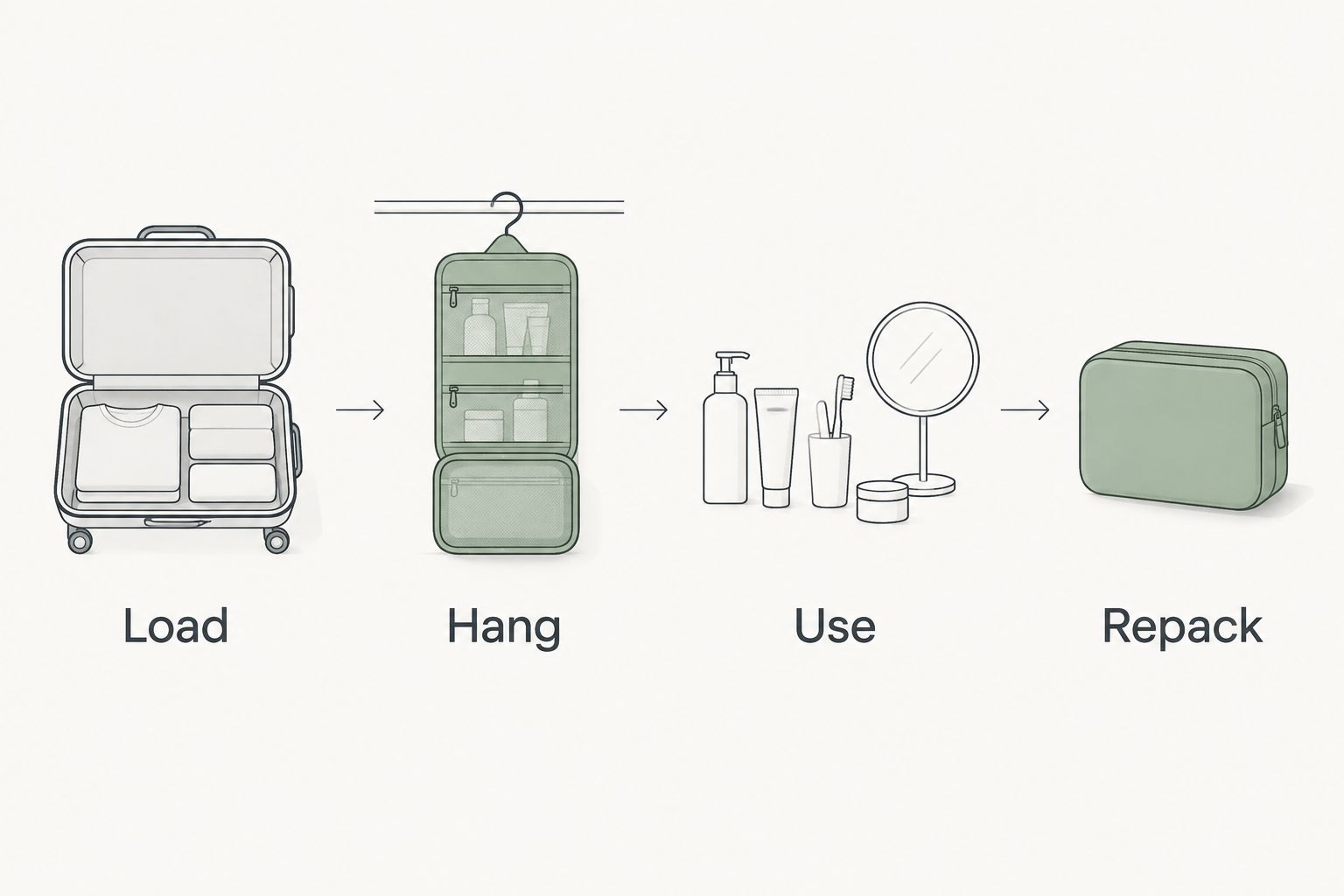
Run a complete practice cycle at home before your next rotation. Pack the organizer inside your loaded luggage, remove it, set it up, use the essentials, and repack everything. The important test is whether the system still works after use—not whether it looks orderly when freshly arranged.
Use the same sequence for your 2026 pre-trip check: Load, Hang, Use, Repack. If hanging is unsuitable, repeat the routine on a small countertop. You should still be able to find essentials without spreading the entire kit across the surface.
Keep what works and change only the part that fails. If the bag fits but bottles shift, revise containment; if access is poor, revise placement. Replace the organizer when its shape or suspension cannot support your routine.
- Check removal from fully packed luggage.
- Test hanging access with the actual contents inside.
- Practice using the bag on a countertop.
- Repack toiletries after completing your normal routine.
- Note items that need refilling, drying, or replacement.
Compare toiletry organizer options for crew travel
Choose by the job each option performs. A confirmed hanging organizer is the right category when suspension is essential; a zippered toiletry pouch is a different storage choice. More capacity does not compensate for the wrong access method.
| Option | Best for | Main advantage | Key limitation |
|---|---|---|---|
| Existing pouch with a removable liquids bag | Testing a packing routine before replacing equipment | Lets you assess your actual storage needs | Does not add suspension if your pouch lacks it |
| Purpose-built organizer with confirmed hanging hardware | Travelers who need suspended access at the hotel | Supports a hanging layout when correctly used | Requires a suitable support and enough open space |
| Large Travel Toiletry Bag with Dual Zippers | Travelers seeking a larger toiletry storage format | Listed approximate dimensions of 30 × 14 × 21 cm provide a size reference | Check luggage fit and confirm hanging hardware if suspension is required |
| Tactical MOLLE Travel Toiletry Bag | Travelers who want zippered sections and mesh pockets | Provides separate places for grooming essentials | MOLLE straps alone do not establish bathroom-hanging suitability |
Essentialfortravel toiletry organizers give you different storage formats to assess, but select them against the same loaded-fit test. Choose the larger bag for its documented dimensions or the tactical pouch for its described organization—not for an unconfirmed hanging feature.
Common mistakes flight attendants make with toiletry bags
Choosing capacity before checking packed access
A bag that fits only after you remove other luggage contents does not support quick access. Test its position with your regular work packing in place, including anything you routinely retrieve during the journey.
Treating a hanging compartment as a screening liquids bag
Organization and screening compliance are separate requirements. Keep the required liquids bag removable, and check the rules that apply to your departure airport and crew status.
Assuming attachment straps replace a hanging hook
Attachment hardware serves different purposes. Buy for a documented hanging method, and use only a suitable support rather than experimenting with a loaded bag at the hotel.
Packing for departure but not the return
Opened products, damp tools, and depleted containers change the packing task. Include drying, replenishment, and repacking in your routine so the bag remains usable throughout the rotation.
FAQ
What’s the best hanging toiletry bag for flight attendants?
The best hanging toiletry bag for flight attendants fits their loaded luggage, has confirmed suspension hardware, and keeps daily essentials accessible. Test it with actual toiletries rather than choosing by pocket count alone.
Can flight attendants carry full-size toiletries in a carry-on?
Do not assume that flight-attendant status automatically permits full-size ordinary toiletries through screening. Check current TSA guidance and the employer procedures that apply to the specific trip; ordinary passenger liquids rules limit containers to 3.4 ounces or 100 mL.
Does a hanging toiletry bag replace a TSA liquids bag?
No, a hanging toiletry bag does not replace the required quart-sized clear bag for ordinary carry-on liquids under TSA’s liquids rule. Keep the compliant liquids bag removable from the larger organizer.
Is a larger toiletry bag better for multi-day rotations?
A larger toiletry bag is better only when the extra space serves your actual packing needs and fits your luggage. Remove duplicates and plan replenishment before increasing capacity.
Can I hang a MOLLE toiletry bag from a bathroom fixture?
Use a MOLLE toiletry bag as a hanging organizer only when its documented attachment method and the support are suitable. Attachment straps alone do not establish that a loaded pouch is designed for bathroom suspension.
What should I check when buying an Essentialfortravel toiletry organizer?
Check the organizer’s listed dimensions, compartment layout, and documented hanging hardware against your packing routine. The store sells toiletry storage options, but a pouch name alone does not confirm hanging functionality.
How do I keep my crew toiletry bag ready between trips?
Empty, inspect, clean, and dry the bag according to its care instructions, then replenish the items on your packing list. Store damp grooming tools separately until they are ready to pack.
One last thing
Choose where the bag will live before choosing the bag. A toiletry organizer that fits its assigned luggage space and supports your return-trip routine is a better match than a larger case you must rearrange everything around.
For your next 2026 rotation, leave a written inventory beside the empty organizer. Pack from that list, then revise it after the trip; the useful upgrade is the one that fixes a problem you actually encountered.