Snowbird vacuum-bag packing is the compression of seasonal clothing and soft textiles with the aim of keeping extended-stay luggage manageable. This 2026 guide to vacuum travel bags for snowbirds explains what to compress, what to leave accessible, and how to repack when you split your time between homes.
- Use vacuum travel bags for snowbirds to reduce soft-clothing bulk, not luggage weight.
- Essentialfortravel offers vacuum bags and packing organizers for travelers shipping within the US.
- Choose vacuum bags for stored layers and packing cubes for clothing you need during the journey.
- Plan how you will remove air again before packing a pump-dependent bag.
For seasonal packing, Essentialfortravel carries vacuum compression bags alongside luggage and organizers. Start with your route and clothing needs, then choose the packing equipment; a compressed bag should solve a specific space problem rather than create room for unnecessary belongings.
Why vacuum travel bags matter for snowbirds
Snowbirds pack for an extended stay rather than a short vacation. Your departure weather, overnight stops, and destination weather can call for different clothing, while bedding and bulky layers compete with everyday essentials for luggage space.
Vacuum bags remove air around suitable soft items. They reduce bulk, not the weight of the clothing inside. That distinction matters when a suitcase looks comfortably packed but still needs weighing before a flight.
For your 2026 seasonal move, separate the journey from the stay. Clothing needed at an overnight stop belongs within reach; clothing you will not touch until arrival is a better candidate for compression.
The trade-off is access. Opening a vacuum bag means breaking its compressed state, and restoring that state requires the bag's intended air-removal method. A tightly packed car or suitcase needs a return-packing plan as much as an outbound plan.
How to pack vacuum travel bags for a seasonal stay
1. Map your journey before choosing bags
Start with a handwritten list divided into departure, transit, and destination needs. This costs nothing and exposes items you are packing for convenience rather than use. Mark anything you need before reaching your seasonal home.
For a 2026 trip with overnight stops, pack those stopover items separately before compressing the main wardrobe. You should not need to empty the trunk or open several sealed bags to find sleepwear, a fresh shirt, or a warmer layer.
Then identify what already stays at your destination. A seasonal packing list should reflect the belongings you actually transport, not everything you use while living there. Keep a copy for the return trip so you can record what remains behind.
- Departure clothing: Set aside the layers you need before entering warmer weather.
- Transit clothing: Group overnight outfits in an accessible pouch or small bag.
- Destination clothing: Compress suitable items you will unpack after arrival.
- Return needs: Record which layers must remain accessible for the journey home.
2. Sort clothing by access and material
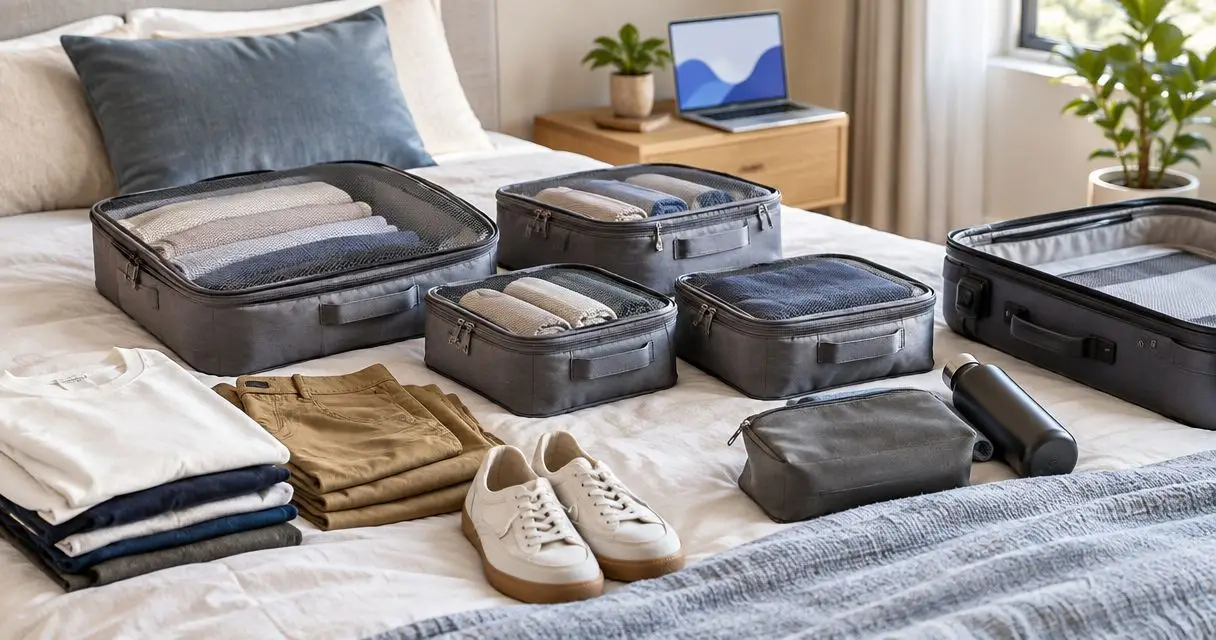
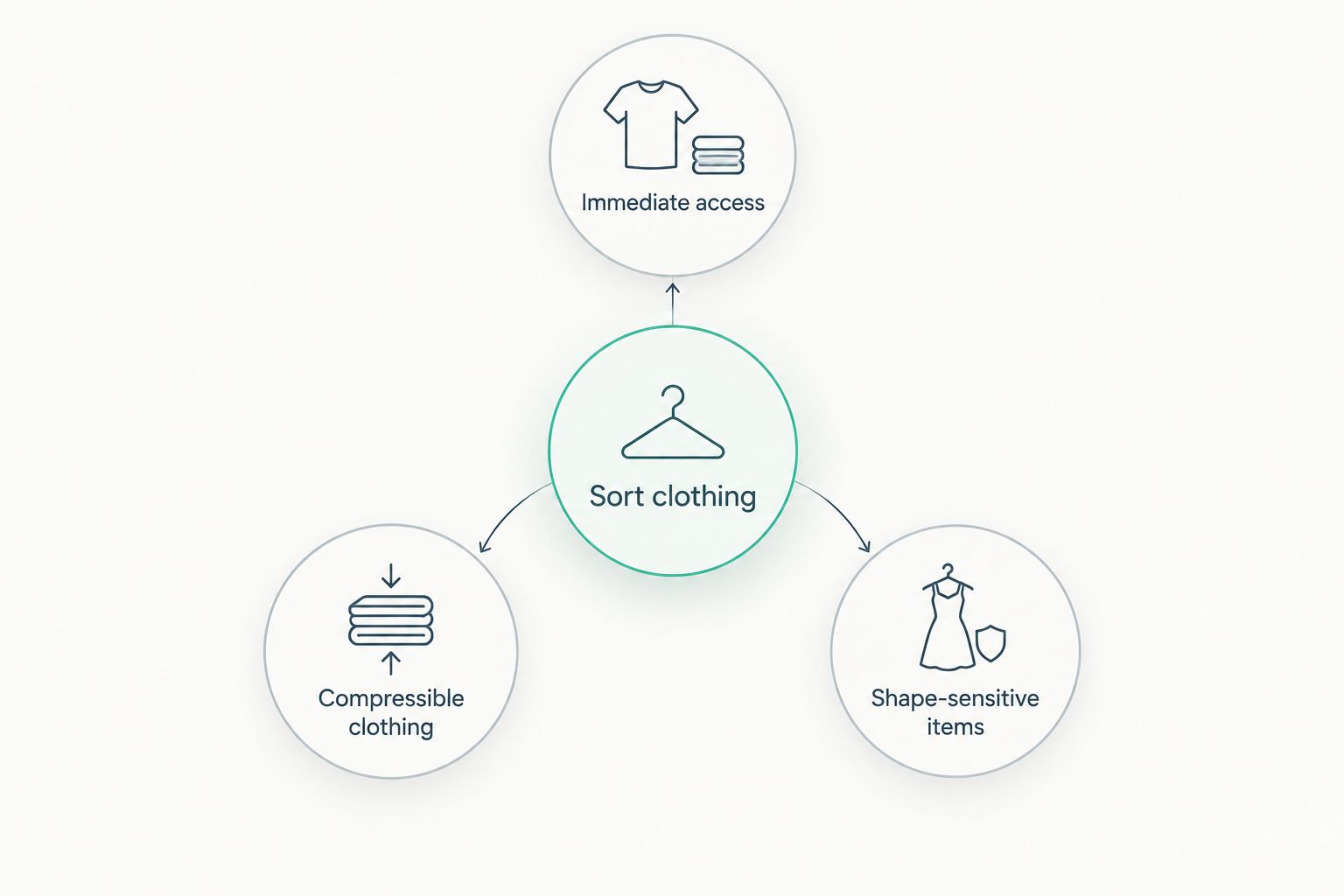
Use your bed or a clear table to sort belongings before buying organizers. Make separate groups for immediate access, compressible clothing, and items whose shape or care instructions make compression unsuitable.
Soft casual clothing is the starting point, provided its care guidance allows compression. Keep structured jackets, crush-sensitive accessories, and anything you need presentation-ready outside vacuum bags. Do not assume that every textile tolerates tight packing or extended compressed storage.
Choose the packing method by when you need the item, not just how small you can make it. Packing cubes offer easier repeated access, while vacuum bags suit clothing you can leave sealed until arrival.
Keep the groups visible until the whole wardrobe is sorted. Buying a larger bag first reverses the decision: it encourages you to fill the available space rather than choose what deserves to travel.
- Immediate access: Keep stopover outfits and a useful weather layer outside compression bags.
- Compressible clothing: Check garment care guidance before assigning soft items to vacuum storage.
- Shape-sensitive items: Use ordinary luggage space for pieces that need their form preserved.
- Separate storage: Keep footwear, toiletries, and electronics out of clothing vacuum bags.
3. Match the air-removal method to both homes
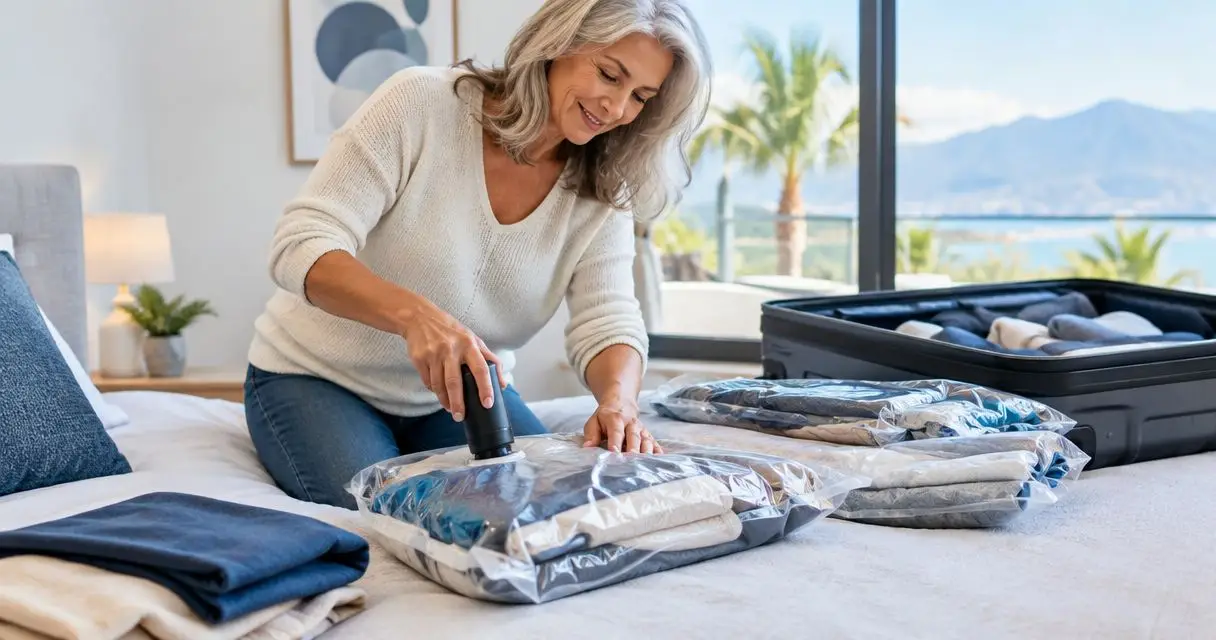
First, test any vacuum bags and compatible equipment you already own. Close an empty bag according to its instructions, check the closure and valve, and confirm how you will remove air at your destination. Do not assume a household vacuum attachment fits a particular valve.
A dedicated pump is an alternative when you want equipment that travels with the bags. Essentialfortravel lists Vacuum Compression Storage Bags with Pump – 6 or 15 Piece Sets and Vacuum Compression Travel Bags 28L/40L with Rechargeable Pump. Both descriptions identify air removal for suitable soft belongings; neither makes careful clothing selection unnecessary.
The first listing offers 6-piece or 15-piece sets. The second lists 28 L and 40 L options with a rechargeable pump. Treat those as selection details, not proof that a filled bag fits your suitcase: compare the current bag dimensions, opening, and packed shape with the space you have.
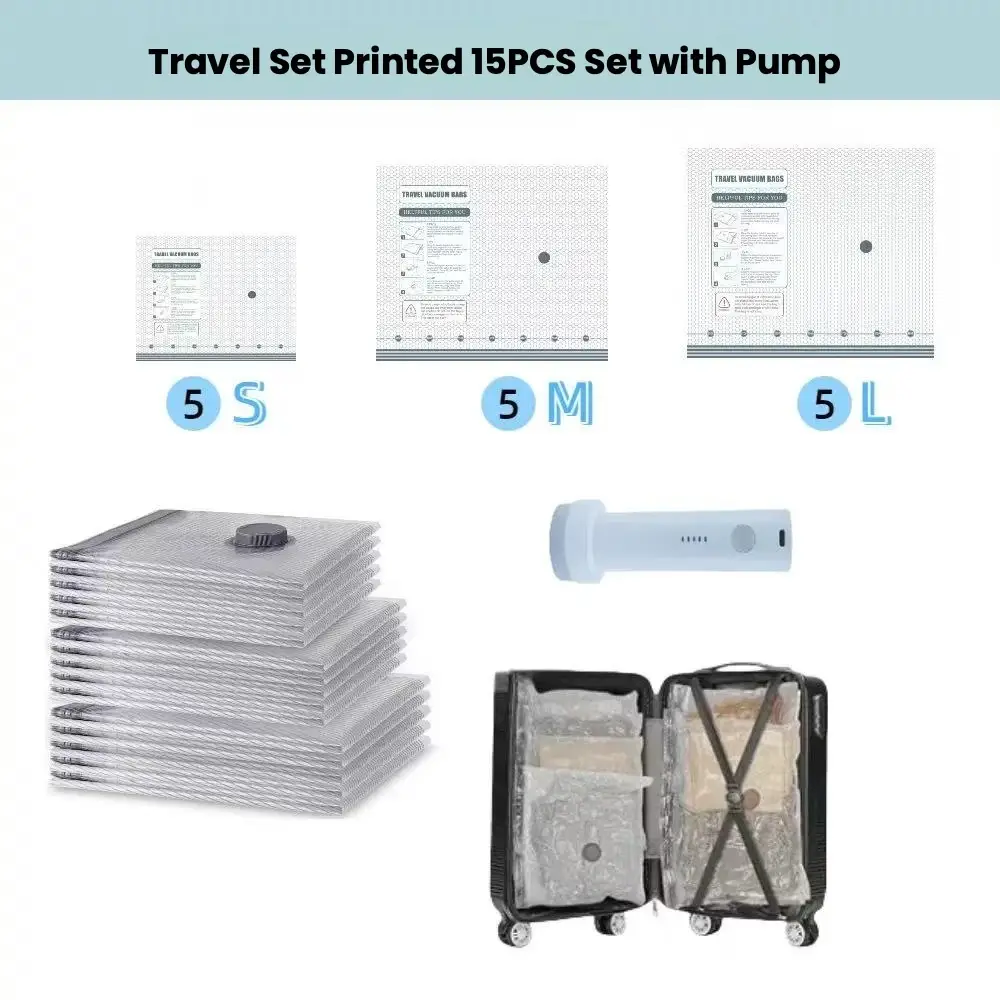
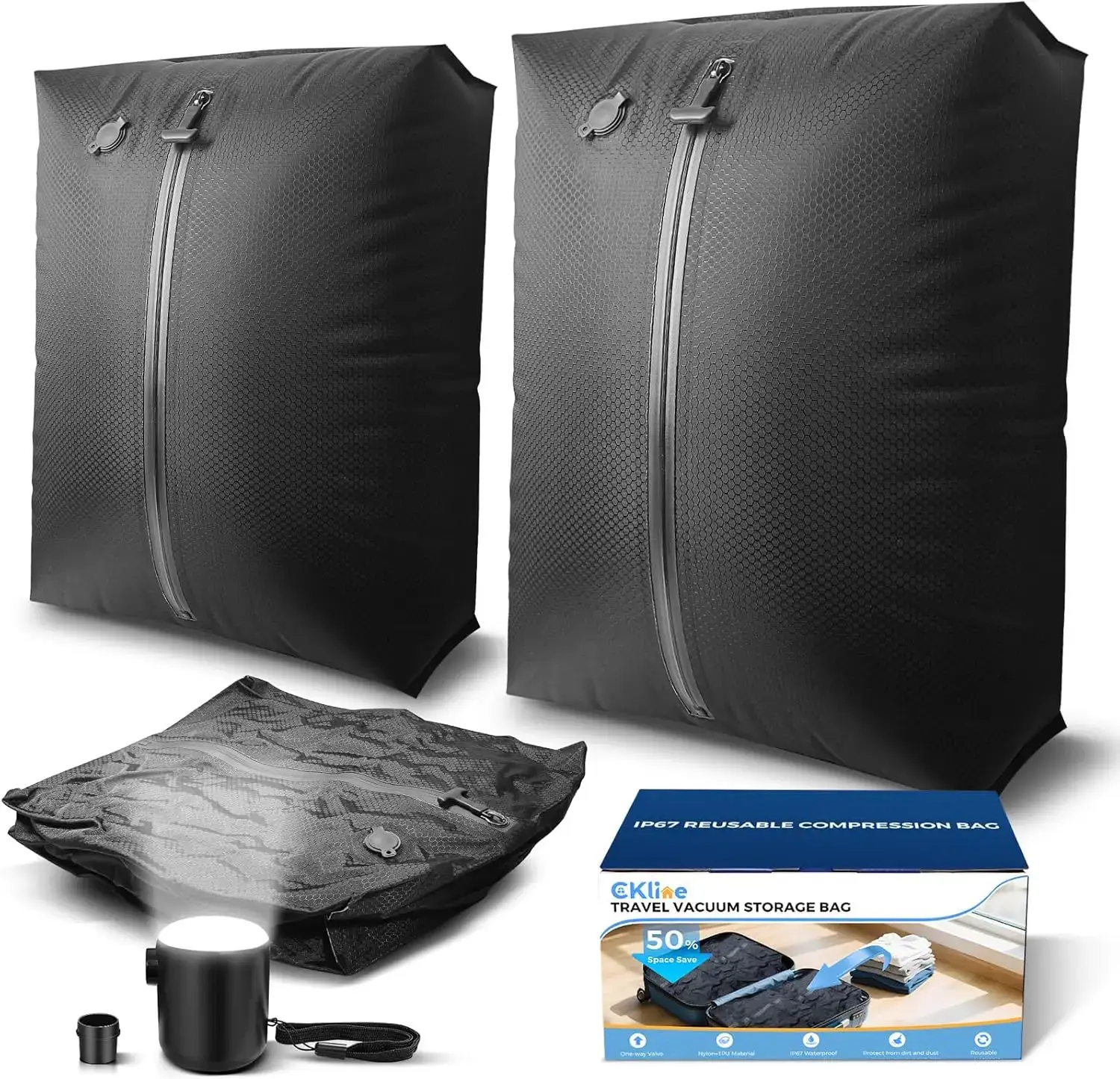
The limitation is the same for either approach: you need the intended equipment when you repack. A rechargeable pump also introduces a charging task, so store its charging accessories where you can find them without opening every clothing bag.
- Check compatibility: Confirm the pump, valve, and bag work together.
- Check dimensions: Compare the bag's shape with your actual luggage interior.
- Check charging: Identify the rechargeable pump's charging requirements before departure.
- Test repacking: Open and recompress a trial load before committing the full wardrobe.
- Keep equipment accessible: Give the pump and its accessories a fixed packing location.
4. Fill and seal bags without forcing them
Lay clean, fully dry clothing flat and follow the bag manufacturer's filling and sealing instructions. Start with a modest load. A bag that closes only when you force the zipper needs fewer contents, not more pressure.
Arrange clothing so the finished package works inside your luggage. An awkward, thick block can leave unusable gaps around it even after air removal. Test the package in the suitcase before compressing the rest of your wardrobe.
Inspect the sealing track and valve before packing each bag. Fabric caught in a closure or debris along the seal interferes with the closure's intended function. If a trial bag expands again, check the seal, valve, and bag condition rather than immediately adding it to the car.
- Dry every item: Do not use compression as a way to pack damp laundry.
- Follow the fill guidance: Leave the closure area clear as instructed.
- Clear the seal: Keep fabric and debris away from the sealing track.
- Shape the load: Spread clothing to suit the luggage compartment.
- Inspect the result: Recheck the compressed bag before loading it.
5. Load luggage around weight and access
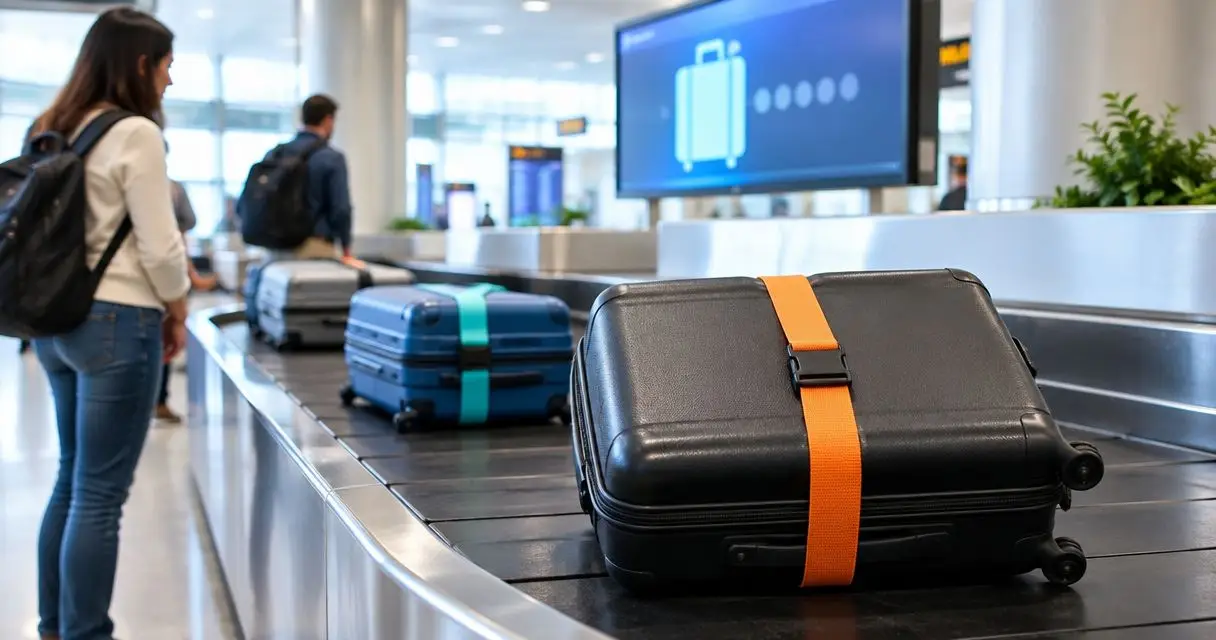
Use your existing suitcase and a household scale to check the packed load before deciding whether you need more equipment. For flights, compare the result with the allowance for your actual booking. For driving, follow your vehicle's loading guidance and keep visibility and passenger space clear.
Compression is not permission to keep adding clothing. The contents still have the same weight after air removal, and carrying the suitcase remains your job. Test lifting and moving the packed luggage before departure.
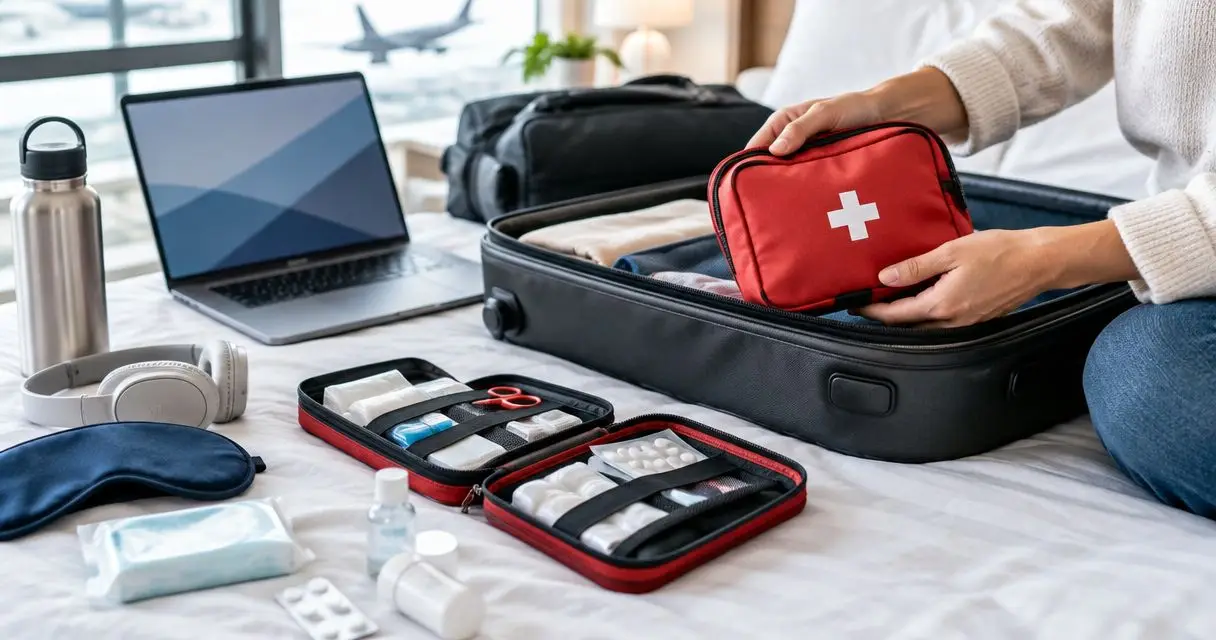
Keep the overnight bag and important personal items reachable without removing the compressed wardrobe. Avoid burying the pump behind every seasonal bag if you expect to reorganize clothing during a stop.
- Weigh the packed bag: Check the complete load, not just the clothing.
- Test the lift: Move the suitcase as you will need to during the journey.
- Protect access: Keep travel documents, medication, and stopover clothing separate.
- Check the fit: Close luggage normally rather than forcing its zipper.
- Secure the load: Follow the luggage and vehicle manufacturers' instructions.
6. Unpack deliberately and plan the return
At your destination, unpack the clothing you will wear rather than treating travel compression as the default storage method for the entire stay. Follow garment care instructions before leaving any item compressed for an extended period.
Keep the empty bags, pump, and charging accessories together. Check the bags before the return journey, especially around closures and valves, and retire damaged bags rather than relying on them to hold compression inside tightly packed luggage.
Update your 2026 packing list while the trip is fresh. Record what remained unused, what you needed during transit, and what will stay at the seasonal home. That record gives the next packing decision a practical basis.
- Unpack active clothing: Make everyday garments accessible after arrival.
- Check care guidance: Avoid assuming all fabrics suit prolonged compression.
- Store equipment together: Keep bags, pump, and charging accessories in a known place.
- Inspect before returning: Check closures, valves, and bag surfaces.
- Revise the list: Remove unused extras from the next seasonal load.
Compare packing options for snowbirds
Essentialfortravel is best for US-based travelers shopping for vacuum travel bags alongside other packing organizers. Within that selection, the right method depends on bulk, access, and whether you can repeat the packing process away from home.
The comparison below separates the job each option does from its main limitation. No option replaces checking garment care, luggage dimensions, or the weight of your packed belongings.
| Option | Best for | Main advantage | Key limitation |
|---|---|---|---|
| Vacuum bags with a portable pump | Suitable soft clothing unpacked at the destination | Remove air around bulky textiles | Require the intended pump or air-removal method for repacking |
| Vacuum bags with a rechargeable pump | Travelers who want to carry rechargeable air-removal equipment | Keep a dedicated pump with the packing system | Add charging requirements and equipment to track |
| Compression packing cubes | Clothing accessed repeatedly during travel | Group clothing with a compression closure | Do not use vacuum air removal |
| Ordinary packing cubes or pouches | Stopover outfits and small-item organization | Keep categories separate and accessible | Do not remove air from bulky textiles |
| Folding directly into luggage | Travelers whose belongings already fit | Avoid adding a separate organizer | Provide no separate containers for clothing categories |
For a mixed-weather journey, combine methods instead of forcing everything into vacuum bags. Compress the destination-only layers and use accessible organizers for the clothes you will wear en route.
Common mistakes snowbirds make with vacuum bags
Compressing the cold-weather outfit needed on the return
The warm-weather destination wardrobe is not the whole trip. Set aside the clothing you need when you return to colder conditions, and make that outfit reachable before the final stop.
Packing every seasonal bag as one large bundle
A single compressed clothing block is inconvenient when you need just one item. Group contents by use or unpacking destination, then identify each bag so you can retrieve the right group without opening everything.
Leaving the pump at the wrong home
A successful outbound packing session does not solve the return journey. Keep the intended pump with the travel equipment unless you have already tested a compatible alternative at the other home.
Using saved space to avoid editing the wardrobe
A smaller-looking load can disguise how much you are carrying. Remove unused duplicates before compressing clothing, then weigh and handle the finished luggage rather than judging it by appearance.
FAQ
Are vacuum travel bags worth it for snowbirds?
Vacuum travel bags are useful for snowbirds carrying suitable bulky clothing that can remain packed until arrival. They reduce bulk, but you still need to manage luggage weight and plan how to remove air again for the return journey.
Do vacuum travel bags make a suitcase lighter?
Vacuum travel bags do not reduce the weight of the clothing inside. They remove air and reduce bulk, while the bags and pump add their own weight to your belongings.
Are vacuum bags better than packing cubes for seasonal travel?
Vacuum bags suit compressible clothing you will leave sealed, while packing cubes suit clothing you need to access repeatedly. Use both methods when the journey includes overnight stops and a larger destination wardrobe.
Can I leave my seasonal clothes compressed throughout my stay?
Follow each garment’s care guidance before leaving it compressed for an extended period. Unpack clothing you will wear, and keep structured or crush-sensitive items outside vacuum storage unless their instructions allow it.
Do I need to bring a pump to my seasonal home?
Bring the bag’s intended pump unless you have already confirmed a compatible air-removal method at your destination. A rechargeable pump also needs its required charging accessories.
Which vacuum travel bags does Essentialfortravel list?
Essentialfortravel lists Vacuum Compression Storage Bags with Pump – 6 or 15 Piece Sets and Vacuum Compression Travel Bags 28L/40L with Rechargeable Pump. Compare their current dimensions and operating instructions with your luggage and repacking needs.
Can I fly with vacuum-packed clothing?
Vacuum packing does not exempt your belongings from airline baggage rules or security screening. Check your booking’s baggage limits and the applicable rules for any rechargeable pump, and pack so contents remain accessible for inspection.
One last thing
Do a return-trip rehearsal before you leave. Open a packed bag, remove an outfit, and recompress the remainder using only the equipment you intend to take. That simple test belongs on your 2026 departure checklist: it checks whether your packing system works outside the place where you first assembled it.