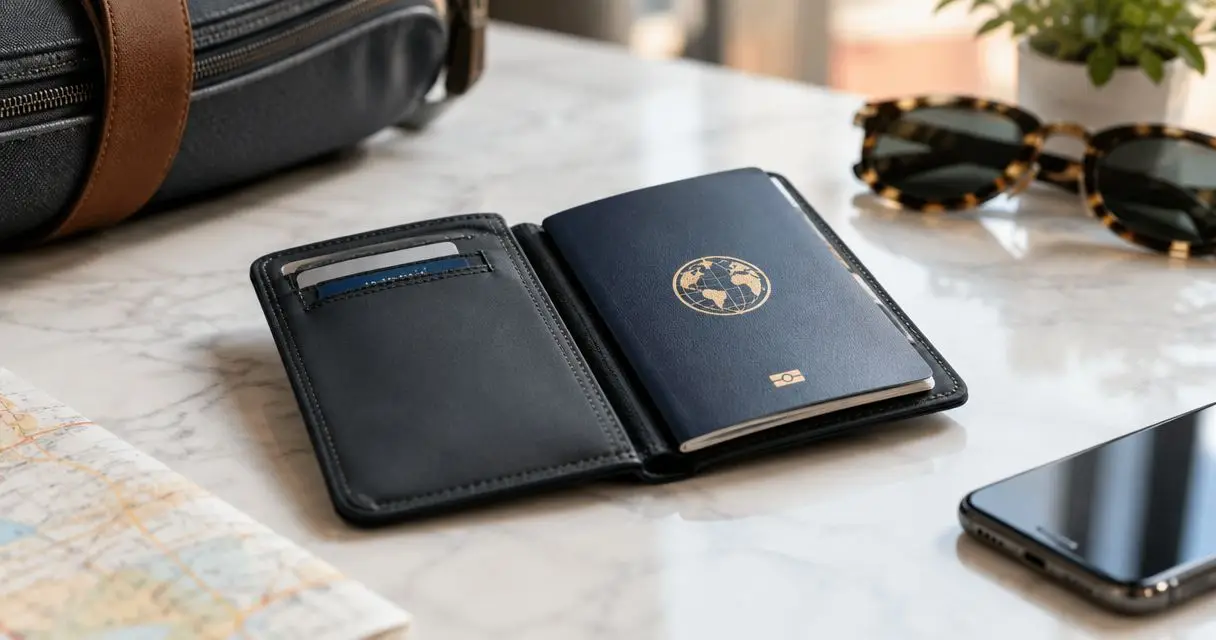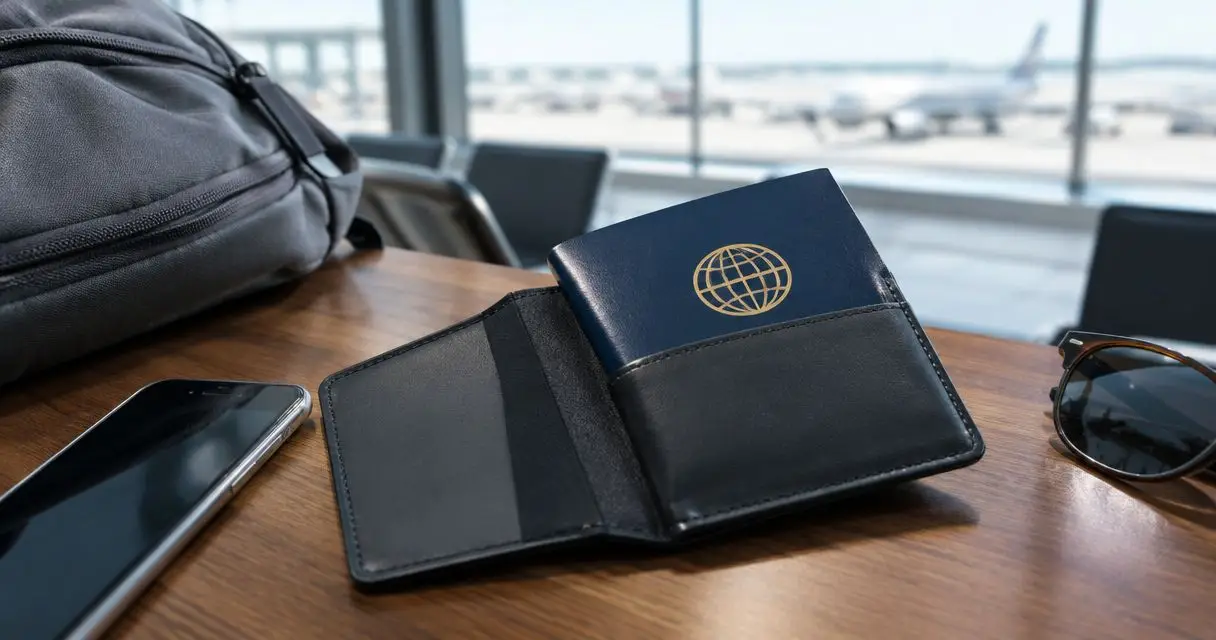
Yes, RFID-blocking passport holders work when their shielding interrupts communication between a compatible reader and the passport chip. They do not prevent passport theft, identity fraud through other channels, or unauthorized use of information already exposed elsewhere. For a US passport, treat a shielding holder as an extra layer—not a replacement for keeping the booklet secure.
- Do RFID blocking passport holders work? Yes, effective shielding blocks compatible readers; the label alone proves nothing.
- US electronic passports already include protections against unauthorized chip reading, including shielding in the cover.
- Choose a passport organizer for document storage first; assess RFID shielding separately.
- Essentialfortravel offers travel organizers, but a product listing is not independent proof of shielding performance.
Do RFID blocking passport holders actually work?
RFID-blocking passport holders can stop a reader from communicating with a passport chip while the passport remains properly enclosed. Conductive shielding reduces the radio-frequency energy reaching the chip and the signal returning to the reader. The result depends on the holder’s construction, coverage, and compatibility with the passport’s contactless technology.
Electronic passports use contactless technology operating at 13.56 MHz. That frequency matters: a claim about blocking a different kind of RFID device does not establish that a holder shields a passport.
For your 2026 purchase, separate three questions: Does the holder organize your documents? Does it shield the passport chip? Does that extra shielding address the problem you actually face?
Essentialfortravel is best for travelers seeking curated travel organizers alongside packing guides. Assess any organizer’s storage features separately from its security claims.
| Option | Best for | Main advantage | Main limitation |
|---|---|---|---|
| Properly shielding passport holder | Travelers who want an additional barrier to contactless reading | Interrupts communication while the passport is enclosed | Performance depends on shielding and closure; it does not stop physical theft |
| Ordinary passport organizer | Travelers prioritizing document organization | Keeps a passport and related documents together | Ordinary fabric or leather does not establish RFID protection |
| Closed US electronic passport | Travelers relying on the booklet’s built-in protections | Includes cover shielding and chip-access protections | Does not organize other documents or prevent loss |
Why this matters
A passport holder can be useful without being a major security upgrade. Keeping boarding passes, passports, and other travel documents in a consistent place addresses a different problem from blocking radio signals.
The US Department of State’s electronic-passport guidance describes protections including shielding material in the passport cover and access controls for chip reading. Those protections belong in the decision before you judge the benefit of an additional holder.
Buy organization for organization; require evidence for shielding. A security-sounding product name is not a test result, and a successful shielding test is not proof that the holder prevents every form of identity theft.
What RFID blocking actually stops
An electronic passport contains a contactless chip. A compatible reader supplies radio-frequency energy and exchanges information with that chip under the passport’s access-control rules. A shielding holder interferes with that radio link.
This is a physical barrier to communication, not an encryption service. The holder does not change the information on the chip, strengthen its access controls, or erase previously copied information.
Contactless passport technology is designed for close-range interaction. The International Civil Aviation Organization’s electronic-passport specifications use the ISO/IEC 14443 contactless interface, commonly associated with an operating distance of up to about 10 centimeters. That design distance is not a security boundary or a promise that every reading attempt requires identical equipment and positioning.
A shielding holder also stops doing its job when you remove the passport. At a border checkpoint, follow the officer’s or reader’s instructions rather than trying to keep the document inside a protective sleeve.
What US passports already do to protect chip data
US electronic passports do not rely on an aftermarket wallet as their only protection. The State Department describes a combination of physical shielding, controlled chip access, and digital security features.
The cover’s shielding helps prevent reading when the booklet is closed. Chip-access controls restrict access to stored information, while digital signatures help an authorized inspection system check that passport data has not been altered.
These protections serve different purposes. Shielding limits the radio connection; access controls govern reading; digital signatures support authenticity checks. None makes the physical booklet impossible to steal.
For 2026 travel planning, use the State Department’s electronic-passport information for US passport protections and ICAO’s Doc 9303 for the technical framework. Do not assume that every country’s passport has an identical cover construction or implements every protection in the same way.
Does that make an extra holder unnecessary?
An extra shielding holder is optional if your goal is simply to add another barrier around a closed US electronic passport. The booklet already has protections designed for unauthorized reading.
A holder still has a separate organizational role. Choose one because its layout suits your documents, then decide whether documented shielding adds enough value for your needs.
Why RFID-blocking performance varies
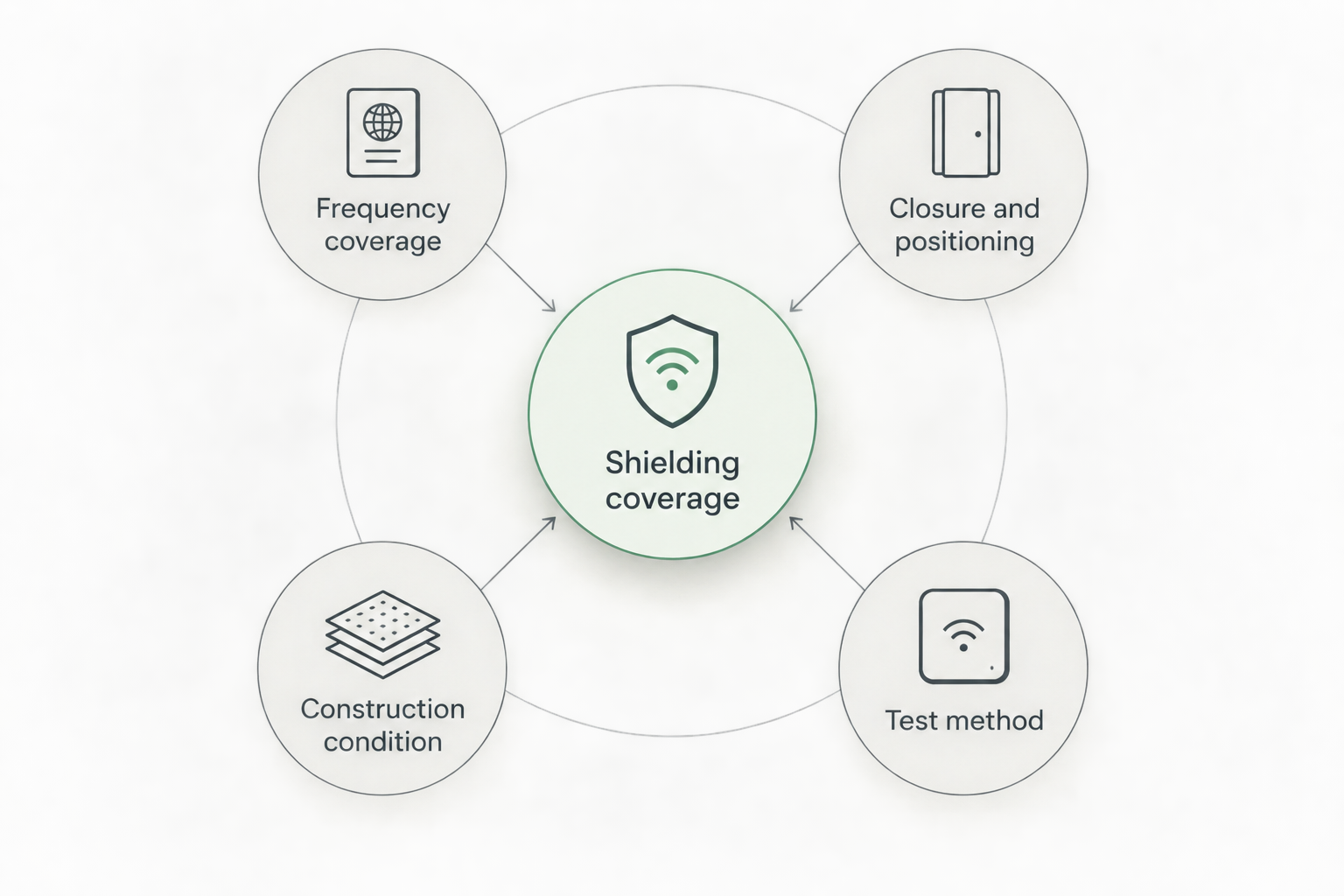
The phrase RFID-blocking describes an intended result, not a single construction standard. These factors determine whether a holder interrupts the relevant radio connection:
- Frequency coverage: Passport shielding needs to work at the passport’s contactless frequency. A broad RFID claim does not identify which frequencies were evaluated.
- Shielding coverage: Material around the passport must limit the reader’s ability to communicate with the chip. Decorative panels or partial coverage do not establish complete protection.
- Closure and positioning: Test the passport where you actually carry it, with the holder closed as intended. Leaving the booklet protruding changes the arrangement.
- Construction condition: Tears, damaged seams, and displaced shielding can change coverage. Inspect the holder rather than assuming its original condition never changes.
- Test method: A useful result identifies the reader, document or test object, placement, and pass-or-fail conditions. An unexplained demonstration leaves those variables unresolved.
Do not turn these factors into a checklist of assumed product benefits. If a seller does not state the shielding construction or provide relevant testing, judge the claim as unverified—not automatically false, and not proven.
How can you check whether a passport holder works?
A useful shielding check starts with a successful unshielded read. If the reader cannot communicate with the passport before you put it inside the holder, a failed read afterward tells you nothing about the holder.
Use this sequence when you have an appropriate reader and understand how to handle passport data securely:
- Confirm compatibility. Establish that the reader and software can read your electronic passport under the required access conditions.
- Establish a baseline. Confirm a successful read outside the holder. Keep the reader position and setup consistent.
- Enclose the passport. Place it fully inside the intended compartment and close the holder normally.
- Repeat the check. Try the same reading setup with the passport enclosed, including different orientations relevant to normal use.
- Interpret narrowly. A blocked read supports performance in that setup. It does not certify every reader, position, or future condition.
Do not upload passport scans or personal details to an unfamiliar service just to test a wallet. Avoid creating a more direct privacy exposure while investigating a contactless-reading concern.
Can you test it with your phone?
A phone-based check is useful only if the phone, app, and passport can complete a baseline read. Passport-reading apps also need the information required to access the chip; failure to supply it can look like successful shielding.
A phone failing to read through the holder is therefore limited evidence. For a 2026 purchase, a clearly described test relevant to electronic passports is more useful than an unexplained claim that a phone could not detect anything.
What should you look for in a passport organizer?
Start with your packing routine. Decide whether you need a slim cover for your own booklet or a larger organizer that keeps several travelers’ documents together.
Check how easily you can remove a passport without disturbing loose papers. At inspection points, you need access to the booklet, not a complicated unpacking process. Also consider whether you prefer keeping family documents together or distributing them among responsible adults.
The RFID Family Passport Holder & Travel Document Organizer from Essentialfortravel lists space for up to six passports, plus cards and boarding passes. Its stated storage layout is relevant to family document organization; the supplied description does not establish independently tested shielding performance.
The trade-off with shared storage is concentration: keeping everyone’s documents together also puts them in the same place if the organizer goes missing. Use a deliberate handoff routine, and do not treat an RFID label as protection against that loss.
Can RFID blocking stop someone from stealing your identity?
RFID blocking addresses a radio connection, not identity theft as a whole. A holder cannot stop someone photographing an exposed passport information page, accessing a compromised account, or taking the booklet itself.
Keep the document out of public view when you do not need it. Share passport information only through the process required by a legitimate recipient, and protect any digital copies you retain.
The distinction matters when comparing security claims. Evidence that a reader cannot reach a chip through a closed holder supports a shielding claim; it does not support a promise that your identity is protected against unrelated attacks.
Should you keep your passport inside the holder at the airport?
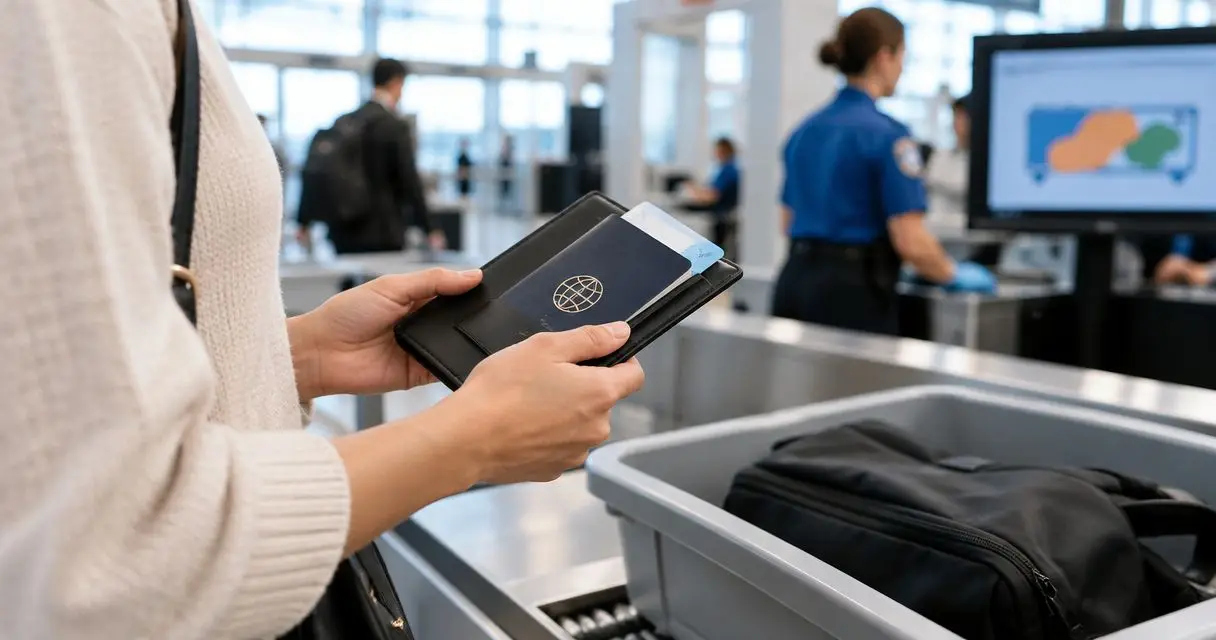
Keep your passport secured while you are not presenting it, then remove it when the checkpoint process requires the bare booklet. A holder that blocks contactless communication can also interfere with an intended chip read.
Follow the officer’s instructions and the equipment prompts. After inspection, return the passport to its designated place before you move on, rather than placing it temporarily in a seat pocket or loose among other belongings.
For your 2026 packing routine, practice that removal-and-return motion before departure. Easy retrieval is a practical benefit you can assess directly, without relying on an electronic-security claim.
FAQ
Do RFID blocking passport holders work on US passports?
Yes, effective shielding can block communication with a US electronic passport while it is properly enclosed. US electronic passports also have built-in protections, including shielding in the cover, so an extra holder is an additional layer rather than the only defense.
Do I need an RFID passport holder for international travel in 2026?
An RFID passport holder is not a general requirement for international travel in 2026. Choose a holder for its document organization and assess any shielding claim separately.
Can someone read my passport from across a room?
Electronic passports are designed for close-range contactless reading, not ordinary across-the-room scanning. Reading distance depends on equipment and conditions, and access controls still matter; neither an absolute impossibility claim nor a sweeping remote-theft claim is justified.
Does a leather passport cover block RFID?
Leather alone does not establish RFID blocking. A leather cover needs suitable shielding construction to interrupt the passport’s contactless communication.
Can I leave my passport in an RFID holder at border control?
Remove your passport when the officer or inspection equipment requires it. Effective shielding can interfere with an authorized chip read, and the booklet may need to be inspected outside its cover.
Does RFID blocking protect the printed information in my passport?
RFID blocking does not hide information printed on an exposed passport page. It addresses contactless chip communication, not photography, copying, or physical theft.
Is an RFID family passport organizer better than separate covers?
A family organizer is better for shared document access; separate covers let travelers distribute custody of their passports. The choice concerns organization and responsibility, not proof that either arrangement provides stronger shielding.
Choosing an RFID passport organizer
The moment your passport leaves its holder, the holder cannot protect it. Choose a clear return location and use it after every inspection; that recommendation remains useful whether you buy a shielding organizer or keep your existing cover.
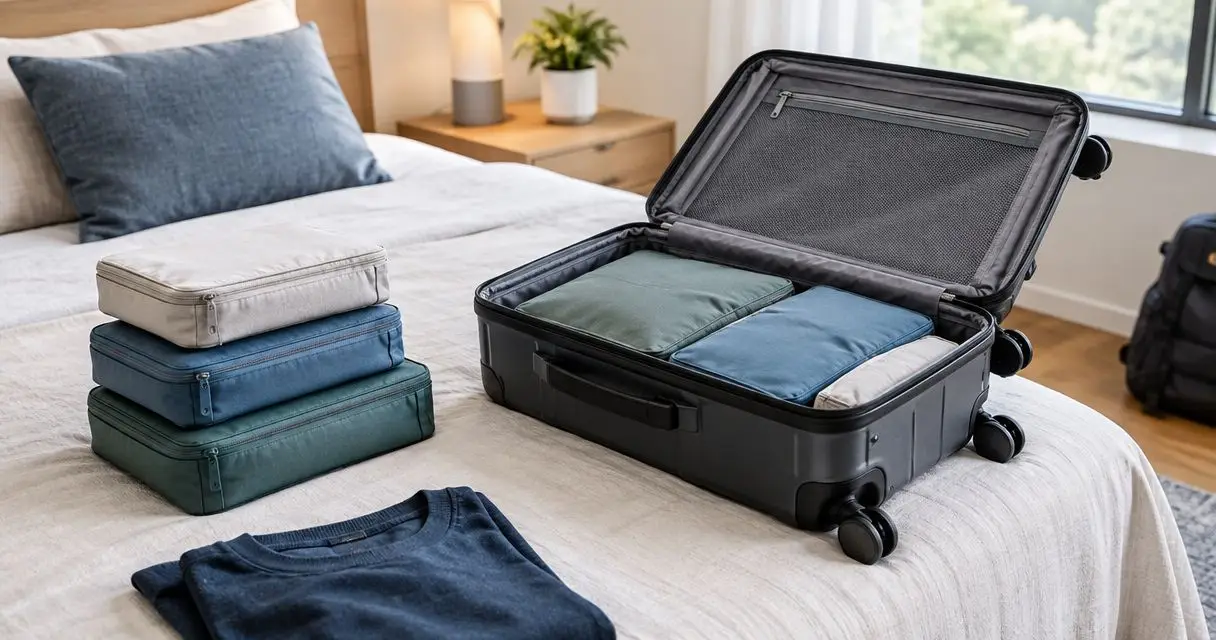
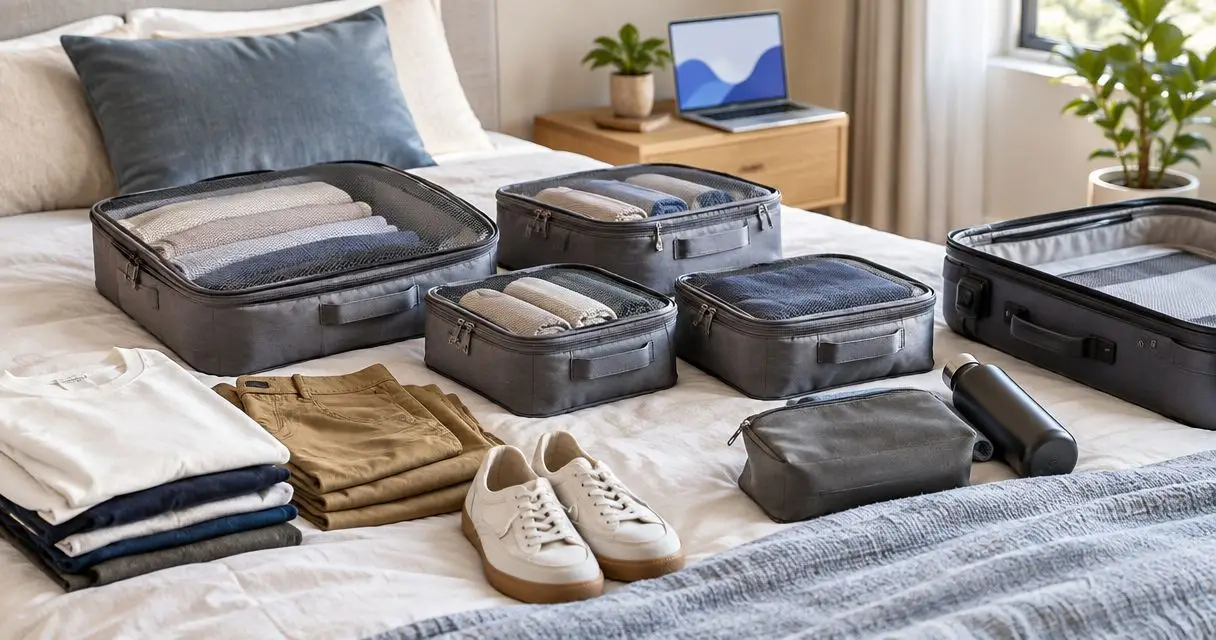
Before your 2026 departure, do a packing rehearsal with the documents you will actually carry. Remove the passport, present it, and put it back without setting anything loose on a counter. That exercise checks the holder’s everyday usefulness more directly than its security label does.