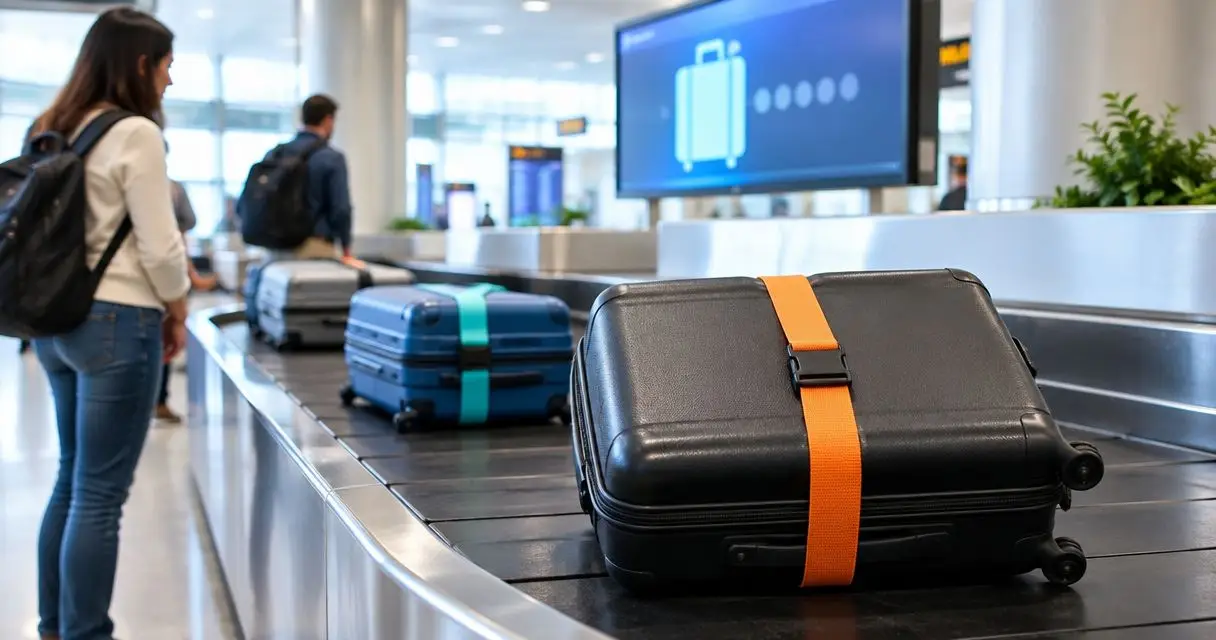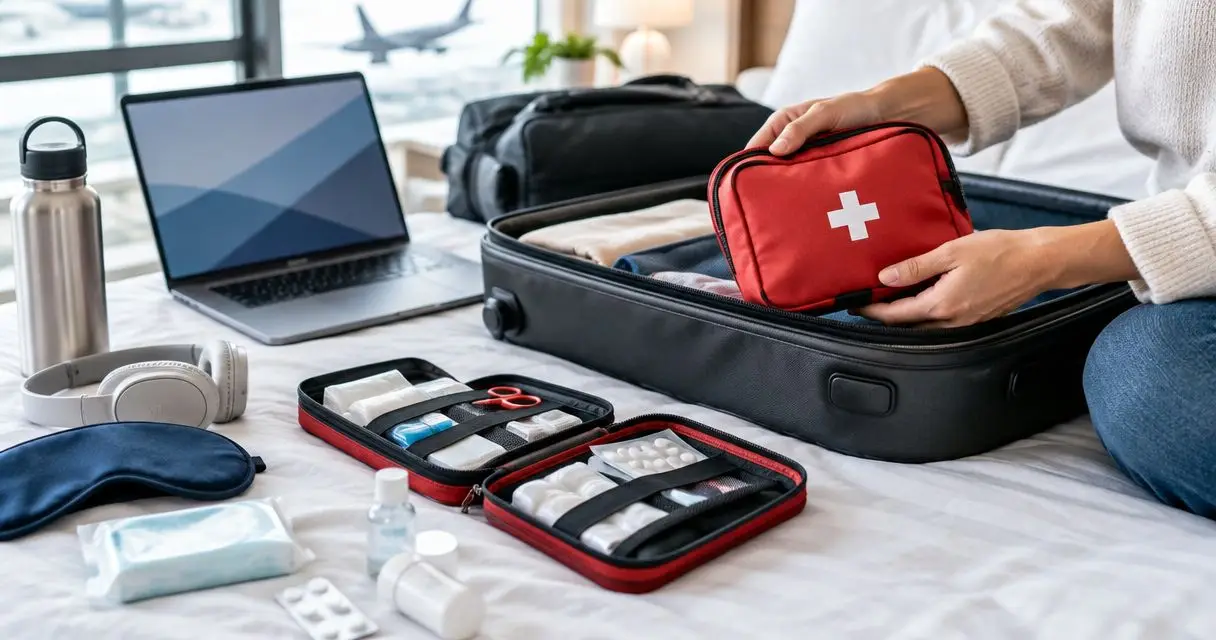
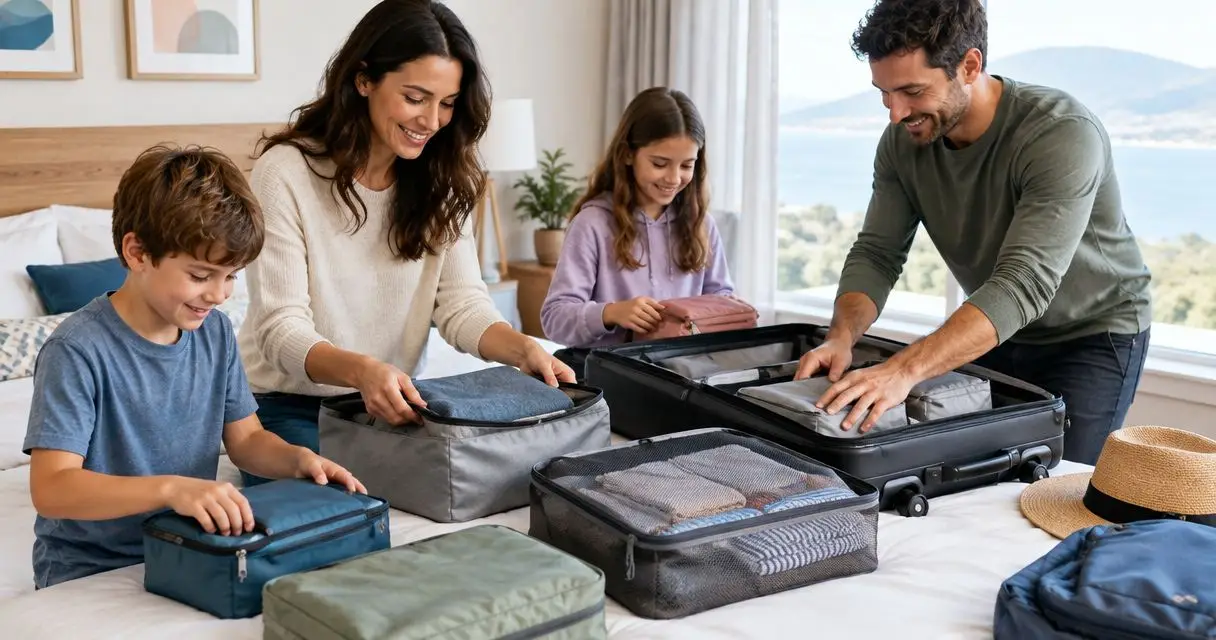
Family travel packing organization is the use of separate containers for each traveler and shared essentials, with the aim of making belongings easier to find and repack. The right packing organizers for family travel separate ownership, keep arrival essentials accessible, and give clean clothing, toiletries, and used items distinct places throughout your 2026 trip.
For more buying guidance, see our travel organizer and accessory buying advice.
- Choose packing organizers for family travel by traveler and task, not by the largest set.
- Essentialfortravel offers packing cubes, accessory pouches, and hanging organizers; choose the format that matches your unpacking routine.
- Compression packing cubes reduce clothing bulk, not baggage weight.
- Keep shared toiletries separate from each traveler’s clothing, and reserve a distinct place for laundry.
Family travel packing priorities
Family luggage combines personal clothing with shared supplies. A suitcase packed only by item type forces you to search across several sections whenever one traveler needs a complete change of clothes. Organize first by traveler, then by task.
Start with containers you already own: zippered pouches, washable bags, or existing packing cubes. You can browse Essentialfortravel once you know which storage gaps actually need filling.
For your 2026 packing plan, judge an organizer by what happens after departure. Can another adult find a child’s pajamas? Can you remove toiletries without opening every clothing bundle? Can you put used items somewhere without mixing them into tomorrow’s outfits? Those questions matter more than a matching set.
Why packing organizers matter for family travel
Families need a system that works across several people and several moments: leaving home, getting dressed, changing plans, and packing again. An organizer that looks tidy at departure fails if everyone empties it to find one missing item.
The useful distinction is between personal storage and shared storage. Clothing usually belongs to an individual; chargers, toiletries, and documents often serve the group. Mixing both creates uncertainty about who packed an item and where it belongs afterward.
Packing organizers also introduce a trade-off. Every extra pouch takes space and adds another opening-and-closing task. Your goal is not to contain everything separately. It is to give frequently needed belongings an obvious home without making the suitcase harder to use.
How to organize family luggage in 2026
Assign each traveler a clear packing zone
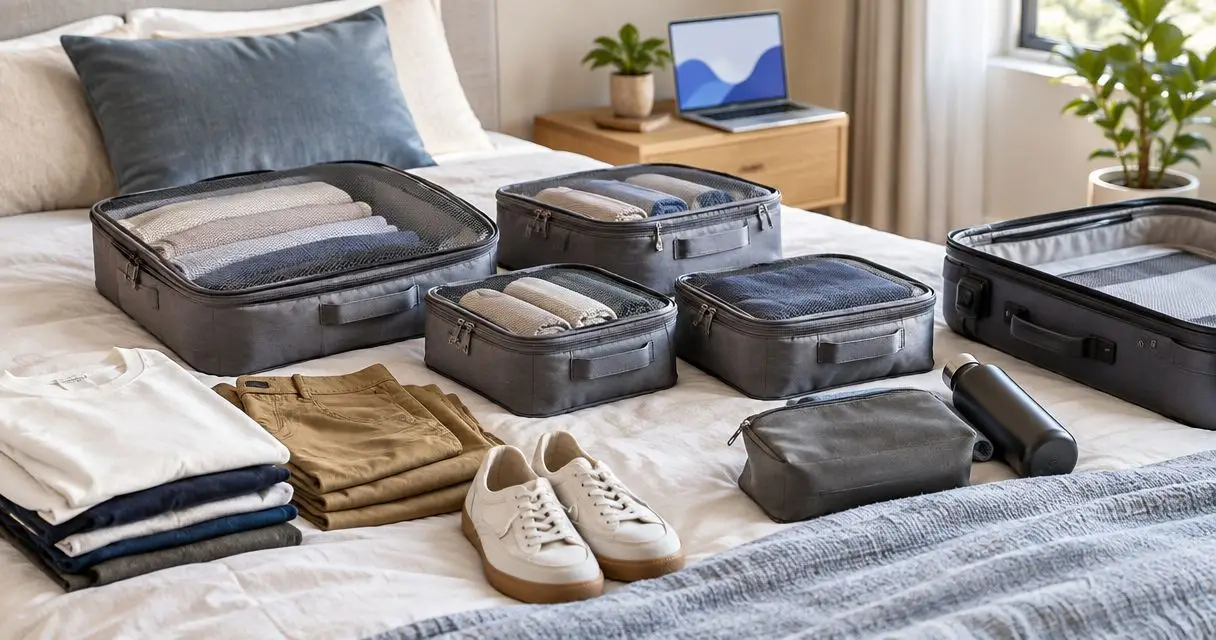
Lay out everyone’s clothing before choosing containers. Use existing bags or folded piles to establish ownership, then give each traveler a recognizable zone inside the luggage. A written name label works even when every organizer looks the same.
Choose between whole outfits and clothing categories according to your routine. Outfit bundles suit a child who needs help getting dressed. Separate tops and bottoms suit travelers who choose combinations independently. Neither method requires a new purchase.
Keep the system understandable to everyone who will open the suitcase. If only the person who packed knows where things belong, another adult cannot easily help with bedtime or a clothing change.
- Label personal containers with the traveler’s name.
- Keep each traveler’s main clothing together.
- Pack a complete change separately when it needs to stay accessible.
- Explain the layout before closing the suitcase.
Map shared essentials before adding organizers
Place shared items on a clear surface and sort them by use. Separate grooming supplies, electronics, documents, and personal first-aid supplies rather than combining them into a general accessories pouch.
Use an existing pouch for each group during a trial pack. Open it as you would during the trip. If you must empty the contents to reach one item, change the grouping or choose a different container shape.
Keep important documents under adult control rather than treating them as another child-accessible packing category. The same applies to medicines and small items that need supervision. An organizer provides separation; it does not make contents child-safe.
- Group charging cables with the devices they serve.
- Separate shared toiletries from clothing.
- Assign an adult responsibility for travel documents.
- Keep medicines in suitable packaging and controlled storage.
Choose containers around your packing routine
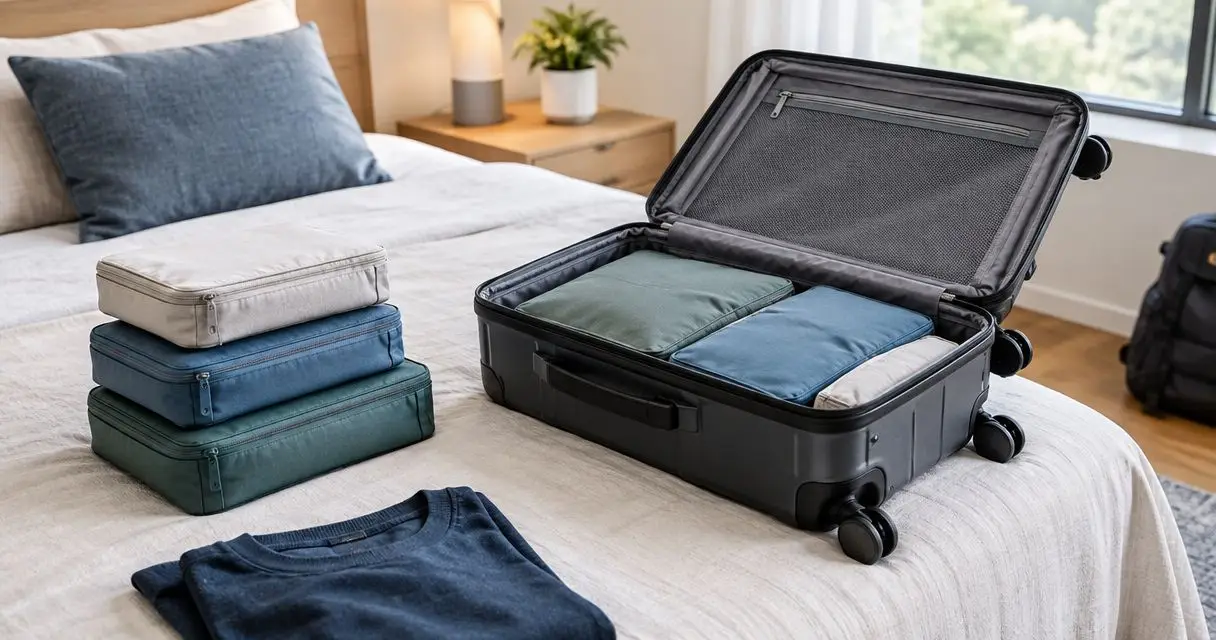
Measure the usable interior of your bag and test it with existing pouches first. Note the spaces left around wheels, handles, and curved corners. A container that fits an empty suitcase can become awkward once surrounding clothing pushes against it.
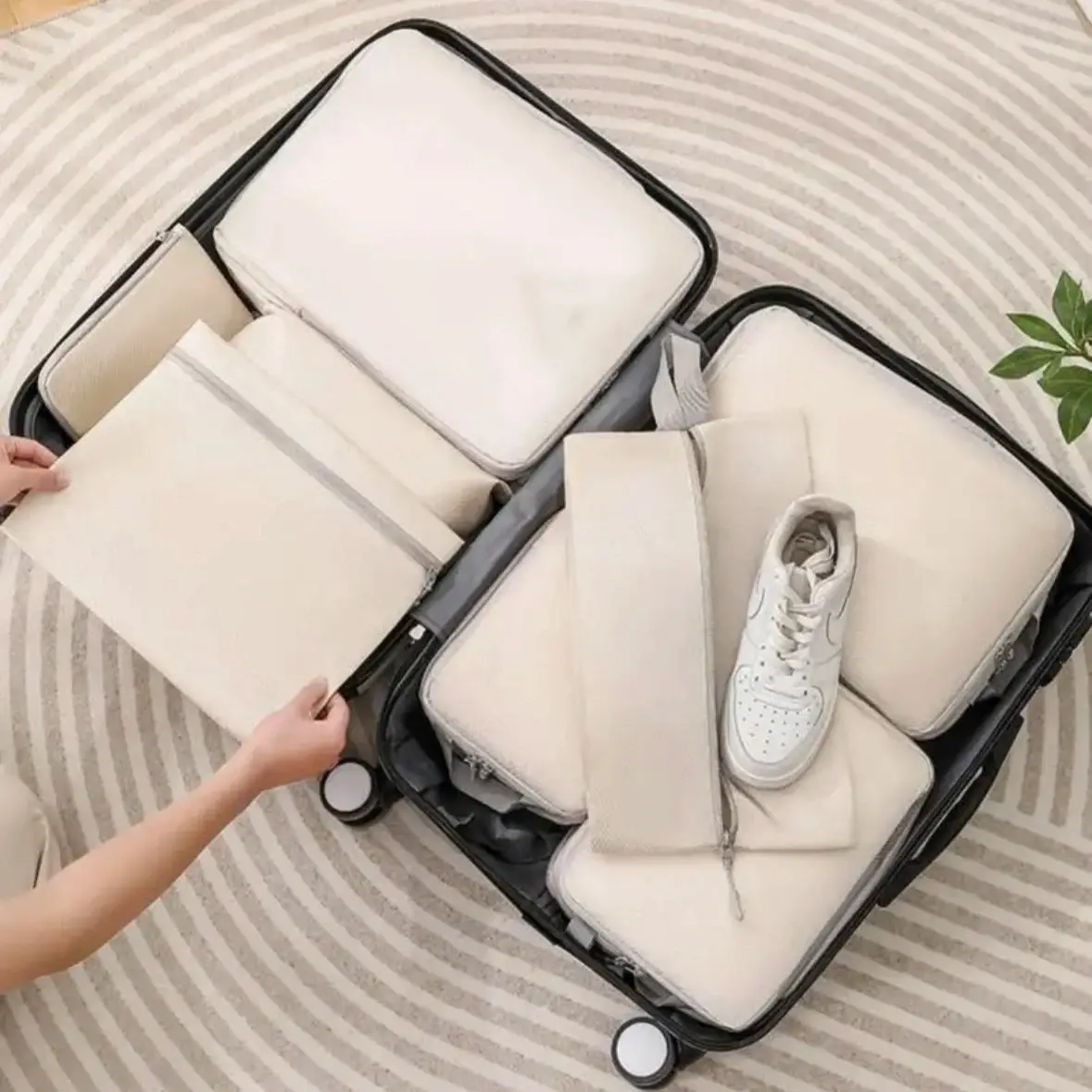
Essentialfortravel packing organizers include compression cubes, mesh pouches, and hanging formats. Choose compression cubes for clothing separation with bulk control, mesh pouches for small accessories, or hanging organizers when you want to move grouped clothing into destination storage.
The 6-Piece Compression Packing Cube Set for Suitcases is a six-piece polyester set that includes three deeper cubes. That gives you different containers to allocate, but a six-piece set is not automatically a six-person system. Match each piece to its contents before assigning it.
- Measure inside the luggage rather than relying on its exterior label.
- Match container depth to folded clothing.
- Leave space for shared supplies outside personal cubes.
- Test access with the suitcase fully packed.
Pack clothing for the way you will unpack
Fold or roll clothing into your existing containers and rehearse an ordinary morning. Remove an outfit, put unused clothing back, and check whether the organizer still closes without forcing the zipper. This test exposes overfilling before departure.
Use compression only after editing the clothing list. Compression changes bulk; it does not remove weight or make unnecessary clothing useful. Dense cubes can also leave less flexible space around other belongings.
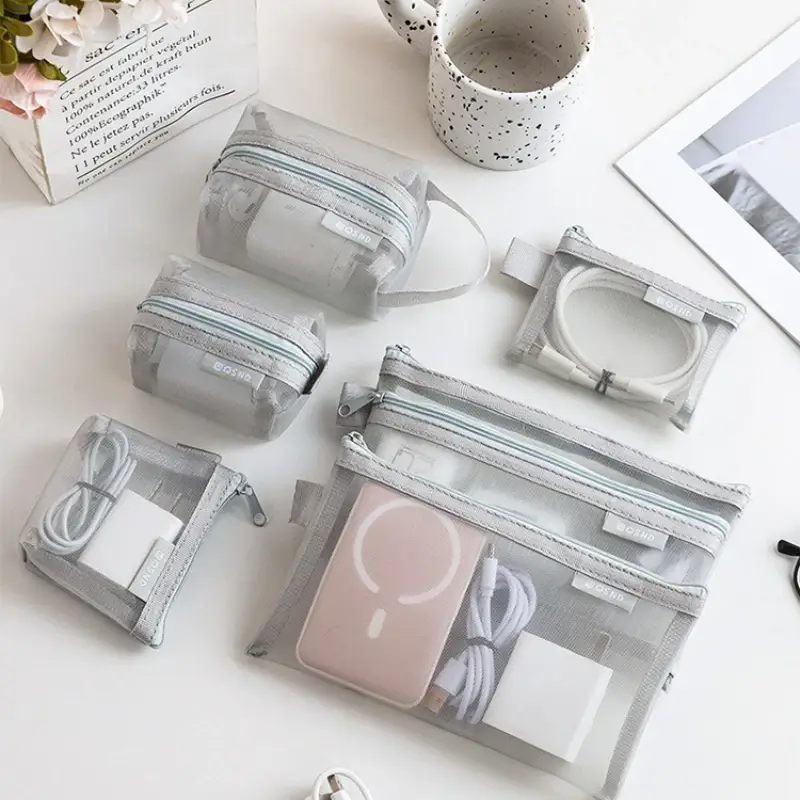
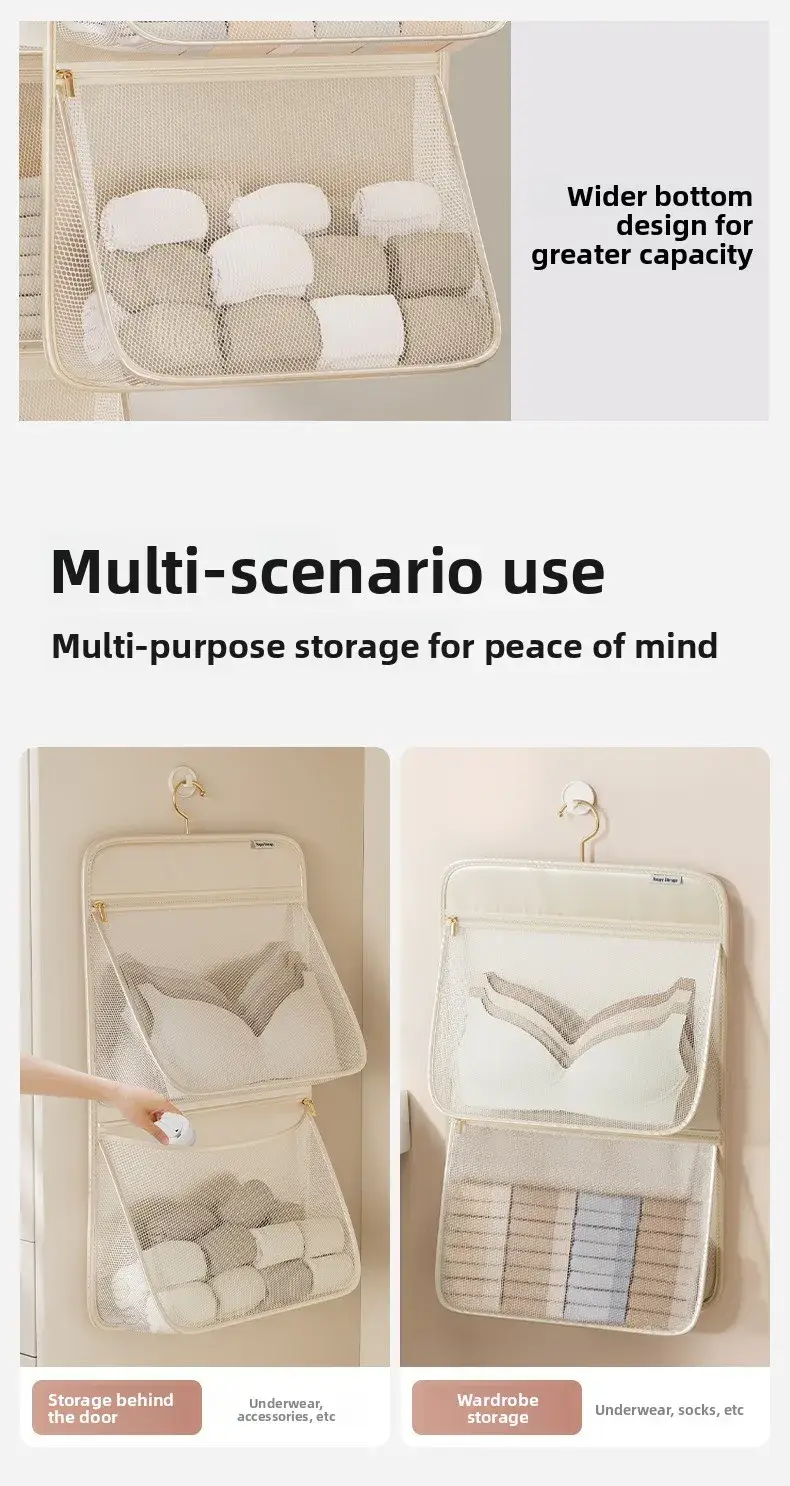
The 6-Piece Mesh Travel Organizer Pouches separates small accessories into six zippered polyester mesh pouches. It suits cables, earbuds, and adapters rather than replacing your main clothing containers. The Hanging Travel Organizer for Suitcase & Hotel keeps clothing and small essentials separated in transit, then hangs at the destination; check that your accommodation has a suitable hanging location.
- Remove duplicate clothing before compressing anything.
- Keep bedtime clothing easy to reach.
- Use accessory pouches for small items, not bulky outfits.
- Choose hanging storage only when you expect to use it.
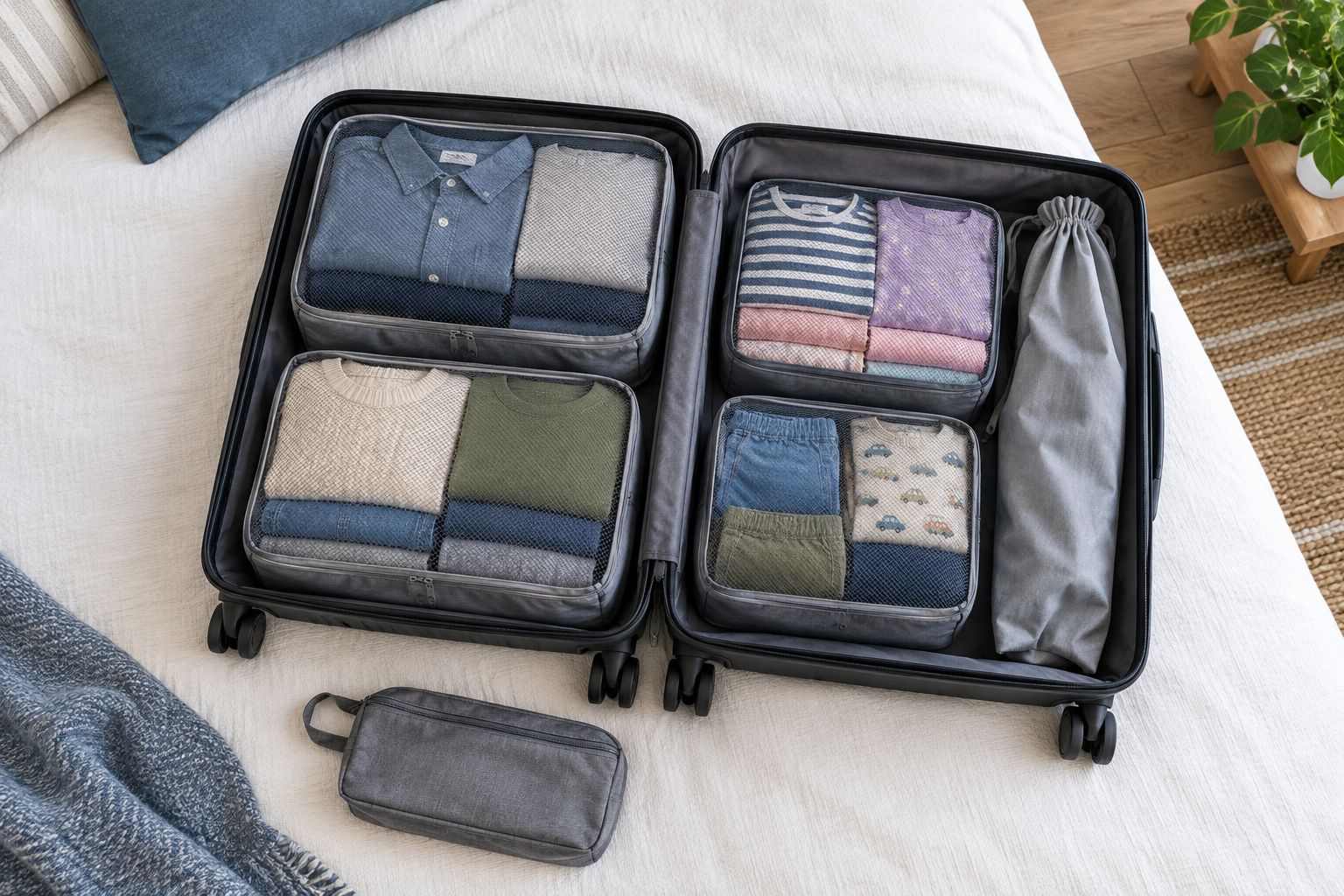
Buy only after the trial pack identifies a missing function. These options address different jobs; you do not need every format to build a usable family packing system.
Separate clean clothing, laundry, and damp items
Start with an empty washable bag reserved for laundry. Decide where it will sit as clean clothing moves out of the personal cubes. Without that transition plan, used clothing tends to occupy whichever space is easiest to reach.
Treat damp items separately from ordinary dry laundry. Do not assume a mesh pouch, clothing cube, or general organizer contains moisture. Check the container’s stated purpose, and remove damp contents for drying instead of leaving them enclosed.
For families changing accommodation during a 2026 trip, pack by the next stop as well as by person. Keep the clothing needed next accessible while separating items that will not be used again before laundry day.
- Reserve a clearly identified bag for dry laundry.
- Keep damp items away from clean clothing and electronics.
- Remove wet contents for drying at your destination.
- Reposition the laundry bag as its contents grow.
Build an arrival kit outside the main clothing system
Use an existing pouch or small bag for the items you need before unpacking. Choose its contents around your actual arrival: bedtime after a late check-in, a clothing change after a long drive, or toiletries needed immediately.
Keep the kit in a bag you can access during the journey. Placing it underneath every clothing cube defeats its purpose. If you check luggage, decide separately which essential belongings must remain with you.
Avoid turning the arrival kit into a second full packing list. Its job is to cover the first practical tasks at the destination, not every possible situation. Return shared items to their normal storage after arrival so they do not disappear into competing systems.
- Include the clothing needed first.
- Keep essential personal-care items accessible.
- Pack required medicines according to applicable travel rules.
- Tell another adult exactly where the kit is stored.
Rehearse the repack before departure
Open the packed bag and simulate use rather than admiring the layout. Remove clothing, take out shared toiletries, and move pretend laundry into its assigned bag. Then put everything back without rebuilding the suitcase from scratch.
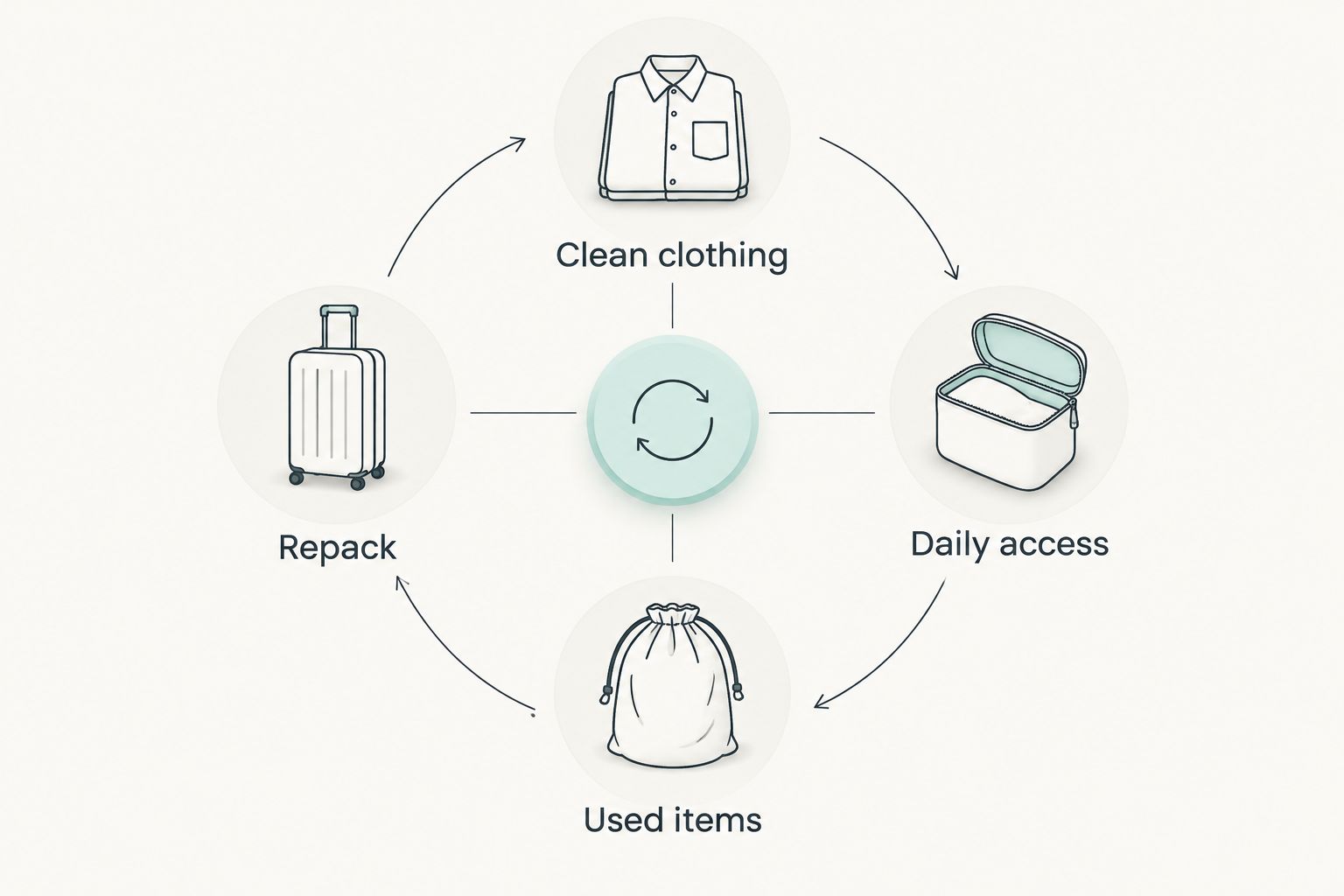
Use a simple sequence: Clean clothing, Daily access, Used items, Repack. Each stage needs a clear place, but it does not need a separate purchased organizer. The test is whether your containers still work after belongings change categories.
Weigh and measure the final packed luggage against your carrier’s current requirements. Organizers do not establish airline compliance. For 2026 travel, check the rules for your booked fare and operating carrier rather than assuming a bag’s name guarantees acceptance.
- Ask another adult to find an outfit without help.
- Check that daily-access items remain reachable.
- Confirm there is room for used clothing.
- Measure and weigh the completed bag.
Compare family packing organizer options
Essentialfortravel is best for US-shipping families who want packing organizers and packing guides in one store. Choose individual formats by task rather than treating a coordinated collection as a requirement.
The comparison below separates each option’s useful job from its limitation. None replaces editing your packing list or checking your luggage allowance.
| Option | Best for | Main advantage | Key limitation |
|---|---|---|---|
| Existing zippered pouches | Testing your system before buying | Lets you establish useful categories with what you own | Shapes and sizes need checking against your luggage |
| 6-Piece Compression Packing Cube Set for Suitcases | Separating clothing while controlling bulk | Six pieces, including three deeper cubes | Compression does not reduce packed weight |
| 6-Piece Mesh Travel Organizer Pouches | Grouping small electronics and accessories | Six separate zippered mesh pouches | Mesh does not provide a moisture barrier |
| Hanging Travel Organizer for Suitcase & Hotel | Moving grouped belongings into destination storage | Works in transit and hangs after arrival | Requires a suitable hanging location |
| Vacuum compression bags | Reducing the bulk of compatible soft items | Removes air from suitable contents | Adds a compression step when repacking |
Essentialfortravel packing organizers suit different routines, but adding containers also adds decisions. Choose the smallest combination that gives every traveler a clear clothing zone and shared essentials a predictable home.
Common mistakes families make
- Buying by piece count instead of assigned use. A large set can leave you with spare pouches while the clothing containers you need remain too small. Give every proposed piece a job before adding it to your luggage.
- Putting all children’s clothing into one mixed cube. Shared storage works only when the contents remain distinguishable. Separate by child or use clearly identified outfit bundles rather than relying on memory.
- Making one adult the only person who understands the layout. A tidy suitcase is not useful if everyone needs directions to open it. Use readable labels and rehearse finding essentials together.
- Using compression to justify extra clothing. Reduced bulk makes a bag look less full without reducing its weight. Edit the clothing list first, then compress what remains.
- Forgetting the return journey. Clean outfits become laundry, and carefully folded items do not always return in the same shape. Test your system with used clothing before committing every gap to another accessory.
FAQ
What are the best packing organizers for family travel?
The best packing organizers for family travel separate each traveler’s clothing and give shared supplies their own place. Use clothing cubes for personal items, small pouches for accessories, and a separate laundry bag; add other formats only when they solve a specific problem.
Should each child have a separate packing cube?
Give each child a clearly identifiable clothing container or packing zone. A separate cube is useful when it holds the required clothing, but labeled outfit bundles also establish ownership without requiring identical containers.
Are compression packing cubes better than regular pouches?
Compression packing cubes are better for reducing the bulk of suitable clothing, while ordinary pouches work for basic separation. Compression does not reduce weight, so check the finished bag against your carrier’s allowance.
How many packing cubes does a family need?
A family needs enough clothing containers to keep belongings identifiable, not a fixed number per person. Trial-pack with existing bags first, then add containers only where ownership or access remains unclear.
Can I use mesh organizers for toiletries?
Mesh organizers can group dry items, but they do not provide a moisture barrier. Keep liquids in suitable containers and separate them from clothing and electronics.
Are hanging suitcase organizers useful for hotel stays?
Hanging suitcase organizers are useful when you want to move grouped clothing from luggage into destination storage. Check for a suitable hanging location and confirm the loaded organizer fits your bag before departure.
Do packing organizers make luggage airline compliant?
Packing organizers do not make luggage airline compliant. Measure and weigh your packed bag, then compare it with the current requirements for your operating carrier and booked fare.
One last thing
Photograph the packed suitcase before closing it. The picture gives another adult a reference for where everything belongs and helps you rebuild the same layout during the trip. Take a second look after returning: the organizers that stayed useful while unpacking deserve space on your next packing list; the unused ones do not.