Editorially reviewed . Check the linked official sources for current travel requirements.
What does a TSA-accepted luggage lock do?
A TSA-accepted luggage lock allows participating security officers to open and relock compatible baggage during inspection. It is a screening-access feature, not a promise that your bag is theft-proof or will never be damaged.
What Does TSA-Accepted Mean for a Luggage Lock?
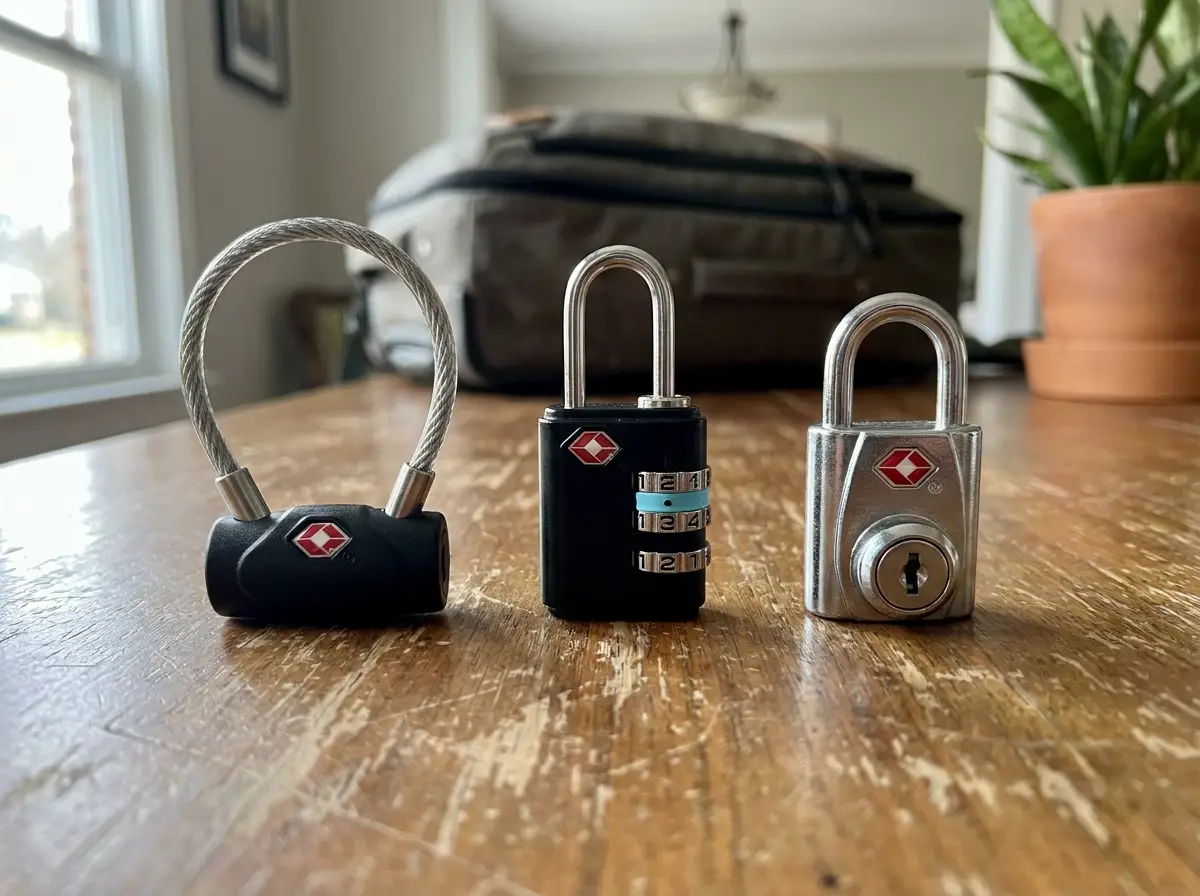
TSA compliant meaning: When sellers use this phrase for luggage locks, they usually mean a lock accepted by a recognized baggage-screening access system, such as Travel Sentry. This does not mean TSA has approved the suitcase as a whole, tested it for theft resistance, or guaranteed that the lock will remain undamaged. Check the lock’s symbol, manufacturer documentation and screening-system coverage before purchasing.
Travel Sentry’s official lock guide explains its red-diamond system and lists participating countries. Look for that mark when comparing Travel Sentry-compatible locks, and check the current coverage for international itineraries. Participation should not be assumed at every airport.
A compatible lock can reduce the need to force a lock open for inspection. It does not eliminate inspection or guarantee that every screening will leave the bag and lock undamaged.
Will your luggage lock work overseas?
Check the lock system’s current coverage and the screening guidance for your departure and connection airports. TSA acceptance does not establish how every airport handles locked luggage. Keep valuables and essential documents with you, and photograph your bag’s identifying details before checking it.
Travel security planning guide.
Compare Opening Methods and Attachment Styles
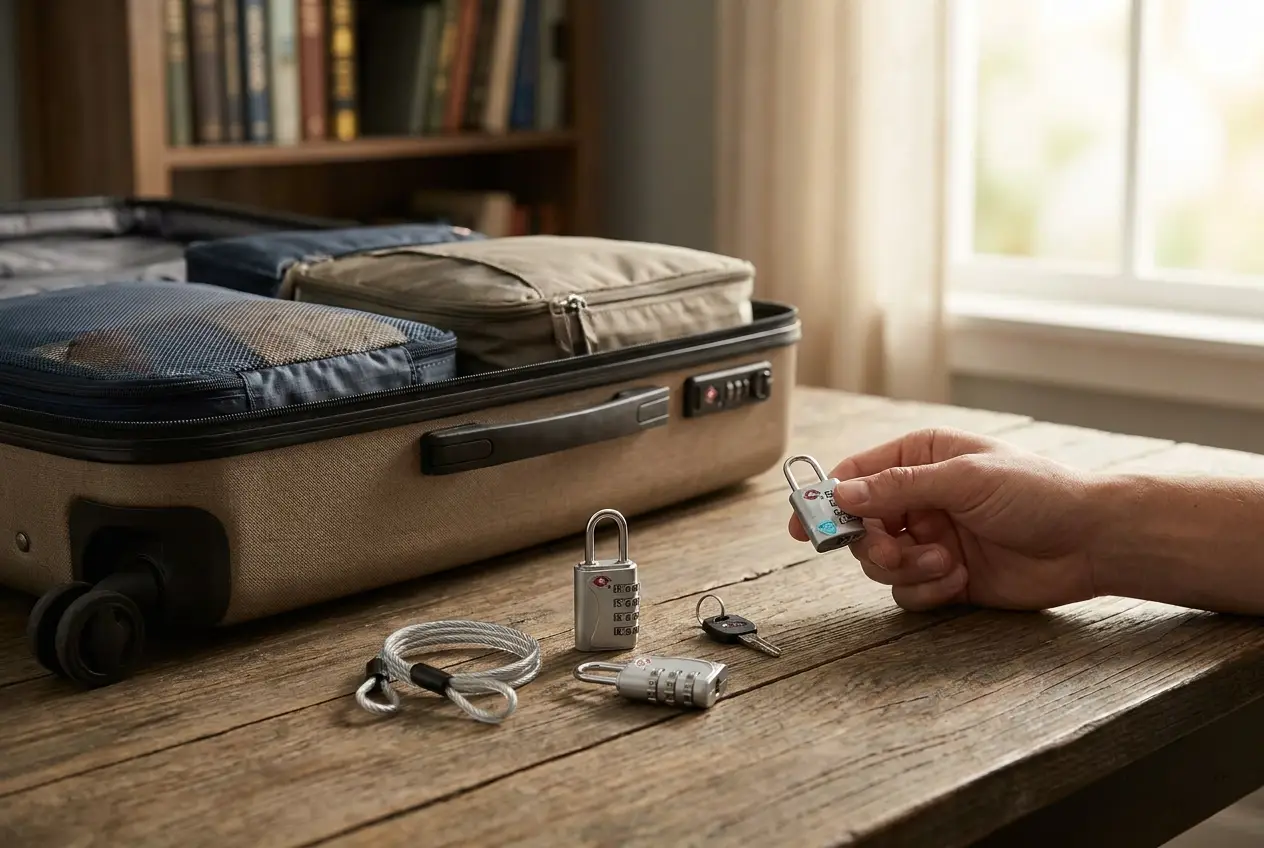
Combination and keyed describe how you open the lock. Cable and rigid shackle describe how it attaches. A cable lock can also be a combination lock, so these are overlapping features rather than three mutually exclusive categories.
| Feature | Practical advantage | Check before choosing |
|---|---|---|
| Combination opening | No separate user key to carry | Dial readability, reset instructions, and ease of use |
| Keyed opening | No combination to remember | Key storage, spare-key availability, and manufacturer support |
| Rigid shackle | A defined shape for compatible lock points | Shackle diameter and clearance through your zipper pulls |
| Flexible cable | Easier routing between some separated zipper pulls | Cable diameter, usable length, and excess slack |
Check Whether the Lock Fits Your Suitcase
- Inspect your bag’s intended lock points.
- Compare their openings with the shackle or cable dimensions.
- Attach the lock without forcing or bending the zipper pulls.
- Open and close it several times while the bag is packed.
- Check that you can use the key or dials comfortably.
For an integrated suitcase lock, follow the luggage maker’s instructions. A security-access keyhole does not necessarily mean a user key is supplied. Confirm the reset procedure before changing a combination and test it with the bag open.
Understand the Limitations of Luggage Locks
What Does TSA Say About Locked Checked Bags?
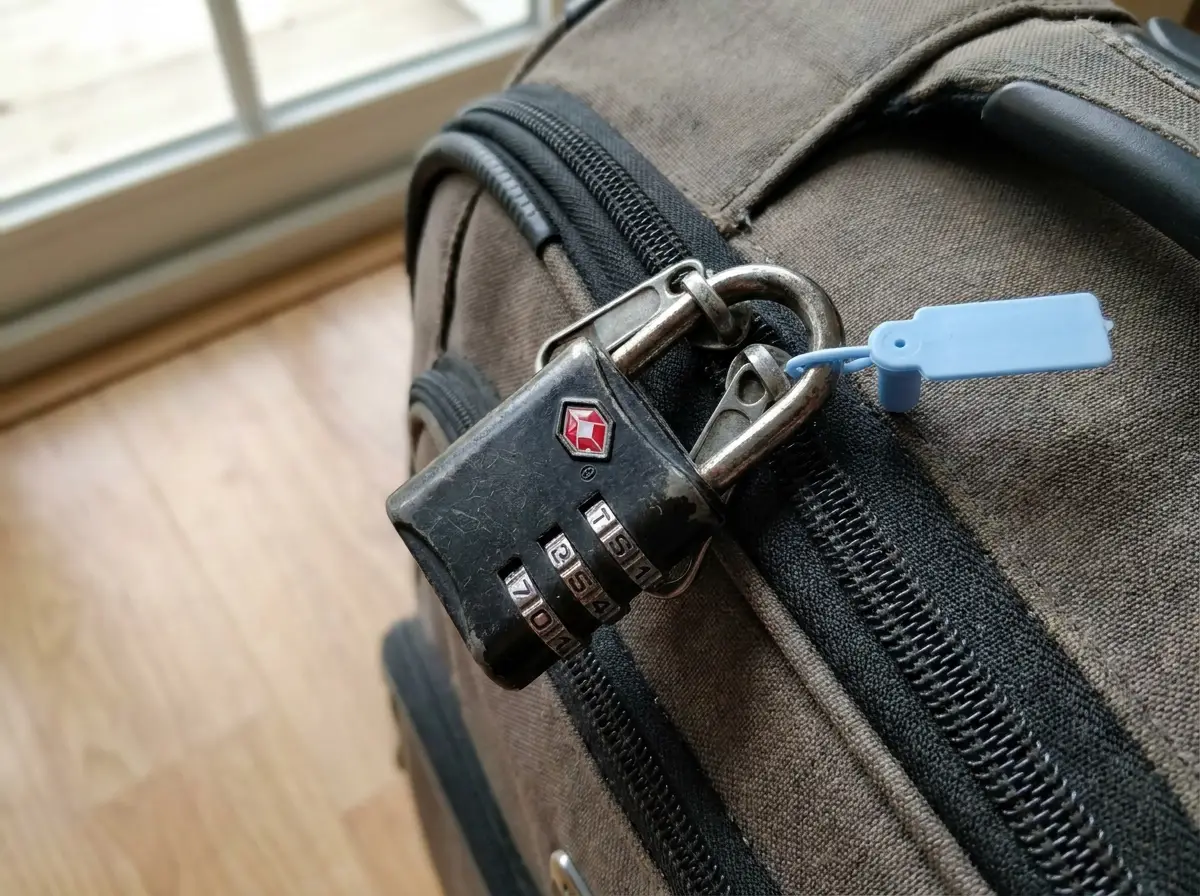
According to the Transportation Security Administration’s explanation of recognized locks, security officers sometimes need to open checked baggage for inspection. If they cannot open a locked bag through an accepted system, the lock may need to be cut. TSA also notes that baggage-handling conveyor systems can damage locks. This is why a TSA-accepted label is useful for screening access, but is not a guarantee against damage, theft, or removal.
How Do You Recognize a Travel Sentry Lock?
Travel Sentry identifies its participating lock system with a red-diamond symbol. On some combination locks, the small keyhole is intended for authorized security staff rather than the traveler; you normally open the lock with your chosen combination. See Travel Sentry’s keyhole explanation before assuming a customer key is missing. For international trips, check the current country participation information instead of assuming every airport uses the same system.
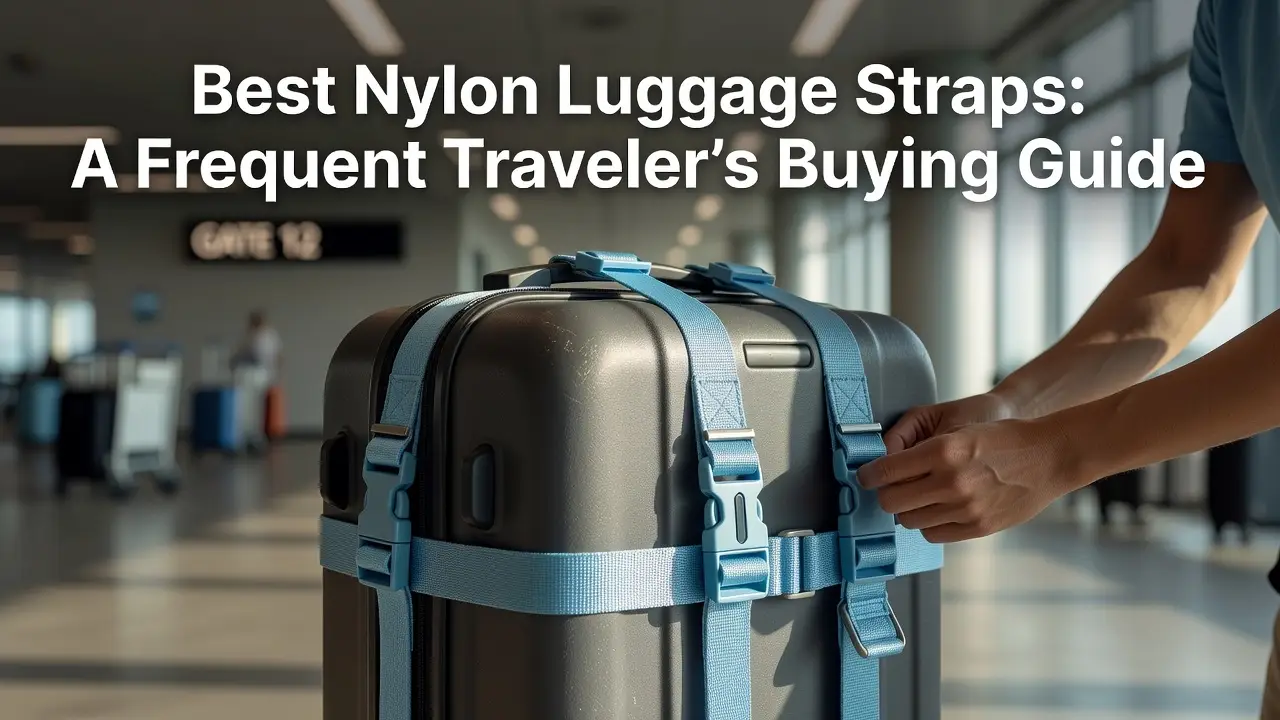
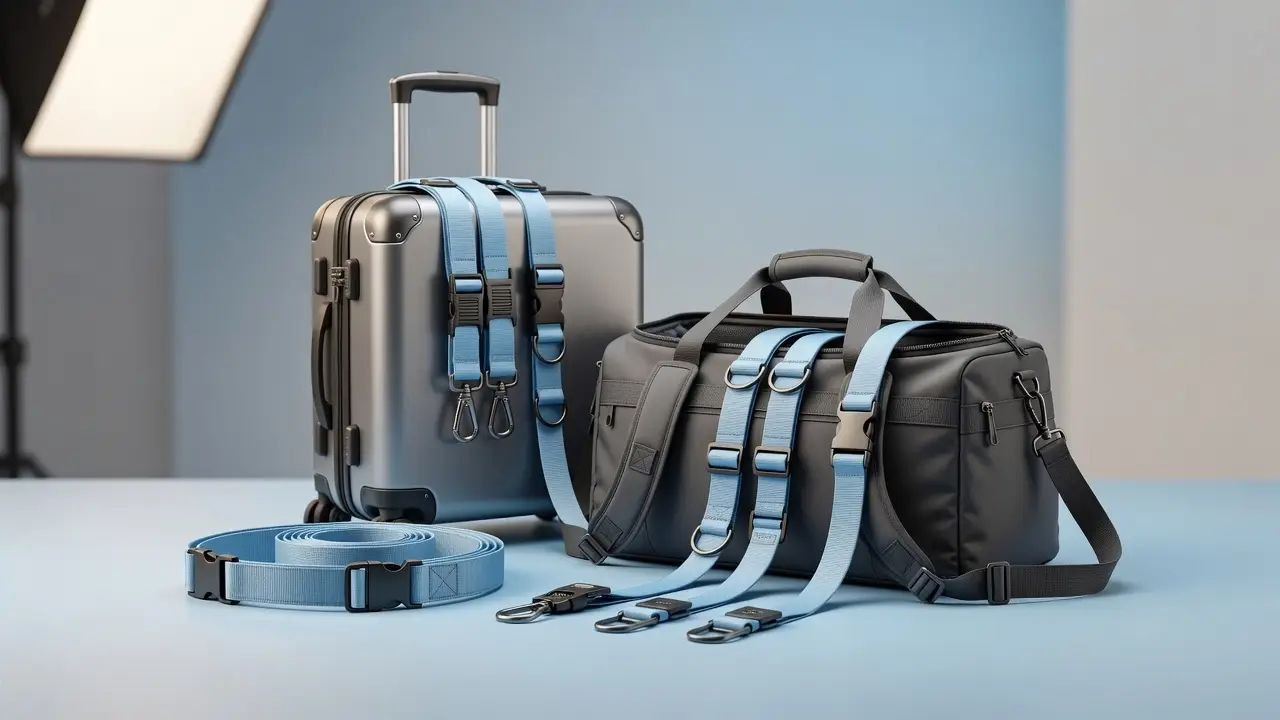
A thicker-looking body, a higher price, or a particular closure shape does not establish security performance. Compare documented specifications and fit rather than making a universal ranking. If you want additional closure support or a visible identifier, compare our Adjustable Luggage Strap with ID Tag with your suitcase’s dimensions. Check the adjustment range and buckle fit; the strap is not a substitute for a lock.
Trackers and tamper-evident seals have different jobs. Neither should be treated as a guarantee of recovery or as proof of who opened a bag. Keep essential documents, medication, and irreplaceable valuables accessible rather than relying solely on a checked-bag lock.
Test Your Luggage Lock Before Departure
If your suitcase already has an integrated lock, test it before buying a separate padlock. For either design, keep the bag open while setting a new combination and follow the model’s instructions.
- Step 1 — Inspect the attachment points. Check for bent zipper pulls, cracks or an opening too small for the cable or shackle. Repair damaged hardware before using a lock.
- Step 2 — Set the opening method. Follow the manufacturer’s reset instructions with the suitcase open. Keep a user key or a secure record of your combination outside the locked bag.
- Step 3 — Check the packed fit. Attach the lock to the intended points without forcing them together. Reduce the load if overpacking pulls the zipper out of alignment.
- Step 4 — Repeat the test. Open and close the lock several times. If the key, dials or release stick, resolve the problem before departure.
- Step 5 — Finish the bag check. Confirm current screening-system coverage for your route, keep the instructions accessible and move essential documents and valuables to your permitted cabin bag.
What If the Lock Does Not Pass the Test?
| Problem | Check | Next action |
|---|---|---|
| Cable or shackle will not fit | Compare its diameter and usable clearance with the intended lock points. | Choose a compatible attachment; do not bend or force the zipper pulls. |
| Combination will not release | Use the exact model’s dial alignment and reset instructions while the bag is open. | Ask the manufacturer for help before locking a packed suitcase. |
| No traveler key is supplied | Check whether the keyhole is for security access on a combination lock. | Follow the documented opening method; do not assume a key is missing. |
| Lock points strain when packed | Remove items and close the bag normally. | Repack or choose a bag that holds the load without forcing its closure. |
What to Do If Your Luggage Lock Is Missing or Cut After a Flight
- Check the bag before leaving the airport: photograph the lock area, zipper pulls, and any visible damage.
- Look for an inspection notice: TSA says it places a Notice of Baggage Inspection inside bags opened during screening, although a missing lock alone does not prove who removed it.
- Report damage promptly: contact the airline baggage service desk and follow its reporting deadlines. For concerns about TSA screening, use TSA’s official contact channels.
- Keep records: save your baggage tag, boarding pass, photographs, receipts, and any incident reference number.
- Do not reuse damaged hardware: inspect the zippers and lock points before attaching a replacement.
For official screening guidance, read TSA’s explanation of recognized luggage locks. TSA notes that officers may need to cut locks they cannot open and that conveyor equipment can also damage locks. The cause of a missing lock should not be assumed without evidence.
Before handing over checked luggage, fasten the lock according to its instructions and keep documents, medication and required cabin-only items in your permitted cabin bag.
Example: Checking a Lock Before an International Trip
Before a multi-airline international itinerary, attach the lock to the fully packed bag, test the opening method, and confirm current Travel Sentry participation for the countries and airports on your route. Keep passports, medication, power banks, and irreplaceable valuables in the appropriate carry-on bag rather than assuming the luggage lock provides complete security.
For related planning, read our travel security guide and carry-on rules guide. Lock compatibility and airline baggage allowances are separate questions.
Luggage Lock FAQs
What does TSA-accepted mean for a luggage lock?
It means the lock is compatible with a system that lets participating security officers open and relock it during inspection. It does not guarantee theft resistance or damage-free handling.
Is a TSA-accepted lock required for every suitcase?
Do not assume a lock is mandatory. Check the requirements for your route. Compatible locks are an option for locking baggage while allowing participating screeners access.
Is a cable lock more secure than a rigid shackle?
Do not rank security by shape alone. Compare documented specifications, build quality, and fit. A flexible cable may fit separated zipper pulls more easily.
Will the lock work at every international airport?
Do not assume universal participation. Check current Travel Sentry coverage and the screening guidance relevant to your itinerary.
Can a luggage lock guarantee that valuables are safe?
No. Keep critical documents and irreplaceable valuables with you where permitted, and follow the airline’s instructions if your bag is checked.