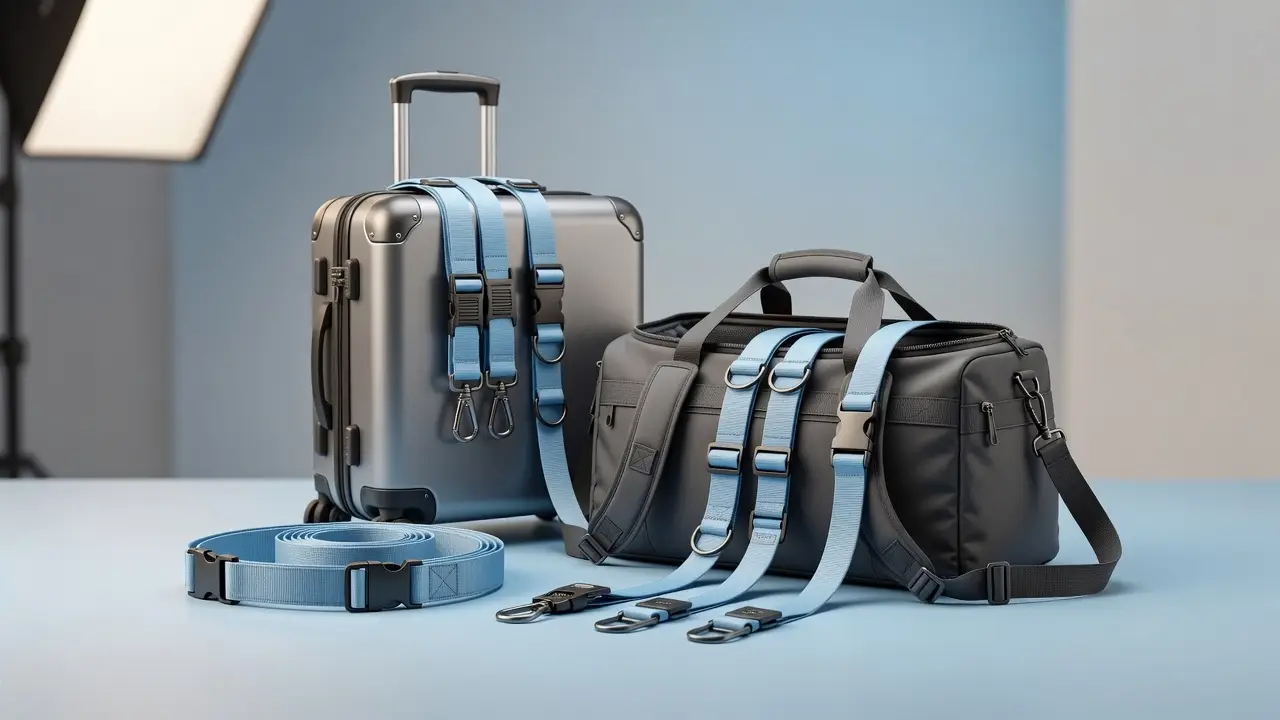
Understanding Luggage Strap Types and Uses
Luggage accessory straps serve different jobs: a suitcase belt wraps around a case, a cross-strap runs in two directions, and a bag connector attaches compatible bags for walking. Choose the design for the job you need, then check its adjustment range and closure on your packed luggage.
This guide compares strap types, identification features and locking options, with practical fit checks before you buy. A strap can add visibility or secondary closure support to a sound suitcase; it cannot repair a broken zipper or prevent theft.
Which Luggage Strap Should You Choose?
Start with the job you need the accessory to do, then check its fit on the packed bag.
| Strap type | Main use | What to check |
|---|---|---|
| Single-loop suitcase belt | Identification and secondary closure support | Adjustment range, buckle and slipping on the packed case |
| Cross-strap or X-strap | Wrapping the case in two directions | Fit in both directions and clearance around wheels and handles |
| Strap with an integrated lock | Adding a locking mechanism to the buckle | Actual lock documentation and inspection compatibility |
| Bag connector | Attaching compatible bags while walking | Manufacturer instructions; connected bags still follow airline item-count rules |
For a closer comparison of nylon webbing, buckle design and adjustment ranges, read our nylon luggage strap buying guide.
Fit the accessory at home, lift the case using its intended handle and secure loose ends. Our adjustable luggage strap with ID tag is an example of a single-loop identification strap. Keep a separate baggage tag attached in case a strap is removed during handling or inspection.
When a Luggage Strap Helps—and When It Doesn’t
A strap can be useful when you want easier identification or an additional closure around a sound suitcase. Start with the bag’s condition and the accessory’s fit, then decide whether it adds something useful to your trip.
1. Add secondary closure support. A correctly fitted strap may add an extra band around the case. It does not repair a worn zipper, and it cannot guarantee that the suitcase will remain closed if the main closure fails.
2. Make the bag easier to recognize. A contrasting color can help you pick out a similar-looking suitcase. Still check the bag tag before removing it from the carousel; color alone cannot confirm ownership.
3. Check locking-strap compatibility before relying on it. Some straps come fitted with TSA-recognized combination locks. TSA-recognized locks are designed to allow screening officers to open them with special tools, but a lock or strap may still need to be removed or cut during inspection. A lock does not guarantee theft prevention.
4. Keep identification separate from security. A strap with an attached tag can give you a place for contact information. Keep a separate airline baggage tag attached, and avoid displaying more personal information than necessary.
5. Buy for a practical need. Compare the actual strap’s fit, closure and current price. It may be a useful optional addition, but it is not a substitute for repairing a case or using luggage that suits the journey.
Checked-Baggage Safety: What Official Guidance Says
The U.S. Department of Transportation’s baggage guidance specifically recommends removing straps and hooks from garment bags being checked because they can catch in baggage-handling machinery. For other luggage accessories, secure loose ends, inspect the bag’s fit, and check your airline’s rules before departure.
DOT also recommends keeping your baggage identification tag until you retrieve your suitcase. If a checked bag arrives open or visibly damaged, inspect it and report the problem to the airline before leaving the airport. A colored strap can make identification easier, but the airline’s bag tag is the more reliable way to confirm ownership.
For a strap with an integrated lock, check the actual lock rather than relying on marketing terms. TSA explains that screening officers may need to cut locks if they cannot open them for inspection. Travel Sentry explains its Red Diamond identification mark; a regular buckle strap is not automatically a recognized lock.
Types of Luggage Accessory Straps
Compare each design’s fastening method, adjustment range and identification features. Use the fit checklist below on your packed suitcase before departure.
Single-Loop Binding Straps
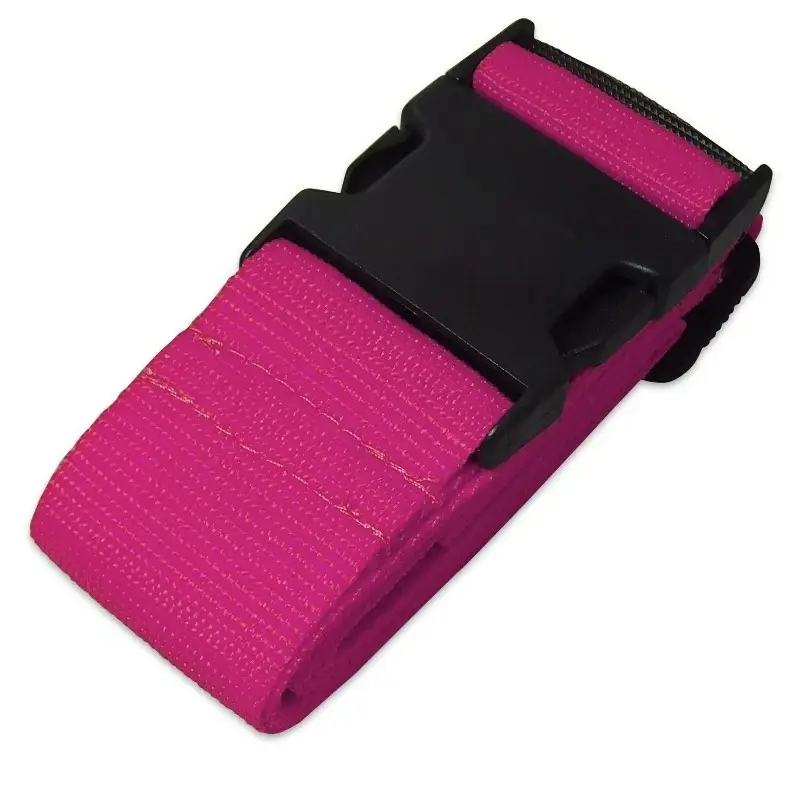
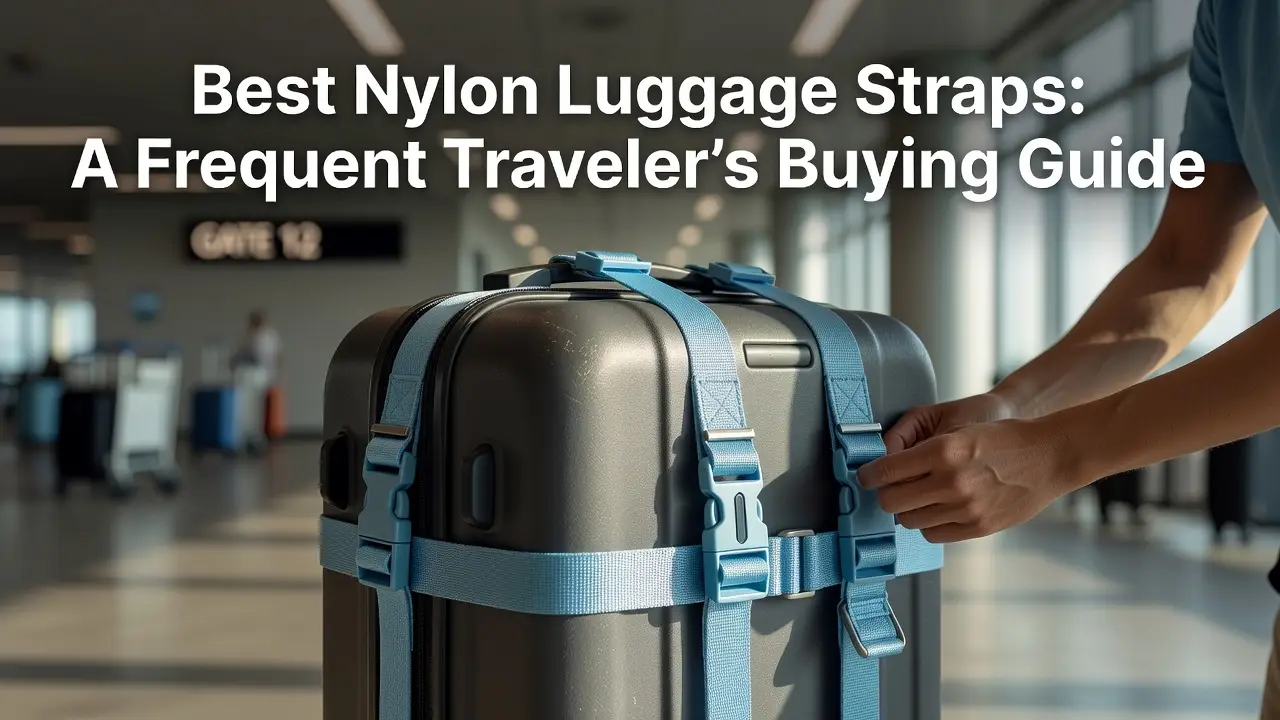
A single-loop strap wraps around the suitcase and fastens with a buckle. Adjust it so it stays in place without distorting the case, then secure the loose end. It may add secondary closure support, but it does not lock the zipper pulls in place or make the bag tamper-proof.
The same general design can fit some hard-shell or soft-sided bags. Check the packed shape: a strap that slips off a tapered bag or presses on the wheels is a poor fit regardless of the suitcase material.
Nylon and polyester are common options to compare. Manufacturer Strapworks explains webbing materials and their uses, including nylon’s abrasion resistance and polyester’s low stretch. The complete strap’s construction matters; these material descriptions are not a strength certificate for a finished luggage accessory.
Check the width against the suitcase’s shape and available strap path. A wider band may sit differently on the case, but width alone does not establish better security. Test the complete strap for slipping and interference.
Compare the current listing, fit range and return terms before buying. Avoid assuming that every inexpensive strap uses the same material or buckle.
Straps With TSA-Recognized Combination Locks
For checked baggage locks, consult TSA’s explanation of recognized luggage locks. Recognized locks may be opened by screeners using special keys, but TSA may still need to cut a lock in some cases. A standard buckle strap, including our ID-tag strap, must not be described as a TSA-recognized lock unless the actual product documentation confirms it.
An integrated combination lock adds a locking mechanism to a strap’s buckle. A documented inspection-compatible lock is designed so authorized screeners can open it using the appropriate tool. A recognized lock may still be damaged, removed or cut; no strap guarantees that the bag or accessory will arrive intact.
Verify the lock itself and its packaging. For a Travel Sentry lock, check the Red Diamond marking against the manufacturer’s guide to identifying an accepted lock. Do not assume that a strap labeled “TSA-style” has a recognized inspection mechanism, and do not assume every destination uses the same inspection system.
Compare the finished accessory’s weight, fit and ease of use. A locking strap is an option when you want an integrated lock, but it should not be sold as a guarantee against theft. Check current prices on the specific product listing.
Multi-Directional (X-Strap and Cross-Strap) Straps
An X-strap or cross-strap wraps around the case in two directions. This can suit some suitcase shapes better than one loop, but it adds more webbing and adjustment points to check.
Fit both directions on the packed case without forcing the suitcase shut. If the bag bulges or the zipper is strained, remove contents rather than relying on extra straps. A cross-strap cannot make an overloaded case safe from damage.
The cross pattern may help with recognition at collection. Always check the bag tag too, and make sure the strap leaves wheels, handles and moving parts unobstructed.
Check the adjustment range for each direction separately. One design will not necessarily fit every carry-on and large checked suitcase. Follow the manufacturer’s instructions for routing and fastening.
Personalized and Monogrammed Straps
Initials, a distinctive pattern or a contrasting color may help you recognize your bag. Personalized webbing remains an identification accessory; it cannot establish ownership on its own or prevent theft.
Choose the information you display carefully. A name or initials and an appropriate contact method may be useful, while a full home address can reveal more than you need to show publicly. Keep the airline baggage tag readable and attached.
A strap and tag can make a practical travel gift when you know the recipient’s suitcase size and preferences. Check what customization is actually offered by the seller; do not assume every strap can be monogrammed.
Cargo Tie-Downs vs. Suitcase Straps
Cargo tie-downs secure loads in specific transport applications. Do not assume that a heavy ratchet strap is a suitable upgrade for a passenger suitcase. The hardware can add bulk, and excessive tension can damage luggage.
Use a cargo restraint only for the purpose and load specified by its manufacturer. A breaking-strength figure for the webbing is different from a working-load rating for the whole assembly. A suitcase identification strap should not be used to lift or restrain cargo.
If you are carrying sports equipment, expedition gear or another unusual item, check the airline’s handling rules and choose a case or transport method intended for it. An extra strap does not change the airline’s baggage allowance.
For ordinary checked luggage, start with the bag’s own sound closures and a compatible luggage accessory. Weigh the fully packed bag with any accessory attached and compare it with the operating airline’s allowance.
Slim ID and Visibility Straps
A slim visibility strap emphasizes recognition rather than compression or locking. Choose a color that contrasts with the bag and confirm the strap will stay attached without leaving a loose end.
Check the actual listed weight if you want a light accessory. There is no universal weight for this category, and a narrow strap may include hardware or a tag that changes the total.
One smart design feature worth looking for: some slim straps include a built-in ID window or luggage tag sleeve right on the strap body itself. This combines two accessories into one tidy solution and keeps your bag handle free from dangling extras.
Before checking the bag, fasten the strap on the packed suitcase and tuck away any loose webbing so it cannot catch on handles or moving parts. Keep the airline baggage tag visible.
Compare the current price and fit range with a separate tag or another strap design. Choose the option that solves your identification need without adding unnecessary accessories.
How to Choose the Right Luggage Strap: A Practical Buying Guide
Now that you’ve explored the main types of luggage straps, the next step is knowing how to pick the right one for your specific needs. Here are six practical factors to check before you buy.
Compare the Complete Strap Construction
Check the documented webbing material, stitching, buckle and adjustment mechanism together. Nylon and polyester can both be options, and other materials should be evaluated against the actual product information. The fiber name alone does not establish how the complete accessory performs.
Understand Published Strap Ratings
Many consumer suitcase straps do not publish a tested load rating. Treat that as unknown information. If a rating is provided, check whether it covers the finished assembly and its intended use; do not match a strap’s raw breaking strength directly to the suitcase’s packed weight. Lift luggage using its intended handle.
Choose a Suitable Strap Closure
Choose a buckle you can fasten, adjust and release reliably. Inspect for cracks, wear or slipping before departure. A metal finish or higher price is not proof of better security; confirm inspection compatibility separately if the accessory includes a lock.
Measure Your Packed Suitcase
Measure around the suitcase where the strap will sit, then compare the result with the stated adjustment range. An advertised suitcase height cannot tell you that circumference. Check each bag separately if you plan to move the strap between cases.
Choose a Visible Strap Color
Use contrast to help you recognize the suitcase among similar bags. For family travel, agree on a different color or tag for each person. Confirm ownership from the luggage tag before taking a case.
Verify Lock Inspection Compatibility
If the strap includes a lock, check its documentation and actual inspection-system markings. A recognized lock can allow access with an authorized tool, but does not prevent inspection or guarantee that the lock will never be cut.
Optional Tags and Packing Organizers
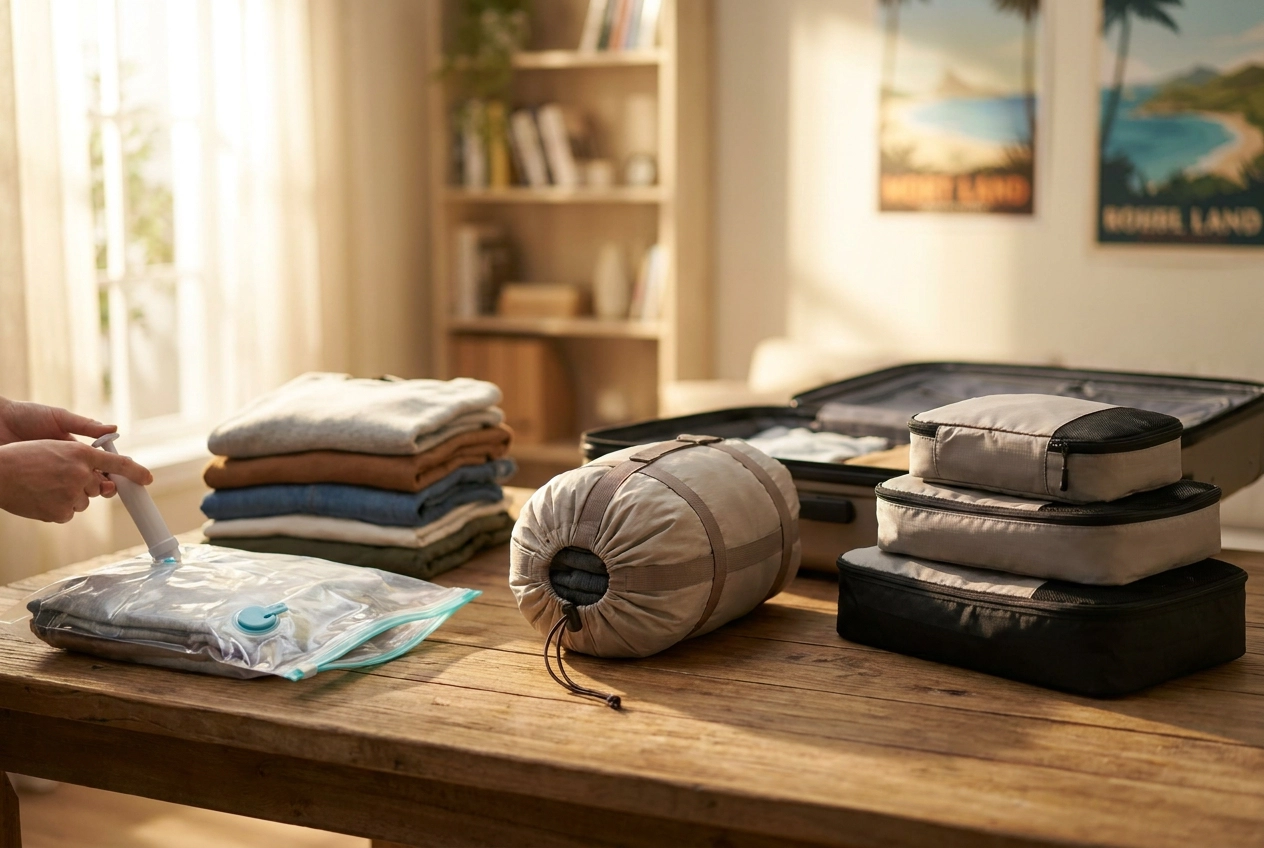
Give each accessory a job. Compare the adjustable luggage strap with ID tag for visibility and fit, aluminum luggage tags for identification, and compression packing cubes for organizing suitable clothing. Use only the pieces your trip needs; check filled dimensions and total luggage weight.
Complete Your Checked-Luggage Setup
A strap is just one part of an organized bag. If you are choosing luggage, compare the 5-piece spinner luggage set with travel bags; use a portable digital luggage scale to check packed weight against your airline’s limits. These are optional complements, not substitutes for well-fitting straps and functioning zippers.
For more planning help, read our travel security essentials guide and the explainer on TSA-accepted luggage locks before choosing a lockable strap.
Quick Luggage Strap Fit Checklist
- Pack the suitcase and close its own zippers or latches without forcing them.
- Measure around the case along the intended strap path; compare that circumference with the strap’s stated adjustment range.
- Inspect the webbing and buckle, then fasten the strap snugly without distorting the case.
- Secure loose ends and keep wheels, handles and the airline baggage tag clear.
- Lift the case by its intended handle and check whether the strap slips or catches.
- Confirm that the strap can be removed for inspection and review your airline’s accessory instructions.
Keep baggage identification attached and display only the contact details needed. A fitting strap adds an accessory to a sound case; it does not repair a damaged closure.
Frequently Asked Questions About Luggage Straps
Can a luggage strap replace a suitcase lock?
No. A strap may help keep a case closed and recognizable, but it is not a substitute for a suitable lock or for working zippers and latches.
Should I put a strap on a carry-on?
You can, provided it stays secure and does not interfere with airline size limits, overhead-bin handling, or access to your belongings.
How tight should a suitcase strap be?
Snug enough not to slide off during handling, but not so tight that it deforms the suitcase or strains the buckle. Recheck after packing changes.
For related advice, see our nylon luggage straps guide and guide to TSA-accepted luggage locks.