
Picture this: you’re rushing through the airport, heart racing, only to have a TSA agent pull your bag aside because something didn’t make the cut. We’ve all either experienced it or watched it happen to someone else in line. Not exactly the start to a trip you were hoping for, right?
Here’s the good news. Navigating airport security doesn’t have to be stressful, and choosing the right TSA approved carry on luggage can make all the difference between breezing through the checkpoint and holding up the entire line.
Whether you’re a first-time flyer or someone who just wants to travel smarter, this guide is for you. We’re breaking down everything you need to know about TSA approved carry on luggage, from size and weight limits to the best features to look for when shopping for a bag. By the time you finish reading, you’ll know exactly what to pack, what to avoid, and how to pick a bag that works with TSA guidelines rather than against them. Let’s make your next airport experience a whole lot smoother.
What ‘TSA Approved’ Actually Means for Your Luggage
If you’ve ever seen a bag labeled “TSA approved” on a store shelf or product listing, here’s something that might surprise you: the TSA doesn’t actually approve or certify any luggage brands. Not a single one. The phrase is really just informal marketing shorthand that means a bag and its contents comply with the security screening rules enforced at airport checkpoints. Think of it less like a government stamp of approval and more like a checklist you need to pass before walking through security.
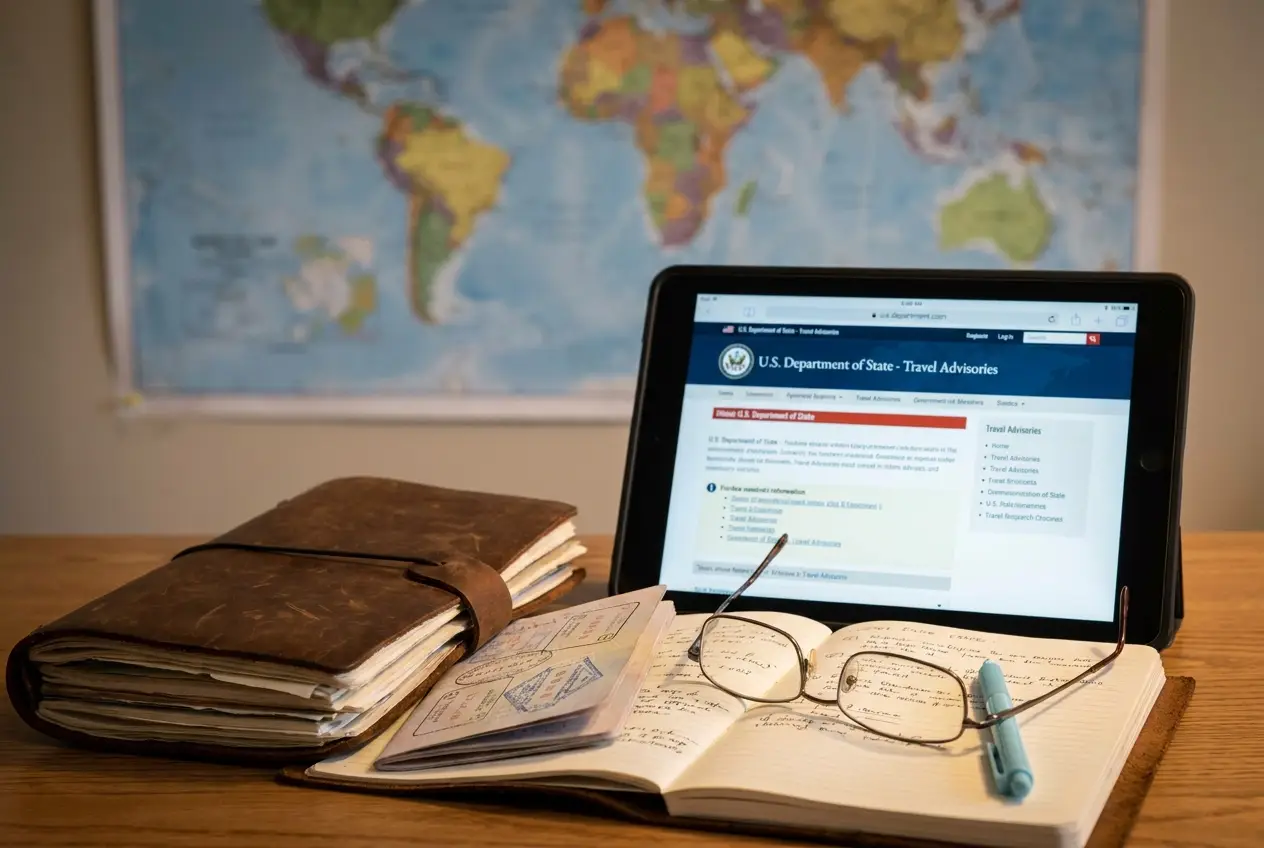
So who exactly is the TSA? It’s a federal agency under the Department of Homeland Security, and its job is to keep U.S. transportation systems secure. When it comes to air travel, the TSA sets the rules for what you can and can’t bring through a security checkpoint. Their official “What Can I Bring?” tool is your best friend here, covering everything from scissors to snowglobes.
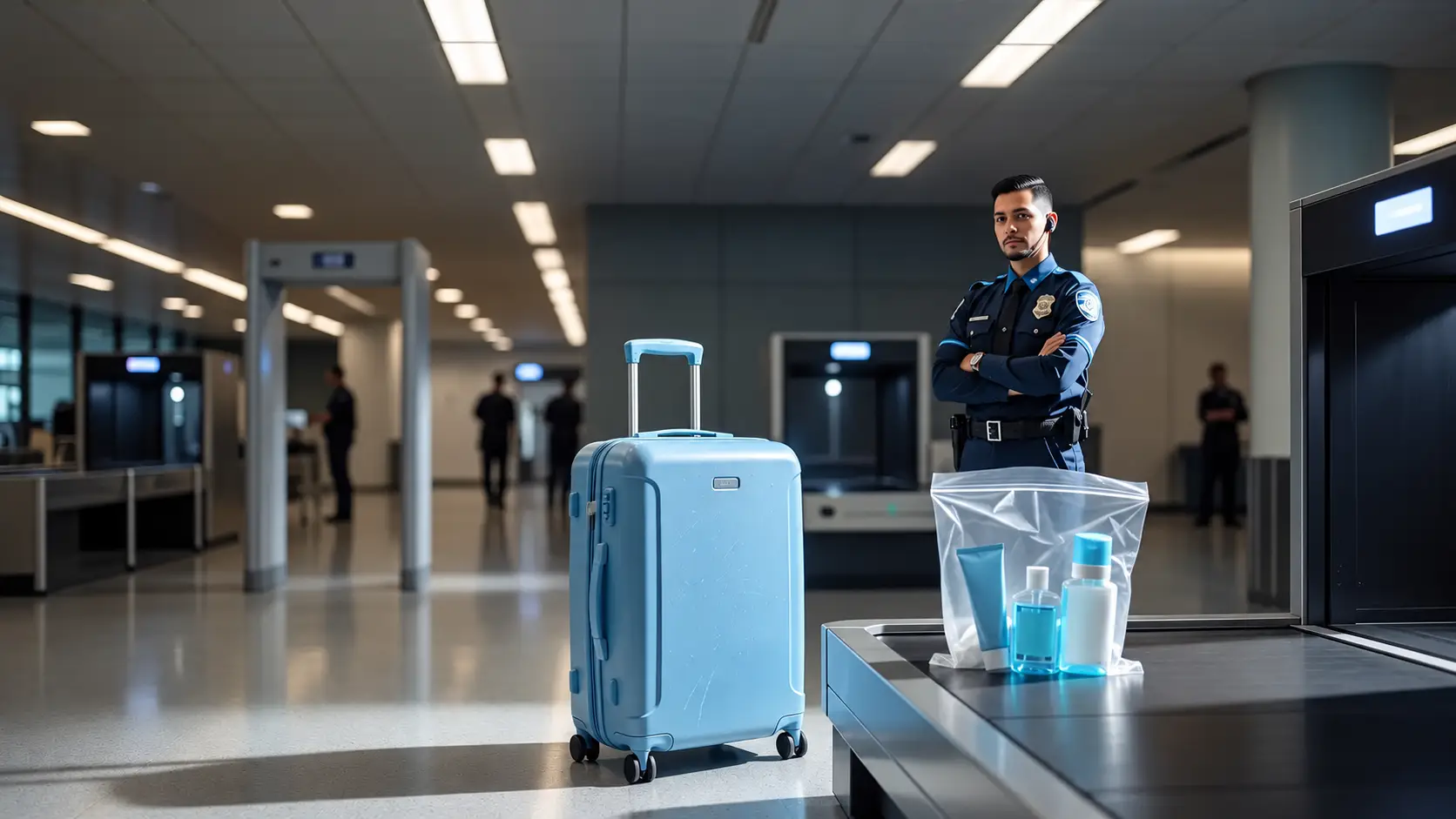
TSA compliance really boils down to three things: the size of your bag, what’s packed inside it, and how your liquids, gels, and aerosols are packaged. You’ve probably heard of the 3-1-1 rule, which limits liquids to containers of 3.4 oz or less, all fitting inside one clear quart-sized bag.
Here’s a misconception worth clearing up right away. A bag sold as “carry-on size” by a retailer doesn’t automatically meet every airline’s overhead bin policy. TSA rules and airline rules are two completely separate layers. A bag could clear the TSA checkpoint just fine but still get gate-checked because it’s too large for a specific airline’s bin.
With millions of travelers passing through checkpoints every year, according to TSA passenger volume data, non-compliant bags slow down screening for everyone. Getting this right in 2026 saves you time, stress, and potentially money on unexpected checked baggage fees. The TSA’s official travel resource hub is always a reliable starting point before any trip.
TSA Carry-On Size Limits and Personal Item Rules
Now that you know “TSA approved” is more of a marketing phrase than an official certification, let’s talk about the actual size rules that determine whether your bag makes it onto the plane without a problem.
The 22 x 14 x 9 inch standard is the most widely accepted carry-on size in the U.S., but here’s the important catch: according to the TSA’s own FAQ page, the TSA does not set or enforce carry-on dimensions at all. That’s entirely up to your airline. The 22 x 14 x 9 inch measurement (including handles, wheels, and pockets) is simply a de facto industry standard that many major U.S. carriers have adopted. Before your trip, always check your specific airline’s website to confirm their current policy, since some carriers allow slightly larger bags and others enforce limits more strictly depending on the fare type you booked.
Personal items are a separate allowance, and they can be a real game-changer for packing smarter. A personal item is typically a smaller bag that fits under the seat in front of you, and most airlines allow one in addition to your carry-on. Common limits hover around 18 x 14 x 8 inches, though this varies by carrier. Check out this breakdown of carry-on size restrictions by airline for a helpful comparison across multiple carriers.
Here’s a practical tip worth remembering: chest bags and compact backpacks often qualify as personal items rather than carry-ons. That means you could bring a full-sized carry-on in the overhead bin plus a chest bag under the seat, giving you two bags on most flights without paying extra fees.
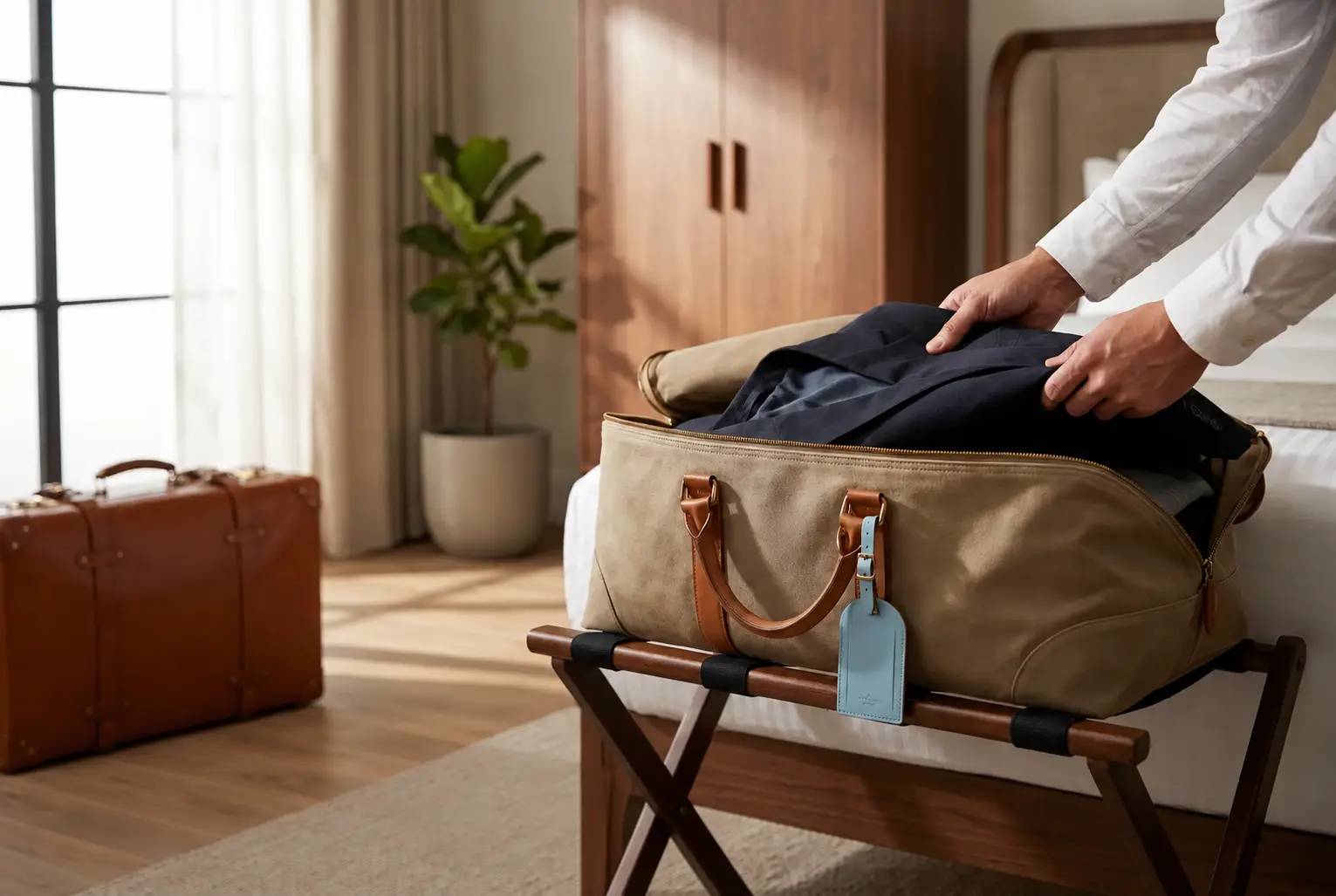
Soft-shell bags have a hidden advantage over hard-shell options. Both styles can meet size requirements on paper, but a soft-sided bag with flexible walls can often be gently squeezed into a tight overhead bin where a rigid hard-shell bag of identical dimensions simply cannot. If overhead bin space is tight on your flight, that flexibility can save you from a gate-check situation.
Speaking of gate checks, airlines are becoming increasingly strict about oversized carry-ons at the jetbridge, and those last-minute fees can sting. Knowing your airline’s exact limits before you arrive at the airport is the simplest way to avoid an unwanted surprise right before boarding.
Airline-by-Airline Carry-On Policies That Go Beyond TSA Rules
Here’s something that catches a lot of first-time flyers off guard: once your bag clears the TSA security checkpoint, the TSA is completely done with it. From that point on, everything about whether your carry-on fits on the plane, how much extra you’ll pay if it doesn’t, and how strictly the rules get enforced is entirely up to your airline. Think of it as a two-layer system. The TSA controls what’s inside your bag; the airline controls the bag itself.
1. Budget Carriers Play by Stricter Rules
If you’re flying with a budget airline, pay very close attention before you show up at the gate. Carriers in this category are well known for enforcing strict personal item size requirements using physical sizing boxes right at the boarding door. If your bag doesn’t fit, you’ll pay a gate fee to check it, and those fees can be significantly higher than what you would have paid online in advance. Before your trip, head directly to your airline’s official website to review the most current fee schedule and bag dimensions, since these numbers change frequently.
2. Legacy Carriers Are More Standardized (With Exceptions)
The major legacy carriers generally follow the industry-standard carry-on size of 22 x 14 x 9 inches, plus one personal item like a backpack or tote bag. However, there are important exceptions worth knowing. If you book a basic economy fare, you may lose your overhead bin privileges entirely and be limited to just a personal item under the seat. On the flip side, elite frequent flyers and passengers in first or business class often get extra allowances. Always confirm the specific rules for your fare class, not just your airline.
3. Southwest’s Baggage Policy Shift
For years, Southwest Airlines was the go-to carrier for travelers who preferred checking bags over carrying on, thanks to its historically generous free checked bag policy. However, Southwest announced changes to this model in 2024. As of 2026, you’ll want to verify the current policy directly at southwest.com before assuming you can check bags for free. If that perk is gone, the math on carry-on-only travel changes significantly for millions of Southwest flyers.
4. International Flights Add Weight to the Equation
Flying domestically, most airlines focus primarily on your bag’s dimensions. But on international routes, especially transatlantic flights, weight limits become just as important. Many international rules cap carry-on bags at roughly 15 to 22 pounds, even if the bag is the right size. If your itinerary includes a codeshare segment operated by a partner airline, that partner’s stricter rules may apply for the entire trip.
5. Always Check Within 30 Days of Your Flight
Airline carry-on policies are not set in stone. Fee structures, size requirements, and enforcement practices can all change with little public notice. The most reliable habit you can build is visiting your specific airline’s carry-on policy page within 30 days of your departure date. Also keep in mind that enforcement can vary between airports and even between gate agents, so knowing the official policy protects you in those moments.
The bottom line is that TSA rules are just the starting point. Your airline’s rules are what determine whether your bag travels with you in the cabin or gets gate-checked at the last minute.
The 3-1-1 Liquids Rule Explained (And How to Pack Smarter)
Of all the TSA rules that catch travelers off guard, the 3-1-1 liquids rule is probably the most misunderstood. And yet, it’s one of the easiest to follow once you understand what it actually requires. Let’s break it down so you can pack your toiletries with total confidence.
What the 3-1-1 Rule Actually Requires
According to the TSA’s official liquids rule, every liquid, aerosol, gel, cream, and paste in your carry-on bag must follow three simple rules. First, each container can hold no more than 3.4 oz (100ml). Second, all of those containers must fit into a single quart-sized, clear, resealable plastic bag. Third, you’re only allowed one of those bags per passenger. That’s the entire rule in a nutshell: 3.4 oz containers, 1 quart-sized bag, 1 bag per person. When you reach the security checkpoint, you’ll need to remove that bag from your carry-on and place it separately in the bin for X-ray screening.
The Items That Catch People Off Guard
Here’s where things get interesting. Most people know that shampoo and body wash fall under this rule, but there are some surprising items that TSA classifies as gels or pastes that many travelers forget about. Full-size toothpaste tubes, sunscreen bottles, and even peanut butter are all subject to the 3.4 oz limit because they’re technically considered gels. Hair gel, lip gloss, mascara, and spray deodorant also count. If any of these items are over 3.4 oz when you reach the security checkpoint, they will be confiscated, no exceptions. The safest habit is to check every single container before you even start packing your bag.
Exceptions Worth Knowing
There are a few situations where the 3.4 oz limit doesn’t apply. Medically necessary liquids, baby formula, and breast milk are all permitted in quantities larger than 3.4 oz. However, you do need to declare these items to the TSA officer at the checkpoint and remove them from your bag for separate screening. It’s also worth noting that if you have TSA PreCheck, per the TSA PreCheck enrollment page, you don’t need to remove your liquids bag from your carry-on at the checkpoint at all, which is a nice perk for frequent flyers.
A Smarter Way to Pack Your Toiletries
Instead of juggling five or six separate travel-size containers, consider consolidating with a tool that was actually designed for this rule. The 4-in-1 airline-approved bottles from Essential for Travel let you store multiple toiletries in one compact, leak-resistant unit that fits neatly inside your quart-sized bag. Fewer containers means less clutter in your liquids bag, a faster X-ray process, and a much lower chance of your bag getting pulled aside for a manual check.
One Practical Tip Before You Zip Up
Before you pack your carry-on, take two minutes to lay all your liquids out on a flat surface and physically check the size printed on every label. This one small habit can save you from a frustrating delay at security. The TSA’s “What Can I Bring?” tool is also a great quick reference if you’re ever unsure whether a specific item counts as a liquid or gel. When in doubt, check it before you pack it, not after you’ve already arrived at the airport.
What You Can (and Cannot) Pack in a Carry-On Bag
So you’ve got your bag sized up and your liquids sorted into a quart-sized bag. Now comes the question that trips up even experienced travelers: what exactly is allowed inside your carry-on, and what’s going to get pulled out at the checkpoint?
The good news is that the TSA gives you a free, searchable tool to look up almost any item before you pack it. Head over to the TSA’s “What Can I Bring?” database and you can search for just about anything, from snow globes to power tools. Bookmark it now. It’s the most reliable resource you have, and it’s updated regularly. That said, there are a handful of items that consistently confuse travelers, so let’s walk through the biggest ones.
Items That Are Allowed (But Surprise People)
A few things you might assume are complicated are actually totally fine to bring in your carry-on:
- Full-size laptops are permitted, but at a standard checkpoint you’ll need to take them out of your bag and place them in a separate bin for screening. If you have TSA PreCheck, you can skip that step entirely, which saves a surprising amount of time during busy mornings.
- Solid food items are generally allowed through security. The catch is that anything in a liquid or gel form, like yogurt, peanut butter, or soup, falls under the 3-1-1 rule and must be 3.4 oz or less.
- Most medications, whether prescription or over-the-counter pills, are permitted in your carry-on. Liquid medications in larger quantities are also typically allowed but need to be declared to the officer at the checkpoint.
- E-cigarettes and vaping devices must travel in your carry-on. This is not optional. They are prohibited in checked bags because of the lithium battery fire risk, and this is one of the most commonly made mistakes at the airport.
Items That Will Get Flagged
On the other side of the list, these are the items that consistently cause problems:
- Liquids over 3.4 oz will be confiscated, no exceptions for most travelers.
- Firearms, even unloaded, are strictly prohibited in carry-on bags and must follow specific rules for checked baggage.
- Box cutters and certain sharp objects are banned from the cabin entirely.
- Spare lithium batteries above certain watt-hour thresholds are restricted. Check the TSA tool for the specific limits, since they vary by battery type.
Two Smart Packing Tools That Pass Right Through
Here’s where a little preparation pays off. Vacuum compression bags from Essential for Travel are completely permitted in carry-on luggage. They compress bulky clothing down to a fraction of its original size, which means you can fit significantly more into a bag that still meets your airline’s size limit. For longer trips where you’d normally feel forced to check a bag, these are a practical solution worth trying.
Collapsible water bottles are another carry-on-friendly item that many travelers overlook. Bring it empty through the checkpoint, and once you’re past security, fill it up at any airport water station. You skip the $5 bottled water markup and cut down on single-use plastic at the same time.
When in doubt about any specific item, always check the TSA’s searchable tool before you leave home. A quick two-minute search can save you from losing a pricey item at the checkpoint.
Hard-Shell vs. Soft-Shell Carry-Ons: Which Is Better for TSA Checkpoints?
Once you’ve got the rules down, there’s another decision worth thinking through before you buy your next carry-on: hard-shell or soft-shell? Both styles can absolutely be TSA-friendly, but they handle the security experience differently. Here’s a practical breakdown to help you figure out which one fits your travel style.
Hard-Shell Carry-Ons: Built for Protection and Predictability
Hard-shell bags are made from rigid materials like polycarbonate or ABS plastic, and their biggest advantage is consistency. Because the shell doesn’t flex or compress, the bag keeps the same shape whether it’s empty or packed to the brim. That actually makes it easier to size-check your bag before you leave home. You know exactly what you’re working with, so there are no surprises at the gate. If you’re carrying fragile tech gear, a camera, or anything breakable, that rigid exterior gives you a layer of impact protection that soft-shell bags simply can’t match. Hard-shell bags also tend to resist water and rough handling better, which makes them a solid pick for adventure travel or trips where your bag might take a beating.
Soft-Shell Carry-Ons: Faster Through the Checkpoint
Soft-shell bags have a clear edge when it comes to checkpoint speed. Most soft-shell carry-ons come with exterior pockets, and some are designed with a dedicated top-access laptop sleeve that lets you pull your laptop out in seconds, without digging through your main compartment. That matters when you’re standing at the security conveyor and trying to move quickly. You can also tuck your 3-1-1 liquids bag into an easy-to-reach outer pocket so it’s ready to drop into a bin without unpacking anything else. Soft-shell bags can also compress slightly, which helps when overhead bin space is tight.
Which One Should You Choose?
The honest answer is that it depends on how you travel. Hard-shell bags suit business travelers who carry fragile or expensive tech and want durability. Soft-shell bags suit travelers who prioritize checkpoint speed and packing flexibility. Either way, pairing your carry-on with smart accessories, like Essential for Travel’s airline-approved 4-in-1 bottles, keeps your liquids organized and ready to breeze through screening no matter which bag you choose.
Packing Strategies That Make Carry-On Only Travel Actually Work
Having the right bag is only half the battle. How you pack it determines whether carry-on only travel feels effortless or impossibly stressful. These five strategies will help you make the most of every cubic inch.
1. Roll Your Clothes Instead of Folding Them
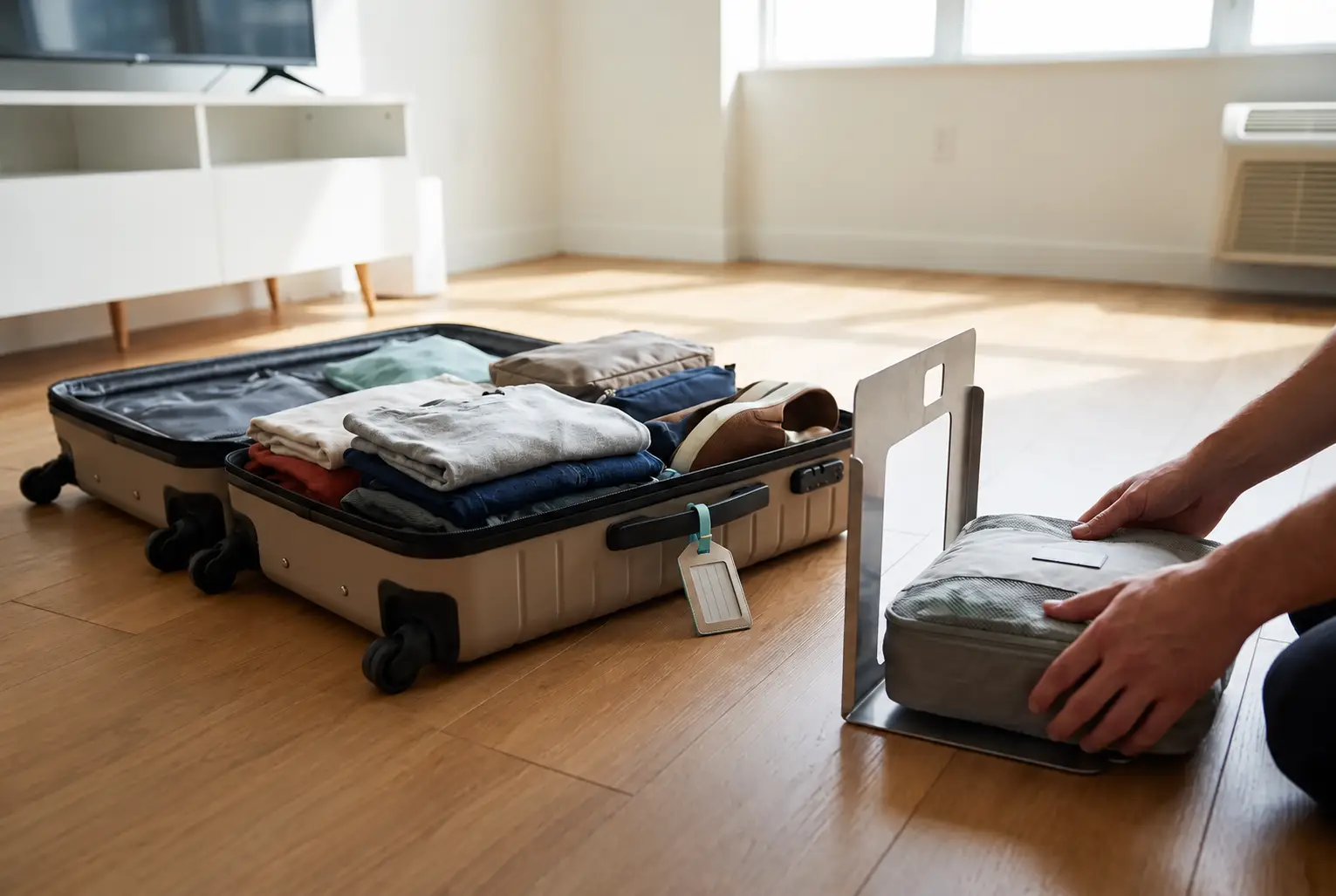
The rolling method is one of the most talked-about packing techniques for good reason. Rolling your clothes instead of flat folding them can save up to 30% more space inside your carry-on, and it works especially well for casual items like t-shirts, jeans, and lightweight pants. The technique is simple: lay each garment flat, fold in the sleeves or sides, then roll tightly from the bottom up. Rolled clothes also tend to wrinkle less than folded ones because there are fewer sharp creases. Stack your rolls vertically inside your bag so you can see everything at a glance without digging to the bottom.
2. Use Vacuum Compression Bags for Bulky Items
Sweaters, hoodies, and thick jeans are the usual suspects that blow up a carry-on before you even get to your shoes. Vacuum compression bags solve this problem by removing the excess air trapped in fabric, shrinking bulky clothing bundles down to a fraction of their original size. You can fit a full hoodie and two sweaters into a space that would normally hold just one. The good news is that these bags pass through TSA security without any issues, and they are reusable across multiple trips. At Essential for Travel, we carry vacuum compression bags designed specifically for carry-on travel, so you are not overpaying for a product that is built for checked luggage.
3. Treat Your Personal Item as a Second Carry-On
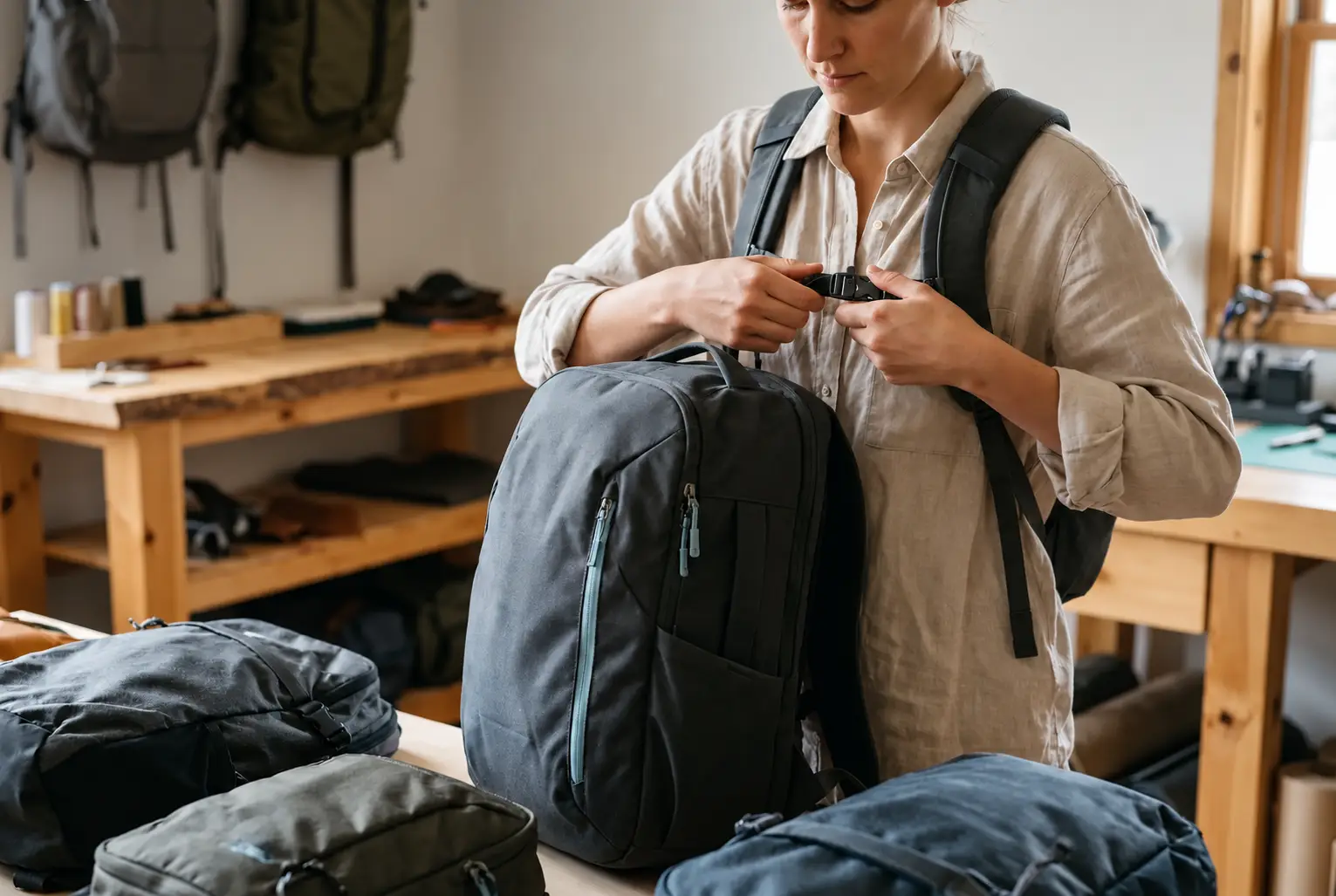
Most airlines allow one carry-on bag plus one personal item, and most travelers waste that personal item slot on a bulky tote or a bag that holds almost nothing useful. A compact backpack or a chest bag used as your personal item can carry your laptop, charging cables, travel documents, snacks, and your 3-1-1 liquids bag. That frees up the entire main carry-on for clothing and larger items. A chest bag in particular keeps your essentials within reach during the flight without digging through an overhead bin repeatedly.
4. Pack a Collapsible Water Bottle
A collapsible water bottle is one of those small additions that quietly makes your whole airport experience better. When empty, it rolls or folds down to nearly nothing and takes up almost zero space in your bag. It passes through TSA security without any issue since the rule only applies to liquids, not empty containers. Once you clear the checkpoint, fill it up at any airport water fountain and skip the overpriced bottles that cost $6 or more past security. It is a simple swap that saves money on every single trip.
5. Lay Everything Out, Then Remove One-Third
Before you zip anything up, lay every item you plan to pack flat on your bed. Look at the full pile honestly. Then put roughly one-third of it back in your closet. Most travelers packing for trips under seven days bring far more than they actually use, and the carry-on size limit is actually a helpful forcing function that makes you edit ruthlessly. Ask yourself whether each item serves more than one purpose. A pair of dark jeans can work for a casual dinner and a day of sightseeing. One versatile jacket beats three that each do one thing. The travelers who are best at carry-on only travel are not minimalists by nature; they have just learned that the editing process happens before the trip, not at the gate.
The Real Cost of Checking a Bag (And Why Carry-On Only Saves Money)
Let’s be honest: the real reason carry-on only travel has become so popular isn’t just convenience. It’s money. Checked baggage fees have quietly become one of the biggest hidden costs of flying, and if you’re not paying attention, they can add a significant chunk to what you thought was a budget-friendly trip.
Here’s what the numbers look like in practice. Legacy carriers like Delta and United currently charge around $35 to $40 for a first checked bag on domestic flights, while some routes and fare classes push that figure higher. Budget carriers can actually cost you more depending on the fare tier you book, since their base fares are built around baggage fees as a separate revenue stream. When you add it up round-trip, one checked bag can easily cost you $70 to $150 or more before you’ve even left the airport. Now multiply that by a family of four, and you’re looking at $280 to $600 in bag fees alone for a single vacation. That’s a flight. That’s a hotel night. That’s money that could stay in your pocket.
The financial savings are compelling, but carry-on only travel pays you back in other ways too. Skipping baggage claim alone saves you anywhere from 20 to 45 minutes at a busy airport, time you could spend getting to your hotel, grabbing a meal, or simply not standing at a carousel watching strangers’ bags go by. There’s also the very real risk of lost or delayed luggage. The U.S. Department of Transportation tracks mishandled baggage reports every month, and those numbers are a good reminder that handing your bag over at check-in is never a guarantee you’ll see it on the other side. Traveling carry-on only means your bag stays with you, always.
If you have TSA PreCheck, the carry-on experience gets even smoother. New enrollment costs $76.75 for five years through IDEMIA or $79.95 through CLEAR. With PreCheck, you won’t need to remove your shoes, belt, light jacket, laptop, or your 3-1-1 liquids bag at the checkpoint. That’s a faster, less chaotic screening process that makes carry-on only travel feel effortless rather than stressful.
The one-time investment in the right carry-on gear, such as vacuum compression bags, TSA-compliant toiletry bottles, and a properly sized carry-on bag, typically runs $50 to $100 total. Compare that to $70 or more every single trip in bag fees, and your gear pays for itself on the very first flight. Everything after that is pure savings.
TSA PreCheck and REAL ID: What Carry-On Travelers Need to Know in 2026
If you’ve gotten your bag packed and your liquids sorted, there’s one more layer to the airport security picture that can genuinely change how smooth your checkpoint experience feels: TSA PreCheck. And if you’re not already enrolled, 2026 is a great time to look into it.
Here’s the biggest practical benefit for carry-on travelers: PreCheck members don’t have to remove shoes, belts, light jackets, laptops, or 3-1-1 compliant liquids from their bags at the checkpoint. That means less unpacking, less repacking, and a much lower chance of accidentally leaving your laptop on the conveyor belt while you’re rushing to grab your shoes. For anyone managing a full carry-on plus a personal item, that alone makes the process noticeably less chaotic.
Enrollment is straightforward and costs less than most checked bag fees over a year of flying. Through TSA Enrollment by IDEMIA, new enrollment runs $76.75 for five years. Through CLEAR, it’s $79.95 for five years, and CLEAR has recently made the process even easier by offering enrollment without an appointment, so you can pre-enroll online and finish registration at any participating CLEAR location. Either way, you’re looking at well under $20 per year for a program accepted at 200+ U.S. airports and by 90+ airlines, which covers the vast majority of domestic travel scenarios.
If you’re a veteran with a qualifying severe service-connected disability, there’s an important benefit worth knowing about. Under the VETS Safe Travel Act, eligible veterans can enroll in TSA PreCheck completely free. Eligibility requires enrollment in VA health care and a qualifying disability such as limb loss, paralysis, or permanent blindness. You can find the full details and download a fee waiver letter directly through VA.gov.
One thing to keep separate in your mind is REAL ID compliance. As of May 7, 2025, REAL ID enforcement is fully in effect, meaning you now need a REAL ID-compliant driver’s license, a U.S. passport, or another TSA-accepted form of identification to get through security for any domestic flight. Having a perfectly packed, TSA-friendly carry-on doesn’t substitute for proper ID at the checkpoint. Check your license for the star marking in the upper corner; if it’s not there, a passport will work in its place.
Looking ahead, the TSA is also rolling out Digital ID and Touchless ID technologies at select airports, both designed to speed up identity verification using biometric data instead of physical documents. PreCheck members are positioned to benefit most from these upgrades as they expand, making enrollment an investment that gets more valuable over time rather than less.
Final Thoughts: Build a Carry-On Setup That Always Clears Security
You’ve covered the rules, the gear, and the strategy. Now it’s time to put it all together. Before your next trip, run through this quick compliance checklist: measure your bag against your specific airline’s carry-on dimensions, pack your liquids into containers that are 3.4 ounces or smaller inside a single quart-sized clear bag following the TSA’s 3-1-1 liquids rule, and use the TSA’s “What Can I Bring?” tool to verify anything you’re unsure about before you zip up.
The right gear genuinely removes the stress from this process. TSA-compliant toiletry bottles, vacuum compression bags, a properly sized carry-on, and a compact personal item bag work together as a complete system that makes carry-on-only travel feel easy and repeatable.
Your actionable next steps are simple: measure your current bag today, audit your toiletries against the 3-1-1 rule, and swap out any full-size containers before your next departure.
Ready to upgrade your setup? Essential For Travel has everything you need, including airline-approved 4-in-1 bottles, vacuum compression bags, collapsible water bottles, carry-on luggage, backpacks, and chest bags, all built to help you travel smarter and clear security without the second-guessing.