
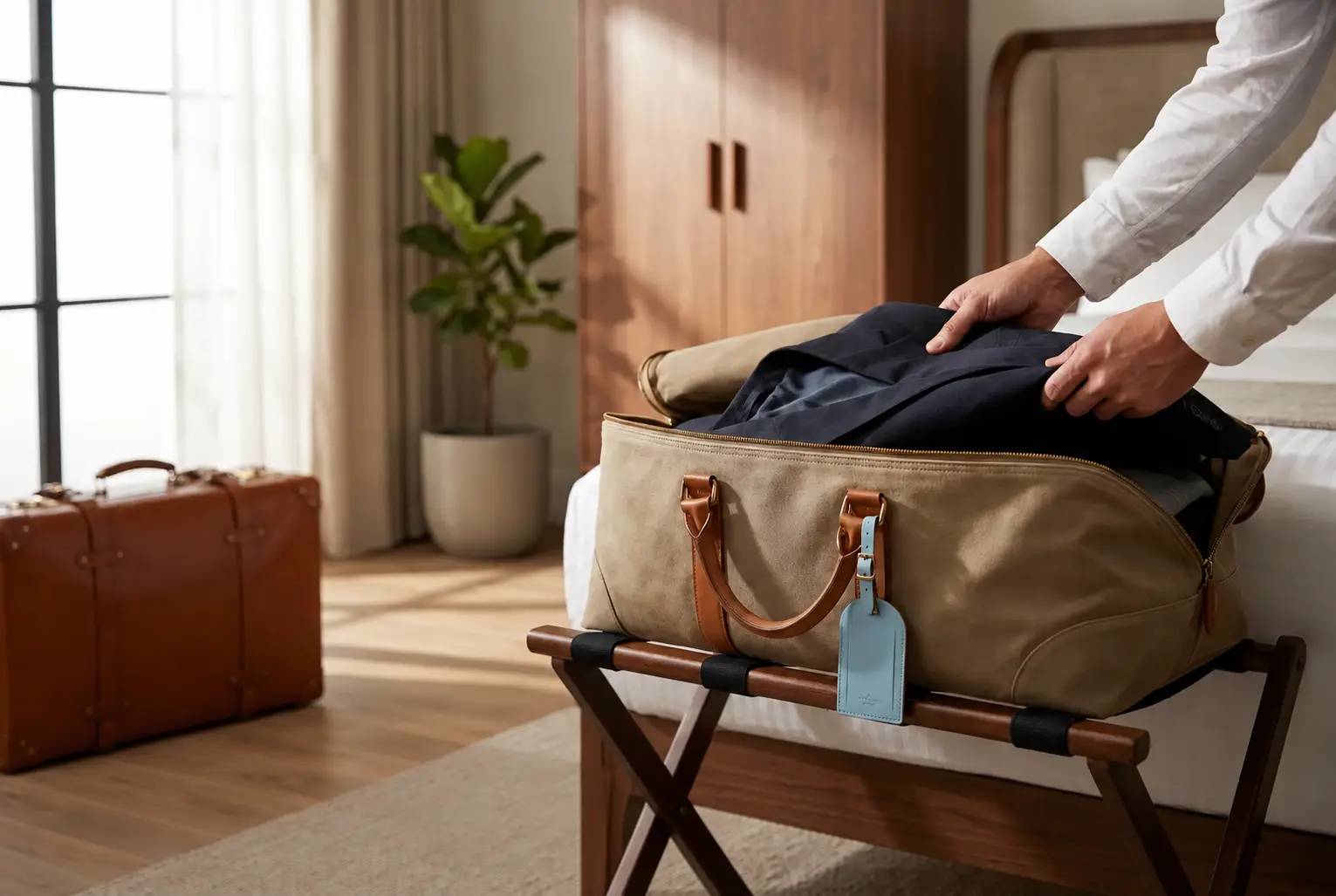
By Garry Barnes | Published
Editorially reviewed . Check the linked official sources for current travel requirements.
Use a garment bag when your trip calls for suits, dresses or other formal clothing that needs careful packing. Choose a regular suitcase or duffel when casual clothing and easy access matter more, and check your airline’s allowance before treating a garment bag as a carry-on.
You arrive at the rehearsal dinner, unzip your bag, and the suit inside looks like you slept in it on the flight. That moment explains why travelers either swear by garment bags or swear them off.
Garment bags for travel aren’t a luxury flex. They’re a functional tool for a specific kind of trip. Most people either overuse them (hauling one on a casual long weekend) or underuse them (stuffing a tuxedo into a duffel and hoping). This guide gives you a clear decision test, carry-on and screening basics, a step-by-step packing sequence, fabric-specific techniques, and a pre-flight checklist.
A garment bag makes sense when looking pressed on arrival is a requirement, not a preference. Not “I’d like my suit to look good,” but “I can’t walk into this room with a creased jacket.”
Trips that typically meet that bar:
The trade-off is space. A garment bag uses carry-on allowance that could otherwise hold a few days of casual clothing, so the itinerary has to justify it.
Most trips don’t need one. Skip the garment bag for:
For mixed casual trips, a dedicated wet bag for damp or sweaty gear will usually do more for your clean clothes than a garment bag.
If formalwear is only a small part of your packing list, compare wheels, interior space, and access in our carry-on luggage buying guide before adding a separate garment bag.
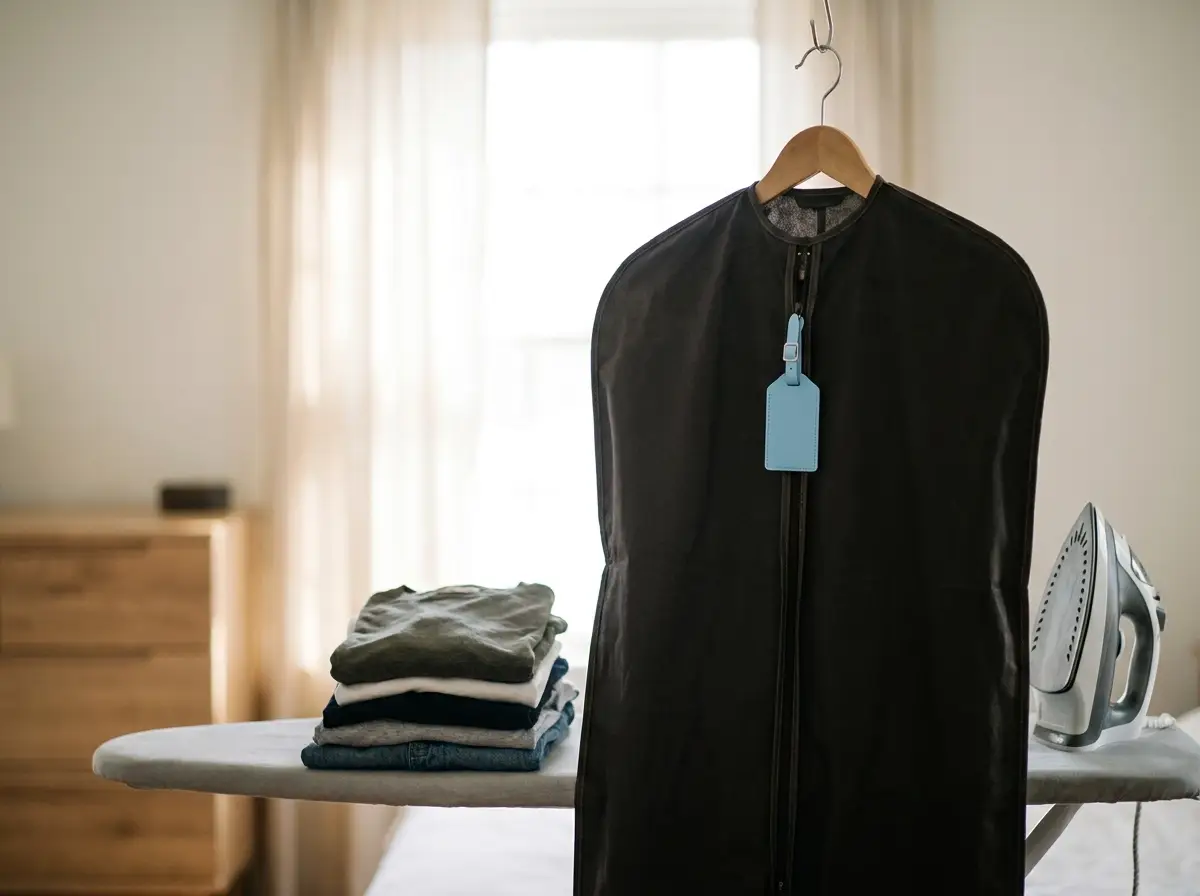
The alternatives aren’t useless; they’re limited in specific ways.
| Option | Works well for | Limitations |
|---|---|---|
| Hotel pressing | One garment, relaxed schedule | Availability, hours, and cost vary; many smaller properties don’t offer it |
| Travel steamer | Light wrinkles | Adds weight; refreshes fabric but can’t rebuild crushed jacket shoulders |
| Wrinkle-release spray | Finishing touch on shirts | Limited effect on deep, pressure-set creases |
| Suitcase garment section | One blazer, short trip | Shared space and compression with other items |
| Shipping ahead | Gowns, high-stakes weddings | Cost and delivery coordination; delays are possible |
When you’re carrying more than one structured garment across several days, a well-packed garment bag is usually the most predictable option. If you’re comparing carry-on luggage with built-in hanging sections, read the specs carefully before assuming the garment area offers real protection.
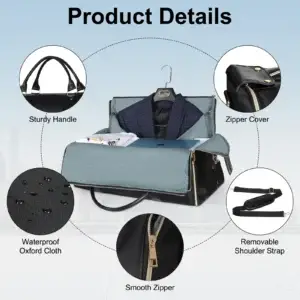
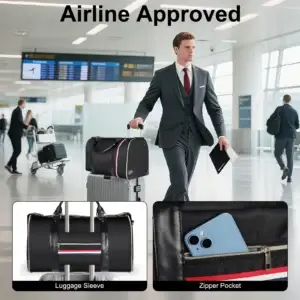
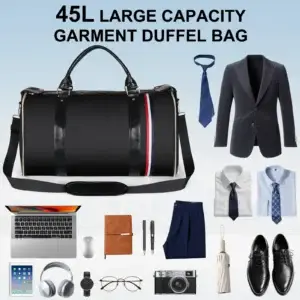
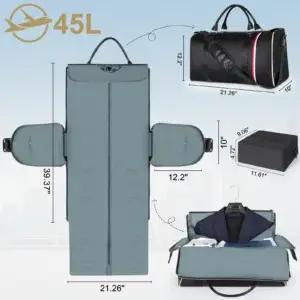
Many fold-over garment bags are designed to fit typical overhead bins when folded, but there’s no universal size. Each airline sets its own carry-on limits, regional aircraft often have smaller bins, and basic economy fares may not include a full-size carry-on at all. Check your carrier’s current policy for the exact fare you booked.
Don’t assume a garment bag counts as a personal item. Most full-size garment bags are carry-on sized, which means they use your main carry-on allowance rather than your under-seat item.
A garment bag goes through the X-ray like any other bag. Dense or metal items such as shoe horns, collar stays, cufflinks, and belt buckles can prompt a closer look, so keep them together in an outer pocket for easy access.
Some airlines, particularly outside the U.S., publish carry-on weight limits. A loaded formalwear bag gets heavy quickly, so weigh it at home if your carrier lists a limit.
Start with each garment’s care label and the bag’s loading instructions. Fiber names alone do not determine how a lined jacket, embellished gown, or blended fabric should be packed or refreshed. Ask the garment maker or cleaner when you are unsure.
A garment bag can help organize formal clothing, but it does not guarantee wrinkle-free arrival. Check care instructions before using steam, heat, sprays, or dryer sheets.
Plan around the event date and where you can unpack your outfit. Check each operating airline’s garment-bag allowance, keep essential outfit pieces accessible during transfers, and follow the fabric’s care label when removing creases. Leave room in the bag so clothing is not tightly compressed.
Keep the main compartment for garments only:
Bring both only when your operating airline and fare allow the number and size of bags. A garment bag does not automatically qualify as an extra free item. If you have one carry-on allowance, compare a suitcase with a garment section or a convertible garment-duffel that holds your full packing list within the permitted dimensions.
Use handles, straps, or a trolley sleeve only as the bag’s instructions permit. Follow crew directions for cabin storage; an onboard closet or space to lay the bag flat may be unavailable. Prepare for gate checking by keeping documents, medication, valuables, power banks, and spare lithium batteries accessible in another allowed bag.
For casual clothing and a simpler main compartment, see our travel duffel buying guide.
Not every trip needs a garment carrier. Compare these three Essential For Travel options by the clothing you need to protect, how you organize footwear, and the amount of separate storage you prefer. Prices shown are listed starting prices and may vary by selection.
| Product | Best use | Key features | Listed price |
|---|---|---|---|
| Convertible Garment Bag for Suits & Dresses – 49L | Weddings, business trips, and formalwear | Opens flat as a garment carrier; converts into a 49L duffel; separate shoe storage | From $44.99 |
| Foldable Weekender Duffel Bag | Casual weekend trips and gym visits | Foldable design, shoe compartment, and wet/dry storage | From $41.99 |
| 2-Piece Travel Duffel Bag Set | Short trips requiring separate accessory storage | Main nylon duffel with shoe compartment plus a smaller zippered bag | From $56.99 |
Choose the convertible garment bag when your priority is carrying structured formal clothing in a dedicated garment section. It can reduce the need to fold clothes into an ordinary duffel, but wrinkle-free arrival is not guaranteed.
The foldable weekender is the more practical choice for casual clothing, shoes, and damp items. The two-piece set is worth comparing when you want a separate smaller bag for toiletries or accessories.
Before buying: Check each product’s current price, dimensions, and variant, then compare the fully packed bag with your airline’s baggage policy. None of these bags is automatically accepted as an extra carry-on.
If formalwear is necessary and suitable pressing is unavailable, compare the garment bag’s usable space with your clothing. If the trip does not require dedicated garment storage, compare a simpler bag instead.
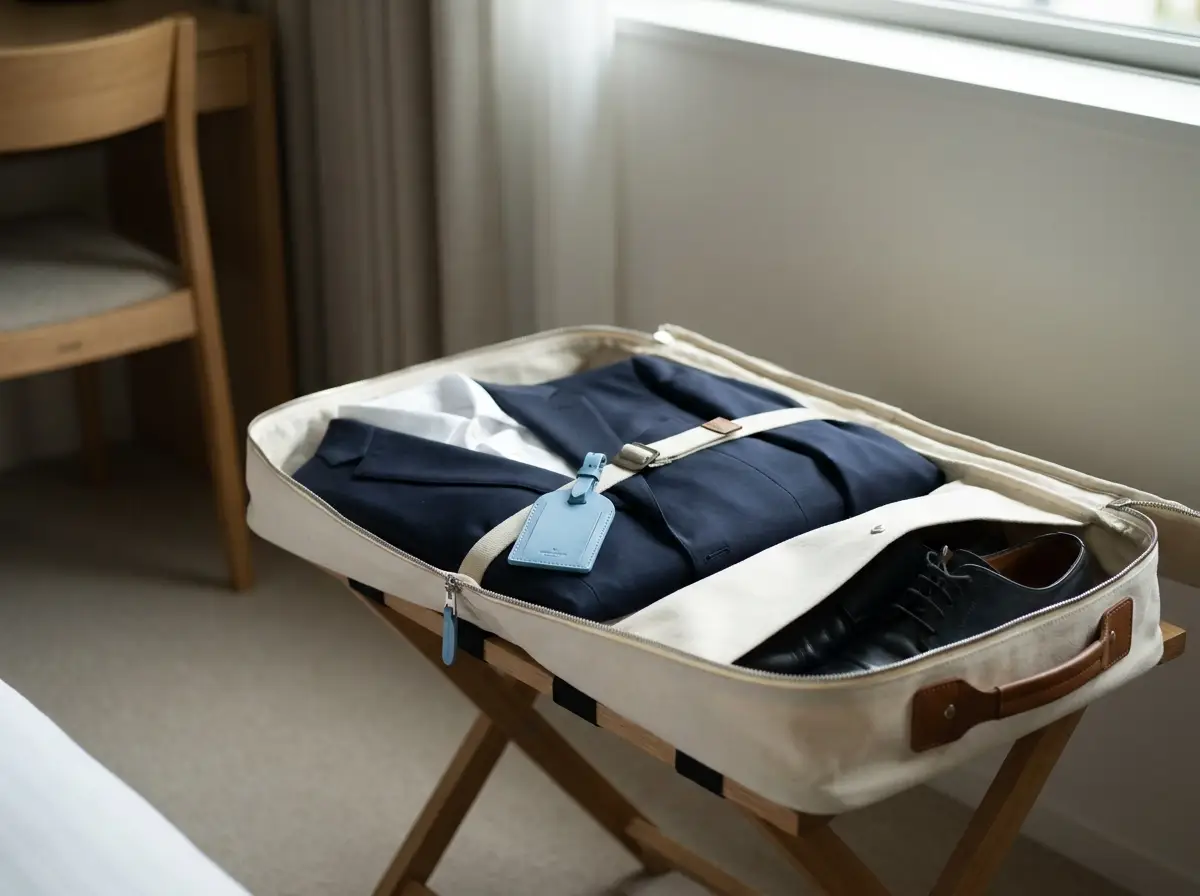
Next step: run the five questions, then check your airline’s allowance. For travelers who need a dependable solution designed for formal travel, compare the Garment Bag for Suits and Dresses with your airline’s current carry-on allowance before departure.
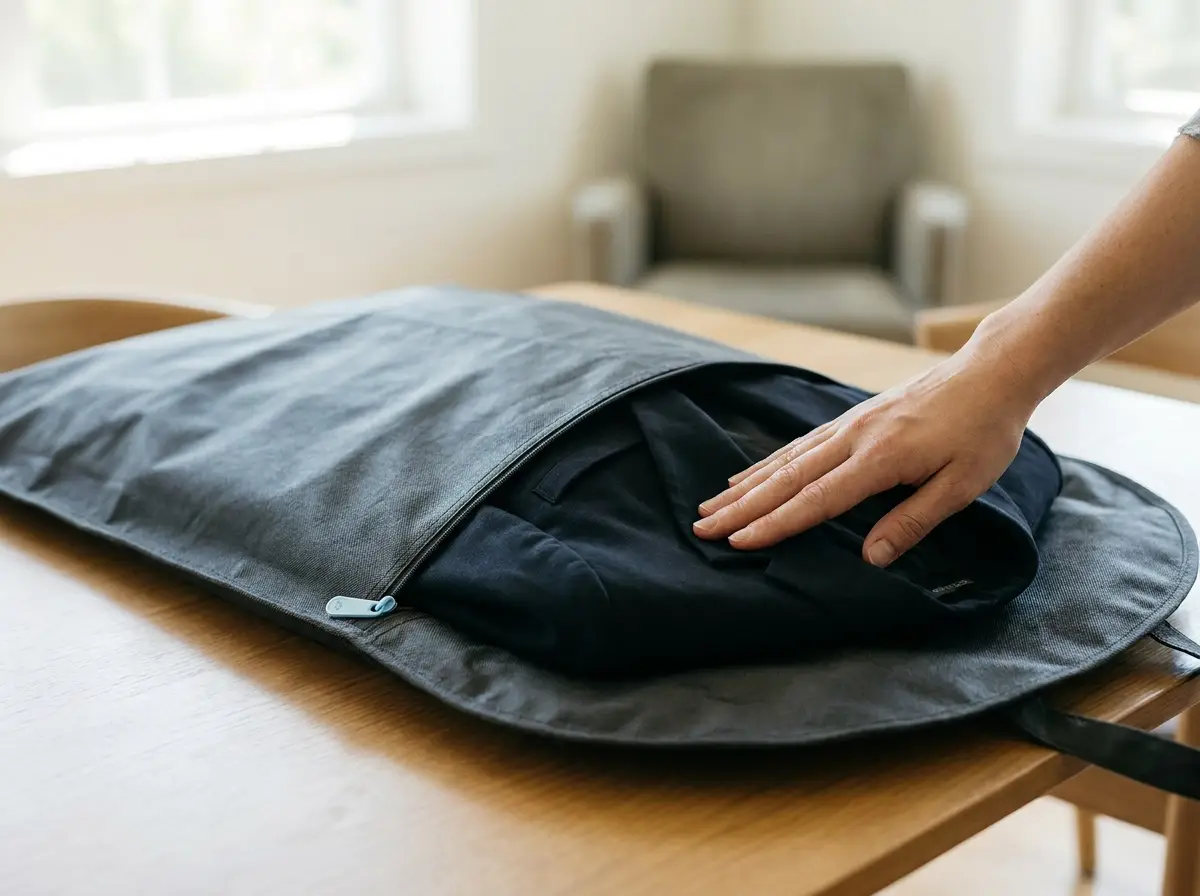
Built for frequent formal travelers who carry suits and dresses.
Use one when suits, dresses, or other formal garments need dedicated space and careful folding. Compare its packed size with the rest of your luggage. No bag guarantees wrinkle-free arrival.
Check the operating airline’s rules for your fare and the bag’s fully packed, folded dimensions. Do not assume a garment bag is an extra free item or that an onboard closet will be available.
Follow the bag’s loading instructions, secure clothing with the intended hangers or straps, and keep shoes and toiletries separate. Avoid folds across structured areas where practical, and remove items if the zipper needs force.
Follow each garment’s care label and any instructions from its maker or cleaner. Fabric blends, finishes, linings, and embellishments affect care. Confirm a suitable pressing service before relying on it for an event.
It combines a garment section with a duffel-style carrying format. Compare the usable garment length, folded dimensions, closure, and access to other items. Conversion does not guarantee airline acceptance.
Remove documents, medication, valuables, power banks, and spare lithium batteries as appropriate, and follow airline instructions. Prepare another allowed bag to hold essential items if cabin storage is unavailable.
Airline baggage rules depend on your ticket and operating carrier; measure the garment bag after packing and folding it. Check your operating airline’s own policy, such as Delta’s carry-on baggage guidance, for bag count, size, and cabin-storage restrictions. Use the FAA battery guidance when preparing for gate checking. For a different packing format, compare our travel duffel guide.
For formal clothing, start with the garment carrier. For casual trips, compare the duffel; use packing cubes to organize everyday clothes in a separate suitcase.