
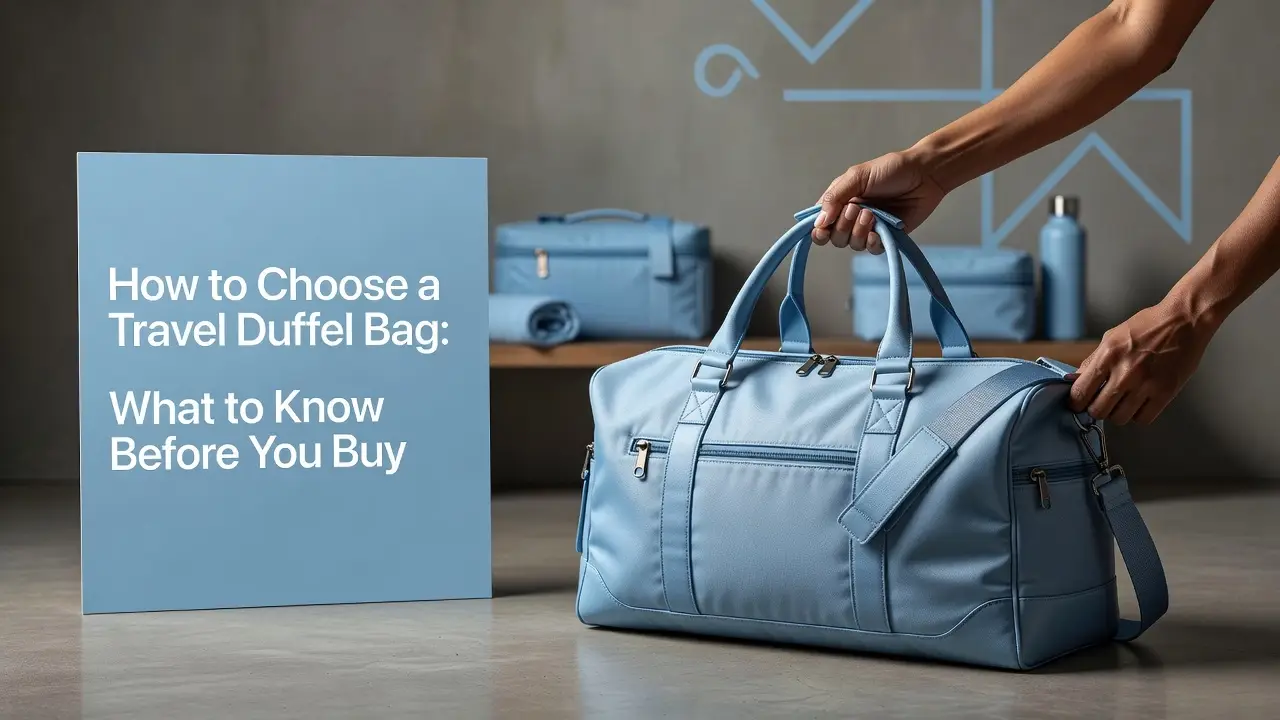
By Garry Barnes | Published
Editorially reviewed . Check the linked official sources for current travel requirements.
Choose a duffel that fits your packing list and is comfortable to carry when loaded. Compare its packed dimensions, empty weight, shoulder strap, closures, and organization. A flexible bag still needs to meet your airline’s allowance; compressing the fabric does not guarantee acceptance.
A travel duffel bag offers a flexible main compartment and several possible carrying styles. Whether it suits your trip depends on its packed dimensions, weight, layout and how far you need to carry it. Compare those details rather than assuming that a particular capacity or material makes a bag suitable for every flight.
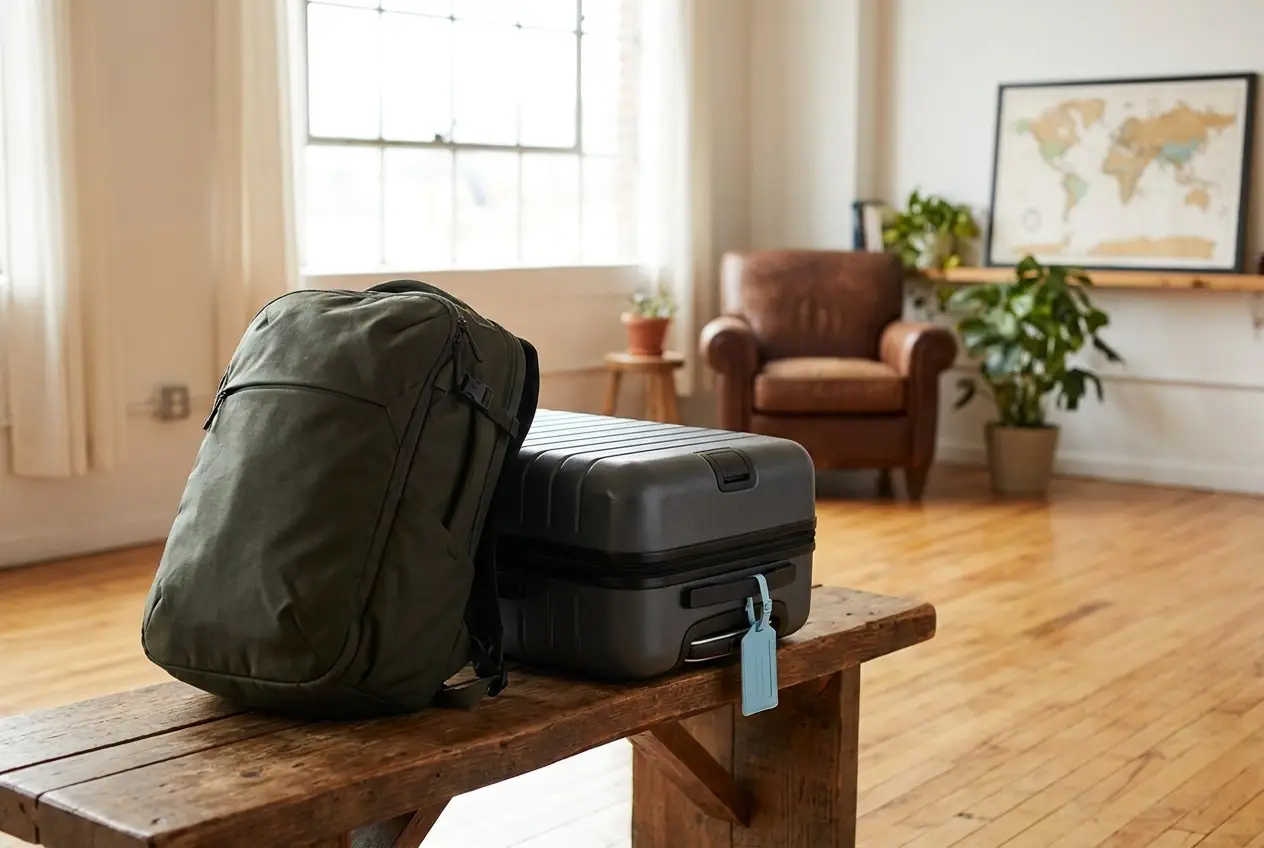
Test the loaded duffel against the walking and stairs between transport stops and your accommodation. Measure it fully packed, including bulging pockets, and check each flight’s allowance. If carrying it feels uncomfortable, use our travel backpack fit guide to compare a hands-free option, or review our carry-on luggage guide for wheeled alternatives.
Before buying, try carrying a similar load using the handles or shoulder strap. Check strap adjustment, handle comfort and whether the bag can be set down securely. Wheels and a frame change both weight and shape, so include them in the comparison.
A volume such as 35L or 45L describes capacity, not an airline’s acceptance of the bag. Two bags with similar capacity can have different shapes. A soft bag can also bulge when packed, making its exterior dimensions larger than expected.
Read the current baggage policy for your airline, fare and itinerary. Check the permitted number of bags, each bag’s size, any weight limit and any applicable fee. The allowance for a personal item can differ from the allowance for an overhead carry-on.
Use the airline’s own guidance, such as Delta’s carry-on baggage page, for that airline’s requirements. Do not apply one carrier’s dimensions to every airline. Measure your bag after packing, including projecting parts, and leave space to close it without forcing the zipper.
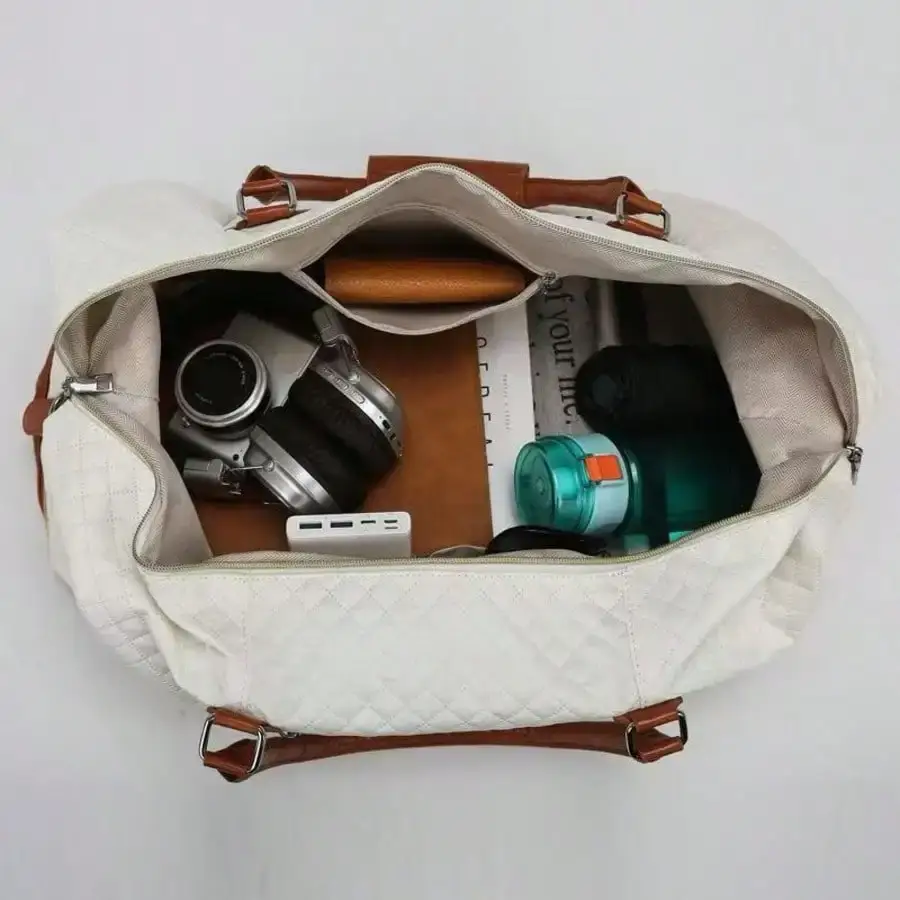
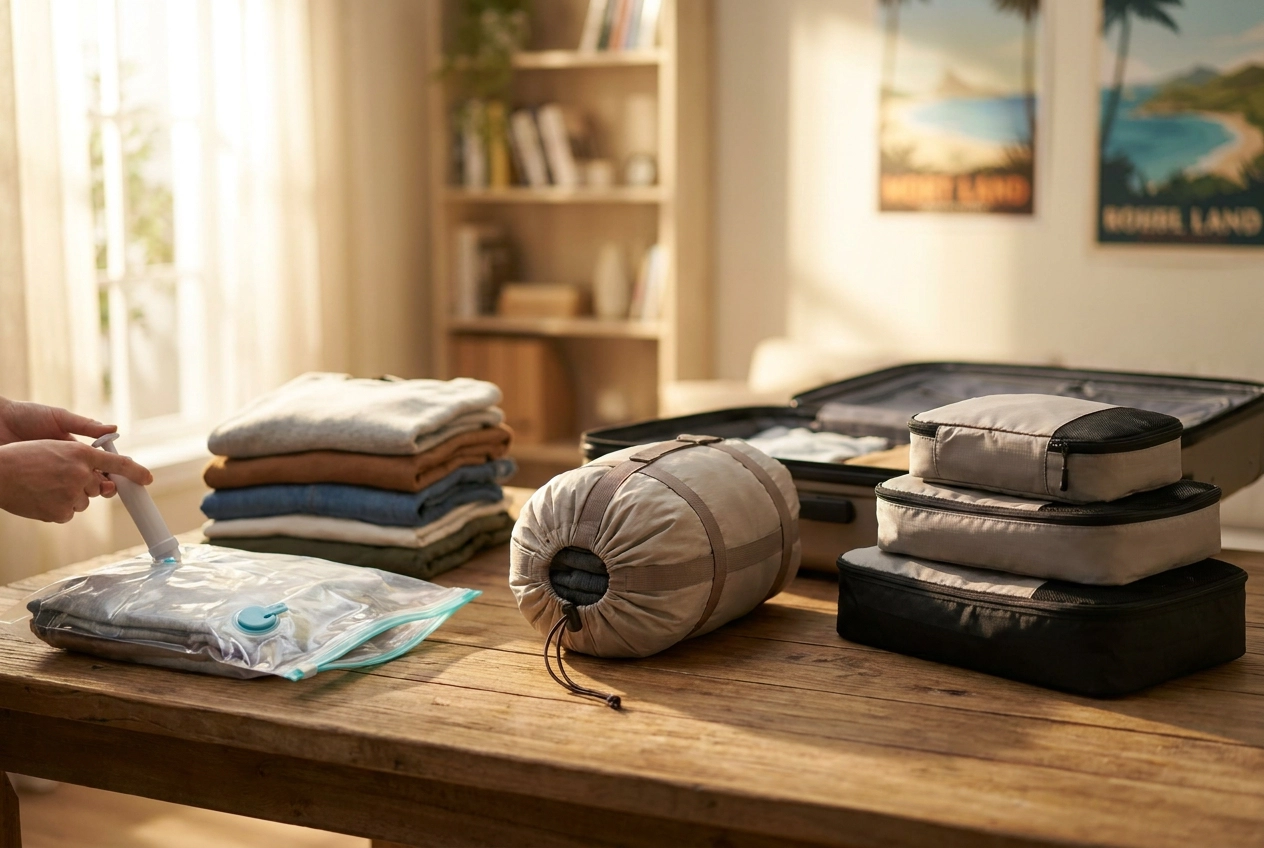
Lay out the items you need before filling the bag. Group clothing using suitable cubes or pouches, and choose a folding or rolling method that suits the garments. For a more organized setup, compare our travel organizer storage bags for separating clothing and smaller essentials. Neither folding nor rolling guarantees wrinkle-free clothing.
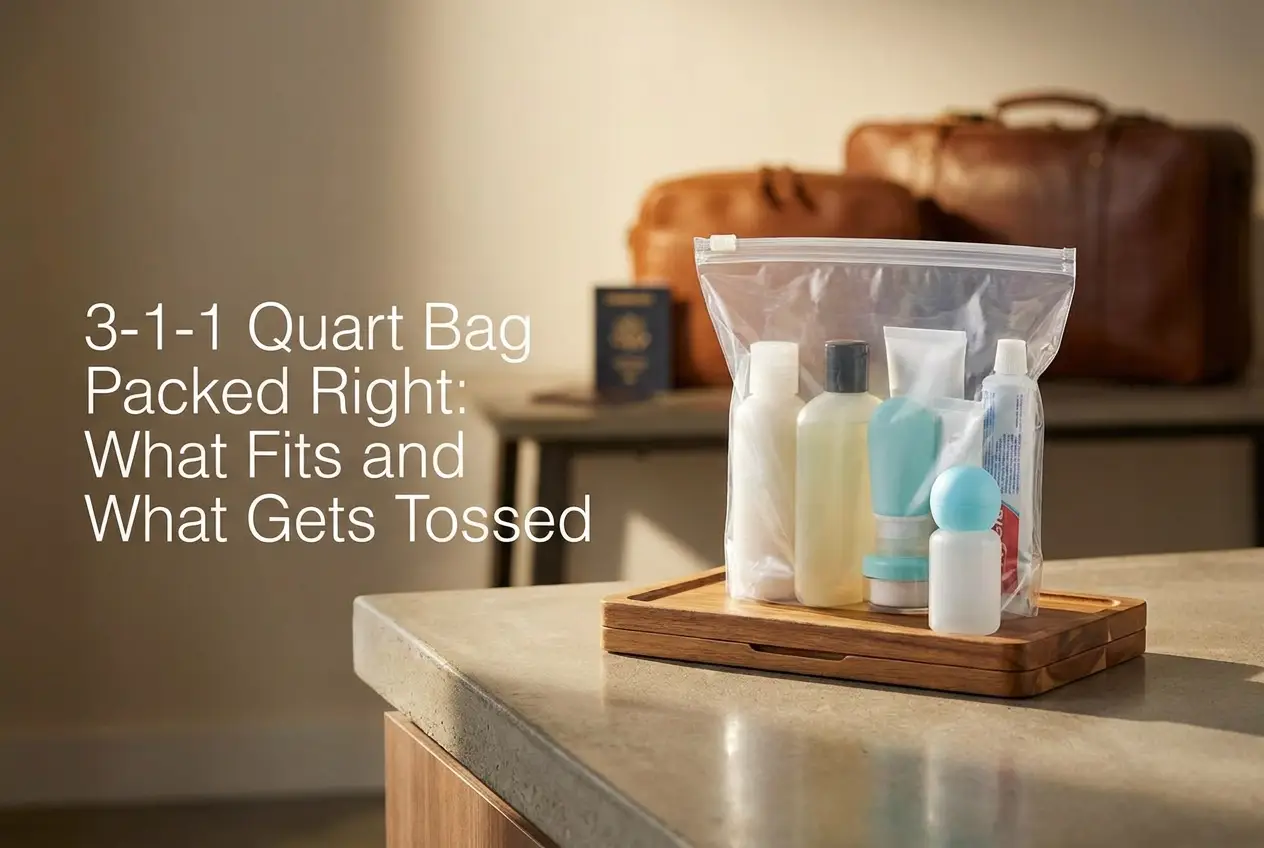
Distribute the load so it is comfortable to carry, protect fragile items appropriately and avoid crushing electronics beneath heavy equipment. Keep toiletries contained separately. Store travel documents and items you need during transit where you can access them without emptying the bag.
Compression products may help reduce clothing bulk, but the result depends on the product and contents. They add weight of their own and do not guarantee that the bag will qualify for carry-on travel or avoid fees. Follow their filling and storage instructions.
Keep your bag within sight where practical and close pockets after use. A lock or concealed pocket does not make a bag theft-proof. If you prefer an extra layer of organization for travel documents and valuables, a RFID family passport holder can keep passports and cards together. A tracker is optional and cannot guarantee that an item will be located or recovered.
Pack power banks and spare lithium batteries in carry-on baggage, protect them against damage and short circuits, and check the airline’s battery limits. If your duffel is checked at the gate, remove those items. Consult the FAA’s battery guidance for details.
| Trip type | What to prioritize | What to check before buying | Product to compare |
|---|---|---|---|
| Weekend trip | Low weight and simple access | Packed dimensions, shoulder strap comfort and one easy-access pocket | Weekender Foldable Duffel Bag |
| Carry-on flight | Airline fit and controlled shape | Measure after packing and confirm your airline’s current size and weight limits | Travel Duffle Bag |
| Road trip | Flexible capacity | Wide opening, durable handles and easy loading into a vehicle | 2-Piece Travel Duffle Bag Set |
| Business trip | Organization and clothing protection | Dedicated areas for shoes, toiletries, electronics and hanging garments if needed | 2-in-1 Garment Bag |
Reject the bag if it bulges beyond your limit, becomes uncomfortable when loaded, or adds pockets and weight without improving how you actually pack.
| Product | Best for | Main advantage | Choose it when… |
|---|---|---|---|
| Weekender Foldable Duffel Bag | Short trips and backup-bag use | Lower-bulk format that can be easier to store when not in use | You want a simple weekender or an extra bag for the return trip. |
| Travel Duffle Bag | General carry-on or weekend travel | Balanced everyday layout | You want one primary duffel and do not need a garment-specific design. |
| 2-Piece Travel Duffle Bag Set | Road trips, family packing, or split organization | Two-bag flexibility | You want to separate clothing, shoes, toiletries, or another traveler’s items. |
| 2-in-1 Garment Bag | Business trips and formal clothing | Garment-focused packing plus duffel-style storage | Your priority is keeping suits, dresses, or other wrinkle-sensitive clothing more organized. |
Check the bag in real conditions: Pack the clothing, shoes, toiletries, and electronics you actually intend to bring, then measure the duffel at its widest points, including bulging pockets. Carry it for a few minutes using both the handles and shoulder strap. Notice whether the strap slips, the bag swings against your legs, or the opening becomes difficult to use when full. A bag that looks compact when empty may be awkward once packed.
Compare total travel cost: A lower purchase price is not automatically the better value if the packed bag exceeds your airline’s allowance. Check the operating airline’s current baggage policy for each flight segment, including any regional aircraft or basic-economy restrictions. Keep a little room for items you may need during the journey rather than packing every compartment tightly.
Write down each bag’s listed exterior dimensions, empty weight if available, carrying options, and usable compartments. Add your expected load and compare the total setup with your route, budget, and baggage allowance. If a key measurement is missing, ask a product question before ordering. Listed dimensions help you shortlist; measure again after packing.
Quick packing checklist: Center heavier items, group clothing with pouches, isolate toiletries, keep transit essentials accessible, and measure the bag again when fully packed.
Before: a traveler plans to pack three days of clothing, one pair of shoes, toiletries, a small electronics pouch, and a light jacket into one bag. The first choice is a larger duffel with more compartments, but it feels bulky once loaded and is harder to carry comfortably.
Decision: remove duplicate clothing, place shoes near the bottom and center, group clothing in one packing cube, keep toiletries separate, and put documents, medication, and charging gear near the opening. After repacking, compare the loaded size and carrying comfort of the Weekender Foldable Duffel Bag with the Travel Duffle Bag.
Outcome: choose the smaller option if it fits the complete packing list without bulging and remains comfortable to carry. Choose the larger option only if the extra space or compartments solve a real need.
If a check fails, repack or compare a different bag. Before flying, check both the outbound and return flight allowances, particularly when different airlines operate the flights. For a broader comparison of luggage styles, read our carry-on luggage buying guide. For the security screening rules that apply to packed items, consult the TSA What Can I Bring? directory. Keep travel documents, medication, valuables, and spare lithium batteries accessible if your carry-on is gate-checked; follow the airline’s instructions for transferring items to a permitted personal bag.
Compare a garment-duffel design when formal clothing needs dedicated space. Check usable garment length, folded dimensions, and storage for the rest of your packing list. Our garment bag packing guide explains when that format is useful.
Keep documents, medication, valuables, power banks, and spare lithium batteries accessible so you can remove them as appropriate. Follow airline instructions and keep a permitted smaller bag available for essentials.
Yes, if the packed exterior dimensions and weight fit the rules for your specific airline and fare. Measure the bag after packing because soft-sided duffels can expand beyond their listed dimensions.
It depends on the trip. Duffels can be flexible and easy to load, while wheeled suitcases can be easier to move through long terminals. Compare carrying comfort, organization and your route.
Keep documents, toiletries you may need during transit, a light layer and other frequently used items near the opening. Heavy items are usually easier to carry when kept close to the center of the bag.
Use packing cubes or pouches to separate clothing, toiletries and electronics. A simple category system makes it easier to find items without unpacking the entire bag.
Compare these duffel and travel-bag options by dimensions, compartments, and carrying style.