
If you are booking an all-inclusive week in Montego Bay or Punta Cana, a State Department advisory can feel like a warning aimed directly at your trip. It usually is not. Those notices are written for broad national and regional conditions, often shaped by crime patterns in specific parishes, neighborhoods, and transport routes that most packaged-holiday travelers never encounter. That gap between advisory scope and resort reality is exactly where confusion begins, and it is why this analysis treats Caribbean resort travel as its own safety case.
Here, travel safety dominican republic and Jamaica advisories are not dismissed. They are read in context. You will learn what a State Department travel advisory actually measures, what Jamaica’s advisory covers and what it does not, and how to read the Dominican Republic’s advisory against the resort corridors U.S. travelers use. We will then locate where risk actually sits on a packaged resort trip, outline six decisions that genuinely change a Caribbean trip’s risk profile, highlight Dominican Republic travel essentials that earn their space, answer common questions, and close with the bottom line for your resort trip.
No. A country level advisory summarizes conditions across an entire nation, while a packaged traveler typically occupies a fenced, policed resort corridor the advisory text addresses only in passing. It is not a property rating. So the number you see describes a country, not a hotel.
The framework runs from Level 1 (exercise normal precautions) to Level 4 (do not travel). It is a national summary, not a property rating; countries sharing a level can differ entirely.
| Destination | Current level | Main State Department indicators |
|---|---|---|
| Jamaica | Level 2: Exercise Increased Caution | Crime and health; specific named areas carry Level 3 guidance |
| Dominican Republic | Level 2: Exercise Increased Caution | Crime; violent crime remains a concern nationwide |
Before traveling, compare the live advisory with your exact itinerary and review our guide to reading State Department travel advisories.
Ratings draw on crime data, homicide and violent crime trends, kidnapping and terrorism risk, civil unrest, health infrastructure, road safety and named internal geographic designations. Before departure, run The Ultimate International Travel Checklist for 2026 alongside the country page.
Thesis: advisories describe where residents live, work and commute, including named parishes, provinces and routes. One country level digit flattens that nuance.
January 2026 showed the pace: Jamaica’s advisory was revised over the Martin Luther King Jr. holiday weekend, reported Jan. 20, 2026, after sitting at Level 3 for serious risks to safety and security. A Jan. 13, 2026 report grouped Grenada, Haiti, Jamaica and Trinidad and Tobago in one warning cycle. The reported move to Level 2 is indicated by a URL slug, not confirmed in the paywalled body; verify the live level on travel.state.gov close to departure.
Meanwhile, 2026 guides ranking Caribbean countries as most and least dangerous, and trade headlines citing rapidly increased crimes, equate a national advisory level with personal trip risk. Treat these as framing examples, not evidence.
Jamaica is currently Level 2: Exercise Increased Caution due to crime and health risks. The State Department also identifies specific areas where travelers should reconsider travel, so the national Level 2 headline is only the starting point.
The current advisory names higher-risk areas in several parishes, including specific neighborhoods in St. James Parish, where Montego Bay is located, as well as areas in Kingston and St. Andrew and other parishes. That does not make an entire parish or every resort a Level 3 zone, but it does mean travelers should compare their exact hotel, transfer route, and excursion locations with the named areas on the official advisory.
Use the current Jamaica Travel Advisory before booking and again shortly before departure. Pay particular attention to the specific-area restrictions, health guidance, transportation advice, and the emergency contacts for U.S. Embassy Kingston and the U.S. Consular Agent in Montego Bay.
A resort itinerary may reduce some exposures, but it does not eliminate crime, health, transportation, water-safety, or excursion risks. Treat the advisory as location-specific planning information rather than either a blanket cancellation order or a reason to dismiss concerns.
Jamaica’s advisory was lowered to Level 2 in June 2025, while an authorized departure notice occurred in the same cycle. Levels can move within about a week, so a January article is poor for planning a trip months later. Recheck 7 to 10 days before departure.
A changing level should change behavior at the edges of the trip: transfers, excursions and night movement. It should not cancel a resort booking outright.
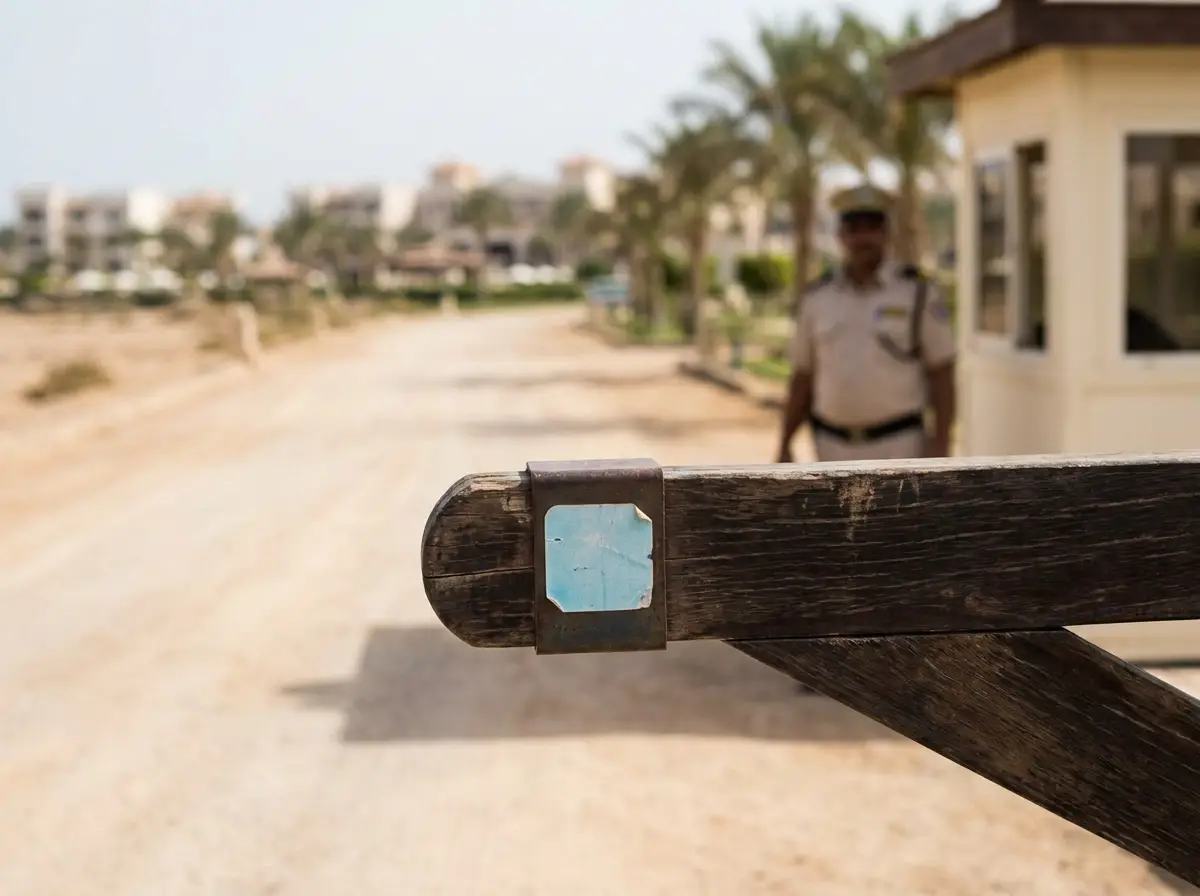
The Dominican Republic is currently Level 2: Exercise Increased Caution due to crime. The State Department says violent crime is a concern throughout the country, including robbery, homicide, and sexual assault, even though tourist areas generally have greater police presence.
Punta Cana, Bávaro, Cap Cana, Puerto Plata, and Samaná are major tourist zones, but the advisory does not exempt them from the national crime warning. Travelers should avoid displaying wealth, use reputable transportation, and be cautious about meeting people from online in secluded locations.
For current guidance, use the Dominican Republic Travel Advisory rather than third-party safety rankings. Also review entry requirements, including the required electronic entry/exit form, transportation guidance, and emergency contact information before departure.
The useful distinction is not “resort versus non-resort.” It is whether your exact transportation, nightlife, excursion, and lodging choices reduce or increase exposure to the risks named in the advisory.
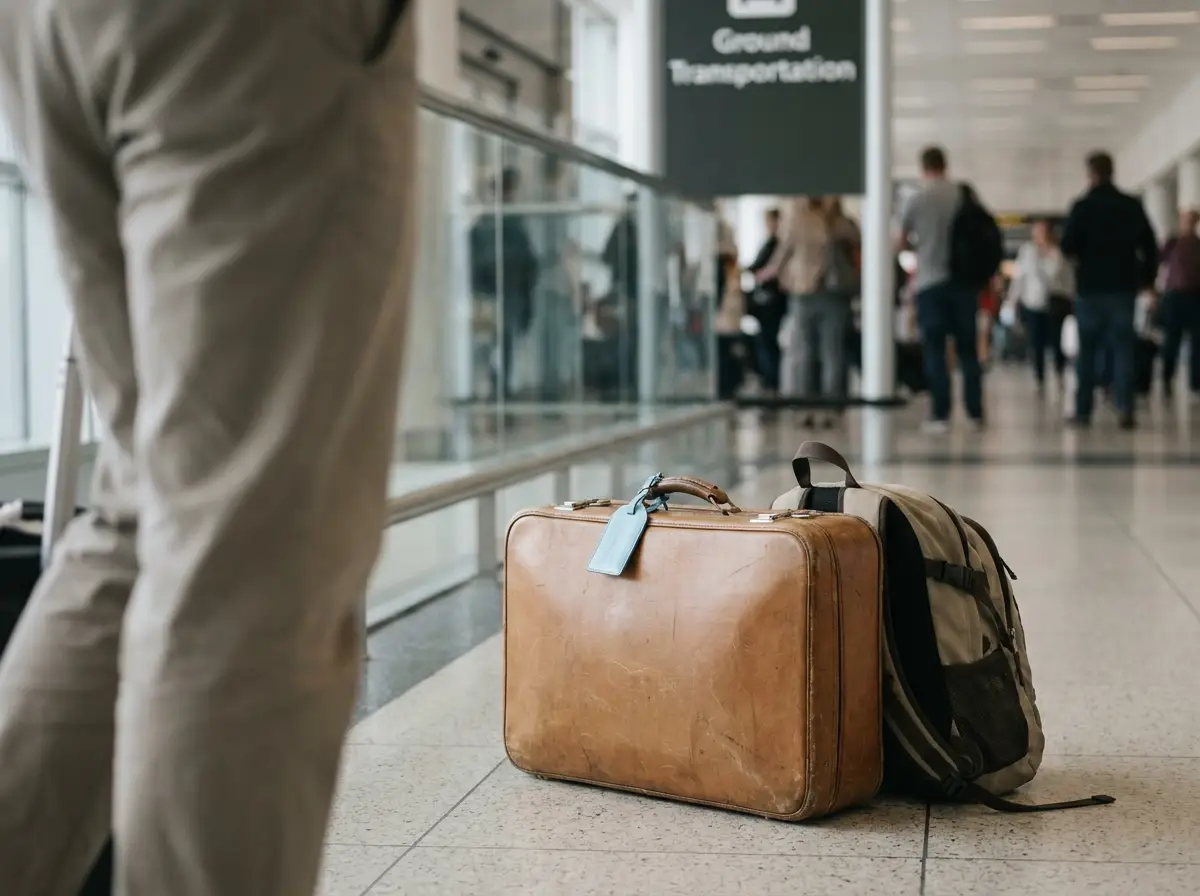
A packaged resort trip still includes several different risk environments: the airport, transfer vehicle, hotel or resort, beaches and pools, excursions, nightlife, and any independent travel off property. The safest planning approach is to evaluate each part separately instead of assuming one setting is automatically safe or unsafe.
Transfers: use transportation arranged by your hotel, resort, tour company, or another reputable licensed provider. Confirm the vehicle and driver before getting in, wear a seatbelt when available, and keep valuables with you.
Excursions: use established operators, confirm pickup and return details, and compare the route with any location-specific warnings in the current advisory. A reputable tour reduces uncertainty but does not eliminate risk.
Night movement: limit unnecessary travel in unfamiliar areas after dark, use reputable transportation, stay aware of your surroundings, and follow any destination-specific guidance from the State Department and your lodging provider.
The risks that actually ruin trips are unglamorous: alcohol volume, sun exposure, dehydration, unfamiliar food and water, and swimming where no lifeguard is posted. A water filter bottle handles one of these; judgment handles the rest.
Many U.S. health plans provide limited or no coverage abroad, and emergency evacuation from a Caribbean island can cost five figures. Confirm coverage and evacuation limits before departure, not after an incident.
Separate passports, cards, and backup identification so one loss does not end the trip. An international travel packing list should treat document redundancy as a category, not an afterthought.
The transitions we just mapped are where these six decisions pay off. None require canceling a trip, and all six take under an hour to plan.
Do not default to the cheapest ride at the curb. Arrival is the highest-friction hour of the trip: jet-lagged, carrying cash, surrounded by unsolicited drivers. This cuts the odds of an unlicensed, uninsured vehicle. It does not protect you from a reckless licensed driver, so check the seatbelts.
Book through the resort or a vetted operator, or skip it. A spontaneous beach-vendor purchase puts you inside the geography advisories describe, with no accountability. It does not make licensed tours risk-free, only traceable.
Set one hard rule for night movement off property and tell your group. Group drift, not intent, is how bad decisions happen. This reduces after-dark exposure. It does not cover the unlit walk back to your room.
Confirm coverage and evacuation limits in writing before you fly, and note the nearest hospital. Many domestic plans limit or exclude care abroad, and evacuation can cost more than the trip. It does not guarantee good care, but it prevents a treatable problem from becoming a financial one.
Keep documents, cards, and a backup ID in separate places, and use a locked day bag or in-room safe rather than a beach bag. This limits one loss from ending the trip, but it does not prevent theft.
Carry a charged phone and a backup power source for transfers, late returns, and any coordination after dark. A dead phone is a practical problem, not a dramatic one. It does not substitute for knowing where you are going.

This is not a packing listicle. It is a short set of items that reduce friction exactly where resort trip risk concentrates: airport document handoffs, transfer vehicles, excursion boats, late returns, and any night movement.
Gear reduces friction and document loss. No product replaces the six behavioral decisions above.
What does Level 2 mean for Jamaica? Level 2 means “exercise increased caution” nationwide. It summarizes countrywide conditions, not resort zones. Verify the live level on travel.state.gov before booking or flying.
Is the Dominican Republic safe for resort travel? The DR advisory covers the whole country, including Santo Domingo and border provinces. Eastern resort zones (Punta Cana, Bavaro) and northern zones (Puerto Plata, Samana) sit apart from those areas.
Do travel advisories cover all-inclusive resorts? No. Advisories describe national conditions and named internal areas, not individual properties or resort corridors. Your resort may sit outside the specific neighborhoods discussed.
Does a Level 3 advisory mean I should cancel my trip? No. A Level 3 prompts specific behavior changes and verification, not automatic cancellation. Travel insurance terms may treat advisory levels differently, so check your policy.
How often do Caribbean advisories change? They can move quickly. In January 2026, Jamaica’s level changed within roughly a week of a broader multi-country warning round. Recheck the country page 7 to 10 days before departure.
Should I rely on 2026 Caribbean country rankings from news outlets? No. Ranking headlines compress national advisories into a danger score and typically omit advisory scope. Go to the primary source, the State Department country page.
Those answers point to one conclusion: Jamaica and Dominican Republic advisories are documents about internal crime patterns and specific areas, and the all-inclusive corridor most U.S. travelers occupy sits largely outside that description.
Your risk profile depends on the combination of destination conditions and the choices you make before and during the trip. For practical preparation, review our complete travel essentials list, packing-light guide, and travel security essentials before departure.
Shop Now:essentialfortravel.com
#essentialfortravel #caribbeantravel #traveltips #traveltuesday #packsmart
Jamaica and Dominican Republic advisories describe national crime patterns and specific areas, not the all-inclusive corridors most resort travelers use. News rankings flatten that nuance, so always verify the current level on travel.state.gov. Your real risk shifts with behavior: licensed transfers, vetted excursions, a night movement rule, and confirmed medical evacuation coverage. These decisions, more than destination choice, shape your trip. Recheck the country page 7 to 10 days before departure and follow the pre-trip checklist. For packing and document organization, browse our complete travel essentials list at essentialfortravel.com. You can travel the Caribbean with confidence when you replace headlines with primary sources and preparation. Start with one checklist item today, then pack smart and go.
A country-level advisory summarizes conditions across an entire nation, not a single hotel or resort. Ratings run from Level 1 (exercise normal precautions) to Level 4 (do not travel) and draw on crime data, homicide and violent crime trends, kidnapping and terrorism risk, civil unrest, health infrastructure, road safety, and named internal geographic designations. The number describes a country, not a property, so countries sharing the same level can differ entirely.
They can. Travel advisories summarize countrywide conditions and may also identify specific parishes, neighborhoods, provinces, roads, or other areas that overlap tourist destinations. They do not rate individual hotels or resorts. Compare the current advisory’s named areas with your exact lodging, transfer route, excursions, and nightlife plans rather than assuming a resort corridor is automatically outside the warning.
The Dominican Republic is currently Level 2: Exercise Increased Caution due to crime. The State Department says violent crime is a concern throughout the country, including robbery, homicide, and sexual assault, even with greater police presence in tourist areas. Resort destinations such as Punta Cana, Bávaro, Cap Cana, Puerto Plata, and Samaná are not automatically exempt from that warning, so use reputable transportation, avoid displaying wealth, and follow the current official advisory.
No. A Level 3 (reconsider travel) prompts specific behavior changes and verification, not automatic cancellation. Since levels can move quickly, verify the live level on travel.state.gov before booking and again 7 to 10 days before departure. Also check your travel insurance policy, as terms may treat advisory levels differently.
Exposure is not concentrated at the resort itself but in the transitions between protected environments: the airport, the transfer, the excursion, and the walk back at night. Transfers carry the most concentrated friction, off-resort excursions are the single largest behavioral decision, and night movement off property is the variable most strongly correlated with incidents. The risks that actually ruin trips are unglamorous: alcohol volume, sun exposure, dehydration, unfamiliar food and water, and swimming where no lifeguard is posted.