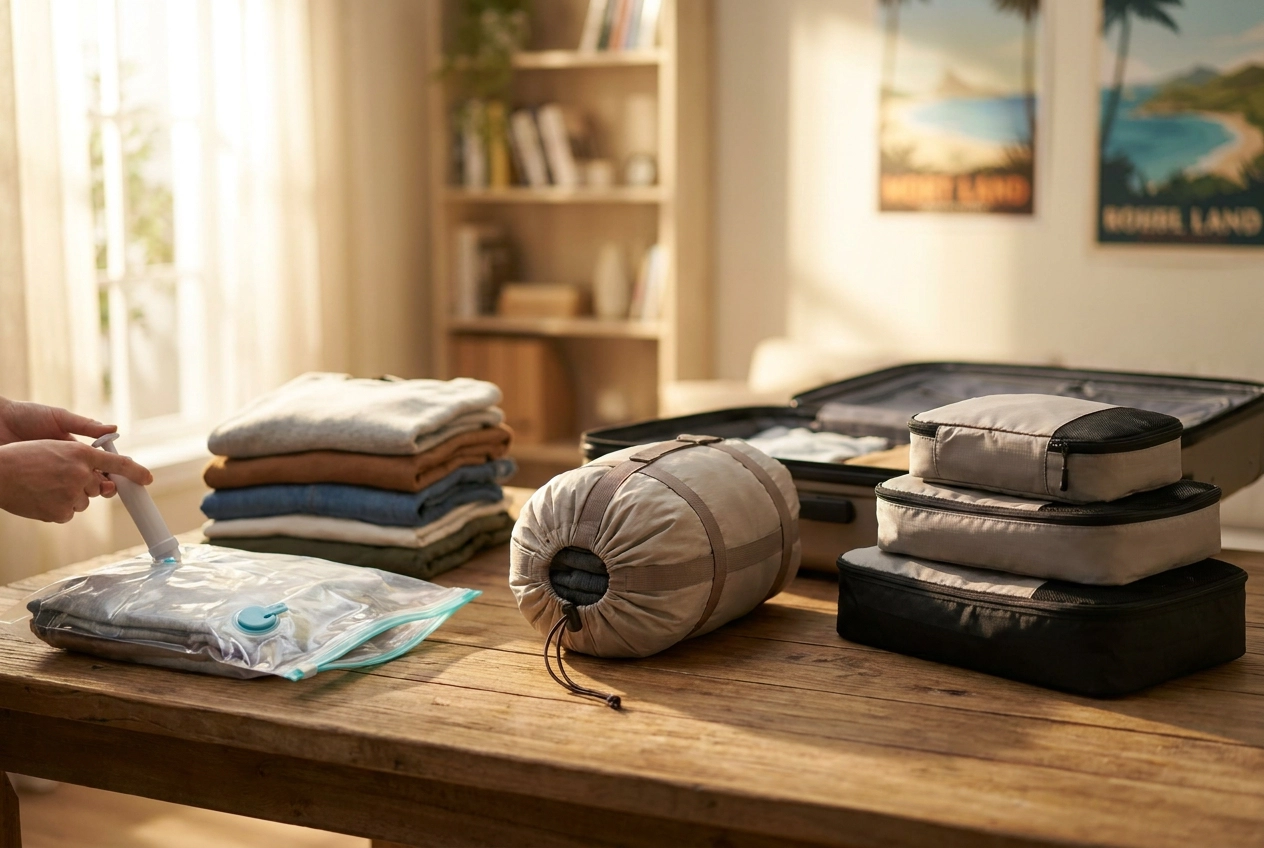

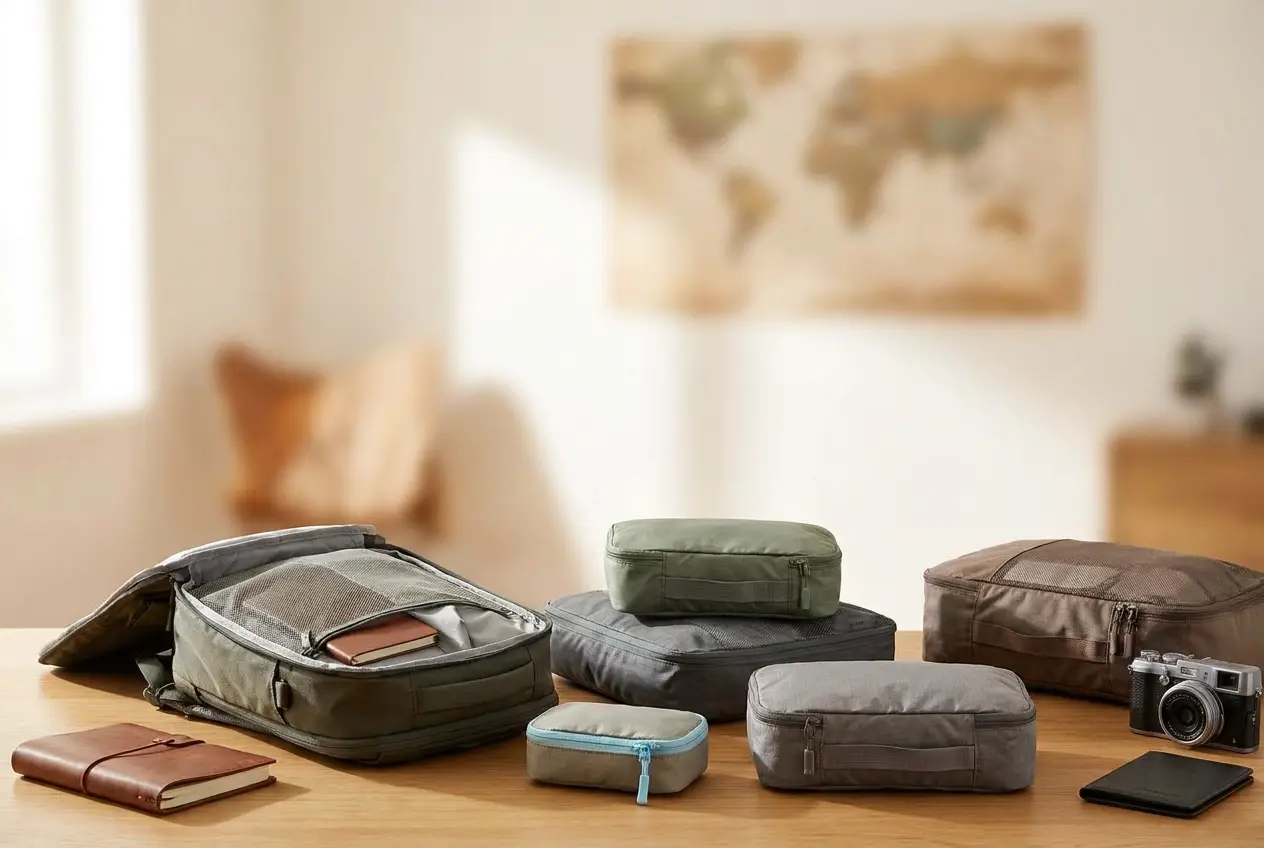
Most travelers pack too much, stress too little about the right things, and end up dragging bags full of regret through airport terminals. If you’ve ever stood at your suitcase wondering what you actually need, you’re not alone.
This guide cuts through the noise. Every travel essential on this list has been evaluated for real-world usefulness, not just popularity. Whether you’re boarding a flight for the first time or finally trying to travel smarter, knowing what belongs in your bag (and what doesn’t) can transform the entire experience.
Here, you’ll find everything from must-have travel documents and TSA-compliant toiletries to the best tech gadgets, safety gear, and packing strategies for different trip types. You’ll also discover what to leave behind, how to choose the right luggage, and how to build a packing system tailored to your specific travel style.
By the end, you won’t just have a list. You’ll have a reliable framework for packing confidently on every trip you take.
Two-minute final check: remove anything you would not replace at your destination if you forgot it. That single filter catches most “just in case” overpacking.
| Category | Carry-on priority | Checked-bag option |
|---|---|---|
| Passport, ID, money, medication | Always | Never rely on checked baggage |
| Phone, chargers, power bank | Yes; follow airline battery rules | Power banks generally should not be placed in checked baggage; verify current airline rules |
| One change of clothes | Recommended | Extra clothing can be checked |
| Liquids and toiletries | Only within current security limits | Larger permitted toiletries can usually be checked |
| Valuables and fragile electronics | Keep with you | Avoid checking when possible |
Now start with the mindset that makes all the difference.
| Category | Pack first | Check before departure |
|---|---|---|
| Documents | Passport or ID, boarding pass, insurance details | Entry requirements and document validity |
| Money | Primary card, backup card, small amount of cash | Foreign transaction fees and card alerts |
| Tech | Phone, charger, adapter, power bank | Airline battery rules and destination plug type |
| Toiletries | Travel-size liquids and daily essentials | TSA 3-1-1 compliance for carry-on liquids |
| Comfort | Water bottle, layers, sleep mask, neck support | Flight length and cabin temperature |
| Safety | Medications, emergency contacts, secure wallet | Travel advisories and insurance coverage |
For deeper planning, use our international travel packing list, TSA toiletry bag guide, and carry-on luggage size guide.
Most packing lists fail before you even zip your bag. They are built for completeness, not for you: your trip length, your destination, your tolerance for carrying a 40-pound bag through a crowded airport at 6 a.m. A generic “ultimate packing list” covers every possible scenario, which means it fits no specific scenario particularly well.
The cost of carrying is real. Every item you add carries three costs: physical weight, space in your bag, and a decision cost at every security checkpoint and transfer. The Real Rules for Carry-On Luggage in 2026 confirm that airlines now use automated gate-scanning with physical sizing frames, meaning an overstuffed bag that once slipped through informally can now earn you a $60 to $100 gate-check fee on budget carriers. The consequences of overpacking are no longer theoretical.
Audit your list before the trip, not at baggage claim. Before you pack a single item, ask: does this item serve a confirmed activity, or am I packing it for a scenario I invented? Run every item through that question while it is still on your bed, not after you have hauled it through three connecting flights.
There is a meaningful difference between packing for anxiety and packing with intention. Anxiety packing fills a bag with “just in case” items that cover unlikely scenarios. Intentional packing gives each item a specific job, and if an item cannot justify its space, it stays home. Most travelers who overpack do not lack discipline; they lack a clear framework for deciding what earns its place.
That framework starts with three variables: trip length, destination climate, and laundry access. A five-day trip to a beach resort with on-site laundry needs a fundamentally different bag than a ten-day backpacking trip through variable-climate mountain terrain. If you want a proven system for applying these variables practically, this guide to packing light without sacrificing comfort on long trips walks through the process step by step.
Get the mindset right first. Everything in the list below follows from it.
Once you have the right packing mindset, documents become your first real test of intentional travel. Get this category wrong and no amount of smart clothing choices will save you at the border.
The core documents every traveler must carry:
Build a digital backup before you leave home. Photograph or scan every document and store copies in a secure cloud folder and in your phone’s offline storage. If your bag is lost or your wallet is stolen, these copies give you immediate leverage with airlines, consulates, and insurance providers. A second copy emailed to a trusted contact at home adds one more safety net at zero cost.
RFID-blocking wallets and passport holders are worth the small investment. High-traffic international airports and crowded tourist districts are active environments for electronic pickpocketing. RFID-blocking passport holders add a low-cost layer of protection against contactless skimming, a worthwhile precaution in high-traffic transit environments.
A dedicated travel document organizer eliminates friction at every checkpoint. A single zippered pouch that holds your passport, payment cards, SIM cards, and itinerary printout means you reach the check-in counter prepared, not searching through your bag. This becomes especially valuable on international trips; the guide to international travel packing list: what changes when you leave the U.S. covers how documentation requirements shift significantly across borders.
TSA compliance rule: Keep all documents in your carry-on, not buried in a checked bag. You will need them at the boarding gate, at customs, and potentially at every point in between.
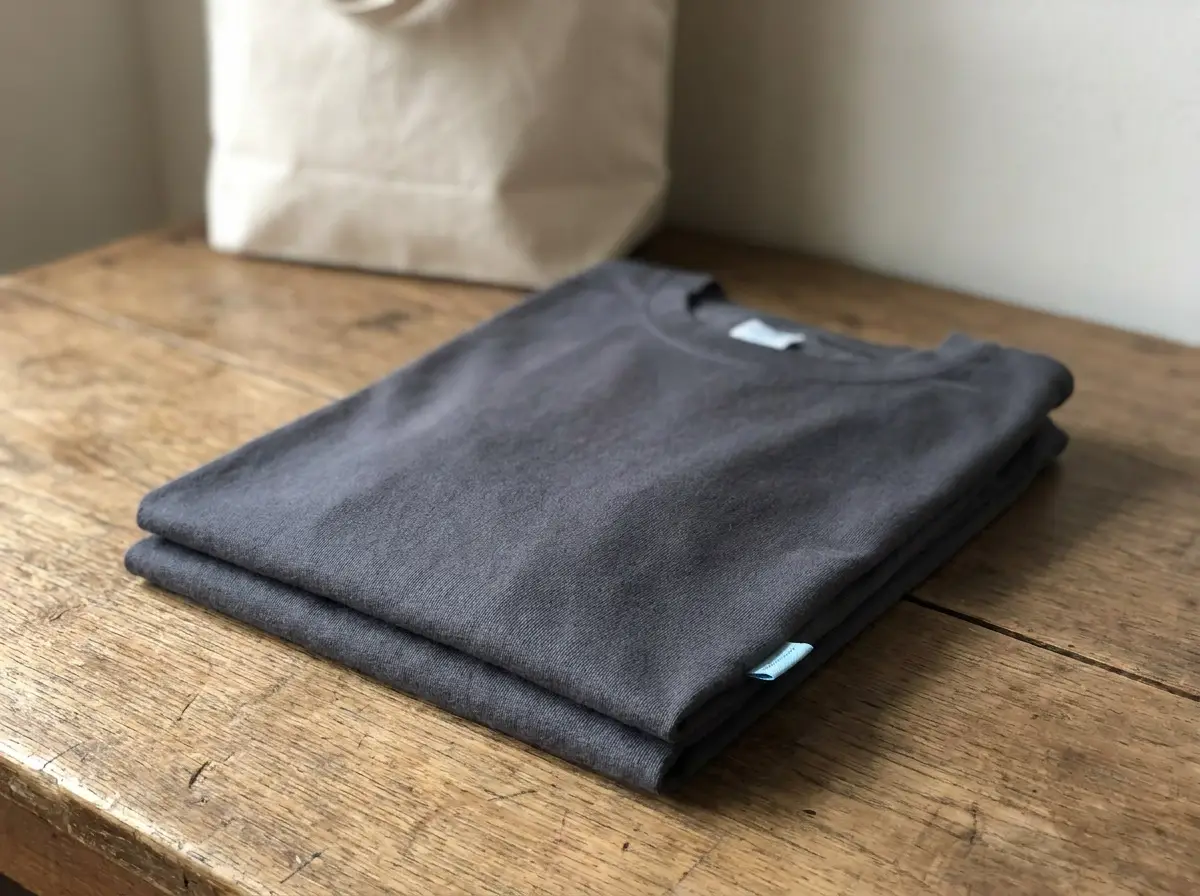
With your documents organized, the next layer of preparation is what goes in your bag, and most beginner travelers get this wrong by packing too much of the wrong things.
Choose five to seven pieces in neutral colors: black, navy, grey, and white mix across every combination. Three tops, two bottoms, and one versatile outer layer can generate more than a week of distinct outfits without adding a single extra item. Every piece must work with at least two others, or it doesn’t make the cut.
Cotton feels comfortable at home but becomes a liability on the road. It absorbs moisture, takes hours to dry, and wrinkles in a stuffed bag. Moisture-wicking, quick-dry fabrics, specifically merino wool and synthetic blends, dry significantly faster than cotton, which is useful when you’re hand-washing between locations, and tend to hold their shape better when packed.
A three-layer system handles most weather conditions without overloading your bag. A lightweight moisture-wicking base layer handles warmth and sweat management. A mid-layer fleece or merino adds insulation. A packable outer shell that compresses into its own pocket handles wind and rain. This system weighs less than one bulky jacket and adapts to a wider temperature range.
Shoes are the heaviest, bulkiest items most travelers overpack. Limit yourself to three pairs: one supportive walking shoe for daily miles, one versatile casual shoe or sandal for evenings, and one context-specific option chosen for your trip type, whether that’s a formal shoe, a hiking boot, or a water shoe.
Packing cubes compress clothing, separate categories (tops from bottoms, clean from worn), and let you pull exactly what you need without unpacking everything. For a deeper look at how organizational systems like this work together, the smart packing tips at Essential for Travel cover the full strategy.
Once your clothing is sorted, tech is the next layer that can make or break a trip.
Your non-negotiable tech core is four items: your phone, a charging cable, a universal travel adapter, and a power bank. For the power bank, capacity matters, but airline battery rules matter too. The FAA states that spare lithium batteries and power banks must be carried in the cabin rather than checked baggage; review its Airline Passengers and Batteries guidance before flying. A 20,000mAh unit can be useful for long travel days, but confirm its watt-hour rating and your airline’s specific limits before departure.
On adapters, the choice is straightforward. A destination-specific adapter costs less upfront but becomes useless the moment your itinerary changes. A multi-region adapter with both USB-A and USB-C ports handles virtually every outlet configuration worldwide and charges multiple devices simultaneously. For anyone who travels more than once a year, it pays for itself on the second trip. Check out The Complete Travel Essentials List: Everything Worth Packing for specific adapter specs worth prioritizing.
Noise-canceling headphones belong in your carry-on, not your checked bag. On a 10-hour flight, they reduce fatigue, block engine noise, and let you work or sleep on demand. Go wireless. Most modern aircraft USB ports will not reliably power wired headphones with inline controls, and a tangled cable is a security-line time tax you do not need.
Pack all cables, adapters, and earbuds into a single dedicated tech pouch. This one habit eliminates the bag-rummaging that slows down every security checkpoint. When TSA asks you to remove electronics, everything comes out in one organized pull instead of a scrambled pile.
The 2026 addition every traveler should know about is eSIM. Travel eSIM users are projected to grow 440% globally over the next five years, and the reason is simple: an eSIM activates a local data plan before your plane lands, eliminating roaming charges and the airport SIM-card scramble entirely. Most current flagship phones support eSIM natively. If yours does, activating an international plan before departure is now a genuine travel essential.
With your tech kit sorted, toiletries are where most first-time travelers lose time at security. Knowing the rules cold prevents it.
1. The TSA 3-1-1 Rule (Still Active in 2026)
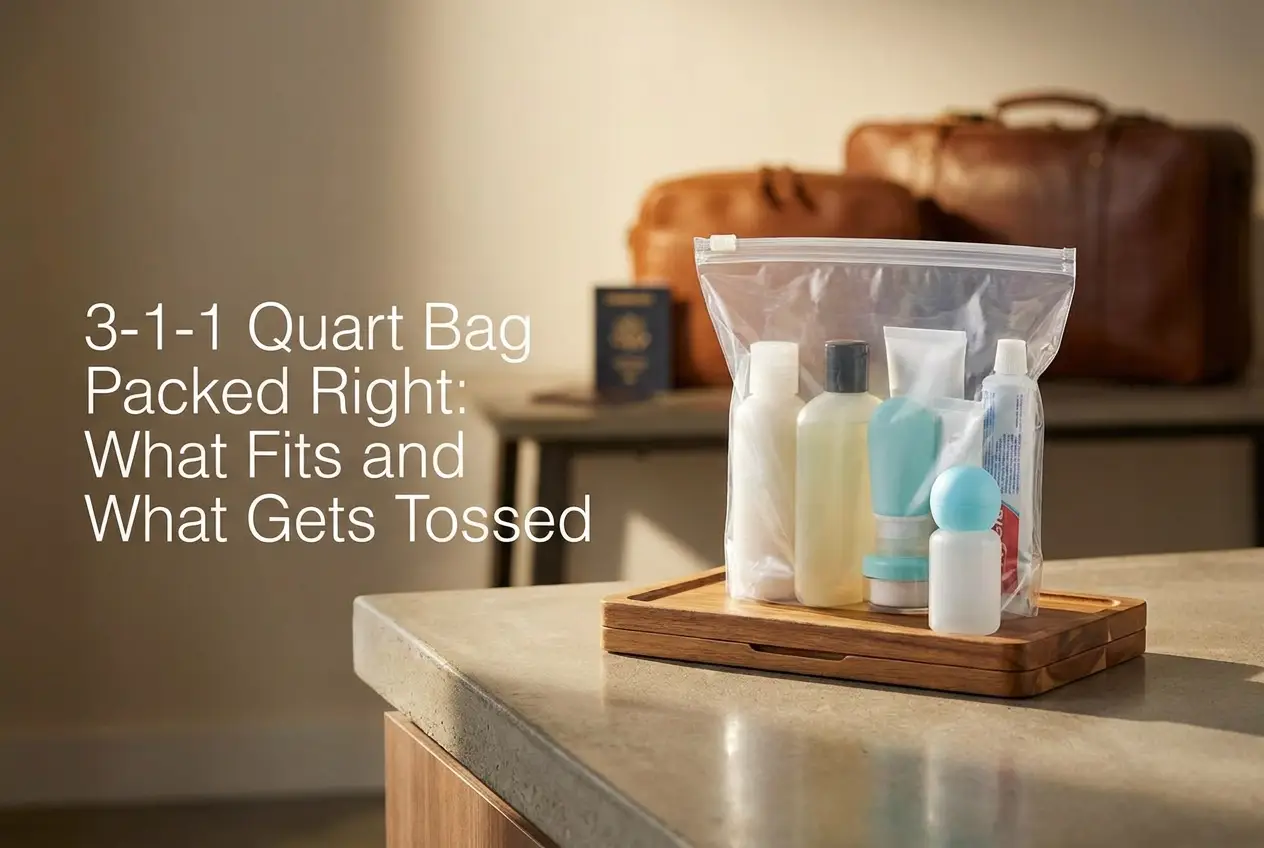
Every liquid, gel, and aerosol in your carry-on must be 3.4 oz (100ml) or less per container, packed inside one clear, quart-sized zip bag, with one bag per passenger. That’s it. Toothpaste, shampoo, lotion, deodorant spray: all count. For a full breakdown of what qualifies and how to pack it correctly, this guide on what actually makes a toiletry bag TSA approved and how to pack one right covers every requirement, including 2026 CT scanner updates.
2. Solid Alternatives That Skip the Liquid Rules Entirely
Solid toiletries are not a niche workaround; they are mainstream. Solid shampoo bars, conditioner bars, toothpaste tablets, and solid sunscreen sticks are widely available and TSA-unrestricted because they contain no liquid content. Switching to even two or three solids frees up significant space in your quart bag for items that have no solid alternative.
3. Medications and Health Essentials
Keep prescription medications in their original labeled containers. TSA does not require a separate bag for pills, but labeled containers prevent questions at screening. Pack a compact first aid kit with blister pads and pain relievers. If your destination requires destination-specific medication, such as antimalarials or altitude sickness treatment, consult your doctor at least four to six weeks before departure.
4. Skincare for Long-Haul Flights
Cabin air is significantly drier than typical indoor environments, which accelerates dehydration and skin dryness on long-haul routes. A travel-sized moisturizer, lip balm, and lubricating eye drops used mid-flight prevent the headaches, dry eyes, and tight skin that compound fatigue on long routes.
5. What TSA Confiscates Most Often
Items that commonly catch travelers off guard include full-size aerosol dry shampoo, snow globes, and any gel-format product that exceeds the 3.4 oz threshold. None of them feel like liquids at first glance, which is exactly why they catch travelers off guard. Check the TSA’s “What Can I Bring?” tool for a complete list.
Once your carry-on toiletries are sorted, the next priority is your physical and mental wellbeing at 35,000 feet.
1. Build your in-flight comfort kit. Experienced travelers keep four items in their carry-on without exception: a travel neck pillow, a sleep mask, compression socks, and a lightweight blanket or wrap. Cabin temperatures fluctuate unpredictably, and the blankets airlines provide are thin at best and unavailable at worst. A compact packable wrap solves that problem without adding meaningful weight. For practical guidance on staying comfortable during long flights, this resource covers the full setup in detail.
2. Treat compression socks as a health essential, not a luxury. A Cochrane systematic review covering more than 2,900 passengers on long flights found that wearing compression stockings produces a substantial reduction in the risk of asymptomatic deep vein thrombosis (DVT). For low-risk passengers, compression socks would prevent DVT in roughly 9 out of every 1,000 travelers; for high-risk passengers, that number rises to 27 per 1,000. The threshold that triggers meaningful risk is any flight lasting four hours or more. Look for below-the-knee socks rated 10-20 or 20-30 mmHg, depending on your risk profile, which matches the compression used in the reviewed studies.
3. Bring your own snacks. High-protein, low-mess options like nuts, jerky, or protein bars reduce dependence on overpriced airport food and keep your energy stable through long layovers. Airline meal timing is rarely predictable on connections.
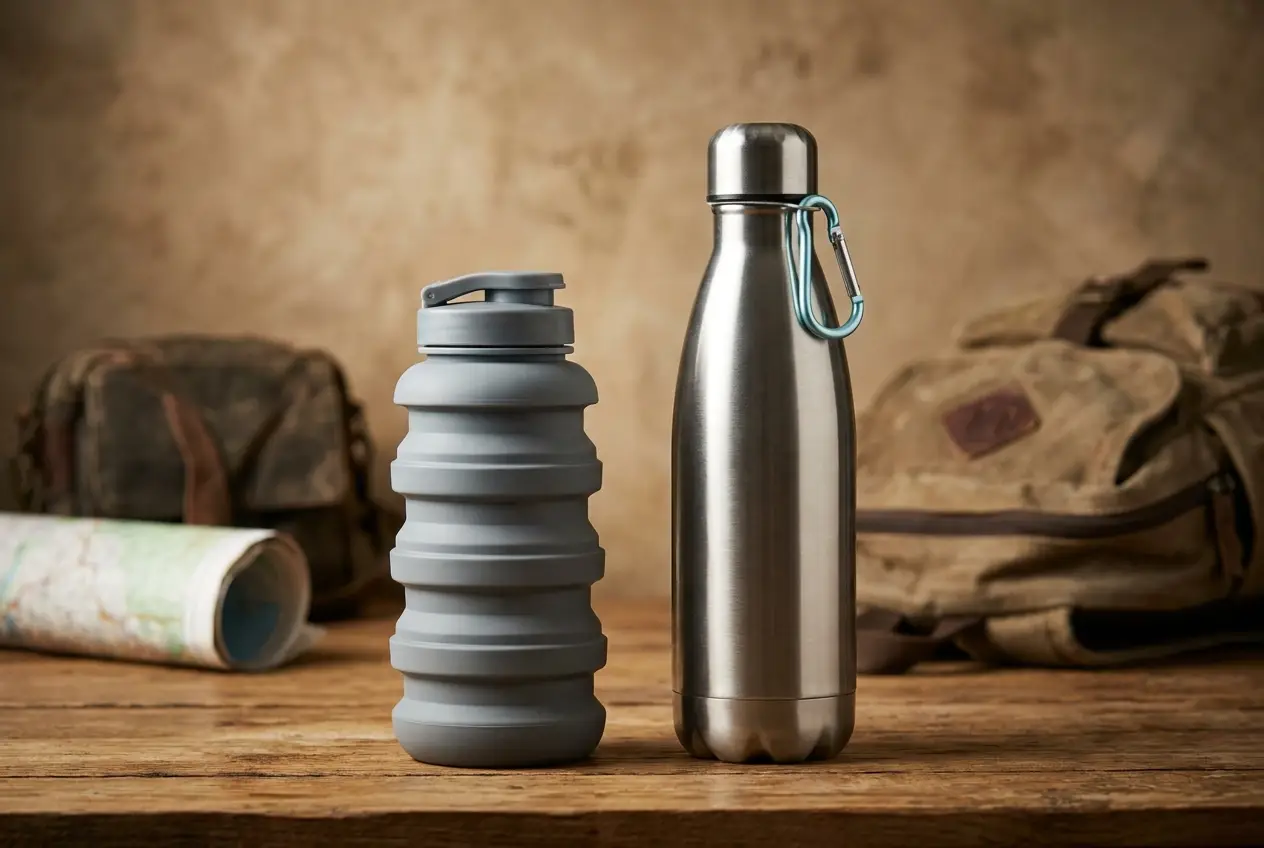
4. Pack an empty reusable water bottle. Check the TSA’s “What Can I Bring?” tool before packing, as empty reusable bottles are widely reported as permitted but worth confirming for your specific bottle type. Fill it at any post-security water fountain or bottle-filling station, which are standard at most major international airports, to avoid buying bottled water airside.
5. Download your entertainment before you leave home. In-flight Wi-Fi is unreliable on most long-haul routes. Downloading Netflix episodes, Spotify playlists, and Kindle books before departure means a 10-hour flight never depends on a connection that may drop, throttle, or cost extra.
Comfort and convenience matter on the plane, but the risks that derail trips most severely happen on the ground. These five protections are the ones worth building into your travel system before you leave home.
Anti-theft bag features separate functional travel bags from genuinely secure ones. When evaluating travel bags for security, prioritize hidden or lockable zippers, cut-resistant strap construction, and built-in RFID-blocking panels, features designed to reduce opportunistic theft in crowded transit environments. For a deeper breakdown of what to look for, the Travel Security Essentials Guide covers these features in practical detail.
Travel insurance is non-negotiable, regardless of trip length. Three coverages form the minimum floor: medical evacuation coverage, which can be prohibitively expensive without insurance; trip cancellation, which reimburses prepaid costs when emergencies force you to abort; and lost luggage coverage, which replaces essentials when checked bags disappear. A weekend trip carries real financial exposure if any of these events occur.
Use only TSA-approved locks on checked baggage. TSA agents are authorized to open any locked bag during screening. Non-approved locks get cut off and discarded. TSA-approved locks, certified through the Travel Sentry program, allow agents to open and relock your bag, leaving your lock and your contents intact.
Activate a VPN before connecting to airport or hotel Wi-Fi. Public networks are a known attack surface for intercepting unencrypted data. A VPN adds a meaningful layer of protection when using airport or hotel Wi-Fi, a simple precaution before checking banking apps or email.
Carry a physical emergency contact card stored separately from your phone. Include your travel insurance policy number, two personal emergency contacts, your nearest embassy number, and your blood type. If your phone is lost or stolen, this card is the fastest path to getting help.
Once your core packing foundation is locked in, the next step is layering trip-specific additions on top. Think of it as a base coat plus finishing details, not a full repaint each time.
Business Travel
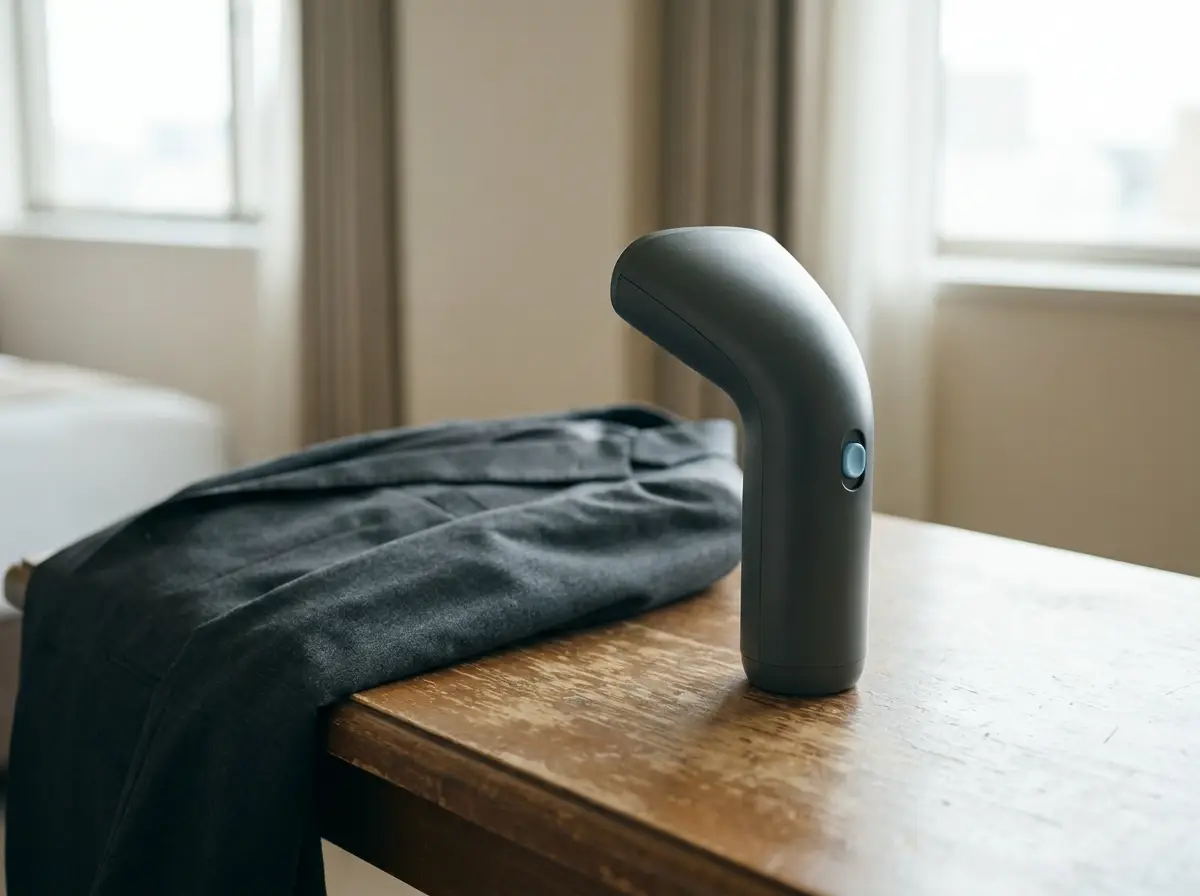
Professional trips demand presentation readiness. Pack a wrinkle-release spray or compact travel steamer to keep dress shirts and blazers sharp without hunting for an iron. A slim laptop sleeve or padded tech compartment bag protects your equipment while keeping your bag streamlined. Store business cards in a rigid protective case so they arrive corner-intact. For extended hotel desk sessions, a portable laptop stand corrects screen height and reduces neck strain significantly.
Adventure and Outdoor Travel
The CDC confirms that all travelers to remote areas should carry a personal first aid kit tailored to their itinerary. Include blister treatment specifically, since foot issues end hikes faster than weather does. Add a water purification solution, either tablets for ultralight packing or a filtered bottle for ongoing use. Pack a multi-tool in your checked luggage, never carry-on. A dry bag is non-negotiable for protecting electronics near rivers, coastlines, or rain-heavy environments.
Relaxation and Beach Travel
A compact packable tote handles beach days and market runs without adding bulk to your main bag. Use travel-sized reef-safe sunscreen to protect both your skin and marine ecosystems at destinations where reef protection is regulated. A quick-dry travel towel is far lighter than a standard bath towel and dries much faster between uses. For budget accommodations, a portable door lock adds a meaningful security layer that standard door hardware often cannot provide.
Family Travel
A compact stroller travel bag prevents gate-check damage on boarding. Keep child ID cards with current emergency contact information in a separate, accessible pocket. A portable white noise machine maintains sleep consistency across time zones, which matters far more than most parents anticipate. Extra zip-lock bags manage snacks, wet clothes, and spills without requiring a dedicated mess kit.
For a full breakdown of which accessories serve each trip type best, the travel accessories guide covering every must-have gear category is worth bookmarking before your next trip.
Knowing what to add is only half the equation. Knowing what to cut is where most travelers actually save weight.
The “just in case” trap is the single biggest driver of overpacking. You pack a formal blazer for a dinner that never materializes. You throw in an umbrella for a forecast that clears up. The scenarios almost never happen, but the weight cost is paid on every single trip, at every security line and every gate transfer.
Items most travelers pack and never touch:
Clothing that does not earn its space:
Skip the toiletries for short trips. Standard hotels provide shampoo, conditioner, body wash, soap, and a hair dryer as baseline amenities. A quick check of the hotel app or a one-minute call to the front desk confirms exactly what is waiting in your room. For trips under five days, this alone can eliminate an entire bag.
Before you zip your bag, ask one question: “If this item were not in my bag, would I actually stop and buy it at my destination?”
If the honest answer is no, it does not belong on the trip. That single filter removes the hesitation items, the redundant items, and the “I might need this” items in one pass. Pack what you would replace. Leave everything else behind.
Once you have decided what to pack, the bag carrying it becomes the next critical decision.
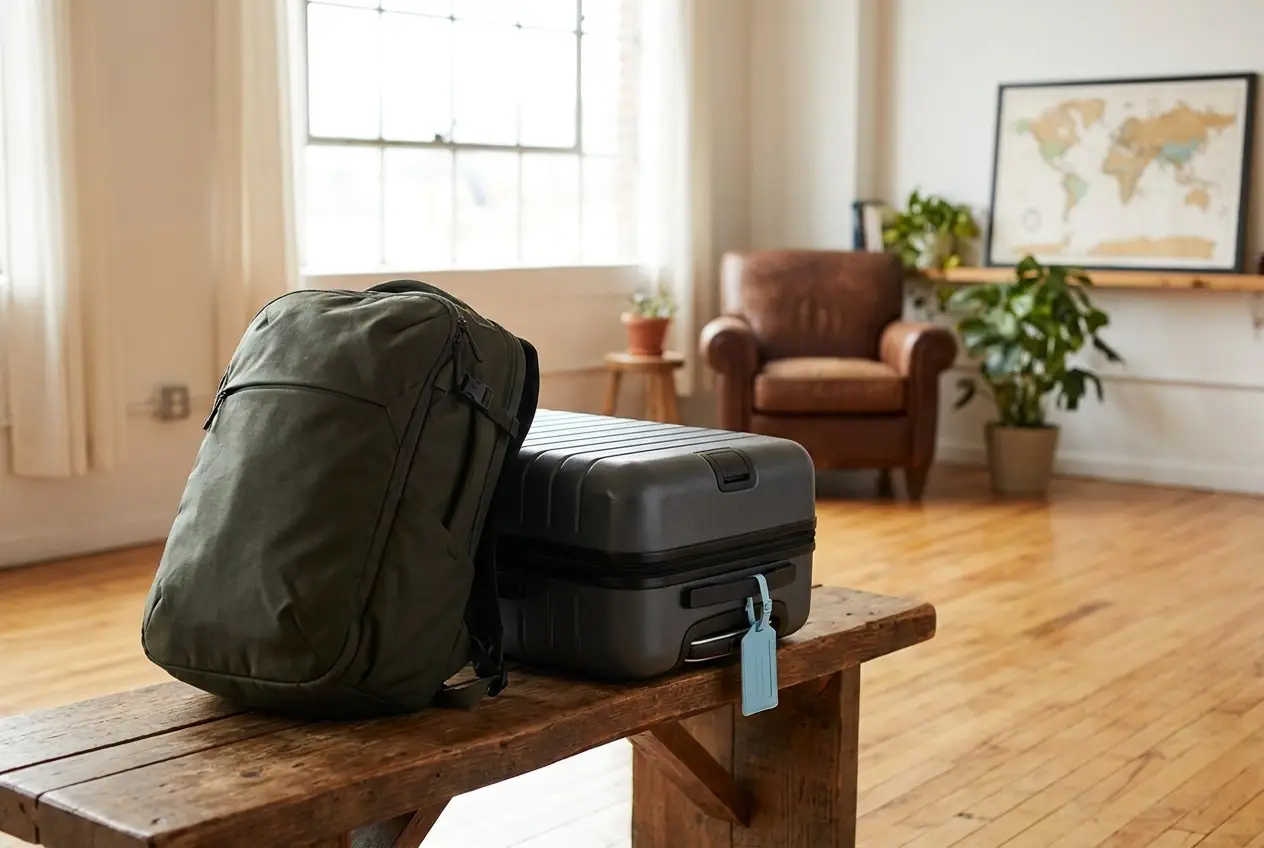
Carry-on vs. checked bag: For trips under 10 days to destinations with laundry access, a well-packed carry-on eliminates baggage fees, wait times, and the risk of lost luggage. Most major U.S. airlines enforce a standard carry-on limit of 22 x 14 x 9 inches, including wheels and handles. Budget carriers restrict dimensions further and charge significant gate fees for oversized bags, as covered in the fare rules in the opening section. Know your airline’s specific limits before you buy a bag.
Hard-shell vs. soft-shell:
Travel backpacks for carry-on use: If you prefer a backpack format, prioritize four features: a clamshell opening for flat, organized packing; a dedicated laptop sleeve with padding; a hip belt to shift load off your shoulders during long airport transits; and dimensions verified against your airline’s carry-on size limits before purchase.
Bag organization systems: The bag itself is only part of the equation. Pairing your carry-on with packing cubes for clothing, a hanging toiletry bag, and a flat document pouch converts even a mid-sized bag into a fast-access, fully organized system. Each category stays separate, security checks move faster, and repacking at hotel checkout takes minutes rather than half an hour.
With the right bag packed and organized, every other decision becomes easier. Here is how to lock in the system for good.
Start with the universal core every time. Documents, tech, TSA-compliant toiletries, and a versatile clothing capsule cover the vast majority of any trip, whether you are flying domestically for three days or crossing continents for three weeks. These four categories are your non-negotiable foundation.
Layer trip-type additions on top, never from scratch. The core never changes; only the additions shift. This single habit eliminates the frantic, start-over packing sessions that waste time and lead to forgotten essentials. Layer trip-type additions on top, business, adventure, or relaxation, as covered in the trip-type section above.
Apply the anti-list filter from the earlier section as your final zip-up check.
Invest in the right bag and organizational tools once. Quality packing cubes, a hanging toiletry bag, and a well-designed carry-on are not indulgences; they are infrastructure. Organized bags move faster through security checkpoints, repack in minutes at hotel changeovers, and reduce the pre-departure stress that turns travel preparation into a chore.
Make this guide your pre-trip ritual. Bookmark it and return to it before every departure. Use the downloadable checklist as a final sweep, not a starting point, so your mental energy goes toward the trip itself rather than the packing process.
Smart packing is a skill. Every trip you refine it, the easier travel becomes.
Great travel does not begin at the airport. It begins with a packed bag you trust completely.
This guide has given you the full picture: the mindset to pack with intention, the core essentials that serve every trip, the smart additions for your specific journey, and the discipline to leave the rest behind. Master these principles and you trade packing stress for genuine pre-trip excitement.
Now put it into action. Save your master checklist, build your reusable packing base, and invest in the organizational tools that make every departure smoother than the last.
The travelers who move through the world with ease are not carrying more. They are carrying smarter. You now have everything you need to do the same. Your next trip starts here.