Long-Distance Travel Comfort: 8 Tips for Flights, Trains & Buses
Editorially reviewed . Check the linked official sources for current travel requirements.
What should you pack for a more comfortable long journey?
Build a small kit around your seating position, temperature, noise, and access to essentials. Compare a neck pillow for fit, bring a light layer, and keep documents and frequently used items within reach. Choose accessories you can carry easily and test them before departure.
Prepare for a long flight, overnight train, or extended bus ride by checking your seating, storage space, and access to charging. Pack a small comfort kit around what you use: a light layer, headphones, optional neck support, and accessible essentials. Test accessories before departure and follow the transport provider’s rules.
8 Long-Distance Travel Comfort Tips
1. Build a Simple Long-Haul Comfort Plan
Extended travel places stress on your body through limited movement, dry cabin air, noise exposure, and restricted seating space. Without proper preparation, these conditions can lead to fatigue, stiffness, dehydration, and poor sleep.
A thoughtful comfort strategy helps you:
- Sleep better in transit
- Reduce travel fatigue
- Stay hydrated and energized
- Arrive ready to explore
2. Use Neck Support for Better Sleep
One of the biggest challenges during long journeys is finding a comfortable sleeping position. Standard airline pillows often lack structure, leaving your neck unsupported.
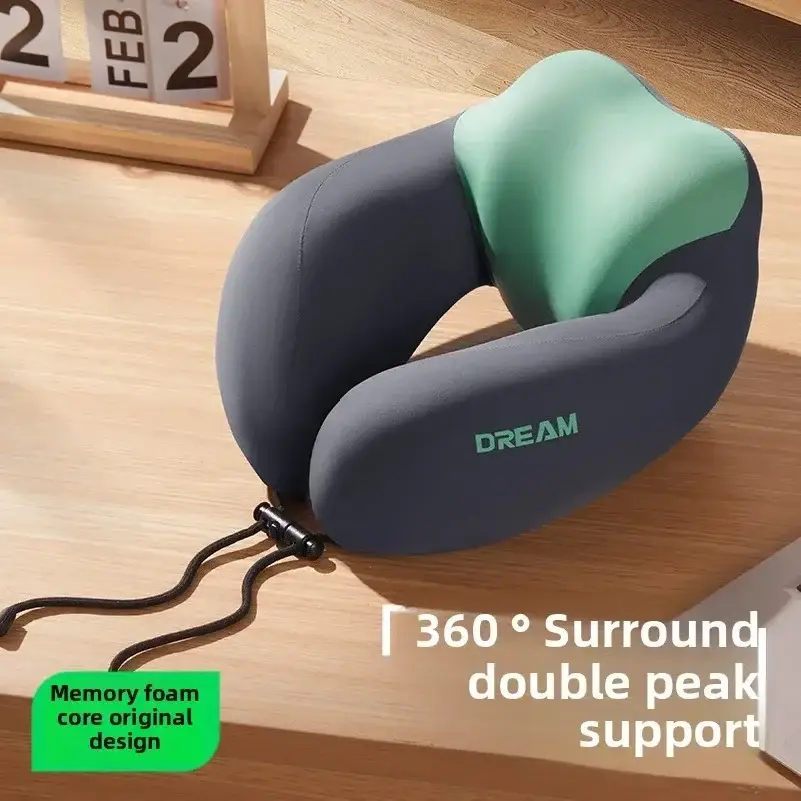
A supportive neck pillow can make upright rest more comfortable during long trips. The Travel Neck Pillow Memory Foam is one option for adding cushioning and adjustable support without taking up much space in your comfort kit.
What to Look for in Neck Support
- Ergonomic memory foam design
- Washable cover for hygiene
- Secure clasp or strap to keep it in place
With proper neck support, sleeping upright becomes significantly more comfortable.

3. Reduce Noise for a More Restful Trip
Noise is one of the most disruptive elements of long-haul travel. Engine hum, announcements, and passenger movement can prevent quality rest.
Noise-canceling headphones help create a quiet personal space by reducing ambient sound. This allows you to relax, sleep, or enjoy entertainment without distraction.
Benefits of Reducing Travel Noise
- Reduced travel stress
- Improved sleep quality
- Better focus and relaxation
Pair them with calming music or white noise for maximum effect.
4. Keep Devices Powered and Connected
In today’s digital travel experience, staying powered is essential. A dead phone battery can mean losing access to boarding passes, maps, or communication tools.
A high-capacity backup battery can help keep your phone and other small devices powered when charging stations are unavailable or crowded. A 20000mAh Portable Power Bank is one practical option for long travel days; always follow current airline rules for carrying lithium batteries.
Travel tip: Keep your power bank in carry-on baggage. Check capacity and quantity limits, and use it onboard only when the carrier permits. Remove power banks and spare lithium batteries if the bag is gate checked, with terminals protected from short circuit.
5. Support Comfort During Long Sitting Periods
Long periods of sitting can restrict blood flow, leading to swelling, discomfort, or fatigue in the legs.
Some travelers choose compression socks for comfort during long trips, but they are not necessary for everyone and should not be treated as a substitute for medical advice. If you have a circulation condition, a history of blood clots, or other health concerns, ask a healthcare professional what is appropriate before travel.
If you use compression socks:
- Choose the correct size and compression level for your needs
- Follow the product instructions and any advice from your healthcare professional
- Do not treat them as a substitute for movement or medical guidance
6. Stay Hydrated During Long Travel Days
Airplane cabins typically have low humidity, which can leave some travelers feeling dry or uncomfortable. Drinking fluids regularly and limiting excessive alcohol can help support comfort during a long journey.
A reusable collapsible water bottle is a practical travel essential. The 700ml Collapsible Water Bottle can be carried empty through security, filled afterward where permitted, and compressed down when not in use.
Why it matters:
- Encourages consistent hydration
- Saves space when empty
- Reduces single-use plastic waste
7. Maintain Skin Comfort and Freshness
Dry cabin air can also affect your skin, making it feel tight and uncomfortable during long journeys.
A compact travel skincare kit helps maintain hydration and comfort. Include:
- Moisturizer
- Lip balm
- Facial mist
Regular use helps restore moisture and provides a refreshing mental boost during travel.
8. Keep Comfort Essentials Easy to Reach
Even the best travel essentials lose their value if they’re hard to access. Organization is key to maintaining comfort throughout your journey.
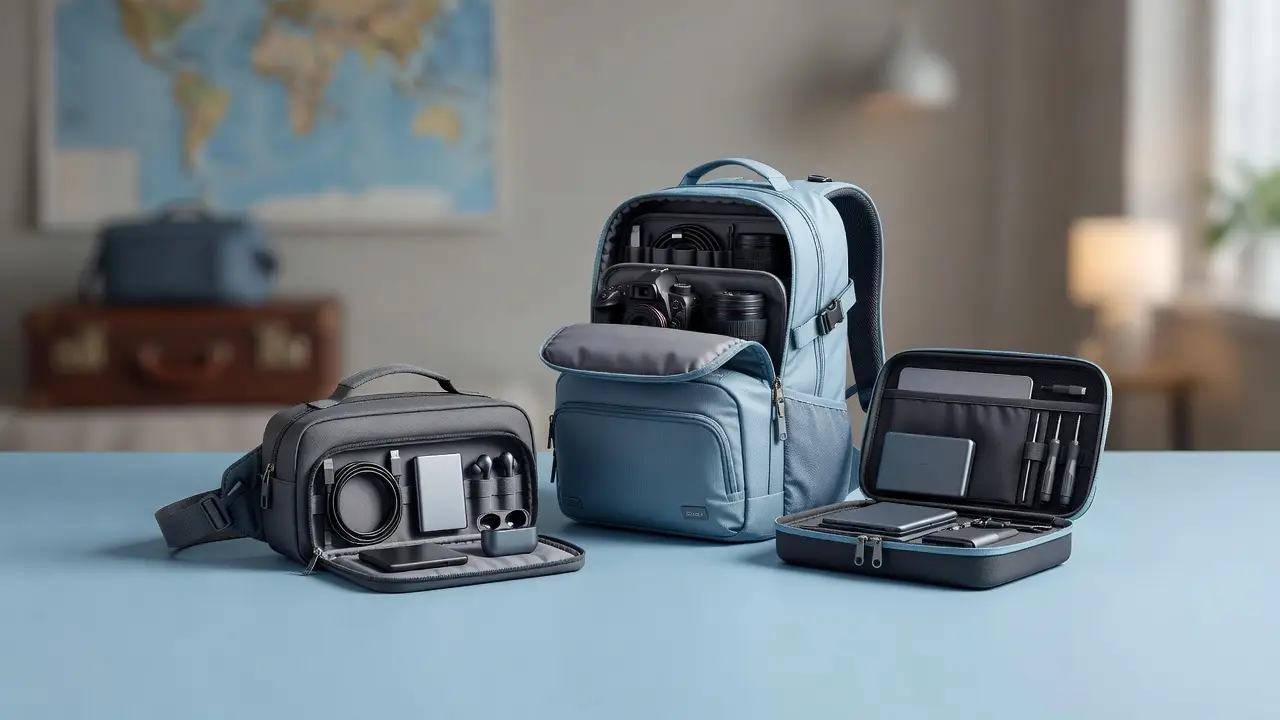
A compact travel pouch can group items you want to reach, including:
- Headphones
- Power bank
- Skincare items
- Small accessories
Keep the pouch stowed as the crew requires and avoid blocking aisles, footwells, or safety equipment. Check the carrier’s rules before using an accessory that attaches to a seat, window, or tray table.
Plan and Test Your Long-Journey Comfort Kit
Choose comfort accessories around your own fit and preferences. Try the pillow while seated, check whether headphones remain comfortable over time, and pack a layer you can reach easily. Equipment can make the journey easier to manage, but the best setup varies by traveler and seat.
Before departure, check your bag’s packed size, keep medication and documents accessible, and confirm battery and accessory rules. Use the checklist below to remove duplicates and organize the items you expect to use during the journey.
Plan ahead, pack intentionally, and make every journey part of the adventure.
Long-Haul Comfort Checklist
- Neck pillow or other compact support
- Headphones or earplugs
- Power bank and charging cable
- Empty reusable water bottle to fill after security where permitted
- Moisturizer and lip balm
- Small pouch for items you want within easy reach
Choose Your Comfort Setup by Need
| If your main issue is… | Prioritize | Relevant option |
|---|---|---|
| Neck or upright-seat discomfort | Test fit, rear profile, and closure before travel. | Memory Foam Travel Neck Pillow |
| Dryness or hydration | Carry an empty refillable bottle and fill after security where permitted. | 700 mL Collapsible Water Bottle |
| Low phone battery | Charge before boarding and keep the power bank in carry-on baggage. | 20000mAh Portable Power Bank |
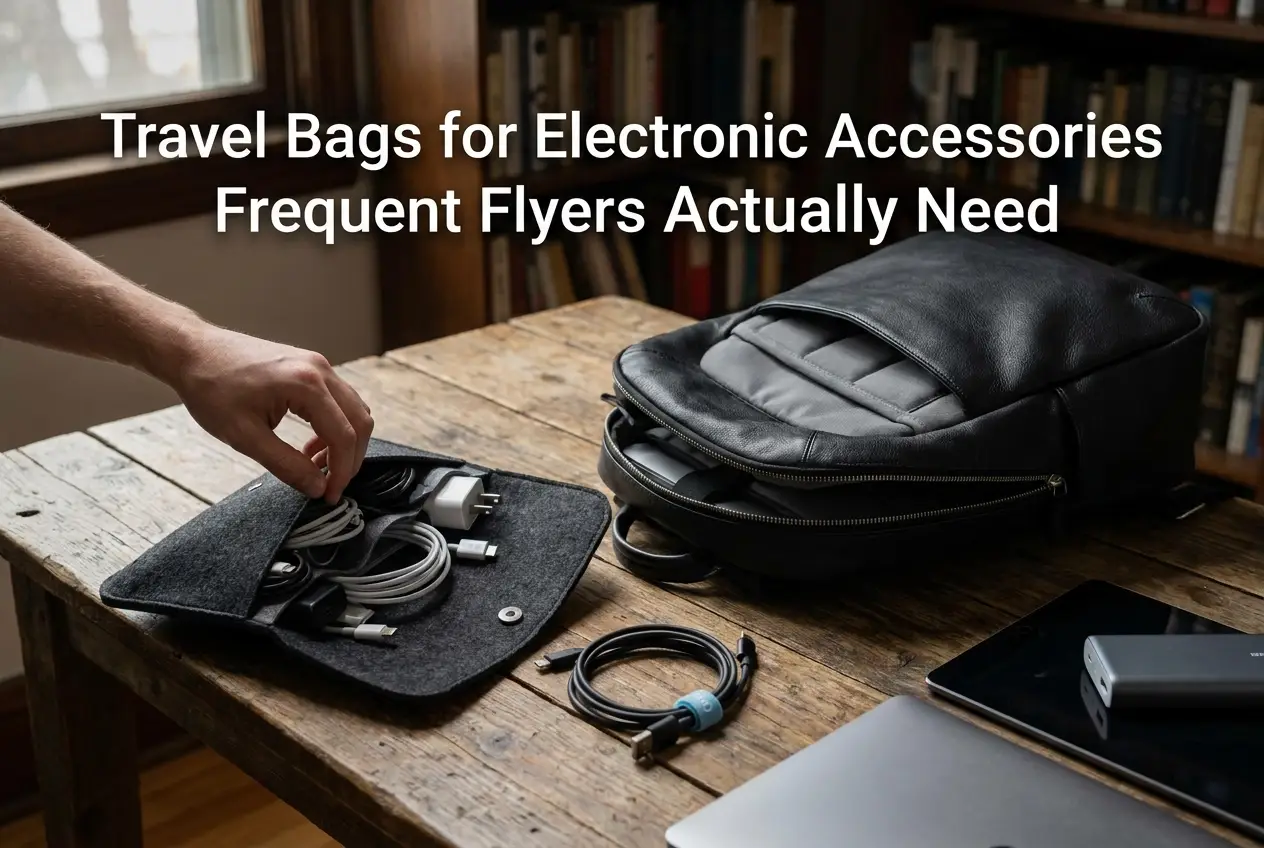
| Loose cables and small items | Keep one compact pouch within reach. | BANGE Electronics Organizer |
5-Minute Before-Boarding Setup
- Fill your water bottle after security where permitted.
- Charge your phone and check the power bank level.
- Move your neck pillow, headphones, medication, and charging cable into your personal item.
- Put documents and valuables in one assigned pocket.
- Before boarding, confirm you can reach everything you expect to use without opening the overhead bag.
A Simple 10-Hour Flight Comfort Routine
- Before boarding: fill your water bottle after security where permitted, charge your devices, and place the items you expect to use in your personal item.
- After takeoff: set up your neck support, headphones or earplugs, charging cable, and one small pouch so you do not have to keep opening the overhead bin.
- During the flight: change position periodically, move your feet and legs when practical, drink fluids regularly, and follow any health advice specific to you.
- Before trying to rest: dim screens, put away loose items, adjust your neck support, and keep documents and valuables secured.
- Before landing: reconnect devices, gather charging cables and small items, and do a quick seat-pocket and floor check.
Adjust Your Setup During the Journey
If the pillow feels uncomfortable, readjust or remove it. If you are cold, use the layer you packed. Return loose items to their assigned pouch after use, and connect charging equipment only when the operator permits. Keep the aisle and required storage areas clear and follow crew instructions.
Keep These Items Within Easy Reach
| Item | Why keep it accessible? |
|---|---|
| Travel documents | Needed during boarding, arrival, or connections. |
| Medication | Should not be trapped in checked luggage when you may need it in transit. |
| Neck pillow / comfort item | Easier to use without opening the overhead bin repeatedly. |
| Water bottle | Convenient for regular sipping when refills are available. |
| Power bank and cable | Useful for backup power; follow carrier rules for onboard use and FAA carriage requirements. |
Official Long-Haul Travel Resources
- CDC: Blood Clots During Travel — health guidance for long periods of sitting and individual risk factors.
- CDC: Jet Lag — practical guidance for adjusting sleep, light exposure, hydration, meals, and time-zone changes.
- U.S. Department of State: Medicine and Health — international guidance on prescriptions, medical care abroad, insurance, and destination-specific health preparation.
- FAA: Airline Passengers and Batteries — official guidance for power banks and spare lithium batteries.
- TSA: What Can I Bring? — check carry-on rules for specific comfort and personal-care items.
How does comfort planning change between transport types?
Check seating, baggage storage, charging, and stops with each operator. Keep your layer, medication, documents, and small comfort items accessible in permitted storage. Leave time to rest after crossing time zones, and confirm the rules separately for planes, trains, and buses.
Long-haul flight packing guide.
Long-Haul Travel Comfort FAQ
What should I keep in my personal item?
Keep the items you may use during the journey—charging gear, comfort accessories, travel documents, medication, and small personal-care items—where you can reach them without opening checked luggage.
How can I make a long flight more comfortable without overpacking?
Choose compact items that solve more than one problem, such as a collapsible bottle, a compressible neck pillow, and one small organizer for cables and personal-care items.
What changes for overnight trains and long-distance buses?
Check the operator’s baggage rules, seating or berth arrangements, available charging, and planned stops. Keep essentials reachable and secure your belongings before resting. Do not assume airline facilities or rules apply to another form of transport.
Should I remain seated to avoid disturbing others?
Follow crew instructions and move when it is safe and appropriate. The CDC travel guidance recommends occasional walking and calf exercises during long sitting periods. Ask your clinician for advice if you have additional clot risk factors.
Product vs. Product: Which Comfort Item Solves Your Problem?
| Compare | Best when | Main tradeoff | Choose this if… |
|---|---|---|---|
| Memory Foam Travel Neck Pillow vs. no pillow / rolled layer | You struggle with upright neck support during long sitting periods | Adds bulk to your personal item | You have already tested the fit and it improves your seated comfort |
| 700 mL Collapsible Water Bottle vs. rigid reusable bottle | You want lower packed bulk after use | Less structure when empty | Space matters more to you than a rigid bottle shape |
| 20000mAh Portable Power Bank vs. relying on seat or terminal power | You need backup charging when outlets are unavailable or crowded | Adds weight and requires compliance with airline battery rules | You depend on your phone for boarding passes, maps, or communication and want independent backup power |
| BANGE Electronics Organizer vs. loose cables in a pocket | You carry several chargers, cables, or small devices | Adds one more pouch to your bag | You lose time untangling or searching for charging gear |
Fast Product Decision Rule
Choose the product that solves the problem you actually experience most often. If a second product does not reduce discomfort, save space, improve access, or protect an essential function, leave it out. For long trips, fewer well-chosen items are usually more useful than carrying every possible comfort accessory.
Related Travel Guides
- Long-Haul Flight Essentials for Flights Over 10 Hours
- Travel Neck Pillow Guide: Fit, Comfort & Packing Tips
- Travel Electronics Organizer: Cables, Chargers & Power