Editorially reviewed . Check the linked official sources for current travel requirements.
Long-haul flight essentials: What should you pack for a flight over 10 hours?
For a long-haul flight packing list, keep your passport or ID, medication, headphones, charging cable, refillable water bottle, and a light layer within easy reach. Add a travel neck pillow, eye mask, and small toiletry kit if they improve your comfort in a limited seat space. Download entertainment before boarding, check your airline’s rules for power banks, and place frequently needed items in your under-seat personal bag.
For a flight lasting about ten hours or more, build a small kit around the things you will actually use: documents, medication, entertainment, a light layer, and comfortable seated rest. Prioritize accessible storage over extra gadgets. Seat space, power availability, and airline rules differ, so check your itinerary before choosing equipment.
How to Pack for Comfortable Rest on a Long-Haul Flight
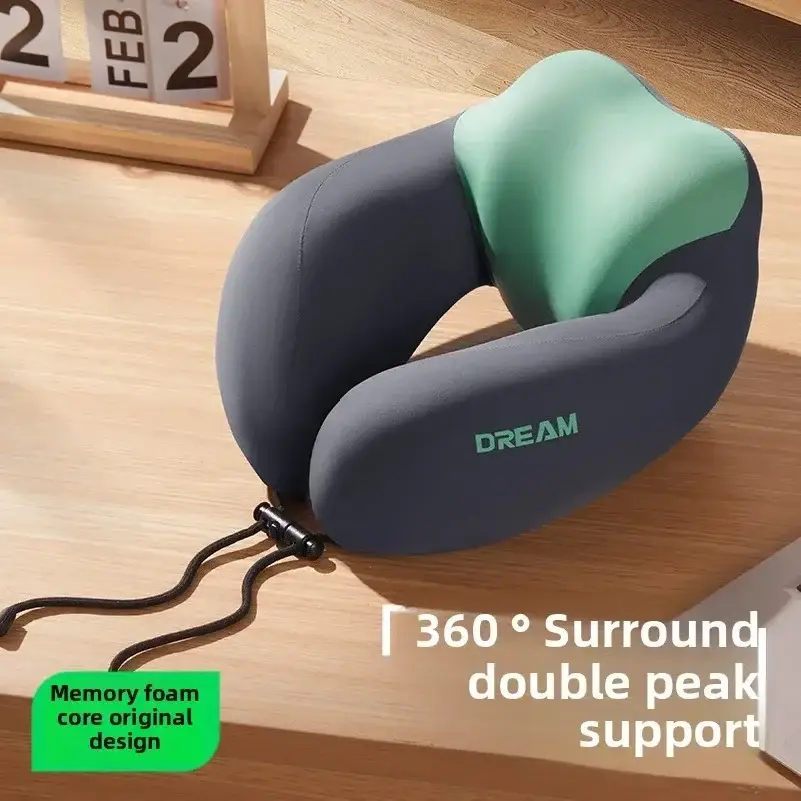
If you are searching for a U-shaped pillow for neck discomfort, first check the U-shaped travel neck pillow fit guide for seatback compatibility and comfortable positioning. A pillow may help some people rest more comfortably but should not be relied upon to treat or prevent neck pain.
Test your pillow in an upright chair before travel. Check that it works with the headrest without pushing your head forward or making the closure feel restrictive. Compare our Memory Foam Travel Neck Pillow by fit and packed size; our travel neck pillow guide explains the seated fit test. A pillow is a comfort accessory and does not guarantee sleep or prevent pain. For a broader fit-first comparison of U-shaped, contoured, and hybrid designs, see our U-shaped travel pillow guide.

Pack a light layer, an eye mask if useful, and headphones you can wear comfortably. Download entertainment before leaving and check whether the aircraft’s audio connection needs an adapter. Keep loose equipment stowed when instructed.
What helps with movement on a long flight?
CDC advises occasional walking and calf exercises during long-distance travel. Move only when it is safe and crew instructions permit. If you have additional blood-clot risk factors, ask your healthcare professional about compression stockings or other prevention measures before departure.
Sports compression leggings or sleeves should not be assumed to replace medical advice or appropriately selected compression stockings. Review the CDC’s blood-clot travel guidance for risk factors and prevention information.
What Should You Keep Under Your Seat on a 10-Hour Flight?
Keep medication, travel documents, your phone, charging cable, headphones, a light layer and any items needed during the flight in a personal item that fits the airline’s under-seat allowance. Put less frequently used clothing and accessories in the overhead bag. Check the airline’s dimensions and do not block the space needed for safe seating or evacuation. If overhead luggage is gate checked, transfer essential items and spare lithium batteries into the bag that remains with you.
How to Plan Safe Device Charging on a Long-Haul Flight
Check your device’s connection and charging requirements, and download important files for offline use. Aircraft outlets and USB ports may be unavailable or unsuitable for your device. Compare the 20000mAh Portable Power Bank with your device needs and airline policy.
Check watt-hours, not mAh alone
Use the battery’s marked watt-hour rating when checking travel limits. The calculation is Wh = volts × amp-hours; divide mAh by 1,000 to obtain amp-hours and use the battery’s rated voltage. Do not infer acceptance from “20000mAh” alone.
FAA guidance requires power banks and spare lithium batteries in carry-on baggage, with protection against short circuits and damage. Remove them if your bag is checked at the gate. Airlines may impose stricter quantity, capacity, storage, or onboard-use requirements. Being allowed to carry a power bank does not establish permission to use or charge it onboard. Check the FAA lithium-battery guidance and your operating airline.
Can you use a phone holder or seat organizer?
Check before packing equipment that attaches to a seat, tray table, or window. For example, Delta’s comfort-device policy prohibits certain aircraft attachments and window or tray-table organizers. Use only accessories your airline permits and follow crew instructions. Keep aisles, footwells, safety equipment, and neighboring seats clear.
What hydration and personal-care items are useful?
Carry an empty drinking bottle through screening and refill from a safe source when permitted. The 700ml Collapsible Water Bottle is a container for drinking water, not a filter or purifier. Place it away from documents and electronics and keep the closure secure.

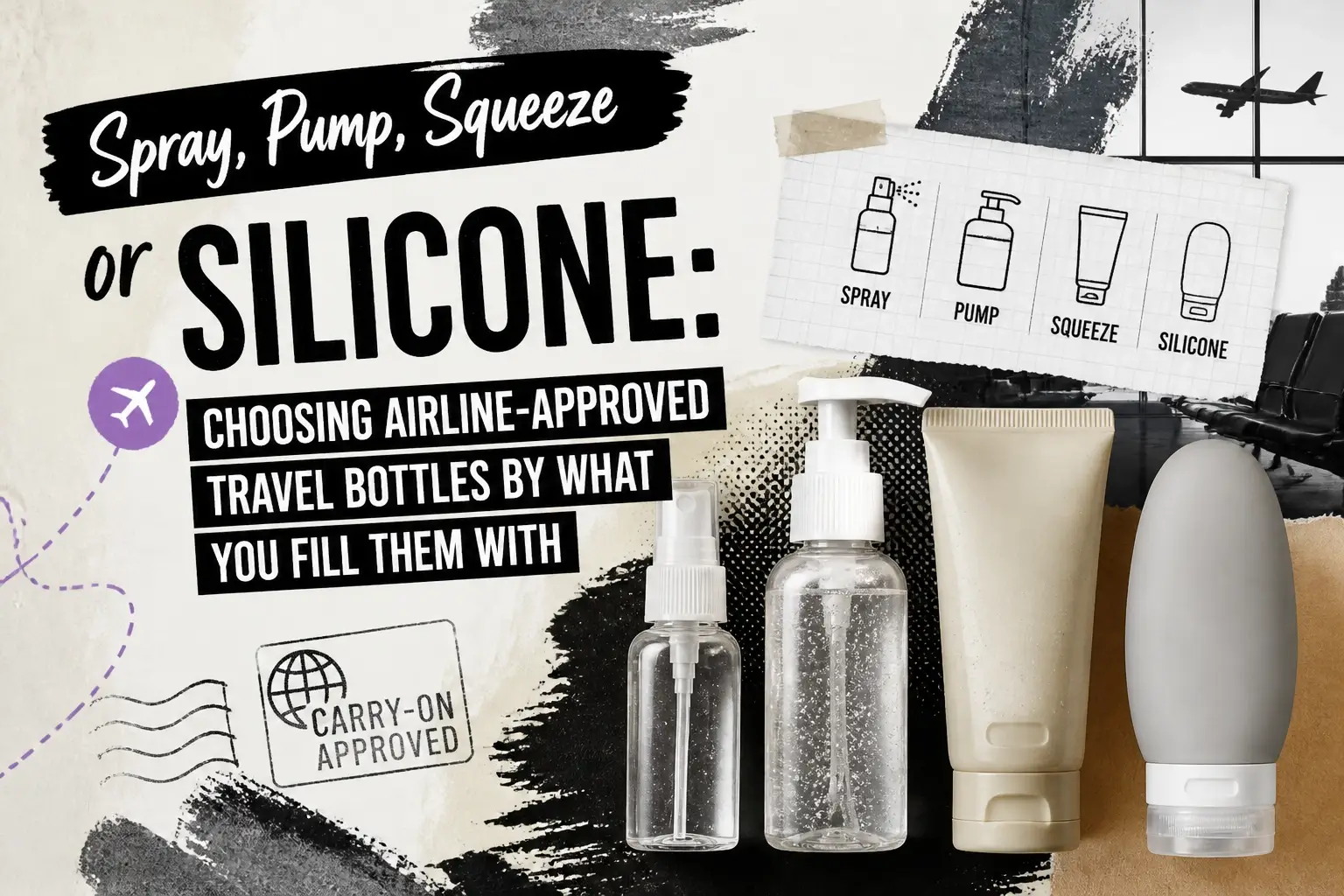
Pack personal-care products you already use, with regulated liquids in the appropriate screening bag. See our carry-on toiletry packing guide. Follow product labels rather than treating cosmetics or hydration apps as guarantees against discomfort.
How do you keep the seat area organized?
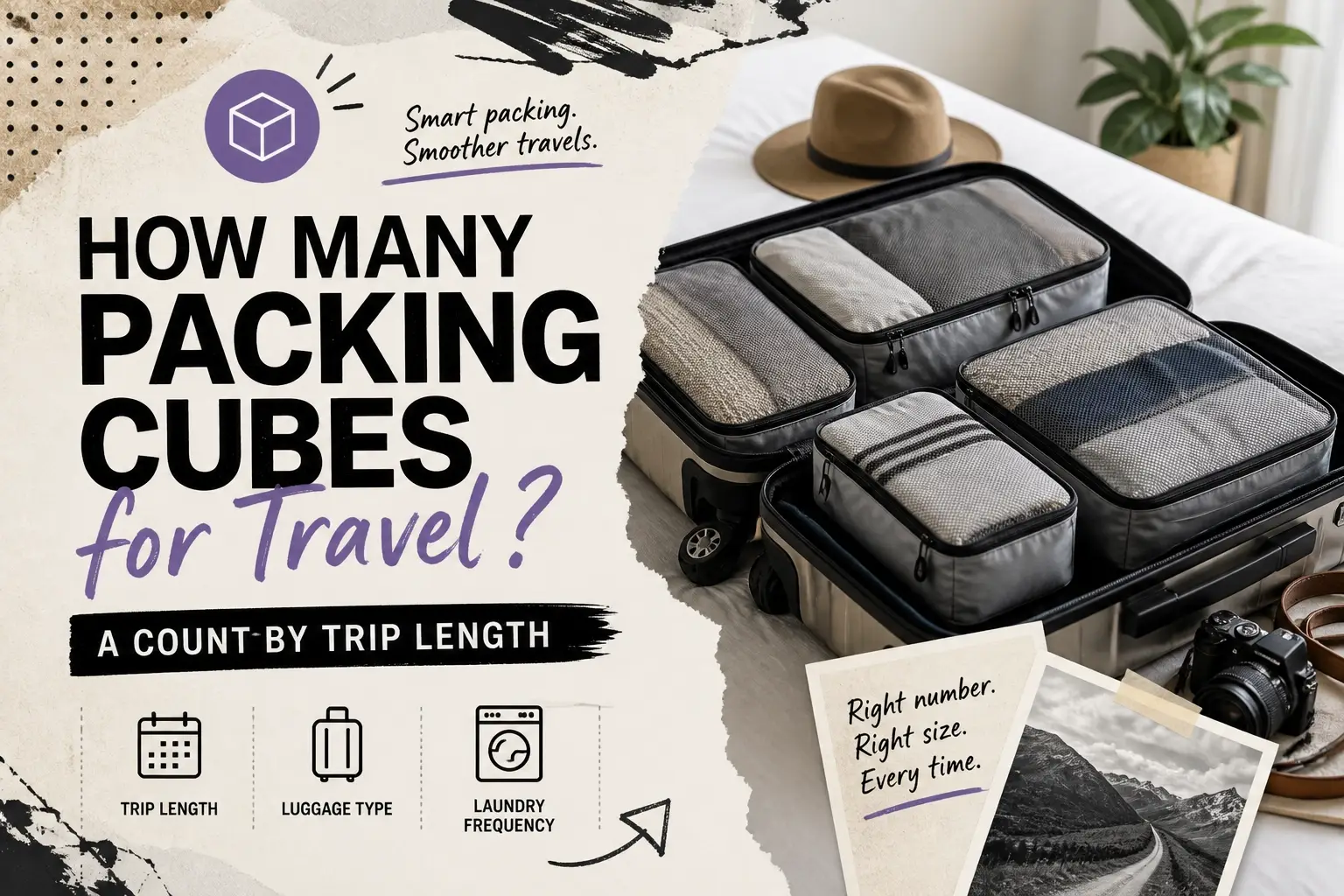
Keep one accessible pouch for your phone, charging cable, headphones, and small essentials. Compare the BANGE Electronics Organizer with your equipment. Packing cubes can group clothing; toiletry organizers help separate products, but neither guarantees compression or leak containment.
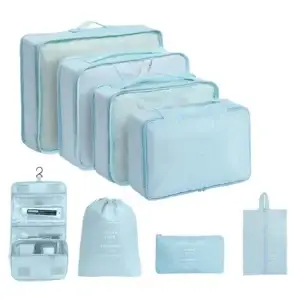
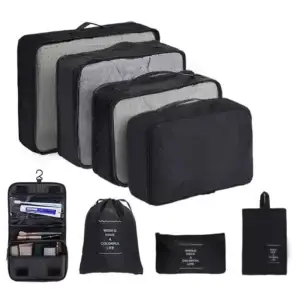
A RFID Family Passport Holder can group documents and cards. Keep it physically secure and accessible; RFID shielding does not prevent every form of theft or fraud.
What medication and first-aid supplies should stay accessible?
Keep necessary medication in your cabin bag and follow its storage instructions. Check destination rules and carry documentation when appropriate. Our Medical First Aid Bag is an organizer; check the selected product listing for what is included. Choose supplies around your own needs and avoid assuming a storage bag contains medicines or a complete kit.
Use hygiene products according to their labels. Health accessories do not guarantee protection from illness. Plan your individual medical needs before departure rather than relying on a general packing checklist.
Long-Haul Flight Packing Checklist
- Travel documents and identification
- Neck support or travel pillow
- Reusable water bottle
- Charging cable and airline-compliant backup power
- Headphones or earbuds
- Medication and basic first-aid supplies
- Comfort layer, eye mask, and other personal essentials
Pack by Need
| If your main concern is… | Prioritize | Relevant gear |
|---|---|---|
| Neck comfort | Support and adjustability | Memory Foam Travel Neck Pillow |
| Hydration | Easy refill and low packed bulk | 700 mL Collapsible Water Bottle |
| Device power | Battery rating and airline rules | 20000mAh Portable Power Bank |
| Small-item organization | Quick access during the flight | BANGE Electronics Organizer |
| Travel documents | Keeping passports and cards together | RFID Family Passport Holder |
What belongs in your kit during a connection?
Keep a layer, necessary medication, documents, and permitted charging gear within reach. Save your next boarding details offline. Check the connecting airport’s screening instructions and the next airline’s accessory and battery rules before boarding.
FAA power-bank carriage guidance.
A Simple 10-Hour Flight Routine
- Before boarding: refill your water bottle after security, charge devices, and keep documents, medication, headphones, and one charging cable within easy reach.
- After takeoff: settle your seat area, store loose items, and adjust your light layer or neck support before you become tired.
- Every few hours: change position, move your legs, and follow any personal medical guidance you have for long-distance travel.
- Mid-flight: check battery levels and use backup power only if the operating airline permits it; follow its charging and storage instructions.
- Before landing: repack cables, documents, medication, and small accessories before the cabin becomes busy.
Do This the Night Before Your Flight
- Charge your phone, earbuds, and power bank to the level you plan to travel with.
- Put your passport, wallet, medication, charging cable, and headphones in the exact personal-item pocket you will use at the airport.
- Test your neck pillow or other comfort item for fit before packing it.
- Confirm your airline’s current battery and carry-on rules.
- Pack one light layer where you can reach it without opening the overhead bin.
Choose Your Long-Haul Setup by Traveler Type
| If this sounds like you | Do this before boarding | Keep at your seat |
|---|---|---|
| You plan to sleep | Test your neck pillow, set an alarm if needed, and put a light layer in your personal item. | Neck pillow, eye mask, headphones, water bottle. |
| You plan to work | Charge your laptop and phone, download files for offline use, and pack one primary charging cable. | Laptop or tablet, charger, headphones, electronics organizer. |
| You are traveling internationally | Confirm passport, destination documents, adapter needs, and airline battery rules. | Passport holder, phone, medication, one charging cable. |
| You travel with medication | Pack necessary medication in your carry-on and keep it in its original or clearly labeled container when appropriate. | Medication and any related instructions you may need during the flight. |
30-Second Go/No-Go Check
- Can you reach your passport or ID without standing up? If not, move it.
- Can you reach necessary medication without opening the overhead bin? If not, move it.
- Can you charge your main device with one cable and one power source? If not, simplify your setup.
- Does your comfort item actually fit your body and seat position? If not, leave it out.
- Are your battery-powered items packed according to the operating airline’s current rules? If not, fix that before boarding.
At Your Seat: Set Up in 2 Minutes
- Put your phone, cable, headphones, and medication in the same easy-access pocket or organizer.
- Store loose items before takeoff so nothing slides under the seat.
- Keep the aisle and floor area clear.
- Place your water bottle where it will not leak onto electronics or documents.
- Once settled, leave the overhead bag closed unless you actually need something from it.
Official Long-Haul Travel Resources
- CDC: Blood Clots During Travel — current guidance on risk factors and prevention for long-distance travel.
- CDC: Jet Lag — practical guidance for reducing sleep disruption across time zones.
- U.S. Department of State: International Travel Checklist — preparation, documents, safety, and destination planning.
- FAA: Airline Passengers and Batteries — official power-bank and spare-lithium-battery guidance.
- IATA Traveler Resources — passenger travel information and airline-related guidance.
Explore more practical travel gear at EssentialForTravel.com, and compare our carry-on luggage size guide, packing cubes vs. compression cubes guide, and travel toiletry bag guide before your next long flight.
Long-Haul Flight Essentials FAQ
What should stay within reach on a long-haul flight?
Keep required medication, travel documents, a charging cable, water when permitted, and a few comfort items in an accessible personal item. Do not block aisles or emergency exits.
Can I use a power bank during the flight?
Airline rules for power banks and their use vary. Carry spare lithium batteries and power banks in cabin baggage as required, check capacity limits, and follow crew instructions about charging or use.
Should I bring a neck pillow for a ten-hour flight?
A neck pillow is optional. Choose one that fits your posture and seat arrangement, and test it before departure. It cannot guarantee sleep or prevent discomfort.
How should I pack liquids for U.S. airport screening?
For ordinary carry-on liquids, follow the TSA 3-1-1 rule: containers of 3.4 ounces (100 mL) or less in one quart-size bag. Medically necessary liquids may have exemptions and additional screening.
Can I attach a phone holder to an airplane seat?
Only if your airline permits the attachment and it does not interfere with equipment or other passengers. Follow crew instructions and remove it when asked.