By Garry Barnes | Published November 2026 | Updated November 2026
Plan your Manila arrival around two decisions: your NAIA terminal and the neighborhood where you will stay. This guide covers airport transfers, Makati, Bonifacio Global City and Pasay, plus sightseeing in Intramuros, Rizal Park and nearby museums. You will also find entry and eTravel information, weather advice, packing suggestions, emergency contacts and ideas for traveling onward. Group each day’s stops by area and leave time for traffic. Planning an onward island trip? Read our Philippines beaches and waterfalls guide for Cebu, Palawan and other destinations.
Why Manila and Rizal Will Always Be Special to Me
I have flown into Manila seven times, but one journey stands apart: about 22 years ago, I married in Morong, Rizal. My family there remains very dear to my heart. When I think about those visits, I think of time spent together, the warmth I have experienced from Filipino people, and the importance of making room for family in everyday life. Sharing food is part of those memories too, whether it is a home-cooked meal or sitting down together over familiar Filipino favorites such as adobo, pancit and lumpia. Those personal ties shape how I write about Manila: I want visitors to see more than an airport and a sightseeing checklist, and to approach the people and communities they meet with curiosity and respect.
Travel Advisories for Manila and Onward Trips
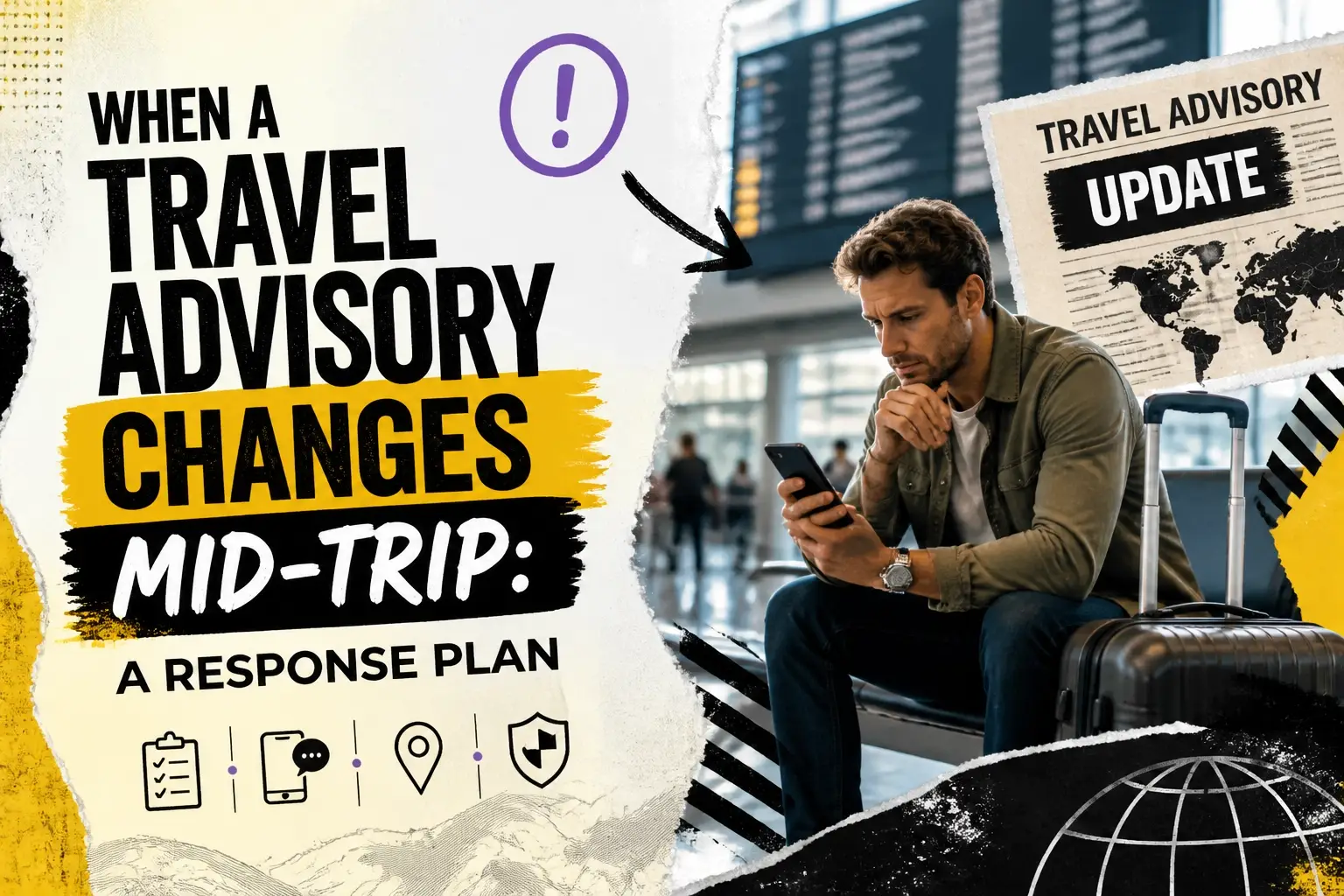
Check the U.S. State Department’s Philippines advisory before booking and again before departure. Read both the countrywide guidance and the warnings for individual regions, especially if your itinerary continues beyond Manila.
The UK’s Foreign, Commonwealth & Development Office (FCDO) provides additional regional and safety guidance. Review the advice for each destination, follow local alerts and check how traveling against official advice could affect your insurance.
Our guide to reading U.S. travel advisories explains the advisory levels. Use the official destination page for current travel decisions.
Entry Rules for US Passport Holders
Entry rules: US tourists may qualify for visa-free visits of up to 30 days, subject to current conditions. Verify passport validity, onward or return ticket requirements, and permitted stay with the US State Department and Philippine immigration authorities before departure. Requirements can differ for other nationalities and purposes of travel.
For authoritative details, consult the Philippine Embassy in Washington and the Philippine Bureau of Immigration. If you plan to work, study or stay longer than a short tourist visit, check which entry category and extension process applies before you travel.
Airlines may check entry documents before boarding. Keep your passport, booking confirmation, required arrival declaration and insurance details accessible, with secure offline copies where appropriate. Our international travel packing list has a fuller document checklist.
Before Departure: A Manila Travel Decision Checklist
Work through these decisions in order. They prevent avoidable problems that a general packing list cannot solve.
- Verify entry documents: check the official immigration and embassy requirements for your nationality and intended length of stay. Confirm the exact passport name on your flight booking and save any required arrival declaration.
- Confirm every flight terminal: use the airline’s current itinerary, including for a domestic connection. A change of terminal or a separate ticket can alter how much transfer time you need.
- Choose a hotel based on your first full day: for a brief layover, prioritize straightforward airport access; for historical sightseeing, group Intramuros, Rizal Park and museums into one area-based day.
- Check weather and transport: review PAGASA forecasts and advisories, and leave a flexible indoor alternative if heavy rain is possible.
- Prepare offline essentials: save the hotel address, booking references, arrival QR code if required, an offline map, emergency contacts and your insurer’s assistance number. Keep critical medication and documents in hand luggage.
- Plan for disruption: budget for a delayed arrival, extra rides or an additional hotel night, especially when connecting to another Philippine island.
For a fuller equipment and document check, see our international travel packing list. This checklist complements the detailed airport and entry sections below; it does not replace official requirements.
For your cabin bag, use our international carry-on backpack guide to compare fit and organization, then check our carry-on liquid limits guide for departure and connecting-airport screening. U.S. travelers can also use the Smart Traveler Enrollment Program (STEP) to receive destination alerts from U.S. embassies and consulates.
When to Visit Manila
PAGASA’s climate guide describes the Philippines’ broad dry season as December through May and rainy season as June through November. December to February is generally cooler; March to May tends to be hotter. Conditions vary by location and year.
Heat and humidity affect sightseeing throughout the year. Plan outdoor walks earlier in the day and keep an indoor alternative for heavy rain. PAGASA’s tropical cyclone information explains the wider storm risk. Check current forecasts and warnings before travel and leave room for disrupted plans.
Manila Airport (MNL): NAIA Terminals and Transfers to Metro Manila
Quick answer: Manila’s main airport is Ninoy Aquino International Airport (MNL), also called NAIA. Check the terminal assigned to each flight, arrange pickup through an authorized transport service, and allow extra time for traffic and any terminal change. If you are traveling onward on separate tickets, confirm baggage and check-in requirements with both airlines.
Ninoy Aquino International Airport (NAIA) has multiple passenger terminals, and airline assignments can change. Check the airport operator’s current airline and terminal information, then confirm the terminal on your airline’s latest itinerary and again before departure. For a connection, confirm whether you must collect checked baggage, clear immigration or customs, transfer between terminals, and check in again. These steps matter particularly when flights are booked on separate tickets.
For your transfer into Metro Manila, compare the transport options available at your specific terminal. App-based rides can show a fare estimate before booking, but prices, pickup bays, vehicle capacity and payment methods may vary. Check the current pickup instructions in the app, confirm the driver and plate before entering the vehicle, and keep your hotel address saved offline. Allow a generous time buffer during peak traffic and heavy rain; an airport-to-city travel-time estimate is not a promise.
For journeys between districts, compare rail, metered taxis and app-based rides according to your route, luggage and the weather. LRT and MRT stations can be useful for some trips, but a station may still be far from your hotel or attraction. Check current routes, operating hours and fares with the transport operator before setting out. During rush hour or heavy rain, leave extra time for cross-city travel and confirm the vehicle details for any app-booked ride.
Where to Stay: Match Your Hotel to Your Plans
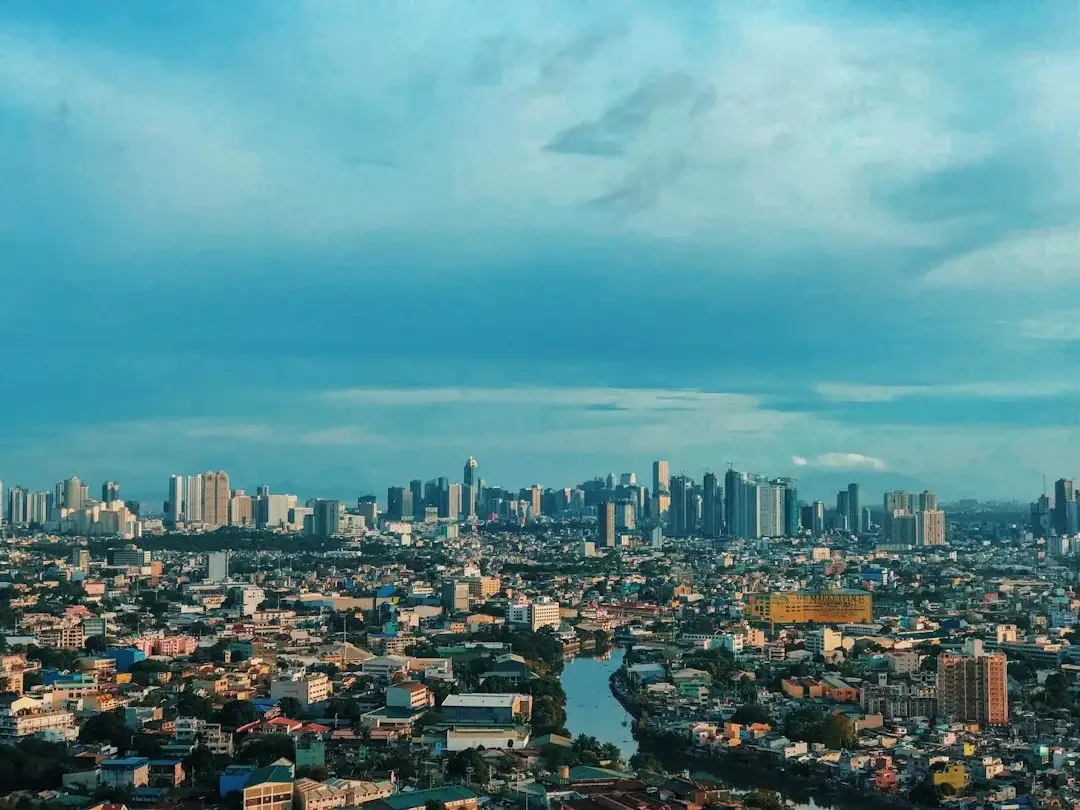
Location guide: Metro Manila (the National Capital Region) is on Luzon, Philippines. Ninoy Aquino International Airport serves the metropolitan area from Pasay and Parañaque. Intramuros is in the City of Manila; Makati is a separate city; Bonifacio Global City is in Taguig; and Ortigas Center spans parts of Pasig, Mandaluyong and Quezon City. These distinctions matter when searching for hotels, planning transfers and checking local weather or traffic alerts.
Check recent hotel reviews, nearby transport and local conditions before booking. The exact address matters as much as the district.
Intramuros, Ermita and Malate: Consider these areas if your priority is historic Manila, museums and nearby sightseeing; check the exact hotel location and the route between attractions. Makati: A practical base for restaurants, shopping and business appointments. Bonifacio Global City (BGC), Taguig: An option for visitors who prefer a modern district with dining and shopping concentrated in a smaller area. Pasay: Worth comparing for a short airport stopover, though actual transfer times depend on your terminal and traffic. Ortigas: Convenient for appointments in the central metropolitan area. None of these choices guarantees a short commute across Metro Manila.
Choose a base near the places you plan to visit. Before booking, check the walking route between your hotel and the restaurants or transport you expect to use at night.
Everyday Safety in Manila
Avoid demonstrations and large gatherings, follow local alerts and allow extra journey time when events could affect your route. Before departure, check your insurance policy and ask the insurer how official travel advice affects your coverage.
In crowded areas, keep your phone and valuables secure, carry only the cash you expect to need, and store backup payment methods separately. For app-booked rides, check the driver’s identity and vehicle plate before boarding. A compact travel money belt with a zippered pouch can help keep essentials close, but no bag eliminates theft risk. If you experience theft, prioritize your safety, contact local police, secure affected accounts and ask your insurer what documentation it requires.
Money, Daily Costs and Mobile Data
The currency is the Philippine peso (PHP). Carry some small-denomination notes for markets, local transport and vendors that may not accept cards. Keep a second payment method separate from your wallet, and check your bank’s overseas withdrawal and currency-conversion charges before departure.
Exchange rates change, and the rate offered by a bank, ATM or exchange counter may differ from the central bank’s reference rate. Check the Bangko Sentral ng Pilipinas daily reference bulletin near your departure date, then account for card conversion fees, ATM charges and any exchange-service markup when planning your budget.
Build your budget from prices for your actual dates: accommodation, meals, local transport, admission fees and a buffer for delays or extra rides. For a rough sense of meal and everyday prices, Numbeo’s Manila estimates are crowdsourced and may differ substantially from what you pay. Check menus, booking sites and ride-app estimates before making commitments. Allow for exchange-rate changes and payment fees.
Check current attraction admission fees and visiting hours with the Intramuros Administration. For the National Museum complex, confirm access and visitor rules on the official museum website before setting out.
Before arriving, check whether your phone supports an eSIM or needs a physical SIM, and compare roaming with local data plans. Keep the hotel address and airport pickup instructions available offline. Payment options vary by ride service, merchant and account, so confirm the available methods in the app before booking. Use ATMs in well-lit, supervised locations when possible, and check fees before confirming a withdrawal.
What to Pack for Manila
Bring light clothing, comfortable walking shoes and a compact rain layer. Keep documents, medication and charging essentials in your carry-on.
- Drinking water: Our water bottle guide helps you choose a bottle. The 700 mL collapsible silicone bottle is one option. Fill it with drinking water from a safe source.
- Charging: Check the labeled watt-hours and your airline’s rules before packing our 20,000mAh power bank. See the FAA’s spare-battery guidance. For wall charging, check the 45W–65W travel adapter against your destination’s outlets and your device requirements. It does not convert voltage.
- Toiletries: Choose containers suited to their contents using our travel bottle buying guide. Check carry-on bottle sizes and packing tips, test closures before departure, and keep liquids in a toiletry bag.
- Clothing and small items: Use our packing cube count by trip length to plan your kit. Options include a 6-piece compression packing cube set, a clear zipper pouch for small items and a BANGE electronics organizer for cables and chargers.
- Flight comfort: Follow our long-haul flight essentials guide when packing your cabin bag. A memory foam neck pillow is optional; fit and comfort vary. Use the travel essentials checklist for a final equipment check.

Manila Travel Guide: Quick Answers
Where is Manila? Manila is the capital of the Philippines, on Luzon island. It is one city within Metro Manila, also called the National Capital Region.
Which airport serves Manila? Ninoy Aquino International Airport (MNL), commonly called NAIA, serves Metro Manila. Check the terminal on your airline confirmation because transfers between terminals require extra time.
Where should a first-time visitor stay? Makati and Bonifacio Global City in Taguig are common bases for hotels and dining; Pasay can be convenient for airport access. Choose based on the places you plan to visit, not just distance on a map.
What emergency number works in the Philippines? Call 911 for police, fire or ambulance emergencies. Save your hotel address and embassy contact details offline.
Is Manila the same as Palawan or Cebu? No. Palawan and Cebu are separate island destinations that require additional travel from Metro Manila.
Manila Travel FAQs
How should I prepare for a NAIA terminal transfer?
Check both flight terminals with your airline before departure. Allow extra time for traffic, baggage collection, immigration and terminal changes, particularly when flights are booked on separate tickets.
What should I do before leaving for Manila airport?
Confirm your flight status and terminal, save your hotel address offline, complete any required eTravel registration using the official government site, and keep travel documents and medication in your carry-on.
What other Philippines destinations can I plan after Manila?
For beaches and waterfalls outside Metro Manila, read our Philippines beaches and waterfalls travel guide. Check domestic flight or ferry schedules separately.
Is Manila safe for tourists?
Safety conditions vary by neighborhood, activity and current events. Read the current US travel advisory, follow local alerts, secure valuables in crowded places and use verified transport. Regional warnings elsewhere in the Philippines should not be mistaken for a single risk rating for every part of Metro Manila.
Do US citizens need a visa for the Philippines?
Many US tourists qualify for visa-free visits of up to 30 days, subject to entry conditions. Check the Philippine Bureau of Immigration and US State Department for current passport, onward-ticket and stay requirements. Longer visits and non-tourist travel may require a different process.
What is the best time to visit Manila?
PAGASA describes a broad dry season from December to May and rainy season from June to November. December to February is generally cooler; March to May tends to be hotter. Tropical cyclones can disrupt travel, so check current PAGASA forecasts and warnings rather than relying on seasonal averages.
How do I get from NAIA into the city?
Check the pickup location for your arrival terminal and compare the fare displayed in your transport app before confirming a ride. Traffic, weather, time of day and your destination can change the journey substantially; do not treat a quoted average travel time or fare as guaranteed. Confirm your terminal with your airline first.
How much cash should I carry?
Keep enough Philippine pesos for small purchases and transport, but avoid carrying your entire travel budget. Use a secure place for backup funds and documents, follow local identification requirements, and check the current exchange rate and withdrawal fees.
For documents and luggage, use our international travel packing checklist. Read our guide to understanding U.S. travel advisories before choosing onward destinations.
Before You Fly: Complete the Free Philippine eTravel Form
Use the official Philippine eTravel website for any declaration required for your journey. Registration is free. Check the government FAQ for traveler categories, exemptions and the registration window, which is within 72 hours before arrival or departure as applicable. Save your confirmation or QR code offline, and avoid third-party sites that charge to submit the form.
The declaration also supports customs processing. Read the Philippine Bureau of Customs traveler guide if you are carrying large amounts of cash, expensive new purchases or goods that might require permits. Do not assume that clearing immigration means you have finished customs requirements.
A Practical First 24 Hours in Manila
Before landing: Screenshot your hotel address, booking confirmation, eTravel QR code and the airport terminal shown on your ticket. Download an offline map covering the airport and your hotel. Keep a small amount of Philippine pesos available for incidental purchases; compare airport exchange rates with bank or licensed exchange counters rather than converting the entire trip budget immediately.
At arrivals: Follow the signs for your terminal’s authorized pickup area. If using Grab, check the vehicle registration and driver shown in the app before getting in. Do not give your phone to someone offering to arrange a ride. If your flight arrives late, choose a straightforward hotel transfer and save sightseeing for the next morning.
At the hotel: Confirm the next day’s destination and return transport, charge your devices, and put your passport and backup payment card somewhere secure. Manila’s traffic makes an itinerary built around one neighborhood more realistic than racing between distant districts.
Planning Manila Without Losing a Day to Traffic
Metro Manila is a collection of cities rather than one compact sightseeing district. Build each day around nearby stops, and check travel times shortly before leaving. A route that looks short on a map can take much longer during rush hour, heavy rain or a major event.
Choose a base for your actual itinerary
If you have an early flight, a hotel in Pasay or near your confirmed airport terminal may simplify departure, although airport roads can still be congested. For restaurants and a contemporary city stay, compare hotels in Makati and Bonifacio Global City. If your main interest is Spanish-era history and museums, plan a dedicated day in the City of Manila rather than assuming these attractions are a quick walk from a Makati hotel.
Make airport connections less risky
Check the terminal for each flight separately. If you are connecting on separate tickets, allow for immigration, checked-bag collection, a possible terminal transfer, security screening and traffic. A short connection that works on one through-ticket may be unrealistic when you must check in again. For a long-haul arrival followed by a domestic flight, consider whether an overnight stay would make the journey more manageable. Follow your airline’s connection guidance rather than treating any suggested buffer as a guarantee.
Plan for rain, heat and accessibility
Schedule outdoor walks earlier in the day, carry drinking water and leave an indoor alternative for sudden rain. Pavements, crossings and accessibility vary by neighborhood and attraction; travelers with mobility needs should confirm step-free access, elevators and suitable transport directly with hotels and venues. During severe weather, prioritize official PAGASA warnings and local instructions over a sightseeing schedule.
Keep a realistic daily budget
Separate your budget into accommodation, airport transfers, local rides, meals, attraction admissions and contingency funds. Hotel prices and ride fares can change with demand and weather. Use the latest quoted prices at booking and keep a second payment method available. For a two-day stay, one historic-center day and one day near your hotel will often be more practical than multiple cross-city journeys.
Places American Visitors Should See in Manila
For a first visit, pair Intramuros with nearby Rizal Park and the National Museum, checking opening hours before you leave. Visit Makati or Bonifacio Global City on a separate day if time allows. The stops below explain what makes each area worth visiting.
Intramuros and Fort Santiago
Walk the old walled city to see Spanish-era streets, churches and fortifications. Fort Santiago is particularly important for understanding the life of Philippine national hero José Rizal. Check admission fees and visiting hours with the Intramuros Administration before you go.
Rizal Park (Luneta)
Visit the monument honoring José Rizal and explore one of Manila’s best-known public spaces. It pairs naturally with a visit to nearby Intramuros. Go earlier in the day to avoid the strongest heat.
National Museum of the Philippines
Allow time for the National Museum complex, especially if you want context on Philippine art, archaeology, natural history and the country’s cultural heritage. Check the official museum website for current galleries, hours and visitor rules.
San Agustin Church
Within Intramuros, San Agustin Church offers a close look at the city’s colonial-era architecture and religious history. Check access arrangements in advance, as services and events may affect visits. For historical context, read UNESCO’s Baroque Churches of the Philippines listing, which includes San Agustin Church in Manila.
Binondo and Chinatown
Explore Binondo for Filipino-Chinese food and neighborhood history. A daytime food walk is an easy way to experience a different side of Manila; check opening hours and use established eateries.
Makati or Bonifacio Global City
For contemporary Metro Manila, spend an afternoon in Makati or Bonifacio Global City in Taguig. These districts offer restaurants, shops and walkable commercial areas, making them convenient choices for a relaxed evening near your hotel.
Suggested route: Group Intramuros, Fort Santiago, San Agustin Church, Rizal Park and the National Museum into a historic-center day. Visit Binondo separately if you want more time for food, and save Makati or BGC for another day. Check local traffic and opening hours before setting out.
Manila vs. Cebu: How to Choose
| Travel interest | Manila | Cebu |
|---|---|---|
| Best for | History, museums, food and city districts | Beaches, diving, waterfalls and island excursions |
| Airport | Ninoy Aquino International (MNL) | Mactan-Cebu International (CEB) |
| Suggested time | 2–3 days for major city sights | 4–6 days including travel beyond Cebu City |
| Transport | Plan around urban traffic | Allow time for long island road transfers |
Choose Manila for museums, Intramuros, Rizal Park, food neighborhoods and modern city districts. Choose Cebu for coastal excursions, snorkeling, diving, waterfalls and a mix of urban and island experiences. Cebu City itself is urban; many beaches and nature activities require travel elsewhere on Cebu Island.
Attractions and activities
In Manila, visit Fort Santiago, San Agustin Church, the National Museum and Binondo. In Cebu, explore Magellan’s Cross and Fort San Pedro in Cebu City, or travel to Moalboal for snorkeling and diving and Badian for Kawasan Falls. Wildlife encounters and waterfall access depend on weather, local rules and conditions.
Airports, transportation and trip length
Manila is served by Ninoy Aquino International Airport (MNL); Cebu is served by Mactan-Cebu International Airport (CEB). Both metropolitan areas can experience heavy traffic. Allow about two or three days for Manila’s main city sights and four to six days for Cebu if you plan to visit places outside Cebu City. Confirm domestic flight schedules and transfer times before booking.
Costs and practical differences
Costs vary in both destinations. Hotel location, travel dates, transportation and paid excursions can change the total considerably. A museum-focused Manila visit may involve fewer long transfers, while Cebu diving, boat trips and trips to waterfalls can add transport and guide costs. Compare actual bookings rather than relying on a single citywide daily budget.
Suggested combination: For a nine-day trip, consider two or three days in Manila and the remaining time in Cebu. Include the flight and airport transfers in your schedule rather than treating them as sightseeing time. For additional island ideas, read our Philippines beaches, waterfalls and culture guide. Check the current U.S. travel advisory before departure.
Two-Day Manila Itinerary by Neighborhood
Day one: historic Manila. Build the day around Intramuros and nearby museums rather than mixing the old city with distant shopping centers. Start early to avoid the strongest midday heat, carry water, and check official attraction hours before leaving. Wear comfortable walking shoes and keep a rain layer in your day bag. Reserve the evening for a meal near your accommodation instead of another cross-city journey.
Day two: choose one modern district. Spend the day in Makati or Bonifacio Global City, depending on your hotel and interests. A relaxed plan might include a neighborhood walk, lunch, and a museum or shopping stop, with time left for packing before an onward flight. If you are connecting to another Philippine island, leave substantial buffer time and verify whether the flight departs from the same NAIA terminal.
Rain, Flooding and Flight Disruptions: A Simple Backup Plan
Heavy rain can disrupt road access even when your own neighborhood looks manageable. Check the PAGASA tropical cyclone bulletins and local rainfall warnings, then confirm flight status directly with your airline. If authorities advise avoiding travel, stay somewhere safe rather than attempting to cross flooded streets. Never walk or drive into floodwater to make a tour or flight.
A useful contingency is one flexible activity near your hotel, copies of your essential documents stored offline, and a charged phone with a working local data connection. Keep medication and one change of clothes in your carry-on in case checked baggage is delayed.
Traveling Beyond Manila
Palawan and Cebu require additional travel from Metro Manila. Check domestic flight or ferry schedules, weather and local transfers before adding another destination. Our Philippines beaches, waterfalls and culture guide covers ideas for the island portion of your trip.
Related Packing and Safety Guides
- Carry-on luggage size guide: measure your bag and check every airline’s current limits.
- How to pack light for long trips: plan a smaller kit for hotel changes and island transfers.
- Travel security essentials: organize documents, valuables and backup payment methods.
- Travel emergency kit checklist: keep essentials accessible during delays or baggage problems.
Check official travel requirements, airline instructions and insurance coverage again shortly before departure. Learn about the author and site on our About Us page.
Emergency Contacts for Visitors to Manila
Save these numbers offline before arriving. For an immediate police, fire or medical emergency in the Philippines, call 911 first. The Philippine National Police also lists 117; the Philippine Red Cross hotline is 143. See the Philippine government emergency hotline directory for additional disaster and local assistance contacts.
U.S. citizens needing consular help: Contact the U.S. Embassy in Manila at +63 2 5301-2000 (including after-hours emergencies). From the United States or Canada, the U.S. Department of State emergency assistance line is 888-407-4747; from elsewhere, call +1 202-501-4444. The embassy can assist with lost passports, serious crimes and other consular emergencies, but it does not replace local police or ambulance services. Read the official Help Abroad guidance.
Before departure, review the current U.S. State Department Philippines travel advisory and the UK government emergency-services guidance. Emergency lines and consular contact details can change; confirm them close to your travel date. Keep your insurer’s 24-hour assistance number and hotel address saved offline as well.
Sources
- US Embassy in Manila — updates to the travel advisory for the Philippines
- UK Foreign, Commonwealth & Development Office — Philippines travel advice
- Bangko Sentral ng Pilipinas — daily reference exchange rate bulletins
- BSP Reference Exchange Rate Bulletin, 6 November 2026
- BSP — peso per US dollar, monthly and end-of-period series
- Numbeo — cost of living in Manila, updated 10 November 2026
- Intramuros Administration — site hours and fees