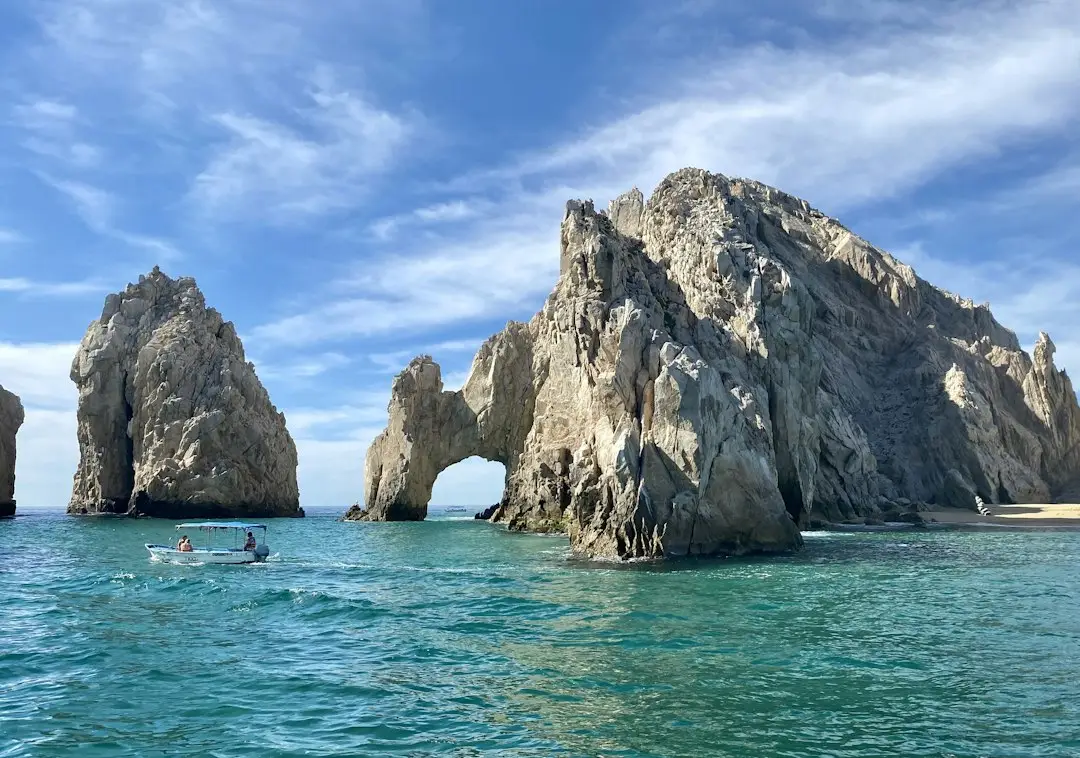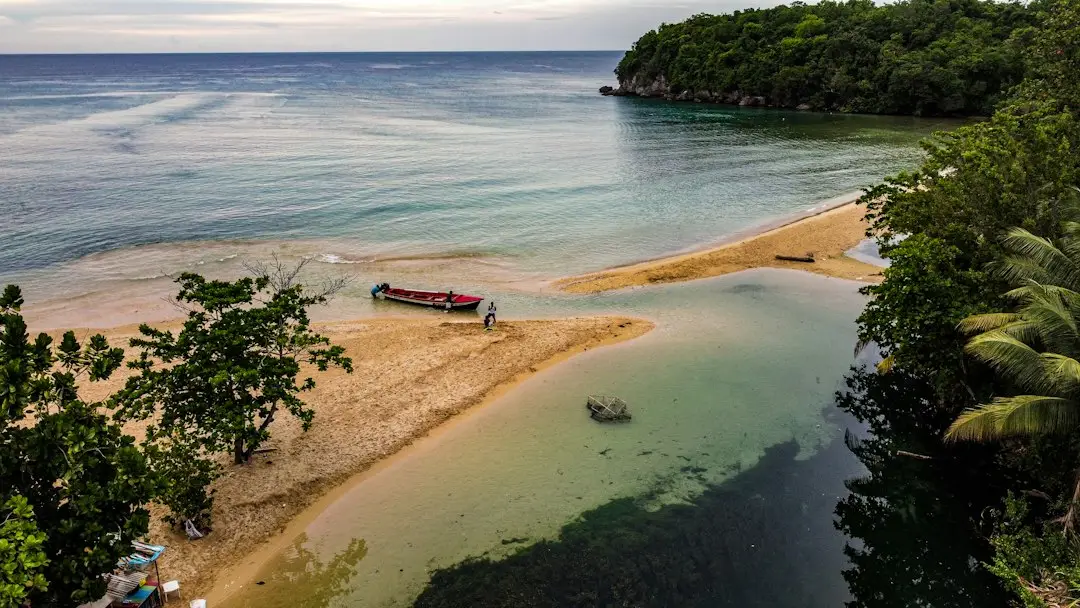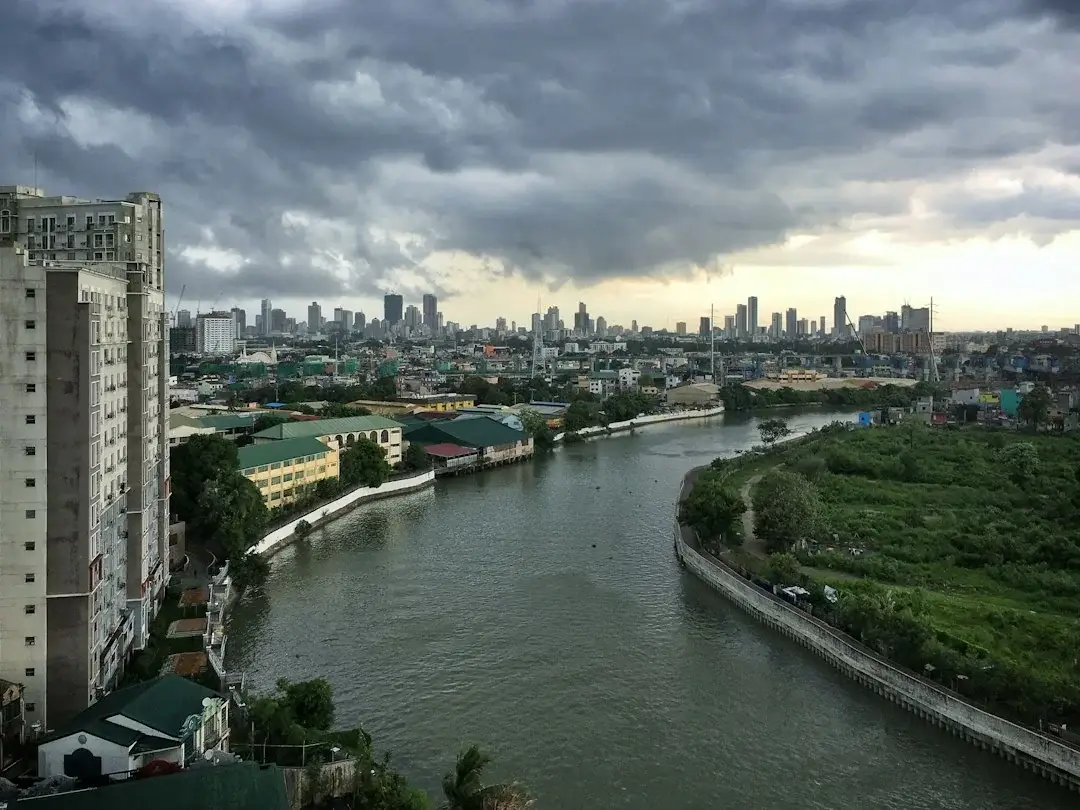
The Philippines is the rare destination where the two things people travel for hardest — a coastline that rivals anywhere on earth and waterfalls you hike to rather than drive to — sit inside a culture that will feel, at moments, unexpectedly familiar to American travelers. That familiarity is not a coincidence. It is history, and it is worth understanding before you go, because it explains the jeepneys, the food, the language, and the way you will be greeted.
This guide covers the beaches worth building a trip around, the waterfalls worth a detour, and where America runs through Filipino life — plus what to pack for both. If your flight arrives in the capital, start with our Manila Travel Guide for airport transfers, neighborhoods, emergency contacts and the first 24 hours before heading to the islands.
Quick answer: For a first Philippines trip, choose one or two regions based on your interests. Palawan is known for limestone lagoons and island-hopping; Cebu combines marine activities with waterfalls; Bohol offers beaches and inland sightseeing. Allow extra time for ferries, domestic flights and changing weather, and check current travel advice before booking.
The People, Family Traditions and Food That Bring Me Back
What stays with me most about the Philippines is the welcome I have felt and the family connections that continue long after a trip ends. I have traveled through Manila seven times, and my marriage in Morong, Rizal, about 22 years ago made those ties especially meaningful. My family there is very dear to my heart. I admire the care I have seen relatives show one another, the way people make time to gather, and the generosity of sharing a meal. Filipino food is part of that experience: adobo, sinigang, pancit and lumpia are wonderful starting points for visitors curious about the country’s many regional flavors. Beaches and waterfalls may inspire a trip, but the relationships and everyday hospitality I have experienced are what make the Philippines feel personal to me.
Why the islands reward the effort
The Philippines is an archipelago of more than 7,000 islands, and that number is the whole planning problem. There is no single “Philippine trip”. There is a route you choose: a gateway stay in Manila, a domestic flight or ferry, and then island hopping between beaches, reefs and waterfalls.
Two things make it easier than the map suggests. English is widely spoken, so navigation and negotiation are simple. And domestic flights, while prone to schedule changes, connect the main islands quickly. Two weeks is enough for two or three regions. One week is enough for one, done properly.
The beaches worth planning around
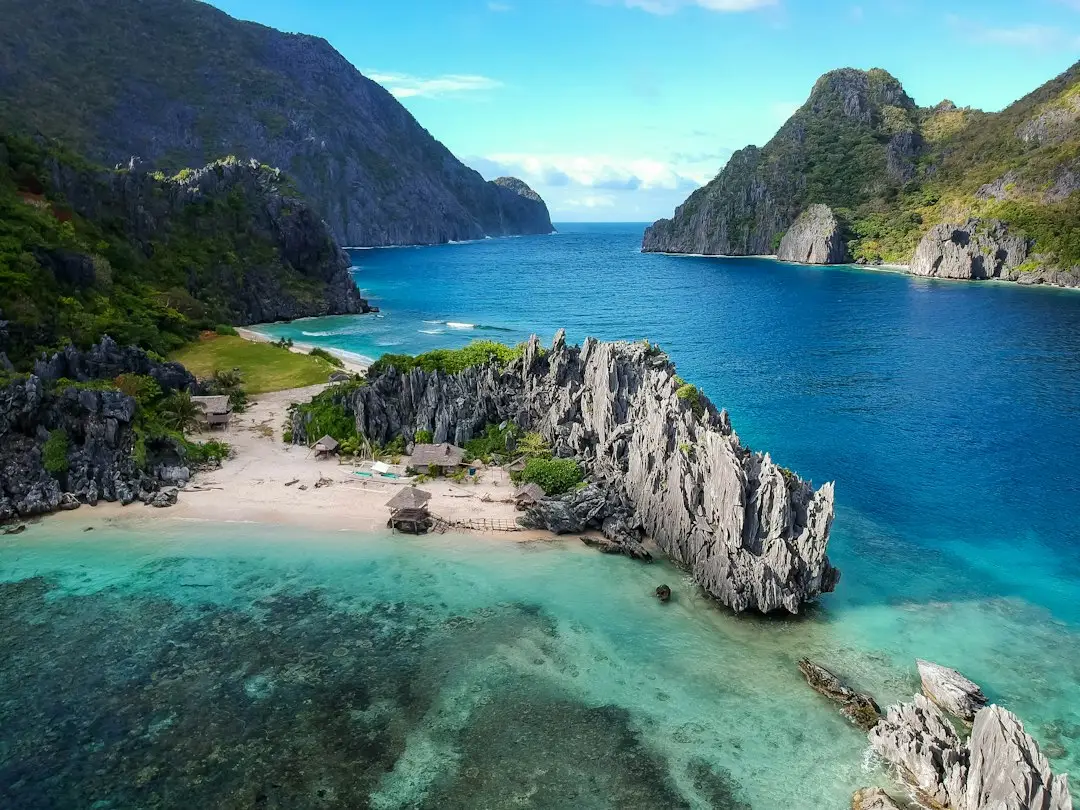
Featured Palawan photograph: Cris Tagupa / Unsplash.
Boracay, Aklan
The country’s best-known beach, and still the easiest introduction. White Beach is commonly described by its three main stations, and its sand is powder-fine, and the sunsets are the reason the island filled up. It is the busiest place on this list, with a developed strip of restaurants and bars, and it suits first-timers, families and anyone who wants logistics handled. Reach it via Caticlan (closest) or Kalibo.
Siargao, Surigao del Norte
A surf island in the east, with Cloud 9 as its famous wave and General Luna as its base. Beyond surfing there is island hopping to Naked, Daku and Guyam islands, and the calm water of Sugba Lagoon. Development is real but quieter than Boracay, and the pace suits travelers who want surf, motorbikes and long lunches.
Palawan: El Nido and Coron
Palawan is the postcard — limestone karst, lagoons and water so clear it looks edited. El Nido’s Bacuit Bay is the classic island-hopping day, with the Big and Small Lagoons as the headline stops; Nacpan Beach nearby is the wide, quiet alternative. Coron, further north, brings Kayangan Lake, the Twin Lagoon and a fleet of WWII shipwrecks for divers. El Nido town is busy and its permits are tightly managed — book tours in advance. Port Barton and Taytay are the slower versions.
Cebu: Moalboal, Malapascua and the quieter islands
Cebu is the transport hub of the Visayas and a destination in its own right. Moalboal has the sardine run and Pescador Island a short boat ride away, reachable from the shore. Malapascua, off the north tip, is where divers come for thresher sharks. Nearby Bantayan, Camotes and Siquijor trade crowds for quiet.
Bohol and Panglao

Panglao’s Alona Beach is a comfortable base for the Chocolate Hills, the tarsier sanctuaries, the Loboc River and the diving around Balicasag. Bohol pairs well with Cebu on a short ferry crossing, which makes it the efficient choice for a one-week trip.
Camiguin and Apo Island
Camiguin is a small volcanic island of cold springs, hot springs and waterfalls, with far fewer visitors than its scenery deserves. Apo Island, off Negros, is a marine protected area and one of the best snorkeling and diving stops in the country — and a good example of why respecting local reef rules matters.
The waterfalls worth the detour
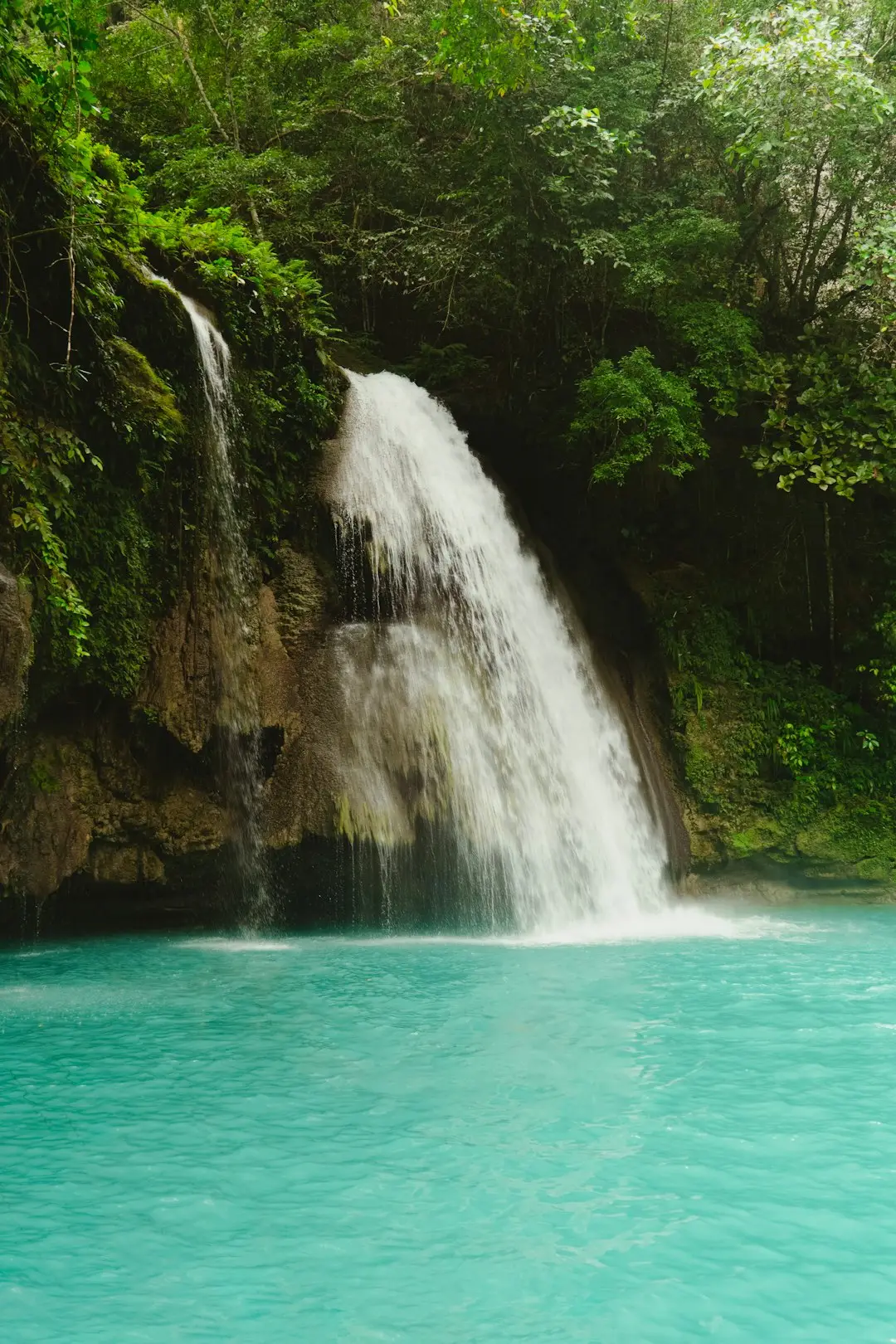
Kawasan Falls, Badian, Cebu
The country’s most photographed waterfall, and the anchor of a canyoneering route that starts upstream and finishes at the falls. The water is a startling blue-green. Go early: the canyoneering groups arrive mid-morning, and the falls themselves are busiest by late morning. Wear shoes with grip, and expect to be required to use a registered guide and a life vest.
Tinago Falls and Maria Cristina Falls, Iligan
Iligan is called the City of Majestic Waterfalls, and these two are why. Tinago sits at the bottom of a steep, wooded gorge — the name means “hidden” — and is reached by a long staircase. Maria Cristina is a twin-fall cascade used for hydroelectric power, so water volume depends on the plant’s releases; check before you commit to the trip.
Pagsanjan Falls (Magdapio), Laguna
Easily the most accessible waterfall on this list from Manila, reached by a traditional banca ride upriver through a gorge. It is a half-day trip, heavily organised, and worth it if your itinerary keeps you near the capital. Confirm the current boat and guide arrangements locally, as operations have changed over the years.
Tappiya Falls, Batad, Ifugao
The payoff at the end of the Batad rice terraces — a straight drop into a pool, reached by a steep descent. It is seasonal: in dry months the flow is thin, after rain it is powerful and the trail is genuinely slippery. Take a local guide, and give yourself more time coming back up than going down.
Camiguin’s Katibawasan and Tuasan
Katibawasan is the easy one, a short walk from the road, inside a lush ravine. Tuasan takes more effort and is better after rain.
Asik-Asik Falls, North Cotabato
A wide curtain of water that appears to flow out of the cliff face itself, with no visible river above it. It is remote, and access conditions change — confirm the route and local advice before travelling.
Waterfall safety, briefly
Do not swim directly beneath a fall or above one. Rainfall upstream can change a gentle flow into a dangerous one within minutes, and flash floods are the main hazard at Philippine waterfalls. Use the local guides, wear the life vest even when the pool looks shallow, take nothing you are not willing to get wet, and never trust a rock that looks dry — algae makes it a slide.
Diving the reefs—and the fish seen in American aquariums
The Philippines sits within the Coral Triangle, a region famous for its extraordinary marine biodiversity. On a reef dive you may encounter clownfish sheltering in anemones, butterflyfish picking around coral, schools of anthias, damselfish and vividly colored wrasses. Many of these groups are familiar to Americans from public aquarium displays and home saltwater tanks, but seeing them moving through a living reef is a different experience: fish depend on the coral, currents and shelter around them, not just the water.
Where to snorkel or scuba dive
Apo Island, Negros Oriental: A marine sanctuary known for reef fish and sea turtles; snorkeling and diving access depends on local conditions and protected-area rules. Moalboal, Cebu: Its famous sardine schools can sometimes be observed while snorkeling close to shore, while nearby dive sites offer walls and reef life. Balicasag, Bohol: A popular reef-diving destination where visitor limits and local regulations may apply. Coron, Palawan: Best known for wreck diving, with some sites requiring advanced training and careful depth planning. Beginners should choose a licensed operator and an appropriate introductory dive rather than attempting deep wrecks.
How Philippine reef fish reach U.S. aquariums
The Philippines has long participated in the international marine ornamental fish trade, including exports destined for U.S. aquarium businesses. Fish may pass through collectors, holding facilities, exporters, importers and retailers before reaching a tank. That supply chain raises important questions about animal welfare, survival during transport and the effects of collecting on wild reefs. It would be misleading to assume that every fish in an American aquarium came from the Philippines: sources vary by species and supplier, and some aquarium animals are captive-bred.
Responsible collecting should use legal permits and non-destructive methods. Cyanide fishing and destructive reef practices can harm marine ecosystems; visitors should never buy live reef animals as souvenirs. If you keep a saltwater aquarium in the United States, ask retailers about species identification, documented origin and captive-bred alternatives when available. A beautiful display is no substitute for a healthy source reef.
Dive without damaging what you came to see
Choose operators that brief guests on marine-park rules, keep fins and hands away from coral, avoid touching turtles or other wildlife, and do not chase fish for photographs. Use a guide when currents or entry conditions are unfamiliar. If you are new to diving, begin with snorkeling or a supervised introductory program; certified divers should stay within their training and check weather, visibility and current conditions on the day. Leave shells, coral and marine life where you found them.
Example seven-day Philippines itinerary: Cebu and Bohol
For a first visit, concentrate on two nearby islands rather than spending your week in airports. This example combines snorkeling, waterfalls and cultural stops; check ferry timetables, sea conditions and local access rules before booking.
- Days 1–2: Cebu City. Arrive, recover from travel and explore local food and historic sights. Allow extra time for traffic.
- Days 3–4: Moalboal and southern Cebu. Snorkel only when conditions are suitable; arrange a registered guide for any permitted canyoneering trip near Kawasan Falls.
- Days 5–6: Bohol and Panglao. Travel by an operating ferry route, visit the Chocolate Hills area and choose a responsibly run wildlife experience.
- Day 7: Return and depart. Leave a generous buffer before an international flight rather than relying on a same-day ferry connection.
Before packing, verify your specific airline’s current cabin-baggage size and weight rules, especially for domestic island flights. For a practical starting point, see our international travel packing list and carry-on luggage size guide.
What to pack for beaches, waterfalls and island transfers
Many Philippine island itineraries involve boats, wet weather, uneven paths and domestic flights. Pack for the activities on your actual route rather than carrying gear for every possibility. Our guide to packing light for long trips helps you plan a smaller kit for hotel changes and boat transfers.
For drinking water, a 700ml collapsible silicone water bottle folds flat when empty. Refill it only with water known to be safe to drink, such as properly filtered, treated or commercially bottled water.
For island transfers, choose one comfortable day bag with a secure pocket for your phone and documents. A crossbody chest bag is useful on ferries and short excursions; keep electronics in a separate waterproof pouch when traveling by boat. For overnight transfers, check your domestic airline’s cabin-bag dimensions and weight limit before selecting a larger backpack.
Carry some Philippine pesos in small denominations for tricycle rides, local markets and boat fees. Keep a backup payment card separate from your daily cash, and secure your passport at your accommodation when appropriate. A zippered travel money belt can help keep emergency cash discreetly stored. Use our travel security guide to organize documents, valuables and backup payment methods.
For the practical side, a travel first aid organiser bag keeps plasters, antiseptic and any medication findable after a reef cut, and a travel liquid toiletry container set keeps shampoo and sunscreen contained through island transfers.
For the journey from the United States, use our long-haul flight essentials guide. Two items to consider are a memory foam travel neck pillow for the flight in, and a digital luggage scale because domestic carriers weigh and charge for checked bags by the kilo.
Electrical supply in the Philippines is generally 220V/60Hz. Outlets vary, so check your charger’s voltage rating and compare our 45W–65W universal travel adapter with your destination’s outlets and device requirements. An adapter alone does not convert voltage. A BANGE electronics organizer keeps cables and chargers together; keep it away from water and use separate waterproof protection on boats.
Filipino culture, and where America runs through it
The history in one paragraph
Spain ruled the islands for more than three centuries, and the United States took over after 1898, ruling until independence in 1946. That second period left the deepest everyday marks: an American-style school system, English as an official language, a taste for American brands, and a generation of American-born or American-raised Filipinos with family in both countries.
Language
English is an official language alongside Filipino, and it is not a tourist formality — it is the language of government and much of business, taught in schools and spoken across regions with different first languages. Expect signage, menus and announcements in English. You will also hear Taglish, the fluent, natural code-switching between English and Tagalog that is the sound of urban Philippine conversation.
The jeepney
The country’s most recognisable vehicle began as surplus US military jeeps after the Second World War, extended, chromed and repainted by Filipino builders into a shared-ride bus. Riding one is cheap, cramped, and the single most Filipino transport experience you can have. Bring small notes: drivers rarely carry change.
Food: an American pantry, a Filipino kitchen
American ingredients landed in Filipino home cooking and never left — canned meat, corned beef, hot dogs, evaporated milk and processed cheese are staples rather than novelties. Spam with rice and egg is a breakfast, not a joke. Hot dogs appear in sweet-style spaghetti at children’s parties. And the fast-food culture is genuinely Filipino: Jollibee, born in Quezon City, outsells global chains at home.
Underneath that sits a deep regional cuisine: adobo, sinigang, lechon, kare-kare, crispy pata, pancit, ube, and halo-halo shaved ice. Eat with a spoon and fork, both held, rather than a knife. Learn one phrase — kain tayo means let’s eat — and you will be invited to a table.
Balikbayan culture
Overseas Filipino workers and Filipino-American families sustain an entire institution: the balikbayan box, a carton of gifts shipped home, and pasalubong, the obligation to bring something back for everyone. If you travel with Filipino relatives or friends, expect a shopping list. If you are visiting family, bring gifts — it is a gesture of relationship, not a formality. Some Filipino Americans hold dual citizenship, and family visits can feel more like a homecoming than a holiday.
Holidays, sport and daily life
The Philippines is known for an unusually long Christmas season, with carols and decorations often starting as early as September and Simbang Gabi dawn masses in December. American holidays sit alongside the fiestas: Halloween and Thanksgiving are observed by many families who also keep All Saints’ Day and town fiestas. Basketball is the national obsession, played on every barangay court. Karaoke is a household appliance. Malls function as public squares, cool and crowded — there is a whole section on them below. And family is the centre of everything, with Lola and Lolo, kuya and ate naming the generations in everyday address.
The American-era footprint you can still visit
The former US bases at Clark, near Angeles in Pampanga, and Subic Bay, near Olongapo, closed in the early 1990s and are now airports, freeports and resorts. Baguio, in the mountains, was built as an American hill station and still feels cooler and calmer than the lowlands. Veterans, mestizo families and the thriving Fil-Am community in the US keep the connection live, and you will meet it constantly in conversation.
Etiquette that will be noticed
Say “po” and “opo” when speaking to someone older — it is respect, and it is appreciated. Take off your shoes at the door of a home. Cover shoulders and knees in churches. Ask before photographing people, especially in markets and villages. Use the mano gesture — take an elder’s hand and touch it to your forehead — if an older relative offers it. And treat the phrase “Filipino time” as a stereotype you decline to apply: punctuality is a courtesy everywhere.
Mall culture: what a Philippine mall is actually for
If you see one kind of building outside your hotel, make it a mall. Philippine malls are not purely retail — they are where people spend a hot afternoon, meet family, eat and watch a film, and commentary on the country’s retail law attributes that role in part to the hot, humid climate drawing people indoors.
Three groups dominate. SM Supermalls operates 90 malls in the Philippines and averaged 115 million visits a month in 2025, peaking at 153 million in December. Robinsons Malls runs roughly 57 Philippine locations by press reports and Ayala Malls about 45 by public asset lists — treat both as approximate, since neither is an official company count.
The ones worth knowing
Metro Manila. SM Mall of Asia in Pasay is the largest in the country by gross floor area at 497,000 m² with more than 3,500 shops, ahead of SM North EDSA (477,000 m²), SM Megamall (474,000 m²) and Ayala Malls Manila Bay (about 400,000 m², a self-reported figure). Rankings move with the measurement basis, but these are the four a first-time visitor is most likely to be taken to.
Cebu. SM Seaside City Cebu (407,000 m²) is the biggest, with Ayala Center Cebu, SM City Cebu and Gaisano Mall of Cebu alongside it, and Robinsons Galleria Cebu and SM J Mall in Mandaue filling the middle.
Elsewhere. SM City Davao heads Mindanao, with Gaisano Mall of Davao and Ayala Abreeza nearby; Bacolod has Robinsons Bacolod and Ayala Malls Capitol Central, and Baguio has SM City Baguio.
What to do inside one
Cinema is the reliable win. SM Cinema brought IMAX to the Philippines first, at SM Mall of Asia in 2006, and now runs Director’s Club recliner seating and ScreenX; Ayala Malls runs A-Giant, 4DX and A-Luxe screens. Not every branch has one — several smaller SM Centers have no cinema — so check before you go.
Expect an entrance bag check. It is routine and legal, guards may inspect bags visually but not search you forcibly, and while you can decline you may then be refused entry. Signs usually say so, and you can ask for a supervisor or a female guard. Outside food and drink is often restricted, so finish or leave it rather than carrying it in.
Money-changing desks, SIM cards and left-luggage services vary by branch — confirm at the mall’s information desk on the day rather than planning around them.
What has changed recently
Mall openings and operating details change frequently. Check each mall’s official website before planning a visit, especially for newly announced locations.
Pack for a mall day
A mall day means a bag check at every entrance, a lot of walking on hard floors, and usually a supermarket run for pasalubong on the way out. Keep your passport and cash accessible for entrance checks, carry a foldable tote for purchases, and leave room in your checked luggage for gifts. Check your airline’s baggage allowance before buying heavy souvenirs, especially when connecting through a domestic airport.
When to go, and how to route it
The dry season runs roughly December to May, the wet season June to November, with typhoon risk highest in the later part of the wet season. Peak domestic travel is Christmas, Holy Week and the summer months, when prices and crowds both rise.
For two weeks, consider focusing on Palawan and the Cebu–Bohol area, allowing time for island transfers and weather disruptions. Add Siargao only if your flight connections and schedule make it realistic. Leave a buffer before your international departure, especially when relying on ferries or domestic flights.
Philippines island travel checklist
Use this checklist before booking domestic flights, ferries and water activities:
- Check current entry rules, passport validity and the latest U.S. travel advisory.
- Choose one or two island regions for a week rather than scheduling a flight every day.
- Confirm domestic baggage limits, ferry schedules and weather cancellation policies.
- Reserve licensed diving or canyoneering operators and ask about safety equipment.
- Pack reef-safe sun protection where required, secure footwear, drinking water and a waterproof pouch.
- Keep emergency cash, medication and a backup copy of important travel documents.
For luggage planning, see our international carry-on backpack guide and carry-on liquids guide.
For official predeparture checks, use the Philippine eTravel FAQ for registration instructions and exemptions, the Bureau of Customs traveler guide for baggage and declaration requirements, and PAGASA tropical cyclone bulletins when assessing weather-related travel disruption. Confirm local boat and excursion operations directly with the provider.
Philippines travel FAQs for U.S. visitors
Which Philippine island is best for a first visit?
Boracay in Aklan is a practical choice for travelers who want an established beach resort, restaurants and straightforward tours. El Nido in Palawan suits visitors prioritizing limestone lagoons and boat trips. Cebu is useful for travelers who want to combine Moalboal snorkeling, Kawasan Falls and a ferry trip to Bohol.
Where can I see waterfalls and marine life on the same trip?
Base yourself in southern Cebu: visit Kawasan Falls near Badian with an authorized local guide, then head to Moalboal for snorkeling or diving. Conditions and access can change after heavy rain, so confirm waterfall operations and sea conditions before traveling.
Can U.S. travelers drink tap water in the Philippines?
Water safety varies by location and property. When uncertain, use commercially sealed bottled water or water that has been appropriately filtered or treated. Ask your accommodation about its drinking-water supply, especially on smaller islands.
What should American travelers check before departure?
Check passport validity, current entry requirements and any onward-ticket rules with the U.S. Department of State Philippines travel information. Review destination-specific security guidance, weather alerts and local transport schedules. For marine activities, follow protected-area rules and choose qualified operators.
When is the best time to visit Palawan, Cebu and Siargao?
Weather differs across the archipelago. Palawan and much of the central Philippines often have drier conditions during roughly December through May, while eastern destinations such as Siargao can follow different rainfall patterns. Consult the Philippine weather agency PAGASA for forecasts and tropical cyclone alerts before boat trips.
For official destination information, consult the Philippines Department of Tourism travel portal. This guide is intended to help plan routes and packing, not to replace current government, airline or local operator advice.
Related travel guides for planning your Philippines trip
Before flying from the United States, use our international travel packing checklist for documents and essentials, then review how to read a U.S. State Department travel advisory when checking safety information for each destination.
For domestic flights and island transfers, compare carry-on backpacks for international travel and learn how many packing cubes to bring. For beach and waterfall days, our collapsible versus insulated water bottle guide explains the trade-offs, while the carry-on liquid limits guide helps with packing toiletries for your flight.
Last updated: November 2026.