Editorially reviewed . Check the linked official sources for current travel requirements.
Trips don’t always go as planned. A small emergency kit can make delays, lost luggage, dead batteries, or sudden weather changes easier to handle. Here’s what to pack, where to keep it, and how to check it before you leave.
What belongs in a travel emergency kit?
Keep identification, necessary medication, emergency contacts, a charging cable and a small backup of everyday essentials where you can reach them. Adapt the contents to your route, activities and health needs rather than packing every suggested accessory.
Use this guide to build a compact backup kit for disruptions during ordinary travel. Remote outdoor activities, individual medical needs and vehicle emergencies require their own preparation.
What Should Be Included in a Travel Emergency Kit?
A practical travel emergency kit should cover five main areas: personal security, electronics backup, health essentials, comfort, and organization.
1. Personal Security and Identification
Before selecting a document organizer or luggage accessory, review our travel security essentials checklist for practical steps to protect passports, payment cards and belongings. Keep critical documents and medication in an accessible bag, not checked luggage.
Protecting yourself and your belongings should always be your first priority.Personal security items to consider
- RFID-blocking wallet
- RFID passport holder
- TSA-accepted luggage locks — check screening compatibility; no lock guarantees protection from theft or damage.
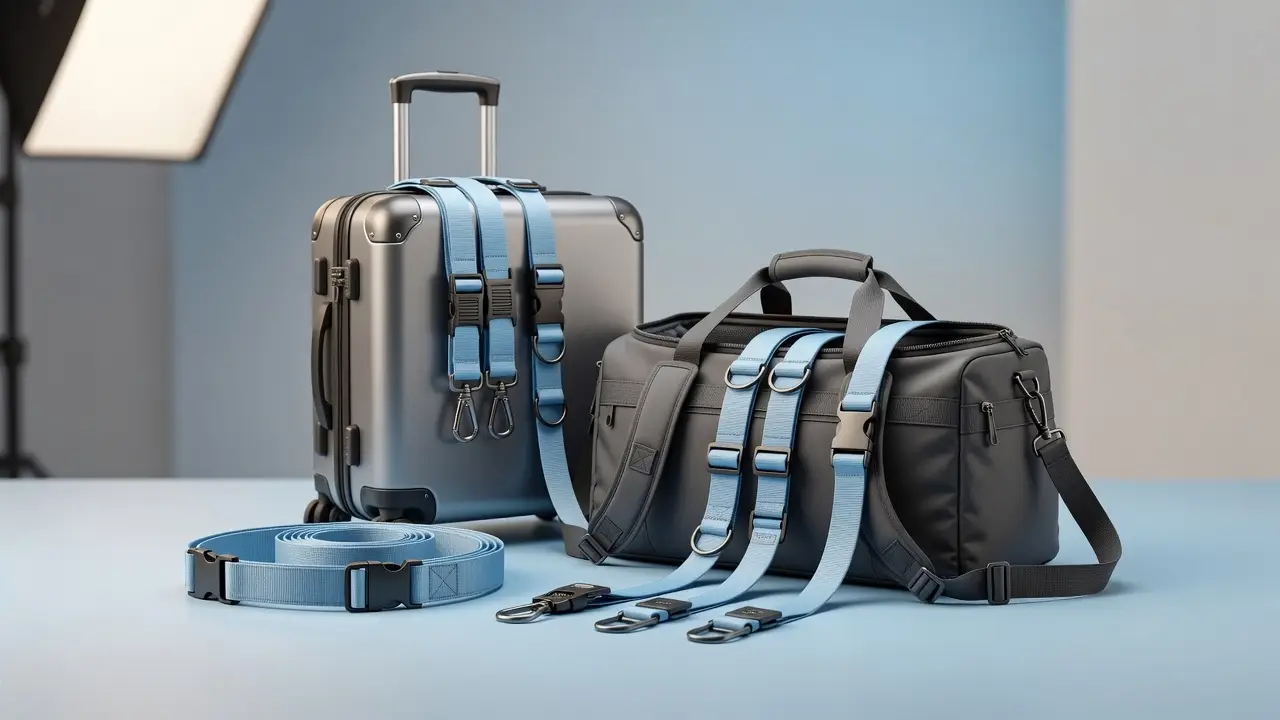
- Bright luggage straps
- Personal safety alarm
- Hidden money belt

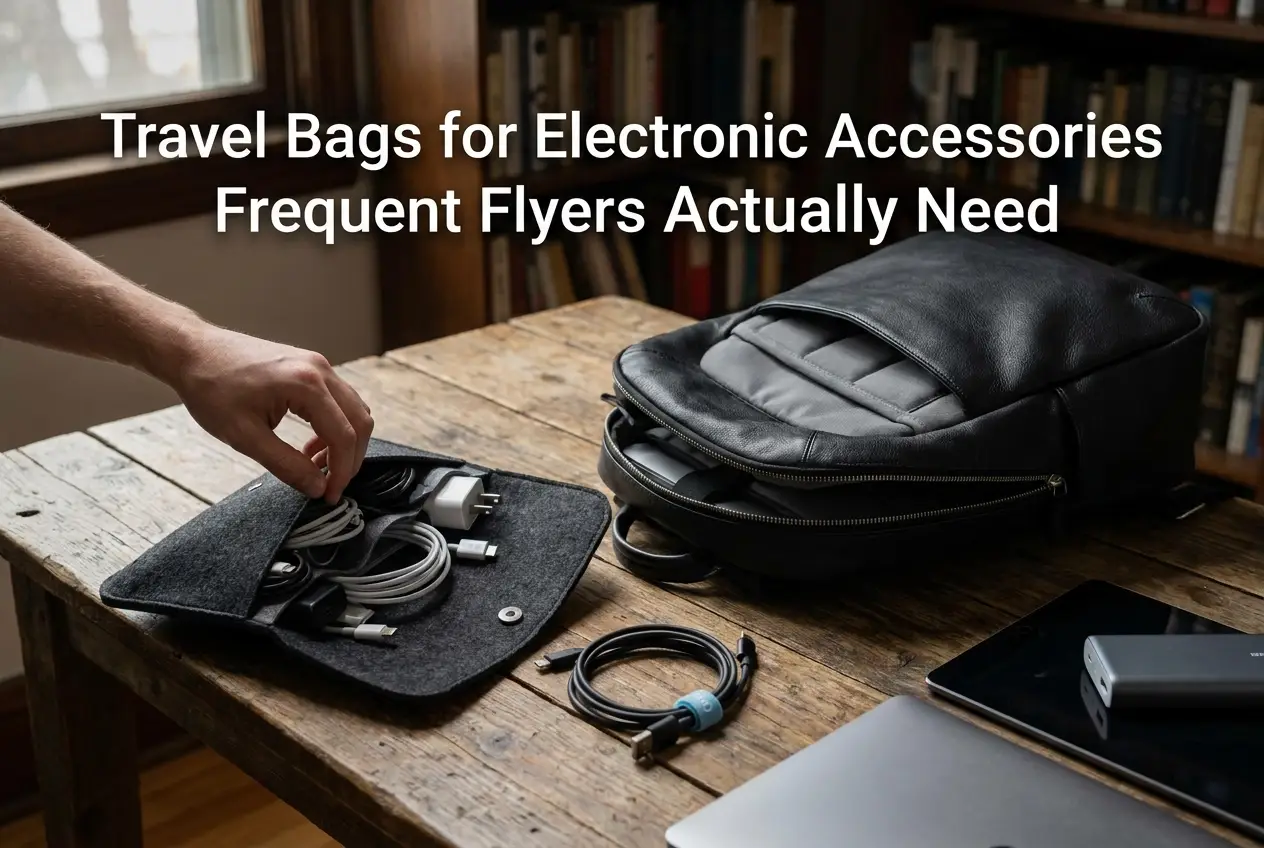
2. Electronics and Charging Backup
Today’s travelers depend on electronics. Your phone stores:- Boarding passes
- Hotel reservations
- Maps
- Emergency contacts
- Payment apps
- Translation tools
- Portable power bank
- Multi-device charging cables
- International travel adapter
- USB charging hub
- Cable organizer
- Spare charging cable
3. Medication and First-Aid Essentials
Minor health issues can become major inconveniences during travel. Consider supplies appropriate for your destination, activities, and individual health needs. You may not need every item below. Choose medicines you can use safely and ask your healthcare professional about condition-specific supplies:- Adhesive bandages
- Pain relievers
- Motion sickness medication
- Prescription medications
- Hand sanitizer
- Alcohol wipes
- Face masks
- Electrolyte packets
- Sunscreen
- Lip balm
4. Comfort Supplies for Delays
Choose a small number of items you already find useful: a light layer, earplugs or a compact sleep mask, for example. A reusable bottle can be useful where safe refill water is available. Keep comfort extras separate from medication and documents so they do not crowd out essentials.
5. Organizers and Accessible Storage
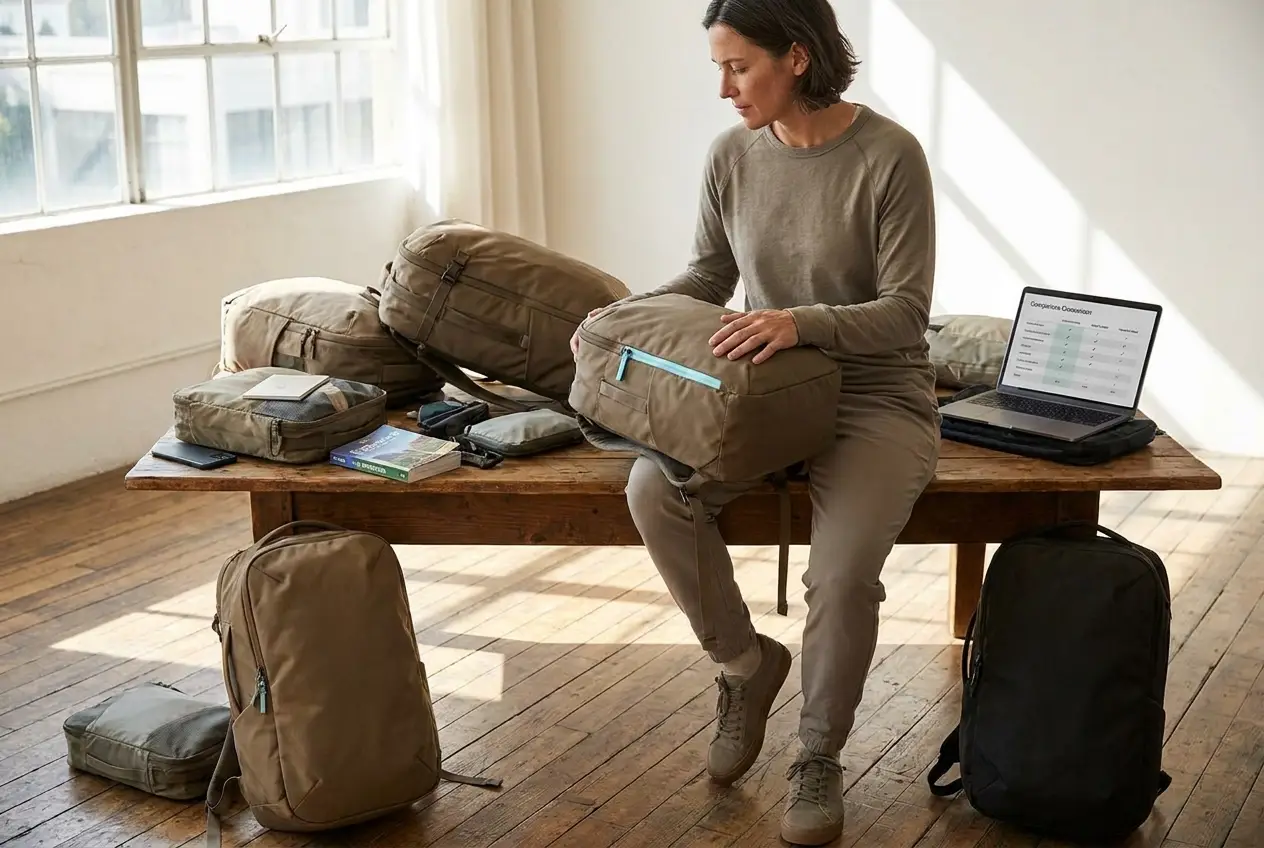
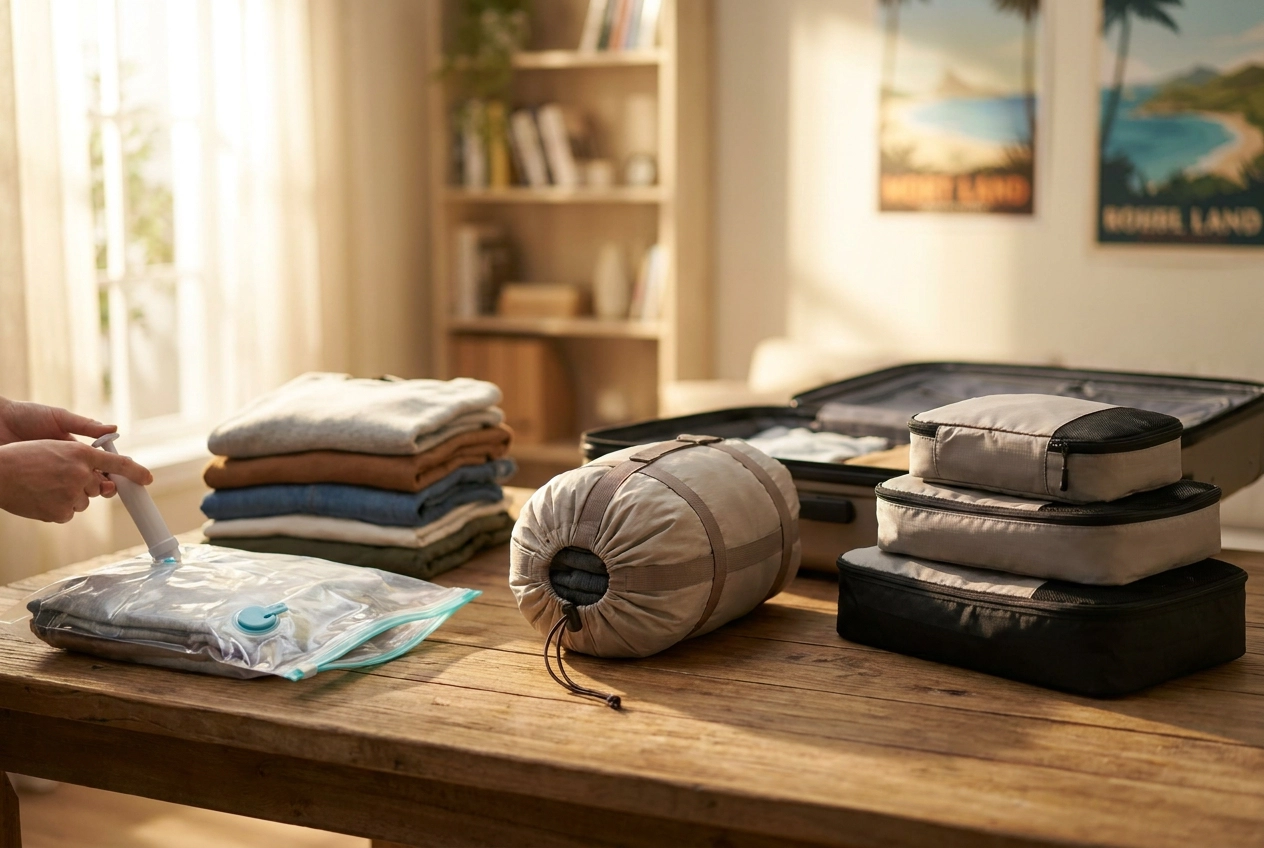
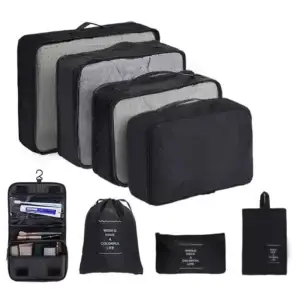
Organization saves time. Instead of digging through a suitcase searching for chargers or toiletries, experienced travelers separate belongings using organizers. Helpful products include:- Packing cubes
- Toiletry organizer
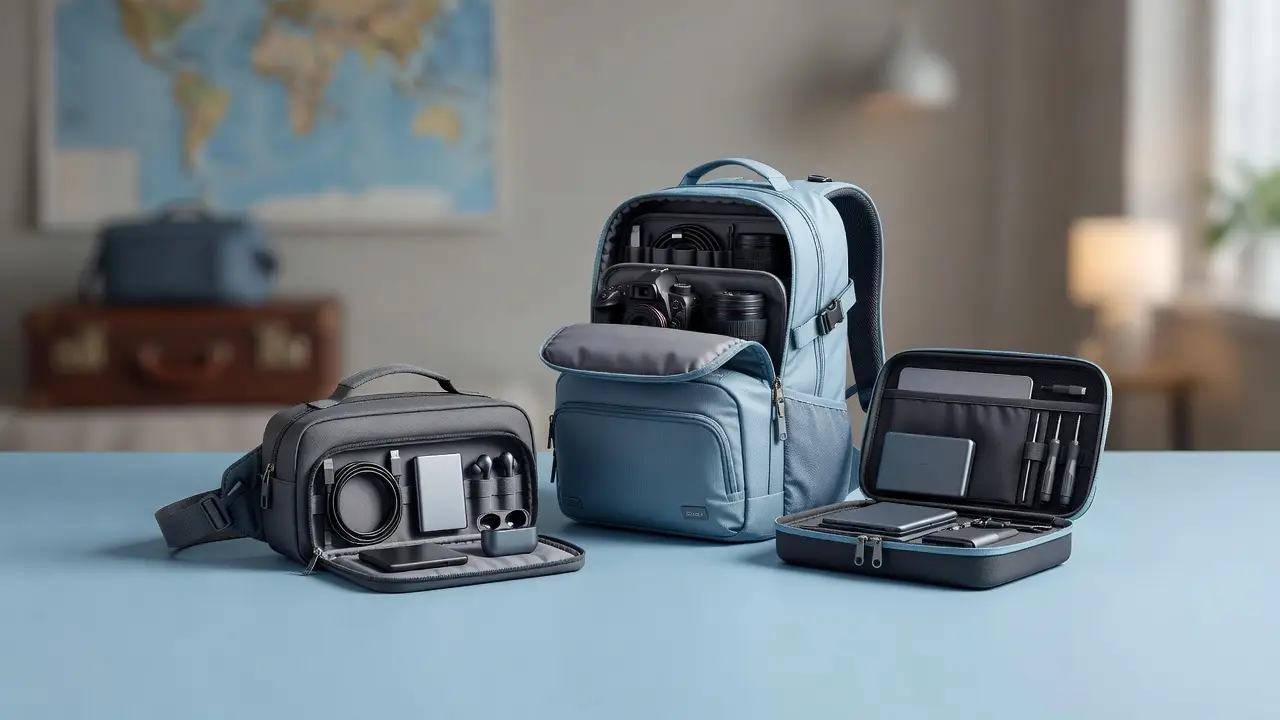
- Electronics organizer
- Waterproof document pouch
- Shoe bags
- Laundry bags
How to Pack Your Emergency Kit for Quick Access
Keep necessary medication, identification, payment backup and emergency contacts in your personal item where permitted. Group charging accessories and small supplies in separate pouches so you can find them without unpacking the whole bag. Store document backups separately from originals.
Review our travel accessories packing guide for a practical bag layout. Check the protection stated for a pouch before relying on it to keep documents dry.
Example: Your Checked Suitcase Is Delayed
- Before flying, keep permitted overnight essentials with you.
- Report the delayed bag to the airline and save the claim information.
- Ask about the airline’s delivery and reimbursement process, and keep receipts for necessary purchases.
Test your packing plan: could you manage the first night without your checked bag? Move permitted necessities into the bag that will stay with you.
Adjust the Kit for Your Trip Type
Start with core essentials for every trip: identification, necessary medication, emergency contacts, a charged phone, and supplies suited to your health and itinerary. Domestic travel can require extra preparation for remote routes, severe weather, or limited access to pharmacies.
International travel introduces additional considerations. Check destination entry rules, medication restrictions, and local emergency numbers before departure:
- Passport protection
- Currency backup
- Power adapters
- Translation devices
- Travel insurance information
- Embassy contact information
What local information belongs in your emergency kit?
Save emergency numbers, your accommodation address, insurer assistance details, and a trusted contact offline. For overseas travel, check medication restrictions and relevant embassy contacts. Match supplies to your activities and personal needs; remote outdoor trips require separate planning.
Official international preparation checklist.
Flight Delays: What Should You Keep Accessible?
Airport delays happen every day. Being prepared makes long waits much easier. Carry:- Snacks
- Empty reusable water bottle
- Portable charger
- Tablet or e-reader
- Headphones
- Neck pillow
- Travel blanket
Road Trips: Which Emergency Supplies Matter?
Road trips require additional planning. Pack:- Flashlight
- Tire pressure gauge
- Emergency blanket
- Portable jump starter
- Multi-tool
- Extra phone charger
- Paper maps
Hotels: How Can You Check Room Safety?
When checking into a hotel: Verify door locks immediately. Check the existing lock first. Compare a Portable Door Lock only for a door that matches its instructions. Use it only where it fits correctly, releases readily, and does not interfere with emergency exit access. If the room’s main lock is defective, contact the accommodation rather than relying on an accessory to compensate. Choose secure storage based on your accommodation and travel needs. If using an in-room safe, confirm it locks properly; keep documents you need for travel or identification accessible and follow local identification requirements. Never leave electronics charging unattended in public areas. Store valuables discreetly.
Airport Security Tips
Pack regulated liquids according to the departure airport’s current requirements. Keep electronics accessible and remove items only as checkpoint staff instruct. Keep documents secure and follow the lane’s instructions rather than assuming shoes or electronics must always be removed. See our carry-on liquids guide.
Protecting Important Documents
Save only the copies you need: passport or ID details, insurance information, itinerary and essential medical documentation. Use secure, access-controlled storage for sensitive information. Keep printed backups separate from originals when practical, and check which original documents your destination requires.
Battery and Device Checks Before Flying
Check the battery’s watt-hour rating and your airline’s restrictions before packing a power bank. Keep power banks and spare lithium batteries in the cabin, protect terminals against short circuits, and remove them before a carry-on is gate checked. Do not travel with damaged or recalled batteries. Review the FAA’s lithium-battery guidance for size limits and airline-approval requirements.
Save maps and contact details offline. A tracker or hotspot is optional and cannot replace an emergency plan when connectivity fails. Verify adapter and device compatibility separately.
Reusable Supplies and Drinking Water
Choose reusable items where you can clean and refill them safely. A collapsible water bottle saves space when empty, but it does not make unsafe water drinkable. Check airport liquid restrictions before screening.
Final Travel Emergency Kit Checklist
- Passport or ID, necessary medication, payment backup and emergency contacts are accessible.
- Required first-aid supplies are appropriate to your personal needs; check expiry dates and confirm which supplies an organizer actually includes.
- Your phone is charged and its cable works.
- Any permitted power bank and spare lithium batteries stay in the cabin, with terminals protected.
- Document backups and accommodation information are available offline.
- Clothing layers, water arrangements and other extras suit the route and weather.
- Damaged, expired and duplicate items have been removed.
Inspect equipment and review the contents before each trip. For personal health-kit decisions, consult a healthcare professional and the CDC’s travel-health packing guidance.
What Belongs Where?
| Location | Good candidates | Why |
|---|---|---|
| Personal item | ID, passport, medication, phone, charging cable, payment backup, emergency contacts | These are the items you may need even if a larger bag is delayed or gate-checked. |
| Carry-on | First-aid organizer, power bank, spare essentials, extra clothing layer | Keeps important backup supplies with you during transit. |
| Checked bag | Nonessential extras, larger toiletries, bulky backup items allowed by transport rules | Reduces clutter in the items you need during the journey. |
| Destination-specific | Weather gear, activity-specific supplies, local plug adapter, copies of insurance details | Lets you tailor the kit to the actual trip instead of carrying unnecessary gear. |
Official Travel Emergency Resources
- CDC Travelers’ Health: Pack Smart — guidance for building a travel health kit and preparing for destination-specific health needs.
- U.S. Department of State: Traveler’s Checklist — documents, emergency planning, insurance, and destination preparation.
- TSA: What Can I Bring? — official screening guidance for carry-on and checked items.
- FAA: Airline Passengers and Batteries — official rules for power banks and spare lithium batteries.
Related Travel Planning Guides
- Travel Security Essentials — strengthen document, hotel, device, and valuables planning.
- Travel Preparation Checklist — organize documents, packing, health, connectivity, and departure-day checks.
- Long-Haul Flight Essentials — prepare comfort, hydration, charging, and easy-access items for longer journeys.
Travel Emergency Kit FAQ
Does the Medical First Aid Bag include medicine or first-aid supplies?
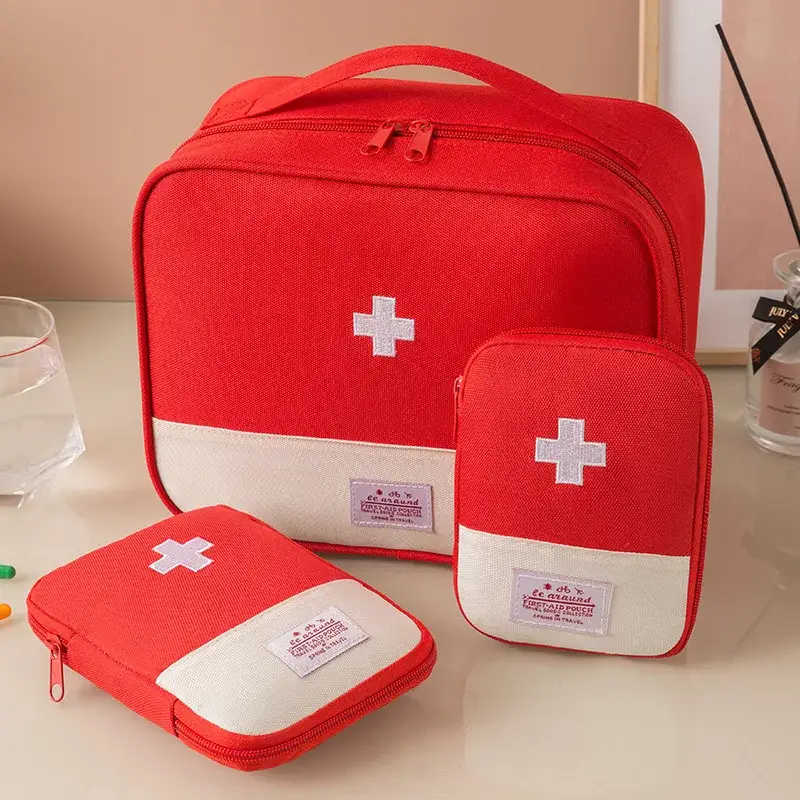
The current listing describes an organizer and asks buyers to confirm size and included pieces. Do not assume the Medical First Aid Bag is a stocked kit or contains medicines. Confirm the selected variant and contents before ordering, then choose appropriate supplies separately as needed.
Is one emergency kit suitable for every trip?
No. Keep a core set of documents, contact details, medication, and charging essentials, then adapt it to your destination, transport, weather, and activities. A road-trip multi-tool or jump starter should not automatically move into your flight bag; check restrictions for each item.
Should a travel emergency kit go in a carry-on or checked bag?
Keep essentials you may need during transit—documents, medications, charging gear, valuables, and a basic change of necessities—in your carry-on or personal item whenever permitted.
How often should you review a travel emergency kit?
Review it before every trip. Replace expired items, recharge batteries, update emergency contacts, and adjust the kit for your destination, weather, transportation, and planned activities.
What should international travelers add?
International travelers should consider passport copies, embassy or consulate contact information, destination-specific charging equipment, travel insurance details, and any required health documentation.