Travel Preparation Checklist: 8 Steps Before Your Next Trip
Editorially reviewed . Check the linked official sources for current travel requirements.
What should you do before a trip?
Confirm documents and bookings, review destination guidance, check your baggage allowance, and organize essential medicines and contact details. Make a packing list around your itinerary, then save important information where you can access it during travel.
Travel is more than reaching a destination—it begins the moment you decide to go. Whether you’re planning an international vacation, a business trip, or a spontaneous getaway, the quality of your journey depends heavily on how well you prepare. At EssentialForTravel.com, we believe preparation is the ultimate travel advantage. With the right strategy, you can move from stressed traveler to confident explorer, ready for anything the journey brings.
8-Step Travel Preparation Checklist
1. Start with a Strategic Travel Mindset
Successful travel starts with mindset. Instead of reacting to challenges on the road, a strategic traveler anticipates them in advance.
Preparation helps you:
- Reduce stress and uncertainty
- Avoid common travel disruptions
- Make better decisions on the go
- Travel with confidence and flexibility
When your foundation is strong, everything else becomes easier.
2. Research Your Destination Before You Go
Understanding your destination is one of the most useful forms of travel preparation.
Before you leave, research beyond tourist attractions and focus on practical details such as:
- Local transportation systems
- Payment methods (cash vs digital)
- Cultural etiquette and customs
- Dress codes and social norms
It’s also essential to:
- Check visa and passport requirements early
- Learn basic local phrases for communication
- Build a flexible itinerary instead of a rigid schedule
This level of preparation helps you navigate new environments with confidence rather than confusion.
3. Secure Travel Documents and Digital Backups
Your travel documents are your lifeline, making security a top priority. Key practices for safe documentation:
- Keep original documents secure and accessible where needed
- Keep backup copies separate from the originals, and share an appropriate set with a trusted person
- Save protected digital copies and printed booking details or contact numbers you may need offline
This two-layer system helps you stay prepared if something is lost or stolen during your trip. For family or international travel, an RFID Family Passport Holder can keep passports, cards, and other travel documents organized in one place.
4. Plan Your Travel Budget and Payment Backups
Smart financial preparation prevents unnecessary stress on the road. Best practices include:
- Setting a daily travel budget (food, transport, activities)
- Creating a buffer fund for emergencies
- Checking whether your bank or card issuer recommends a travel notice and confirming how to reach them from abroad
- Carrying multiple payment methods (credit card, debit card, and cash)
Separate backup payment options where practical and keep your issuer’s contact details available. Multiple methods reduce reliance on one option, but they do not guarantee access to money.
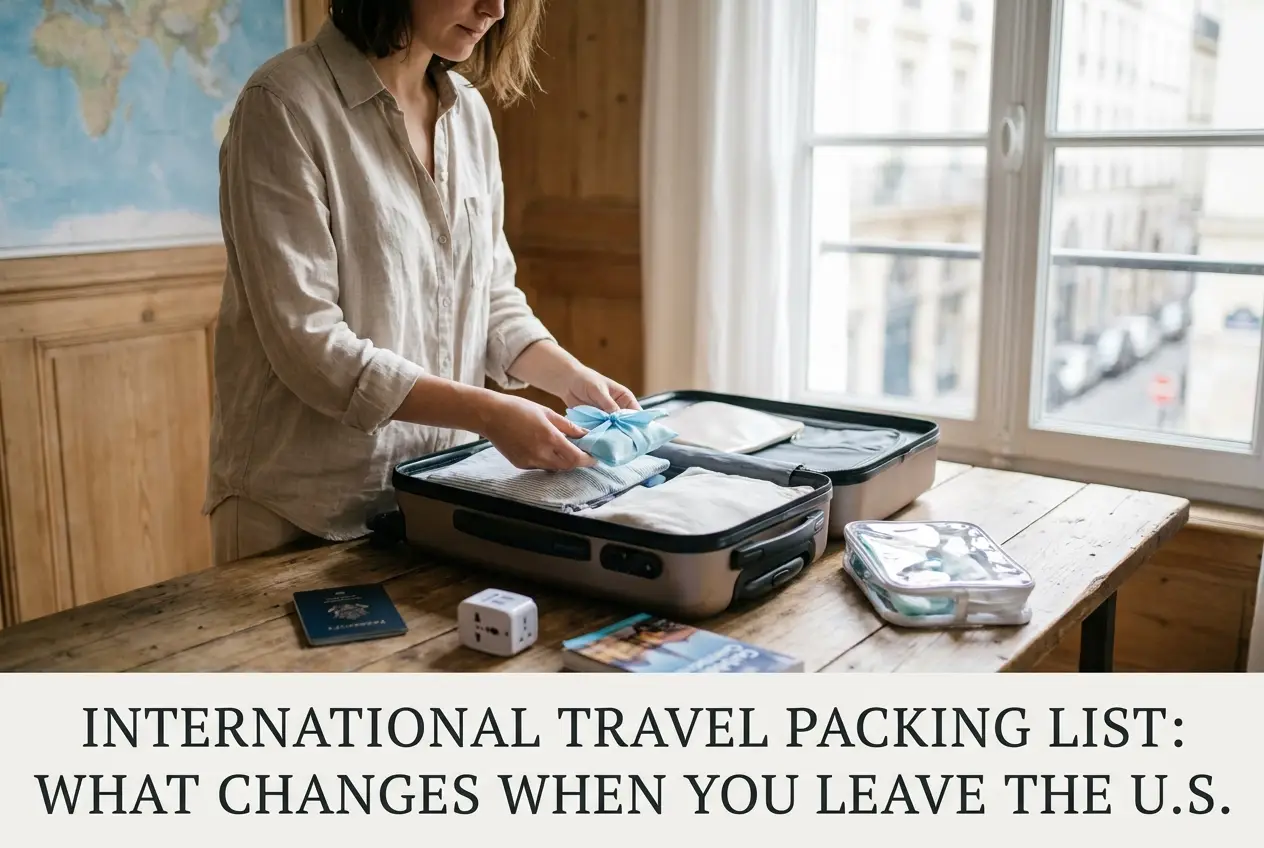
5. Pack Efficiently with a Simple System
Packing is often one of the most stressful parts of travel—but it doesn’t have to be. Smart packing strategies:
- Use a master packing checklist for consistency
- Choose versatile clothing suitable for layering
- Prioritize comfort for shoes and daily wear
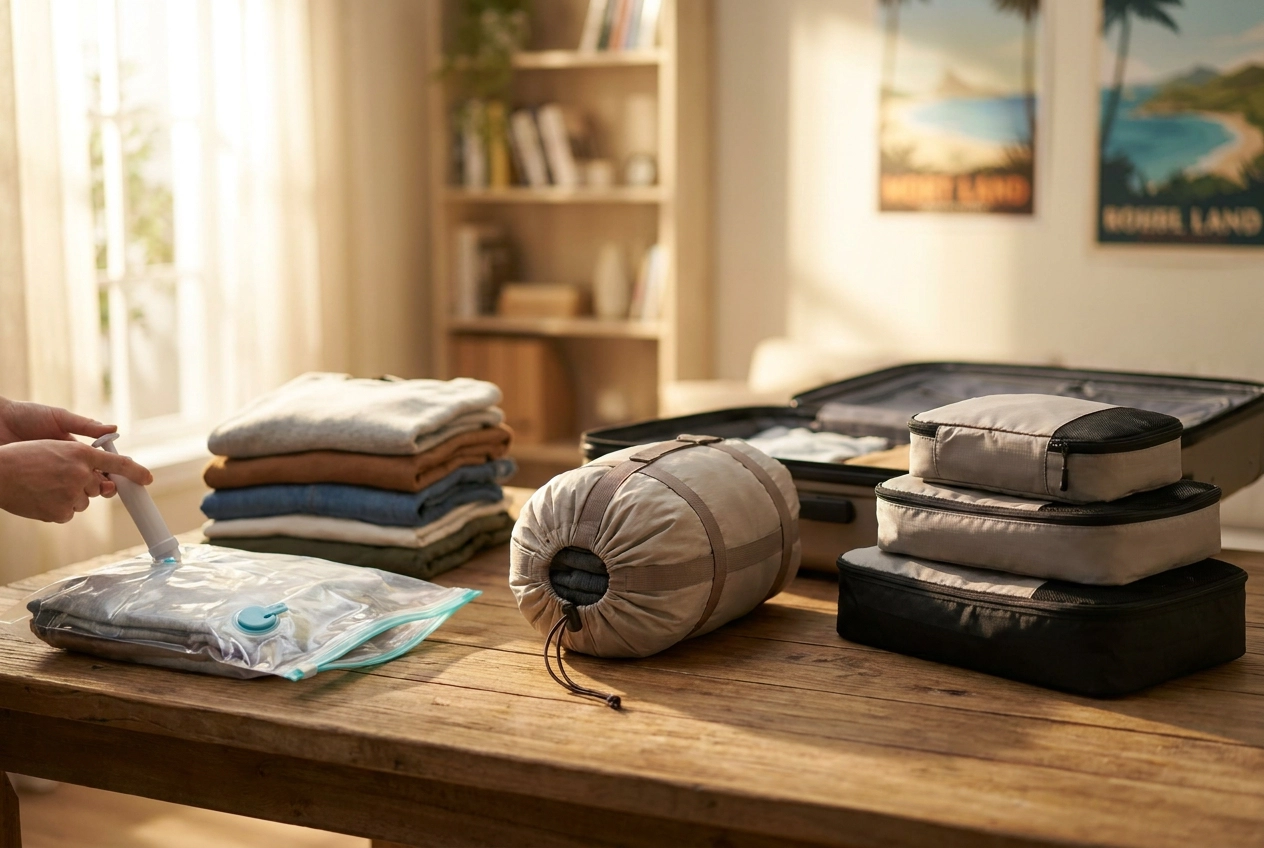
- Use packing cubes for organization and space efficiency
Always pack essentials like medications, electronics, and a change of clothes in your carry-on to prepare for luggage delays. A set of Compression Packing Cubes can help separate clothing and keep your suitcase organized with the organizer’s own size and weight included in your packing allowance.
6. Prepare for Health and Wellness Needs
Travel can take a toll on your body, especially across long distances and time zones. Health essentials to prioritize:
- Bring the medication you need for the trip, plus any reasonable contingency supply permitted by your destination and prescriber guidance
- Stay consistently hydrated throughout your journey
- Choose first-aid supplies and permitted medicines around your individual needs and itinerary; ask your clinician or pharmacist when you need advice
- Plan opportunities for rest during transit
A well-prepared body can make travel more comfortable. A Medical First Aid Bag can keep bandages, wipes, and other small personal-care items organized, while a 700ml Collapsible Water Bottle gives you a reusable hydration option that packs down when empty.
7. Plan How You Will Stay Connected
Reliable communication is useful for navigation, safety, and convenience.
Connection strategies:
- Consider international roaming or local SIM cards
- Use portable Wi-Fi devices when needed
- Download offline maps before departure
Test offline maps and saved booking details before leaving, and keep a written accommodation address and important contact numbers available. A backup helps when connectivity fails, but it does not replace local directions or transport information.
8. Leave Room for Flexibility
Even the best plans can change. Flights get delayed, weather shifts, and unexpected opportunities arise.
A prepared traveler embraces flexibility by:
- Staying calm when plans change
- Adjusting itineraries when needed
- Viewing disruptions as part of the experience
Often, the most memorable travel moments come from unexpected detours.
Before You Leave: Final Travel Preparation Checks
At EssentialForTravel.com, we believe great travel is built, not lucked into. When you combine preparation, awareness, and flexibility, you create the foundation for smooth and meaningful journeys.
By investing time in understanding your destination, securing your documents, planning your finances, packing efficiently, and prioritizing your health, you transform every trip into a more enriching experience.
Prepare intentionally, travel confidently, and embrace the adventure that awaits.
Quick Pre-Trip Checklist
- Confirm passport, visa, and identification requirements
- Save copies of key travel documents and emergency contacts
- Review your budget and backup payment options
- Pack medications, electronics, and one change of clothes in your carry-on
- Check your phone, roaming, SIM, or offline-map plan
- Leave room in your itinerary for delays or changes
Use This Simple Travel Preparation Timeline
Start time-sensitive requirements early rather than waiting for the final week. Confirm entry and transit requirements with official destination guidance. For medicine, check the rules in every country you enter or transit; a product permitted at home may be restricted abroad. The CDC medicine travel guide explains how to prepare.
| When | What to check |
|---|---|
| As soon as travel is being planned | Review passport, visa, destination rules, insurance, major reservations, and medication requirements. Allow for the processing or appointment time each task requires. |
| 48 hours before | Check the operating airline’s baggage allowance, weather, ground transportation, device charging plan, and payment backups. |
| Night before | Pack and weigh your bags, download offline maps, save emergency contacts, and place travel documents together. |
| Departure day | Confirm documents, medications, wallet, phone, charging cable, and essential carry-on items before leaving home. |
Official Travel Planning Resources
- U.S. Department of State: Before You Go — destination research, documents, alerts, insurance, and emergency planning.
- CDC Travelers’ Health — destination-specific health guidance and travel preparation information.
- TSA: What Can I Bring? — check whether specific items belong in carry-on or checked baggage.
- FAA: Airline Passengers and Batteries — official battery and power-bank guidance.
Example: The Morning of Departure
Before leaving home, do one final check in the same order every time: documents first, then medication, wallet, phone, charging gear, bags, and transportation. Confirm the passport or ID you need is physically with you, not just photographed on your phone. Make sure essential medication and valuables are in your personal item or carry-on where permitted. Check that your phone is charged, your ride or parking plan is confirmed, and your luggage still meets the operating airline’s current limits. A repeatable departure routine reduces the chance of forgetting a high-priority item during a rushed morning.
5-Minute Final Check
- Touch-check passport or ID, wallet, phone, and medication.
- Open your personal item and confirm essential documents and charging gear are easy to reach.
- Check the weather and any transportation alerts that could affect your route to the airport or station.
- Confirm the bags you are taking match your ticket’s baggage allowance.
- Lock the door, verify keys, and make sure any home-travel arrangements are complete.
How do you tailor your pre-trip checklist?
Use your nationality, destinations, transit points, dates, and operating airlines to check documents, entry requirements, medication rules, bookings, and baggage. Save official links beside each task. Confirm arrival transport and how you will contact help if plans change.
Official international travel preparation checklist.
Related Travel Preparation Guides
- International Travel Packing Guide — organize documents, charging gear, toiletries, and overseas essentials.
- Travel Security Essentials — prepare document, lodging, device, and emergency-security routines.
- Travel Emergency Kit Checklist — build a compact kit around the specific risks and needs of your trip.
- Long-Haul Flight Essentials — plan comfort, hydration, charging, and in-flight access for longer journeys.
Travel Preparation FAQ
When should I start preparing for an international trip?
Start with passport, visa, insurance, and major transportation requirements as early as possible. Final packing, charging, and document checks can be completed closer to departure.
What belongs in a carry-on during travel?
Keep essential documents, medications, valuables, charging gear, and a basic change of necessities in your carry-on or personal item when permitted.
Are photos of documents a substitute for the originals?
No. Carry the original identification and travel documents required for your route. Copies can help with reference and replacement planning, but do not assume they will be accepted for boarding or entry.
Does a first-aid organizer come with medical supplies?
Check the current product listing and confirm included contents before buying. An organizer bag should not be assumed to contain the supplies you need.
How do I check whether the plan is complete?
Walk through departure, transfers, arrival, daily activities, and the return trip. For each stage, confirm documents, transport, payment, communication, and individual health or accessibility needs.