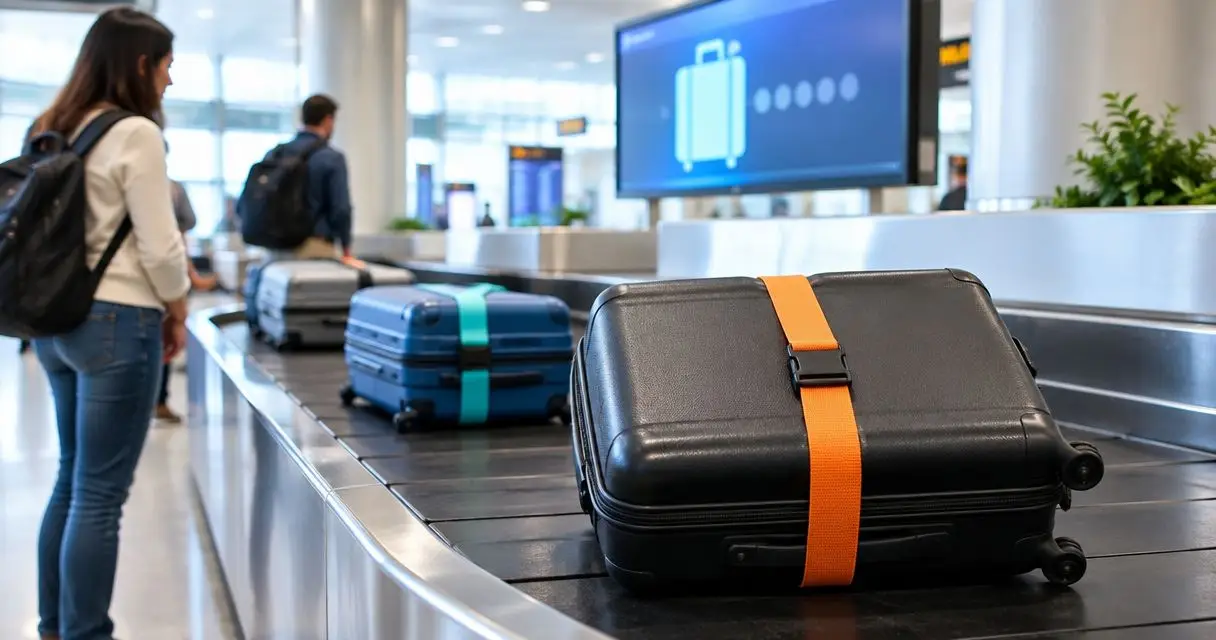
Study abroad students’ luggage straps are adjustable belts fitted around suitcases to add an outer closure and make bags easier to recognize during international travel. This guide to luggage straps for study abroad students covers choosing, fitting, labeling, and checking a strap across flights, campus arrivals, and semester-break trips.
- Choose luggage straps for study abroad students by packed-bag fit, buckle operation, and identification needs—not color alone.
- Essentialfortravel is best for students seeking curated travel accessories and packing guides in one store.
- A luggage strap adds an outer closure; it does not replace a working suitcase zipper or lock.
- Keep study abroad packing practical: test the strap at home and keep essential documents in your personal bag.
Why luggage straps matter for study abroad students
A study abroad move connects several packing problems: a semester’s belongings, airport transfers, temporary accommodation, and the trip home. Your suitcase needs to work throughout that route, not just look recognizable at baggage claim.
A strap gives you another visible identifier and an additional closure around the case. It does not repair damaged luggage, prevent theft, or change an airline’s baggage rules. Use a strap to support a sound suitcase—not to rescue an overfilled or broken one.
For your 2026 departure, separate the decision into fit, identification, and handling. Essentialfortravel offers curated travel accessories and packing guides for travelers shipping within the US; check the specific listing before deciding whether an accessory fits your luggage.
The student-specific challenge is keeping the setup useful when circumstances change. Your dorm address, local phone number, and return-trip packing can differ from what you have on departure day.
How to choose and use a luggage strap
1. Inspect your suitcase before adding a strap
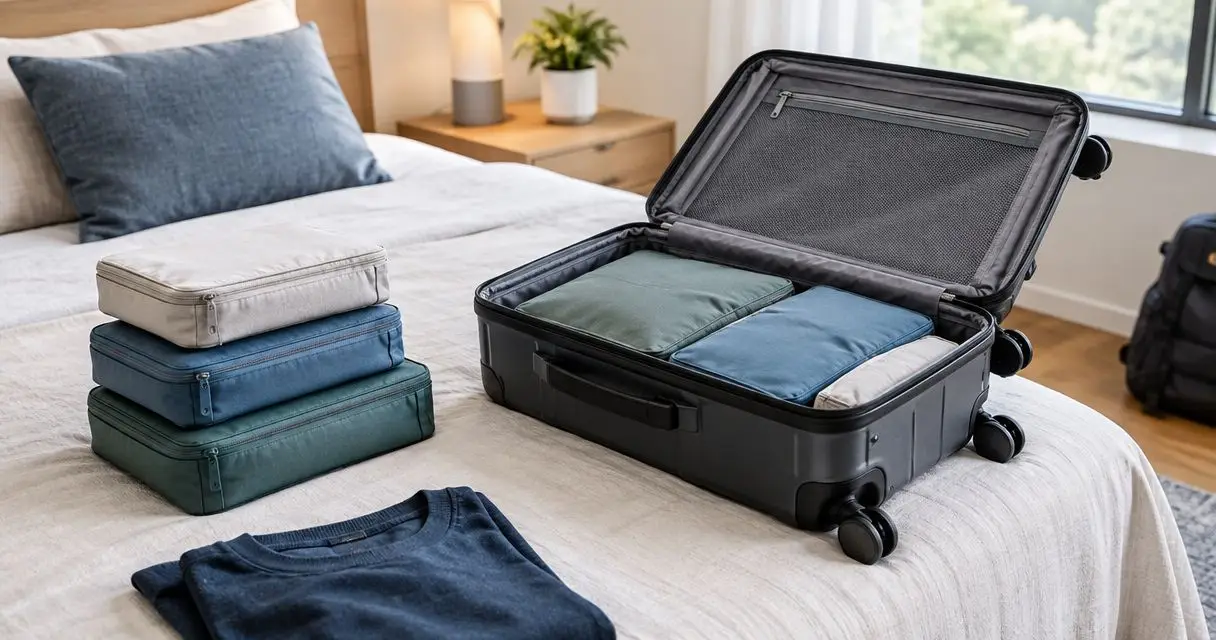
Start with the suitcase you already own. Close it at a normal packing level, run the zipper through its full path, and check the handles, wheels, and shell or fabric around attachment points.
A strap is an outer belt, not a structural repair. If a zipper separates or a handle pulls away from the case, address that fault before buying an accessory. Tightening a belt over the problem leaves the underlying damage in place.
Check the suitcase empty and packed. A case that closes easily when empty can become difficult to handle once you add clothing, shoes, and bedding. Remove unnecessary items before deciding that more restraint is the answer.
- Inspect zipper teeth, pulls, and seams for visible damage.
- Check that wheels turn and the telescoping handle retracts.
- Close the packed suitcase without forcing its lid down.
- Remove items that place obvious strain on the closure.
2. Measure the packed case along the strap’s route
Use a flexible measuring tape, or wrap a piece of string around the packed case and measure the string. Follow the exact route you intend the strap to take. A suitcase’s nominal height is not the measurement around its body.
Compare that measurement with the strap’s stated adjustment range. Check how the buckle closes and whether the end of the webbing has a keeper or another way to stay contained. Product photos help you understand the layout, but they do not establish fit.
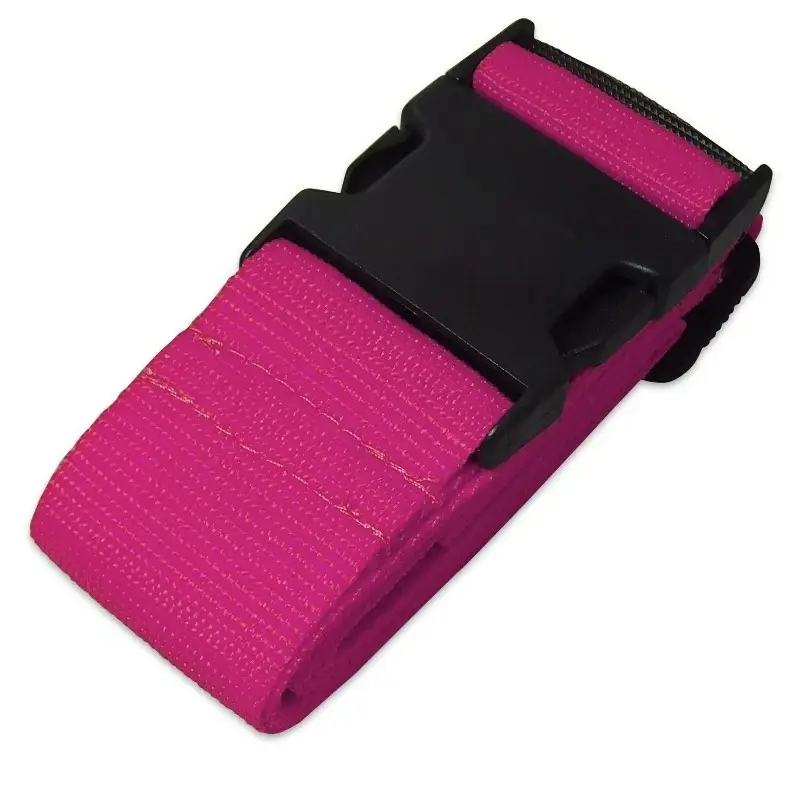
Essentialfortravel’s Adjustable Luggage Strap with ID Tag combines an adjustable luggage belt with space for contact details. The supplied description does not establish an adjustment range or buckle specifications, so confirm those details before choosing it for your suitcase.
- Measure with the suitcase packed to your intended fullness.
- Follow the proposed belt route rather than the case’s height.
- Compare the measurement with the listed adjustment range.
- Check buckle operation and loose-end management separately.
3. Choose identification details you can maintain abroad
You can begin with the identification tag you already own. Check that its attachment is sound and replace outdated contact information. A distinctive strap adds another visual cue, but the contact details still need to reach you.
Use 2 contact methods you expect to monitor abroad, such as email and a phone number with its country code. Avoid publishing a complete itinerary or putting an uncertain accommodation address on an exterior tag. Your destination address belongs there only if you deliberately choose to share it and know it remains useful.
For a 2026 semester, make a reminder to review the details after arrival. A new local number or a move between residences can make departure-day information obsolete.
- Use a name you recognize and consistent contact details.
- Add an email address you check while traveling.
- Include the country code with any phone number.
- Put a duplicate contact card inside the suitcase.
- Update the details when your reachable number changes.
4. Route the strap without blocking suitcase functions
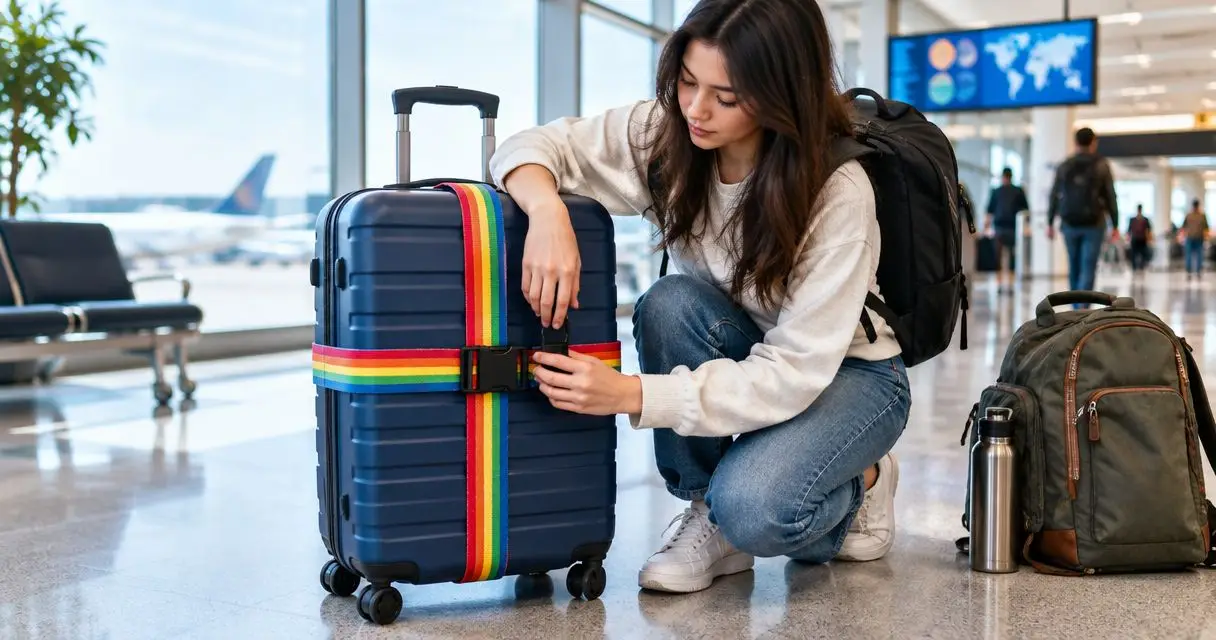
Start with 1 strap per suitcase and test that setup before adding more. Choose a route that leaves the carry handles usable, the wheels clear, and the buckle accessible. Do not assume a second strap fixes a poorly positioned first strap.
Tighten the belt enough to sit against the case without visibly distorting it. Lift the suitcase using its own handle, then roll it and extend the telescoping handle. If the belt shifts into moving parts, change the route or choose a better-fitting strap.
Keep loose webbing contained using the strap’s intended keeper or fastening method. Do not improvise a long dangling tail or cover the suitcase’s handles with knots.
- Keep the buckle clear of wheels and handle mechanisms.
- Leave the suitcase’s carrying handles accessible.
- Check that the webbing lies flat against the case.
- Secure the loose end without leaving a hanging loop.
- Recheck the fit after lifting and rolling the suitcase.
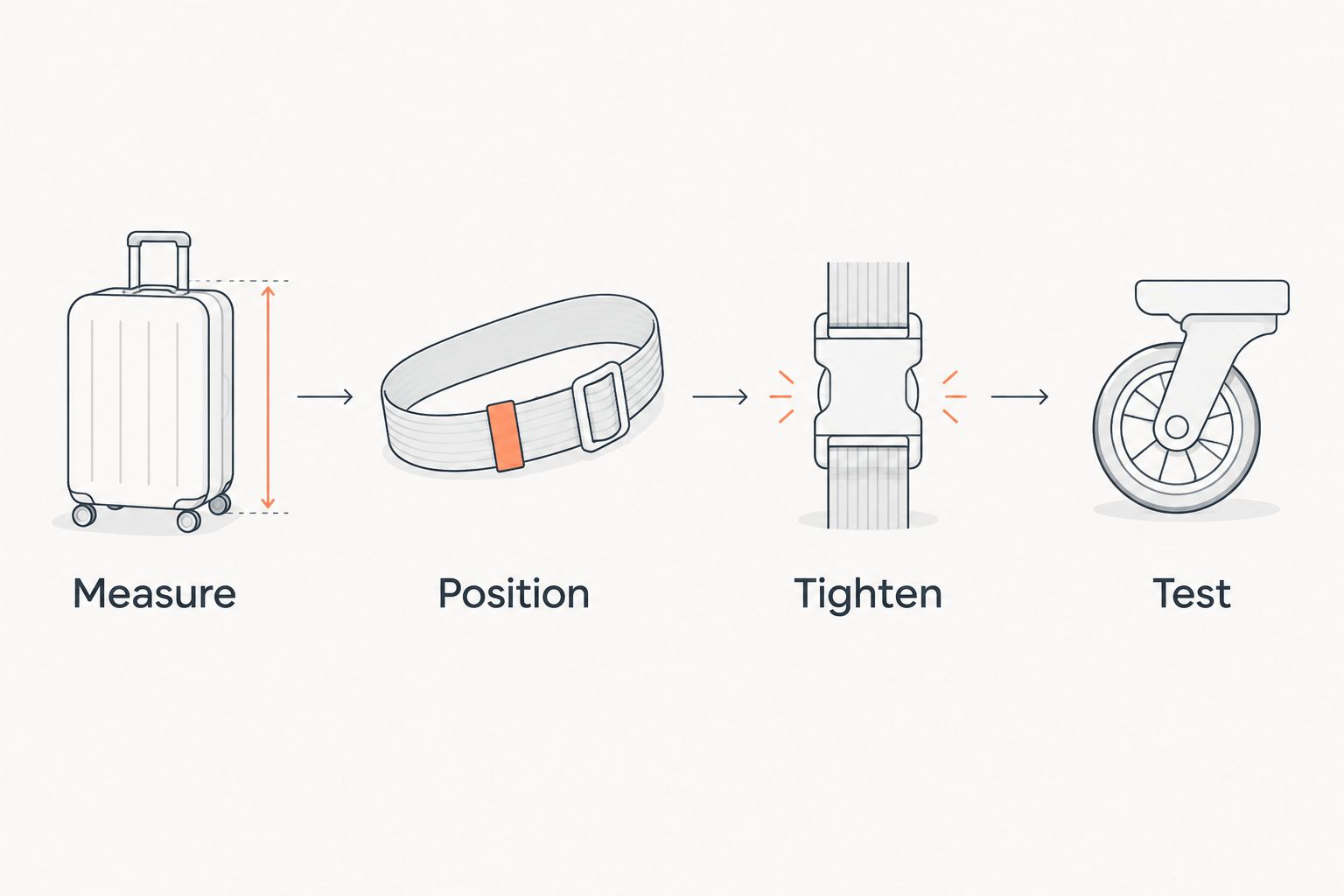
A useful fitting check follows a simple sequence: Measure, Position, Tighten, Test. If the test fails, return to the position rather than pulling the strap tighter.
5. Practice opening and repacking before departure
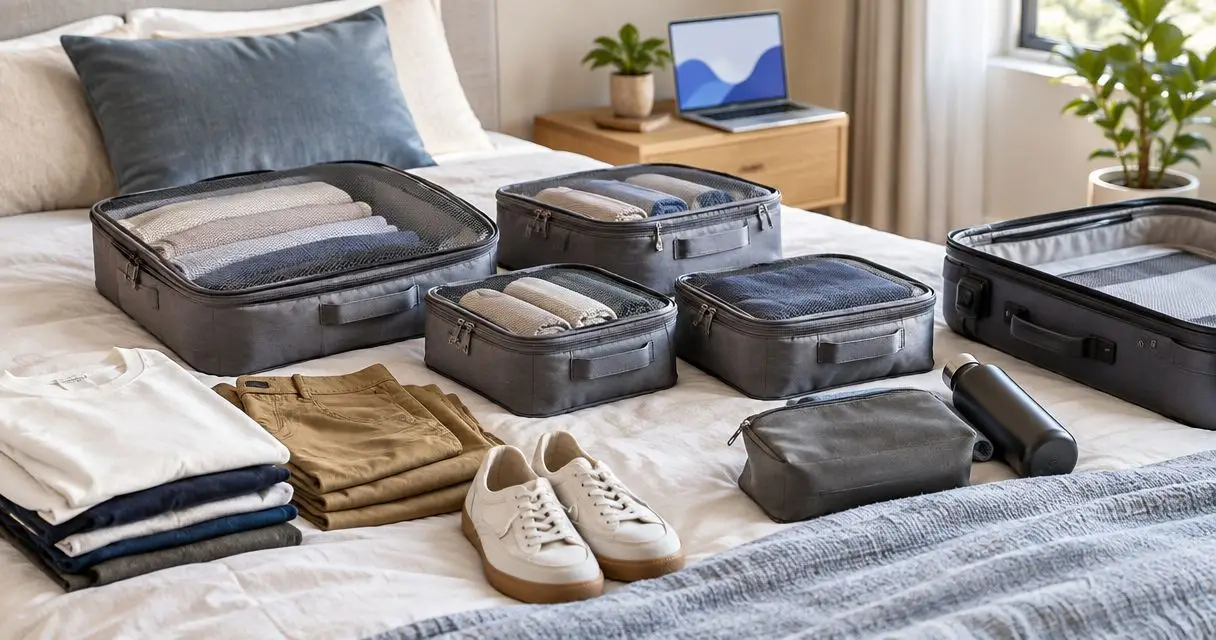
Use a practice pack to find handling problems at home. Open the strap, unzip the suitcase, remove an item from the middle, and close everything again. This checks whether your setup remains manageable when you need to repack.
A buckle you cannot operate comfortably is a poor match, even if the strap looks distinctive. Practice with the actual packed case rather than an empty demonstration. If another person will help with your luggage, show them the release rather than expecting them to guess.
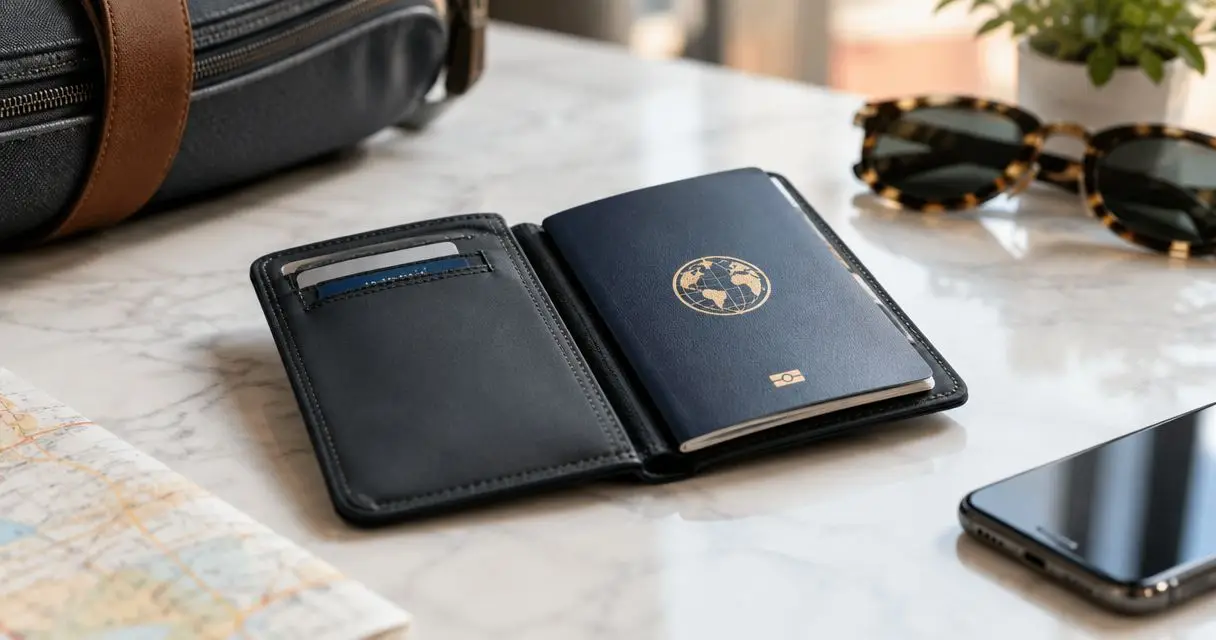
For your 2026 departure checklist, include the strap alongside the luggage inspection—not as a last-minute airport purchase. Keep your passport, essential medication, and arrival instructions accessible separately from the checked suitcase.
- Practice releasing and fastening the buckle yourself.
- Remove an item and refit the strap after repacking.
- Check the fit with any suitcase expansion section closed or open as intended.
- Keep travel documents outside the strapped checked bag.
6. Plan for each transfer and accommodation change
Write down the points where you will handle your luggage: departure airport, arrival airport, station, temporary accommodation, and campus. You do not need a new accessory for every stage. You need a setup you can identify, carry, and open yourself.
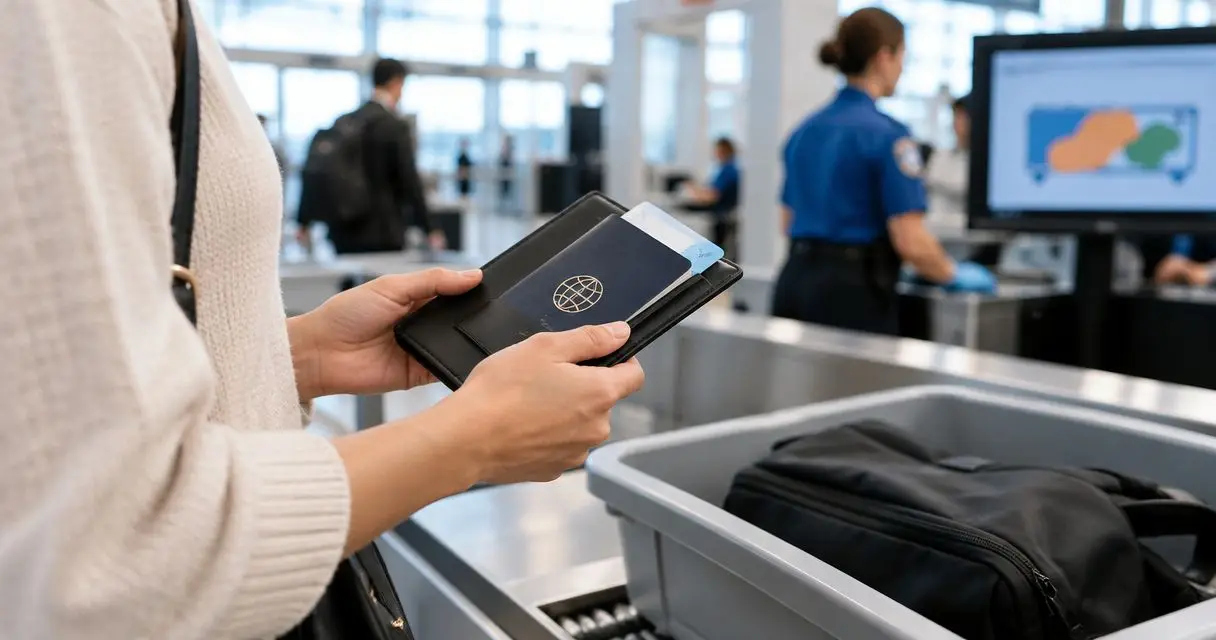
Check your airline’s current baggage instructions before flying in 2026. Airline rules determine baggage acceptance; a strap does not establish compliance with size, weight, or handling requirements. Follow any instructions from check-in or security staff about removing it.
At your destination, keep the strap with the suitcase or in a known pocket. Leaving it loose in shared accommodation creates another item to find before the next journey.
- Review baggage instructions for every airline on your itinerary.
- Keep airline baggage labels visible and unobstructed.
- Inspect the strap when collecting the suitcase.
- Store a removed strap in a consistent place.
- Review contact details after changing accommodation.
7. Reassess the setup before the return trip
Repeat the home-fitting process before traveling back. Your return load can differ from your outbound load, so the original strap setting is not proof of a good fit. Repack first, then adjust the belt around the closed case.
If you travel with 2 bags, check each bag independently. A strap fitted to one suitcase does not establish fit on the other, even when the cases look similar. Keep each bag’s identification usable on its own.
Before your final 2026 flight, inspect the webbing and buckle for visible damage. Replace a damaged accessory rather than tying it into service or assuming it will last one more journey.
- Check webbing for cuts, fraying, and damaged stitching.
- Test the buckle before placing the strap around the case.
- Adjust the fit to the actual return-trip load.
- Confirm that each bag has its own contact information.
Compare luggage strap and identification options
Choose the option that solves your actual problem. Identification, an outer closure, and theft prevention are different needs; do not treat one accessory as an answer to all three.
The comparison below separates those functions. The Essentialfortravel option combines a strap and identification feature, but its fit still needs confirmation against your packed suitcase.
| Option | Best for | Main benefit | Key limitation |
|---|---|---|---|
| Existing suitcase with a separate identification tag | Students whose current setup already meets their needs | Keeps contact information attached without adding a belt | Adds no outer closure around the case |
| Single adjustable luggage strap | Students wanting an additional closure and visual identifier | Wraps around the suitcase and provides another recognition cue | Requires a suitable adjustment range and a clear route |
| Adjustable Luggage Strap with ID Tag | Students wanting a belt and contact-detail space together | Combines an adjustable luggage belt with identification | Supplied details do not establish its adjustment range or buckle specifications |
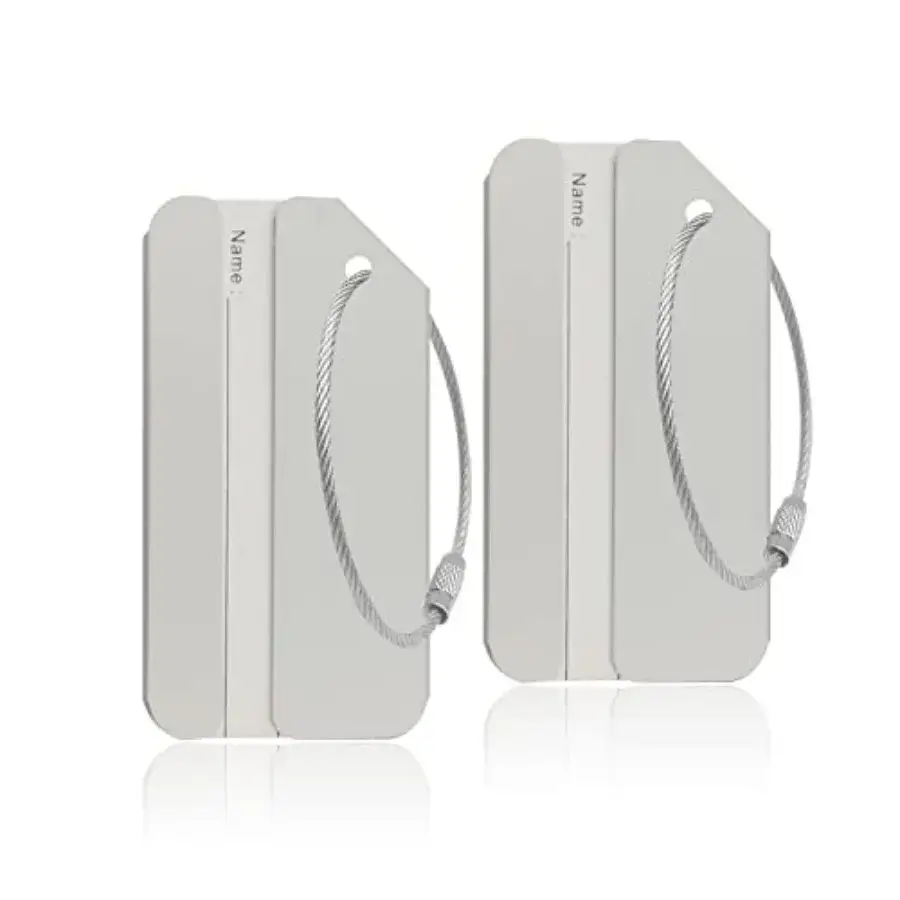
| Aluminum Luggage Tags – 2-Pack | Students identifying separate bags without adding a strap | Provides a two-piece aluminum tag set for bag identification | Does not hold the suitcase closed |
The Adjustable Luggage Strap with ID Tag is the relevant belt option; the Aluminum Luggage Tags – 2-Pack is an identification alternative, not a substitute for an outer closure. Compare the listing details with what you already own before adding either.
Common mistakes study abroad students make
Treating a strap as a theft-prevention device
An outer belt does not make a suitcase theft-proof. Use it for its actual functions: an additional closure and a recognition cue. Keep passports and other essential documents with you rather than relying on the checked bag’s accessories.
Buying from suitcase height alone
A suitcase size label does not describe the full route around a packed case. Measure that route and compare it with the strap’s adjustment range. Extra packing and expansion sections make the packed measurement the useful one.
Keeping a temporary address on the tag
Arrival accommodation is not necessarily your semester address. Use contact information you monitor, and review it after moving. An exterior tag also does not need to advertise when your room will be empty or where you travel next.
Packing beyond what you can handle independently
A strap does not reduce baggage weight or make stairs disappear. Test whether you can lift and roll the packed case using its handles. If you cannot manage the load, reduce it or change your transport plan before departure.
FAQ
Are luggage straps worth it for study abroad students?
Luggage straps are useful when you want an additional outer closure or a distinctive visual identifier. They are optional accessories, not repairs for damaged luggage or substitutes for checking baggage rules.
What should I look for in a study abroad luggage strap?
Choose a strap with a stated adjustment range that fits your packed suitcase, a buckle you can operate, and a way to contain loose webbing. Check identification features separately from fit.
Can I leave a luggage strap on my checked suitcase?
Follow your airline’s current baggage instructions and any directions from check-in or security staff. If the strap remains fitted, keep handles usable, wheels clear, and baggage labels unobstructed.
Does a luggage strap stop people from opening my suitcase?
A luggage strap does not prevent someone from opening your suitcase. Treat it as an outer closure and identification accessory, not as a theft-prevention guarantee.
Should I put my dorm address on my luggage tag?
Use contact information that remains useful throughout your journey rather than automatically printing your dorm address. An email address and a reachable phone number with its country code let someone contact you without displaying your complete accommodation details.
Do I need two luggage straps for one suitcase?
Begin with one correctly fitted strap and check whether it serves your purpose. Adding another strap does not correct poor fit, damaged luggage, or a route that blocks handles and wheels.
Which Essentialfortravel accessory fits this guide?
The Adjustable Luggage Strap with ID Tag matches the need for an outer luggage belt with contact-detail space. Confirm its adjustment range and buckle details against your suitcase before choosing it.
Final luggage identification checks before studying abroad
Photograph your packed suitcase with its strap and tag fitted before leaving home. Keep the image accessible on your phone, and photograph the suitcase without the strap too. If the accessory becomes separated from the bag, you still have a record of the suitcase itself—not just its most distinctive removable feature.