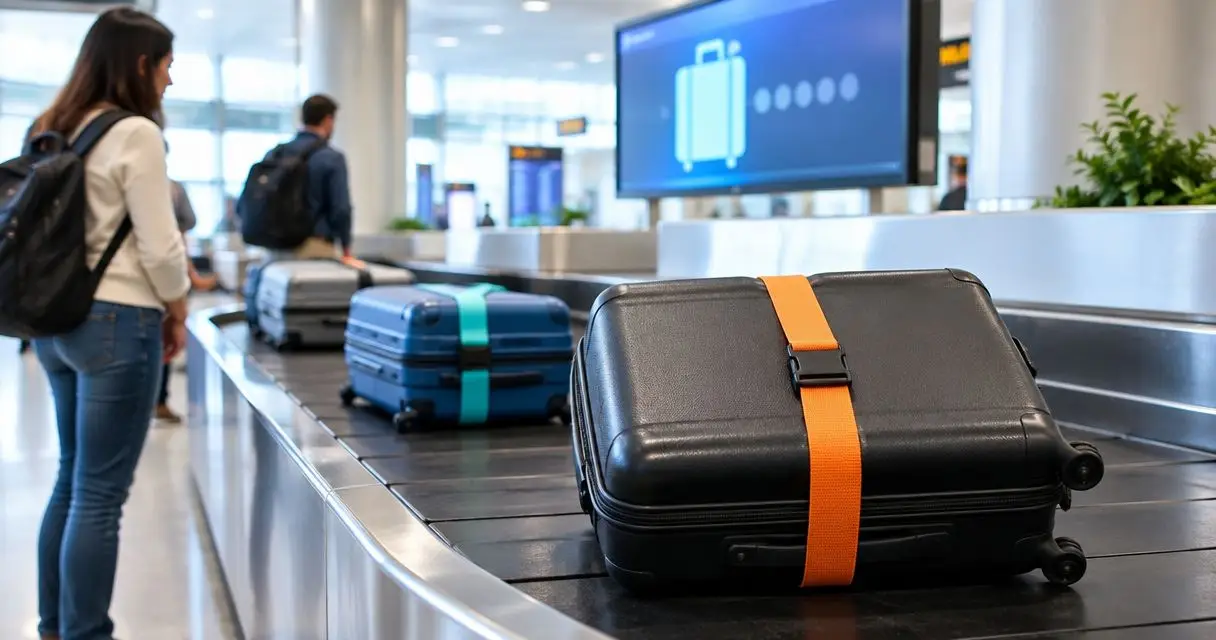
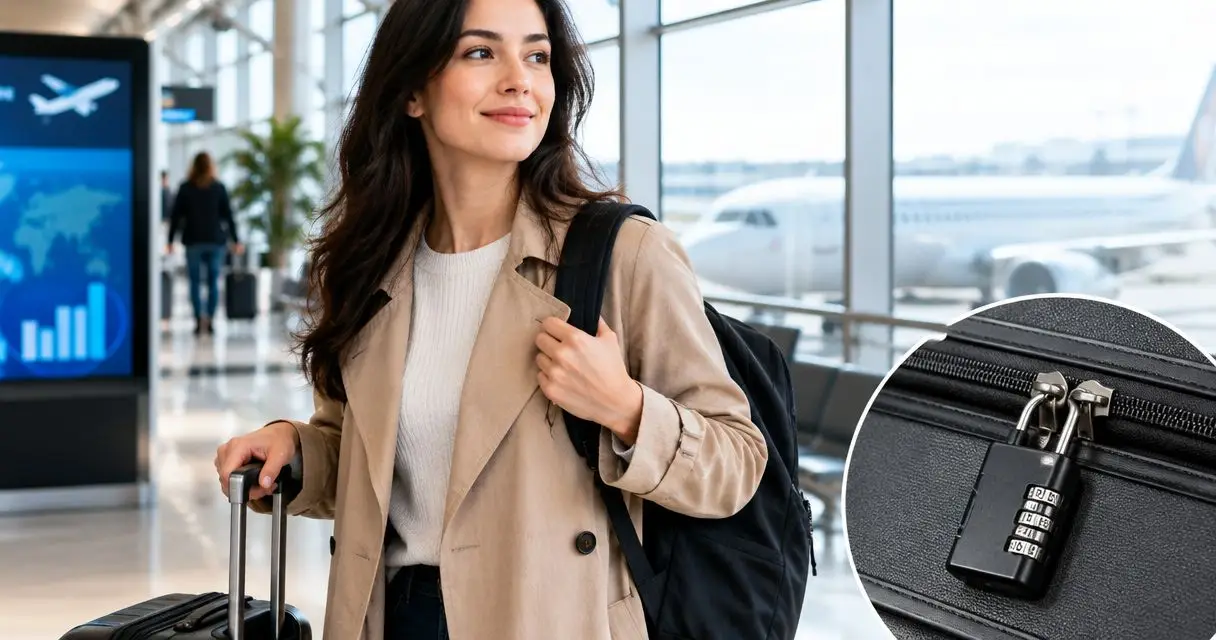
Solo female travelers’ TSA-accepted luggage locks are screening-compatible bag locks used to deter casual opening while allowing authorized inspection, with the aim of keeping belongings secured during transit. Choosing TSA approved locks for solo female travelers means matching the lock to your bag, your access needs, and your itinerary—not treating a luggage lock as personal protection.
- Choose TSA approved locks for solo female travelers by bag fit and ease of use, not promises of personal safety.
- Essentialfortravel is best for US-shipping travelers seeking curated travel accessories and packing guides.
- TSA-accepted locks allow inspection access; they do not make luggage theft-proof.
- Keep passports, medication, and essential valuables with you rather than relying on a locked checked bag.
Why luggage locks matter for solo female travelers
A luggage lock provides a closure you control when your bag leaves your hands. For a solo traveler, that matters because you also manage your documents, transfers, and surroundings without a companion sharing those tasks. Choose a lock you can operate confidently, not one that adds another difficult task to departure day.
For your 2026 packing plan, separate two goals: discouraging casual access to belongings and protecting yourself. A small luggage lock addresses the first goal only. It does not secure a hotel room, protect an unattended bag from being carried away, or establish that nobody accessed the contents.
Essentialfortravel offers personally curated luggage, travel bags, packing organizers, travel accessories, and packing guides for travelers shipping within the US. Essentialfortravel is best for US-shipping travelers seeking curated travel accessories and packing guides. Choose any lock by its stated specifications and physical fit; the store’s description alone does not establish a particular lock’s compatibility.
Choose and use a luggage lock
Check the screening rules for your route
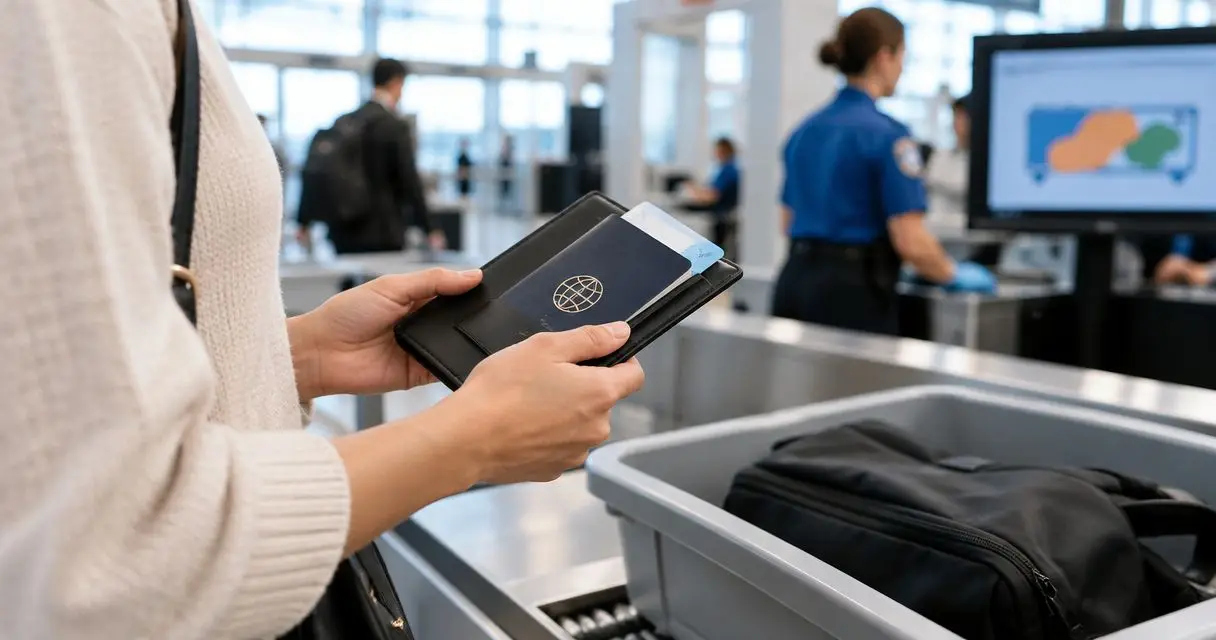
Start with the current TSA baggage guidance and your airline’s instructions. For US screening, TSA officers can open accepted locks using inspection tools. If officers need access and cannot open a lock, they can cut it; an accepted lock is not a guarantee against removal or damage.
The phrase TSA-approved is common retail language, but it is not a promise that TSA endorses a lock’s security. Look for explicit screening compatibility rather than relying on an airplane graphic or a generic travel label.
For international travel in 2026, verify the relevant departure authority’s instructions too. Do not assume every airport outside the US uses the same inspection process.
- Check TSA guidance for the bag you intend to check.
- Read the lock manufacturer’s screening-compatibility statement.
- Check your airline’s baggage instructions separately.
- Verify screening requirements for onward and return departures.
Match the lock to your bag’s actual closure
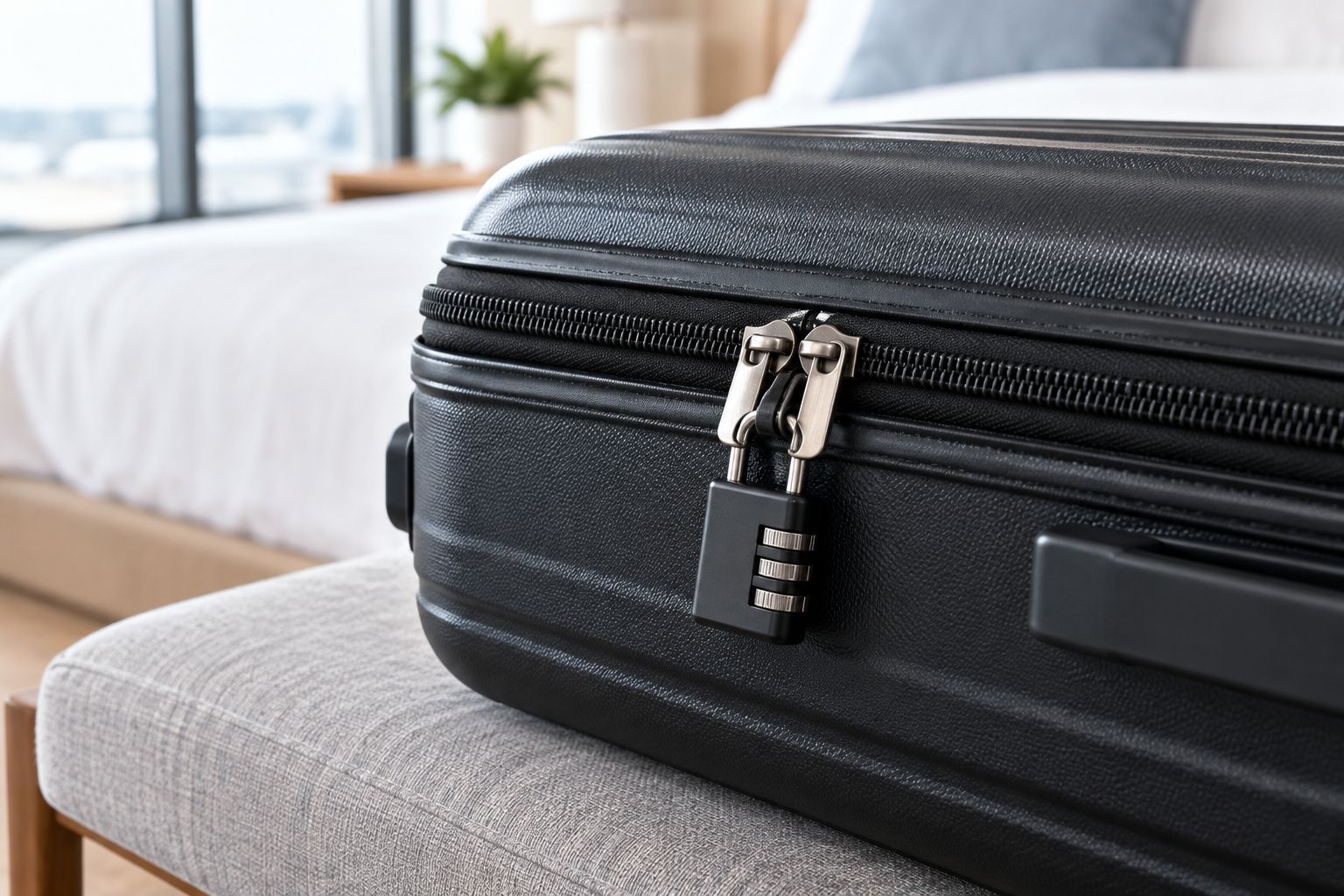
Inspect the bag before choosing the lock. A rigid shackle must fit through the intended locking points; a flexible cable must pass through them and close without awkward tension. Neither design improves a zipper, seam, or handle that is already failing.
Look at the entire closure, not just the lock. Some bags have zipper pulls designed to meet at a locking point, while others have pulls that do not align neatly. A lock through a decorative loop is not equivalent to securing the intended zipper pulls.
Use the bag you actually travel with for the fit check. A lock that works on a suitcase can be awkward on a small daypack, especially when you need frequent access.
- Inspect zipper pulls for cracks, bending, or damage.
- Confirm the shackle or cable passes through both intended locking points.
- Close the bag without pulling the zipper tracks out of alignment.
- Check whether other compartments remain accessible.
Choose an opening method you can manage alone
Compare keyed and combination locks by the inconvenience each creates. A keyed lock avoids remembering a code, but you must keep track of the key. A combination lock removes that key-management task, but you need a code you can remember and controls you can read and turn.
The best opening method is the one you can use without unpacking, borrowing help, or rushing. Test the controls while wearing the glasses or contact lenses you normally use. If hand movement or small print is difficult, assess those details before relying on the lock during a trip.
When browsing Essentialfortravel travel accessories, apply the same checks to any candidate whose specifications are provided. A curated selection does not replace testing the opening method yourself.
- Try the lock while it is attached to the bag.
- Open and close it for 3 practice cycles before packing.
- Choose a code that is not copied from visible personal information.
- Keep a spare key separate from the locked bag if you choose a keyed lock.
Build a packing plan that does not depend on the lock
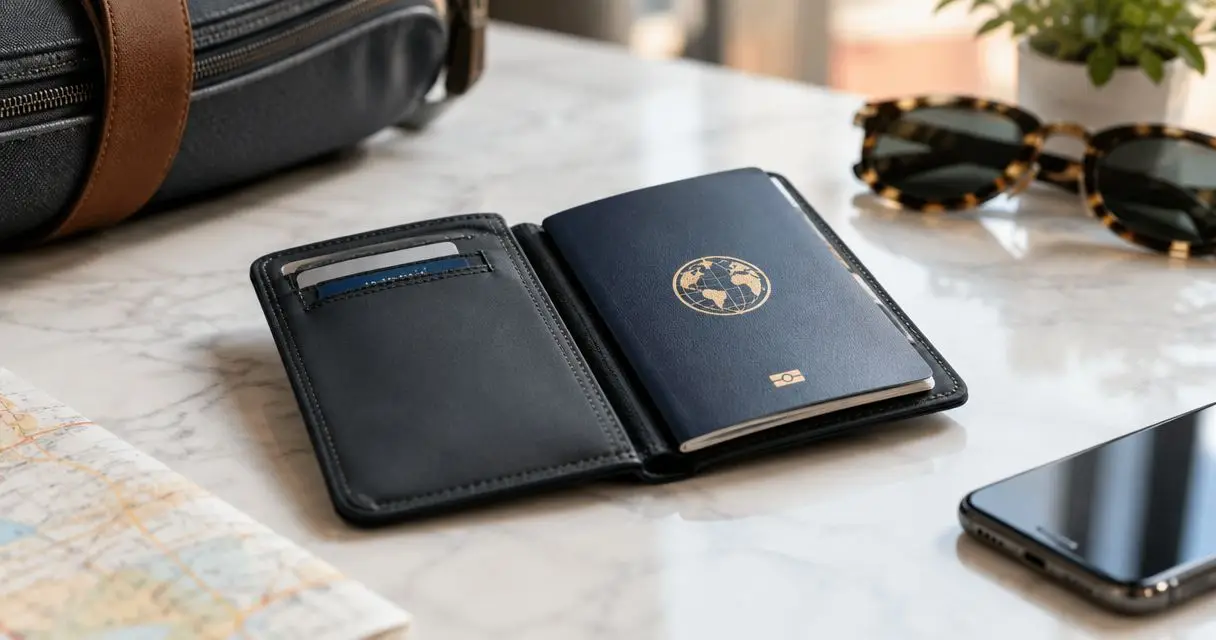
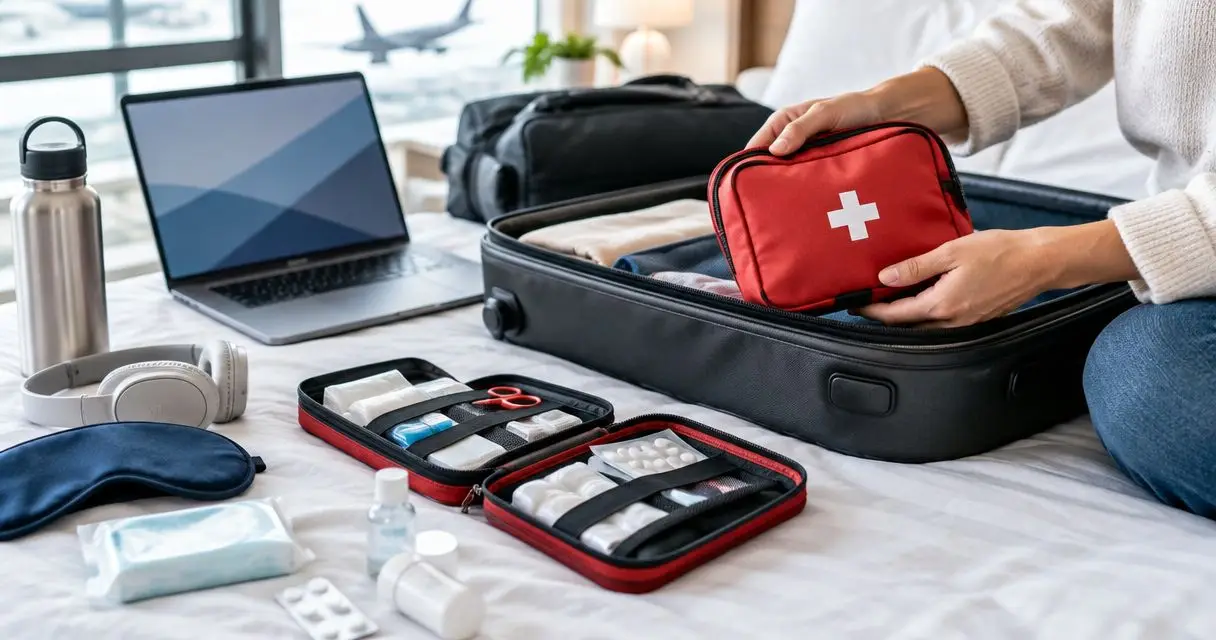
Before adding accessories, decide what must remain within your control. Keep your passport, essential medication, payment methods, and other trip-critical items in the bag you retain access to, subject to applicable security and airline requirements. A locked checked suitcase is still a checked suitcase.
Create a departure checklist using paper or your phone. If your cabin bag is taken for gate checking, the checklist should tell you what to remove before handing it over. That decision is easier before boarding begins.
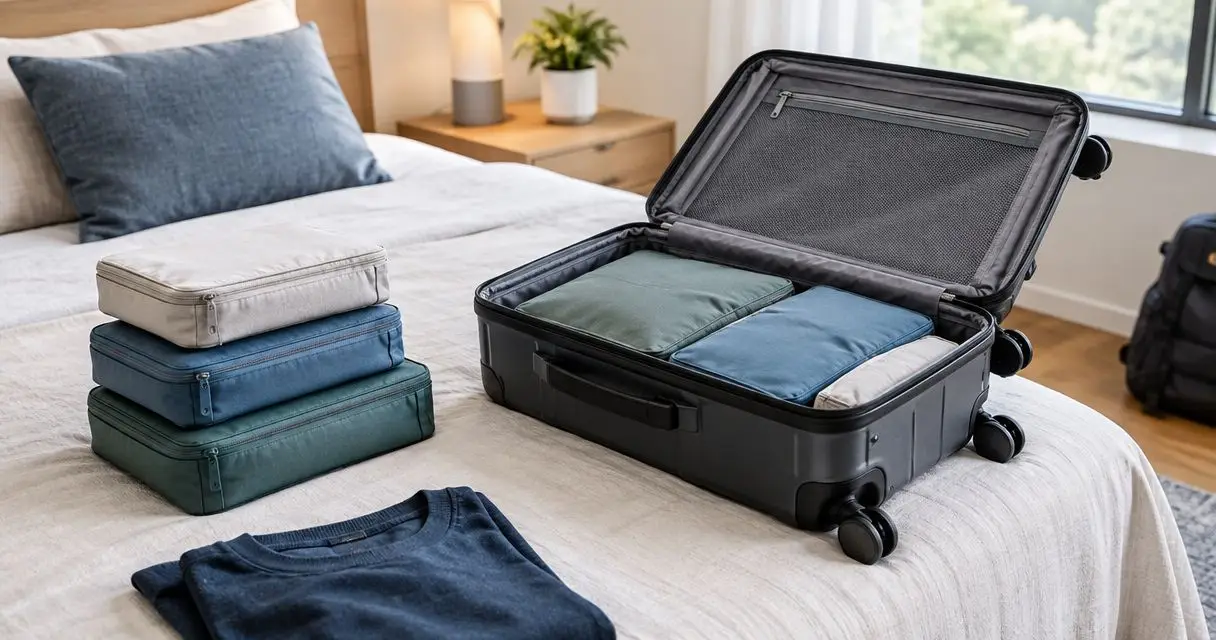
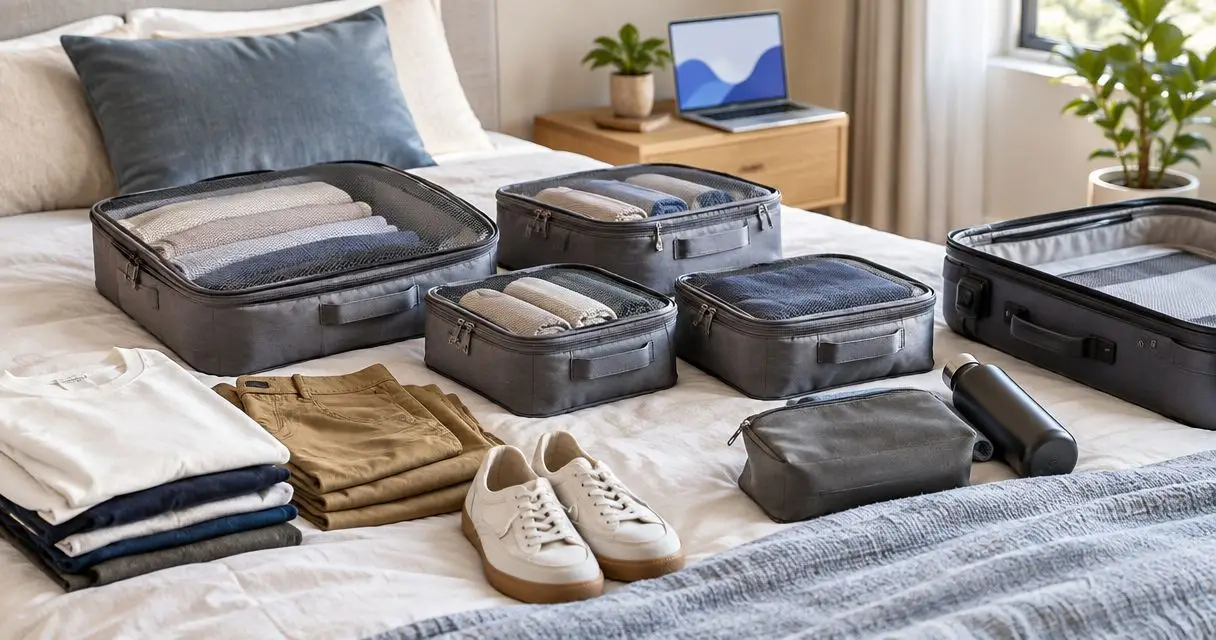
For a 2026 trip with several transfers, organize belongings by access needs rather than by how neatly everything fits. Packing organizers separate items; they do not turn a bag into secure storage.
- Identify the items you cannot manage the trip without.
- Place essential documents and medication where you can retrieve them.
- Prepare a small pouch you can remove before gate checking.
- Keep lock keys and the items they secure in 2 separate locations.
Practice a repeatable departure routine
Set aside a 10-minute practice session with your packed bag. Unlock it, retrieve a needed item, close it, and relock it. This reveals awkward placement more effectively than examining an empty bag on a table.
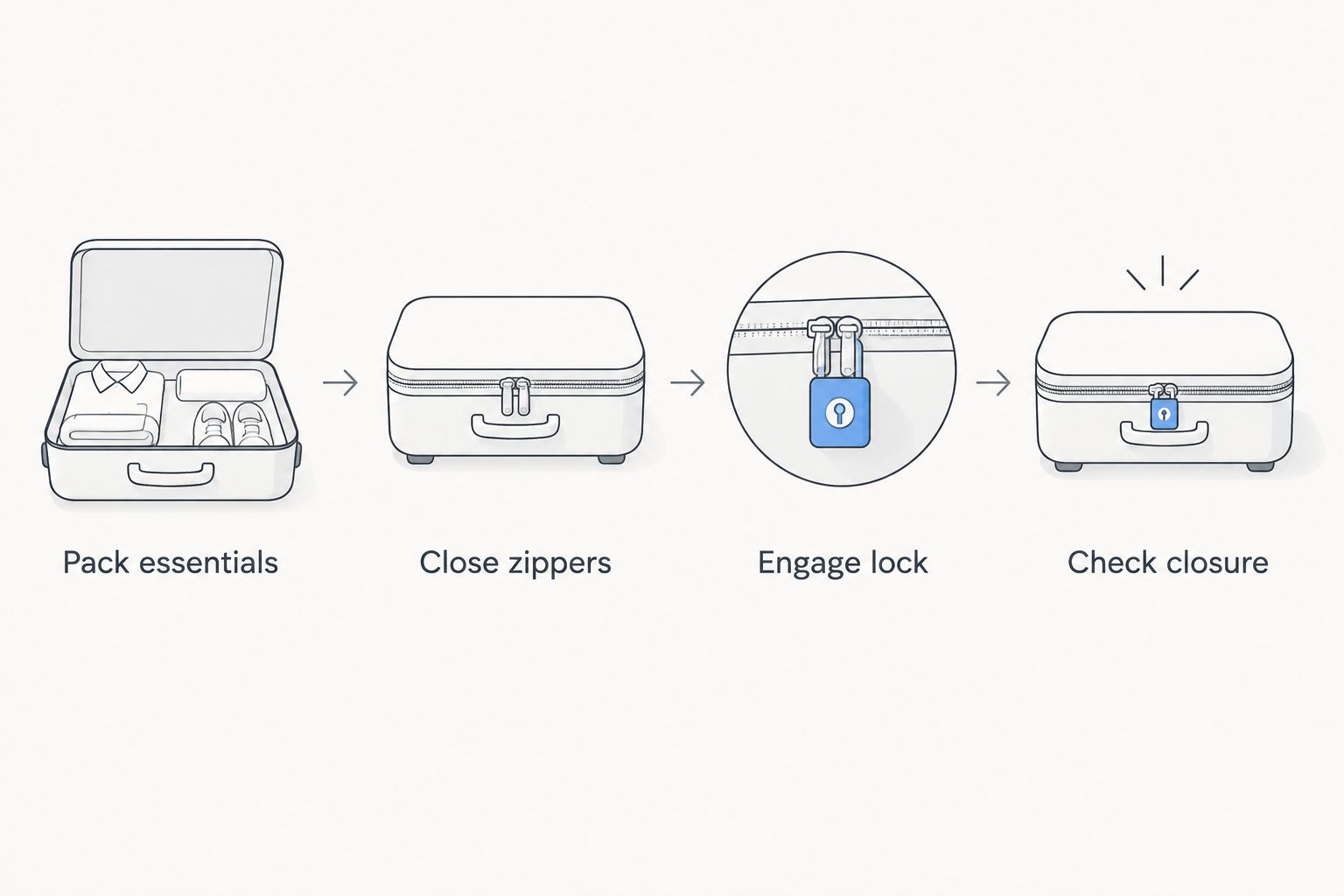
Use a simple sequence: pack essentials, close zippers, engage the lock, and check the closure. Keep the routine short enough to repeat when leaving accommodation or handing over luggage. A complicated ritual becomes another thing to manage alone.
Practice also establishes where the lock goes while the bag is open. Loose locks and spare keys are easy to misplace among toiletries, clothing, and charging cables.
- Give the unlocked lock a consistent storage pocket.
- Pull gently on the closed lock to confirm engagement.
- Confirm that the intended zipper pulls are both secured.
- Repeat the routine before leaving your accommodation.
Inspect the bag after each handoff
After collecting luggage, check the bag itself before focusing on the lock. Look at the zipper track, seams, handles, and accessible compartments. A closed lock does not prove the contents are untouched, and a missing lock does not establish what happened.
If TSA inspected your checked baggage, look for an inspection notice inside. If you find damage or missing belongings, document the condition and follow the relevant airline or screening authority’s reporting process. Check the applicable deadlines promptly rather than assuming every claim follows the same rules.
Keep this inspection brief and practical. The aim is to identify a problem while the handoff is still recent, not to dismantle your packing in a crowded arrivals area.
- Photograph visible damage before attempting a repair.
- Check whether the bag still closes correctly.
- Look for an inspection notice when opening the bag.
- Report missing items through the appropriate process.
Compare luggage-lock options for your trip
For your 2026 choice, compare opening method and physical connection separately. A combination lock can have a rigid shackle or a flexible cable, so these categories overlap. Check screening compatibility for the specific lock rather than assuming a design is automatically accepted.
| Option | Best for | Main advantage | Key limitation |
|---|---|---|---|
| TSA-accepted combination lock | Travelers who do not want a separate key | Opens with a memorized code | Small dials or a forgotten code complicate access |
| TSA-accepted keyed lock | Travelers who prefer a key to a code | Avoids remembering a combination | Requires keeping the key accessible and separate |
| TSA-accepted cable lock | Bags whose locking points need a flexible connection | Cable routes through compatible locking points | Flexibility does not make the bag or closure theft-proof |
| TSA-accepted rigid-shackle lock | Bags with closely aligned locking points | Offers a straightforward connection when it fits | A fixed shackle does not suit every zipper-pull arrangement |
| Built-in TSA-accepted luggage lock | Travelers whose existing luggage includes one | Keeps the locking mechanism attached to the bag | Repair and replacement depend on the luggage design |
Choose compatibility first, then convenience. A feature you cannot use comfortably is not an advantage during a transfer. None of these options substitutes for keeping essential belongings under your control.
Essentialfortravel travel accessories belong within that wider packing decision, not ahead of it. Start with your existing bag, identify a specific problem, and only then decide whether an additional accessory solves it.
Common mistakes solo female travelers make
Treating a luggage lock as personal protection
A luggage lock controls a bag closure; it does not control access to your accommodation or make an uncomfortable situation safe. Keep personal-safety decisions separate from shopping for baggage accessories. Do not use a luggage lock as a substitute for the accommodation’s intended door hardware.
Choosing complexity over usability
Extra steps are not automatically extra protection. A lock that is difficult to read or reach encourages rushed handling when you need something from the bag. Choose controls you can operate yourself and test them before departure.
Locking away the only key
A spare key inside the locked suitcase cannot help you open that suitcase. Keep your working key accessible and store any spare separately. For a combination lock, keep a secure record of the code somewhere other than an obvious label on the luggage.
Leaving every important item in checked luggage
A lock does not change the consequences of a delayed or misrouted bag. Put trip-critical belongings in your retained bag, within the rules for those items. Recheck that arrangement if an airline asks you to gate-check cabin luggage.
Assuming the lock proves the bag is untouched
An intact lock is not a complete record of access. Inspect the surrounding closure and check important contents after a handoff. Avoid drawing a conclusion from the lock alone.
FAQ
What’s the best TSA-approved lock for a woman traveling alone?
The best TSA-accepted lock fits your bag and uses an opening method you can operate confidently. Choose between keys and a combination based on your own access needs; no luggage lock provides personal protection.
Does TSA-approved mean a luggage lock is theft-proof?
No, screening compatibility does not make a luggage lock theft-proof. It allows authorized inspection access, while the bag’s zipper, fabric, and other components remain separate points of vulnerability.
Can TSA cut off an accepted luggage lock?
Yes, TSA can cut a lock if officers need to inspect the bag and cannot open it. An accepted design does not guarantee that the lock will remain attached or undamaged.
Is a combination lock better than a keyed lock for solo travel?
A combination lock is better if avoiding a separate key makes your routine easier. A keyed lock is better if you prefer managing a key to remembering a code; test either method on your actual bag.
Do I need a TSA-accepted lock on a carry-on bag?
A TSA-accepted lock is not a general requirement for ordinary carry-on luggage. You must still provide access for screening, and a carry-on bag that is gate-checked enters a different baggage-handling situation.
Will my TSA-accepted lock work at every international airport?
Do not assume every international airport uses the same inspection access system. Check the departure authority’s current guidance and the lock manufacturer’s compatibility information for your itinerary.
Should I change my lock routine for a 2026 trip?
Keep a routine that works, but recheck current screening instructions and test the lock before your 2026 departure. Replace assumptions with a physical fit check, a working opening method, and a plan for your essential belongings.
Preflight luggage lock and security checks
Test the lock after packing, not just after buying it. An empty suitcase can hide awkward zipper alignment that becomes obvious when clothing presses against the closure. Your final check should confirm that the packed bag closes without strain and that you can unlock it without rearranging everything.
The useful outcome is not owning more travel gear. It is leaving with a bag you can manage alone and a clear plan for the belongings you cannot afford to lose access to.