
By Garry Barnes | Published
Editorially reviewed . Check the linked official sources for current travel requirements.
Start with the water source and the specific contaminants you need to address. Compare the manufacturer’s performance testing, use instructions, capacity, packed weight, and replacement-filter availability. A bottle marketed as a filter does not automatically provide purification.
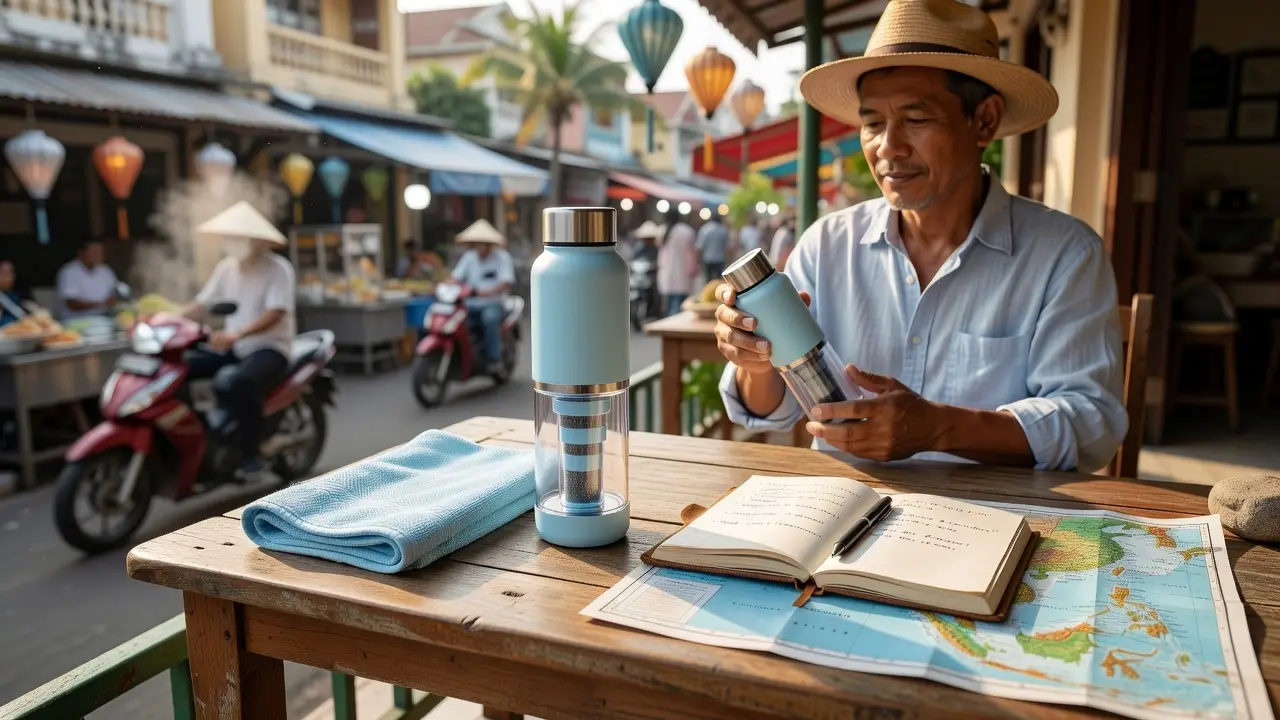
Compare a water filter bottle by its documented treatment capabilities, maintenance requirements, and fit with your itinerary. This guide covers airport packing, refill sources, replacement cartridges, and the difference between a drinking bottle and a treatment system.
First identify whether you expect treated tap water, questionable municipal water, or untreated surface water. Then match the treatment method to the hazards that matter for that source. Review the CDC Yellow Book water-disinfection guidance and the manufacturer’s exact performance claims before choosing a bottle. If chemical contamination is suspected, use a different safe water source rather than assuming a filter bottle can make the water safe.
Start with the water source and local safety guidance. Match the bottle’s documented treatment capabilities to the risks identified. An ordinary collapsible bottle stores water but does not purify it. If you cannot confirm suitable treatment, arrange a known safe drinking-water source.
Good news for anyone worried about getting stopped at the security checkpoint: traveling with a water filter bottle is completely straightforward once you know one simple rule.
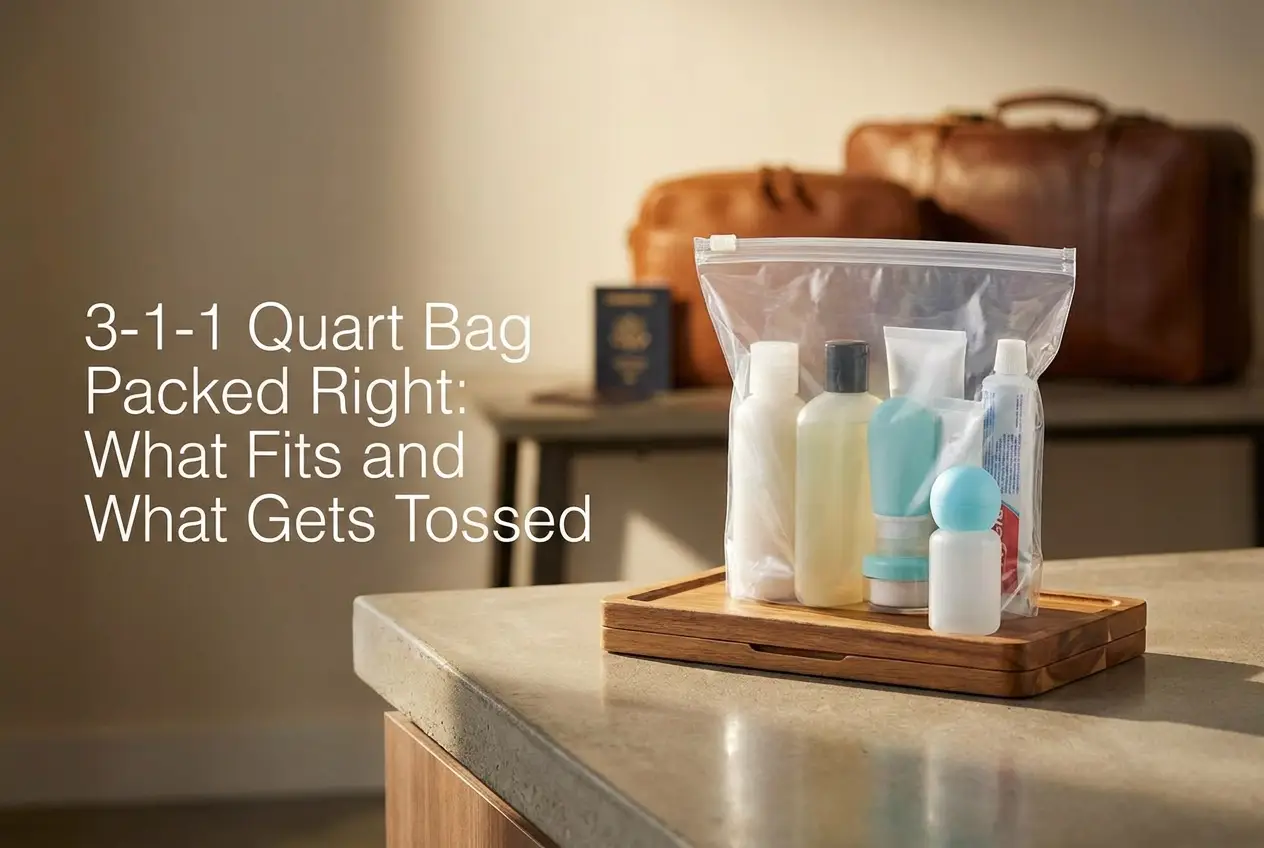
The bottle must be completely empty before you reach the TSA screening lane. The TSA’s 3-1-1 liquids rule applies to the liquid inside your bottle, not the bottle itself or the filter built into it. An empty filter bottle is just a container, no different from packing a coffee mug. Drain it before screening and check current TSA guidance for your bottle and accessories; the final screening decision rests with TSA.
Once you clear the checkpoint, refill only from a water source you consider appropriate for your destination and the treatment capability of your bottle. A filter should be used only for the contaminants it is specifically designed and rated to address; not every filter removes bacteria, protozoa, viruses, chemicals, or dissolved metals. When airport tap water is considered safe to drink, refilling there can help reduce the need to buy single-use bottled water.
Spare filter cartridges are generally easy to pack, but check the product and airline rules that apply to your trip. Keep replacements clean, dry, and protected from damage, and follow any manufacturer instructions for storage. If you are unsure whether a cartridge contains a restricted chemical or battery component, confirm before departure rather than assuming every filter accessory is treated the same.
For short domestic trips where the local tap water is considered safe to drink, a standard reusable or collapsible drinking bottle may be more practical than a filter bottle. Choose a product designed specifically for drinking water, and do not confuse toiletry dispensers with hydration bottles.
If you connect through multiple airports, reassess the refill source at each stop. Use water known to be safe or a treatment method appropriate for the source; do not assume airport tap water is suitable everywhere.
Use the specifications for the exact model and cartridge you plan to buy. Capacity, replacement intervals, price, and cleaning requirements vary. Calculate your expected daily use and trip length, then check whether replacements are available at home or at your destination.
Follow the manufacturer’s instructions for cleaning, drying, storage, backflushing, and protection from freezing. Do not apply one bottle’s maintenance routine to every filter. Pack a replacement or a suitable backup treatment method when your itinerary and product instructions call for it.
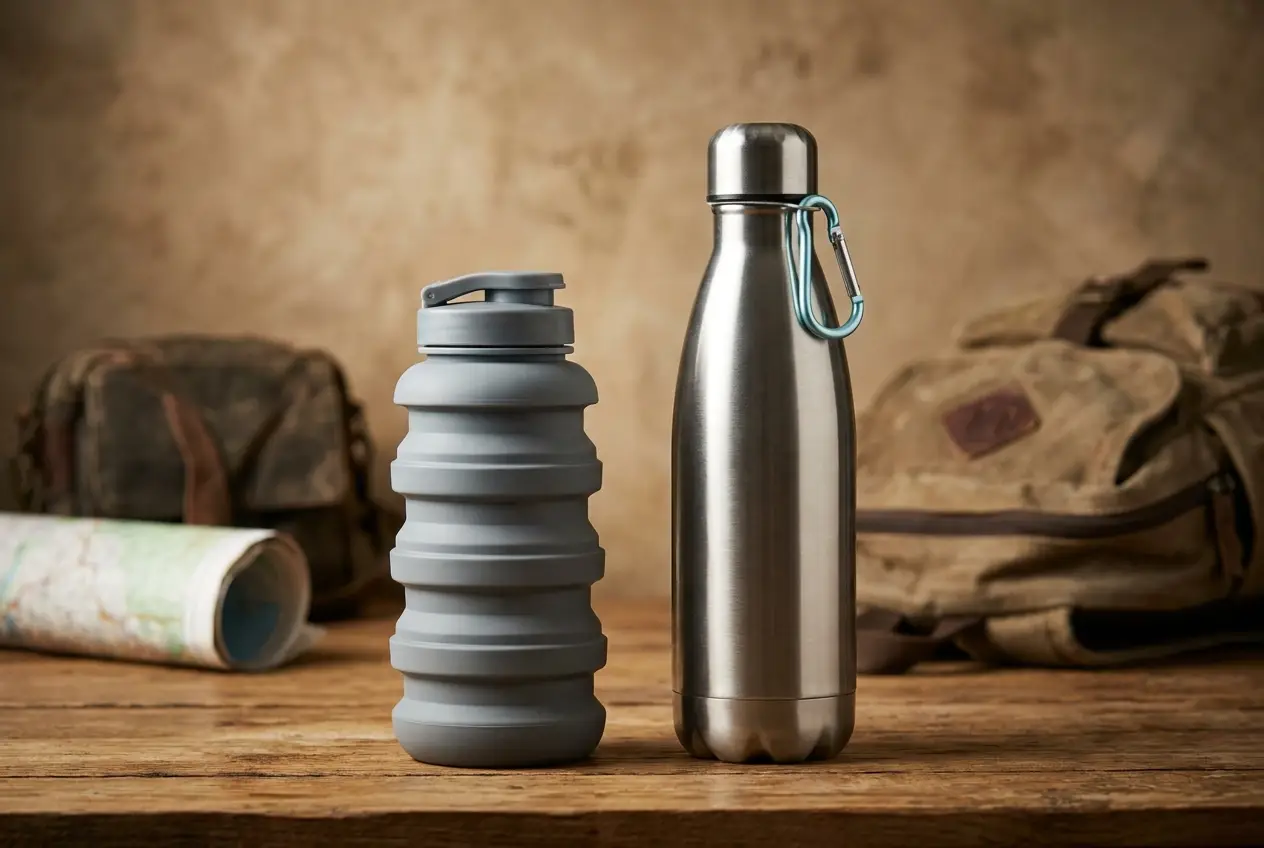
A collapsible bottle is a container for water that is already safe to drink. Our 700ml Collapsible Water Bottle does not filter or purify water. A treatment bottle is useful only when its verified capabilities match the water you expect to use. Compare exact dimensions and filled weight before choosing a backpack pocket or holder.
Reject the bottle if its documented capabilities do not match your expected water source, replacement filters are impractical to obtain, or the maintenance routine does not fit your trip.
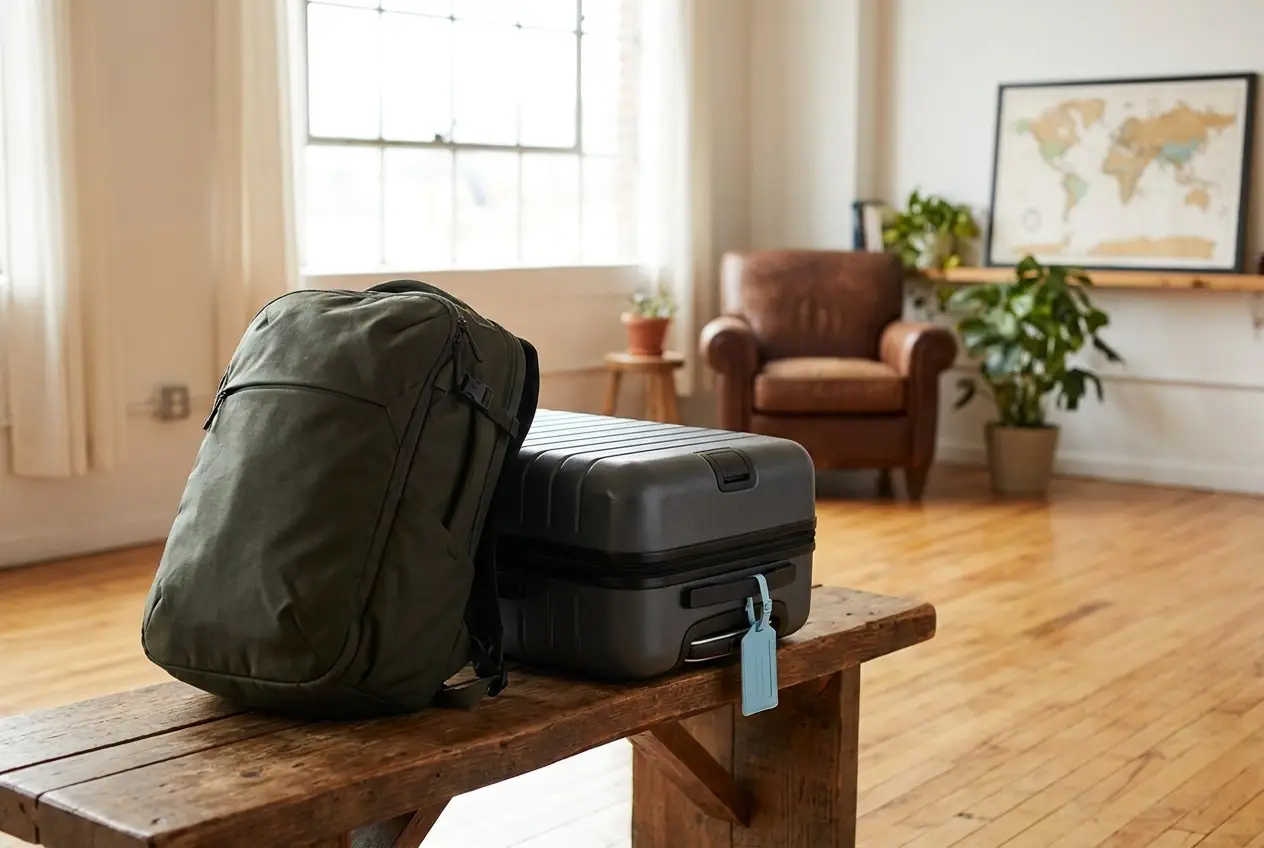
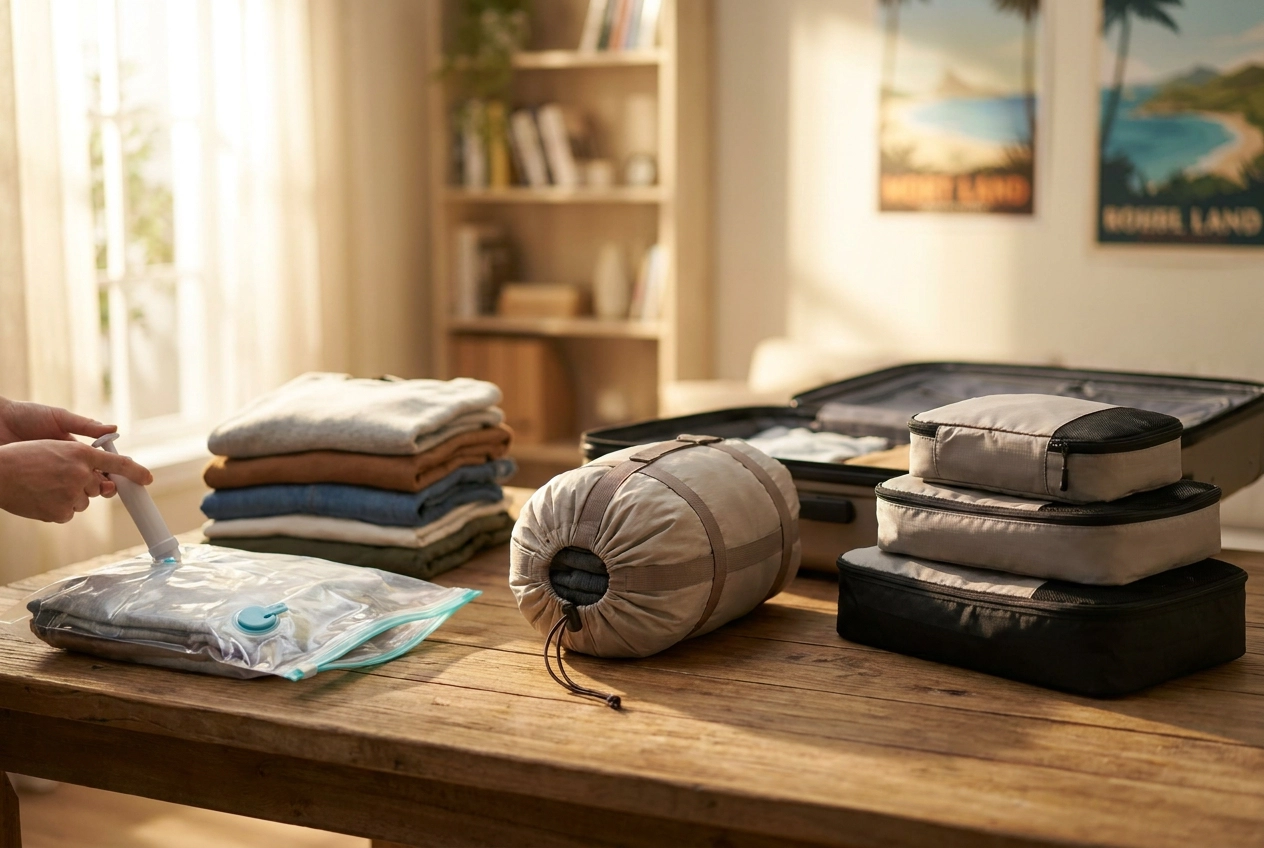
Keep clean drinking components separate from toiletries and used equipment. Store backup supplies as their labels direct. For carrying options, see our travel backpack guide; confirm that your chosen bag’s pocket fits the bottle. Compression packing can free space for equipment, but it does not reduce baggage weight.
| Method | Best for | Main limitation |
|---|---|---|
| Activated carbon | Taste and odor improvement in water already considered safe to drink | Not a substitute for microbial disinfection |
| Hollow-fiber or microfilter | Many bacteria and protozoa, depending on pore size and certification | May not reliably remove viruses or chemicals |
| UV purification | Microbial treatment of relatively clear water when the device is used correctly | Requires power and does not remove particulates or chemicals |
| Multi-stage purifier | Trips where broader contaminant reduction is needed | Usually heavier, slower and more expensive |
Suppose you are spending one week in a major city where local authorities consider the tap water safe, followed by several days of hiking where you may rely on untreated streams. A taste-only carbon bottle could be fine for the city but inappropriate for the hiking portion. In that case, choose a treatment method rated for the organisms expected in surface water, or carry a separate treatment system for that part of the trip. The point is to match the treatment to the actual water source rather than buying one bottle and assuming it covers every situation.
For related planning on Essential For Travel, see our best travel water bottle guide, travel accessories packing guide, and travel backpack guide.
Before buying, check local drinking-water guidance and the exact product’s treatment claims. Choose a safe refill source, follow the treatment instructions, and budget for replacement cartridges. For water already safe to drink, an ordinary reusable bottle may meet your needs. A filter bottle should complement careful trip planning rather than create confidence that every source can be treated.
Our collapsible bottle is a refillable container, not a filter or water purifier. Browse it as an option for carrying water that is already safe to drink, alongside a travel backpack.