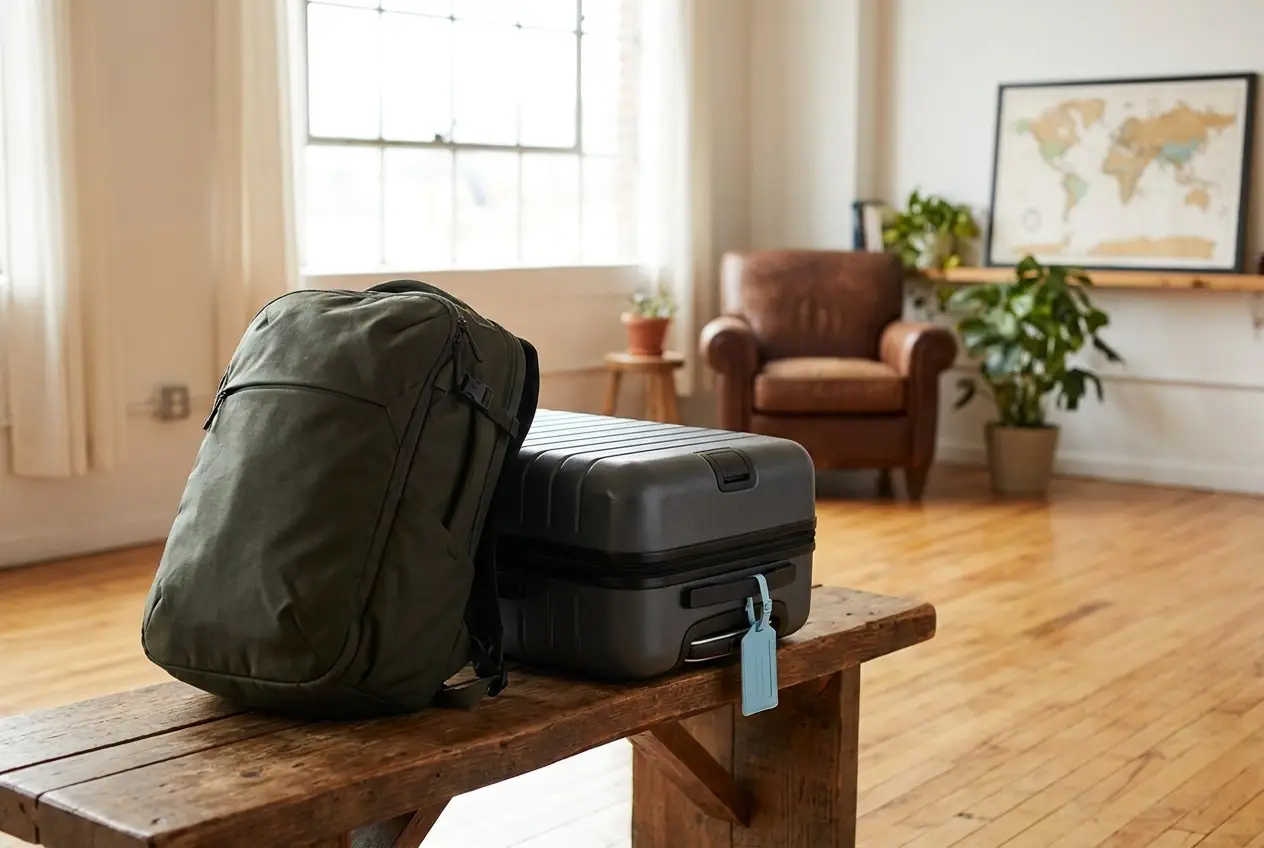


You have probably seen it in every airport gift shop, stuffed into overhead bins, and wrapped around the necks of fellow passengers trying desperately to sleep. The u-shaped memory foam neck pillow has been a travel staple for nearly a century, with its core design patented all the way back in 1929. Yet despite its dominance on store shelves and in travel guides, complaints about poor neck support, awkward positioning, and restless flights have never stopped piling up.
So why does everyone keep buying them?
This post cuts through the marketing noise to give you an honest, evidence-based look at what u-shaped memory foam neck pillows actually deliver and where they consistently fall short. You will learn how memory foam affects real neck support, why the classic design fails many travelers through no fault of their own, and how it stacks up against contoured, adjustable, and hybrid alternatives. Whether you are optimizing for a long-haul flight, a road trip, or a quick commute, this guide will help you match the right pillow to the way you actually travel.
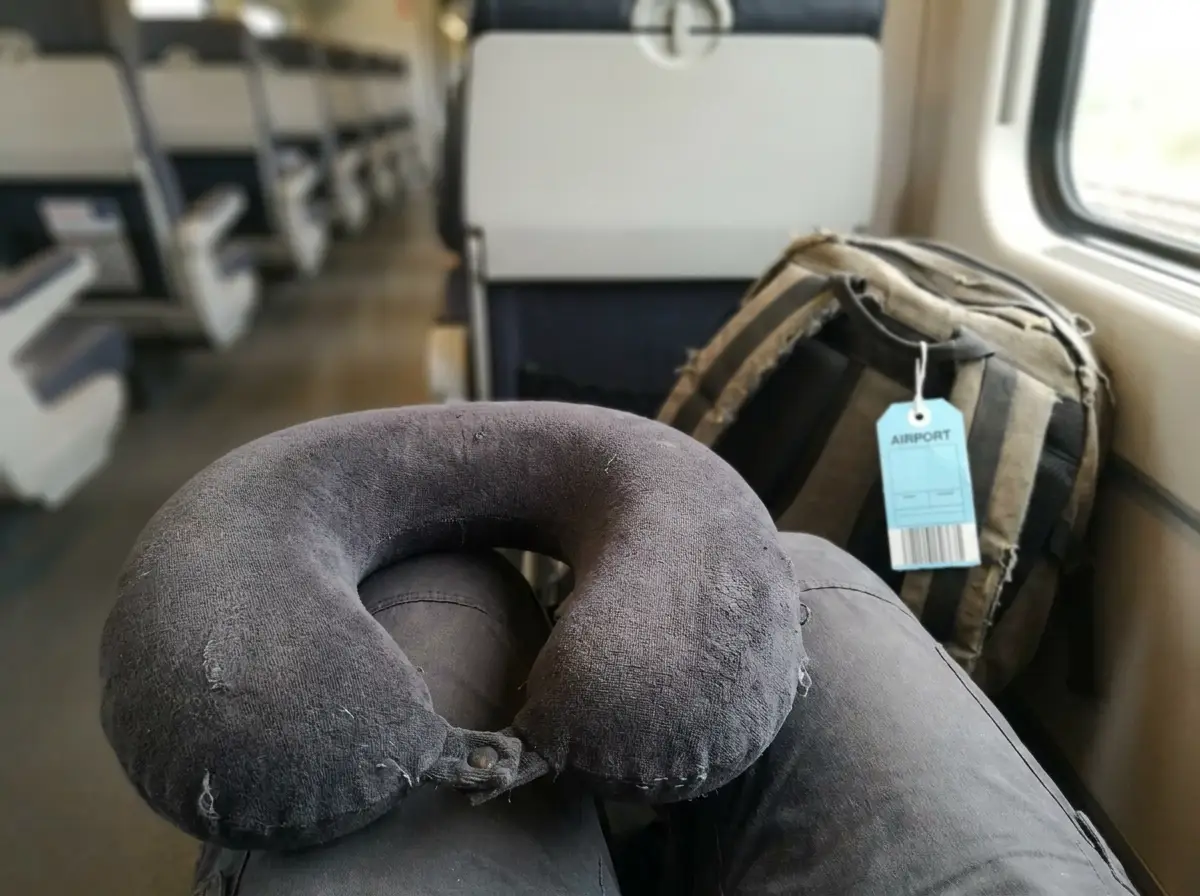
Its dominance in airport shops and travel accessories aisles stretches back nearly a century. The basic design was first patented in 1929, and despite decades of frustrated flyers, it has never lost its grip on the market.
That staying power is not a sign the design works. In 2017, The Atlantic called it an “unsupportive abomination” and a “useless trash pillow,” documenting specific structural failures that make restful in-flight sleep genuinely difficult. The design remains the default option in airport shops and travel aisles, a persistence that no single data point fully explains.
One likely reason: when a traveler wakes stiff, the experience registers as a personal failure to sleep rather than a product shortcoming. That perception keeps complaints scattered rather than consolidated into a clear signal against the design.
This is the paradox at the center of every smart travel pillow purchase: the most recognized option is not necessarily the most effective one, and the evidence against it is scattered across individual complaints rather than consolidated into a clear verdict.
Before you default to the familiar horseshoe shape on the airport shelf, it is worth understanding exactly what the design can and cannot do for your neck. Our guide to choosing a u-shaped memory foam neck pillow covers the full picture, including when the design earns its place in your bag and when a better option exists.
Before evaluating whether a u-shaped memory foam neck pillow is right for your travels, it helps to understand exactly what the material does, and what it cannot.
Memory foam is viscoelastic polyurethane foam, meaning it responds to both heat and pressure. When your neck contacts it, body warmth softens the foam locally, allowing it to slowly conform to that exact shape rather than pushing back with uniform resistance the way standard polyester fiber does. The result is a more personalized contact surface and fewer concentrated pressure points.
That distinction matters when comparing fill materials. Hollow fiber compresses unevenly under sustained weight, creating hard pockets and dead spots over a long flight. Microbead fills shift with movement, providing inconsistent support as you settle into a position. Memory foam holds its conformed shape, which is a measurable improvement for extended wear.
Density is the specification most buyers ignore, and it’s the one that most determines performance. Density varies widely across travel pillows. Lower-density foam bottoms out quickly under sustained head weight; higher-density foam resists contouring enough to feel uncomfortably firm. The functional sweet spot balances cushioning with enough body-responsive shaping to maintain contact during extended wear. If you’re evaluating options, this compact memory foam travel neck pillow is one example of what density-conscious construction looks like in a packable format.
One property buyers rarely anticipate is response lag. Memory foam re-conforms slowly by design, the delay is noticeable after any sudden displacement. During turbulence or the involuntary head-drop that signals you’ve fallen asleep, your neck briefly loses support while the foam catches up. This is not a defect; it is how viscoelastic foam behaves by patent-defined specification. It is simply worth knowing before your first overnight flight.
The core takeaway: memory foam’s material advantage over competing fills is real. But that advantage is only delivered to your cervical spine if the pillow shape actually positions foam where your neck contacts it. The material cannot compensate for a geometry that misses the target.
That material advantage only pays off when the pillow’s shape puts the foam where your neck actually needs it. In specific scenarios, the u-shape delivers exactly that.
When you lean against the cabin wall, you create a third contact point alongside the two lobes of the pillow. That additional lateral support compensates for the gap at the rear of the pillow, stabilizing your head in a way that middle and aisle seats simply cannot replicate. If you consistently book window seats, the u-shape performs meaningfully better than its general reputation suggests.
Travelers who want light chin and jaw support while reading or watching films, rather than chasing a full sleep cycle, find the u-shape adequate. It keeps your head from dropping forward during a movie without requiring the deeper cervical support that genuine sleep demands.
On routes under three hours, the goal is typically light dozing rather than completing full sleep cycles. The ergonomic limitations of the u-shape have less time to create problems, and the discomfort threshold stays below what would disrupt a short rest.
Travelers with broader shoulders and shorter necks are generally considered a better fit for standard u-shaped pillows. The pillow’s fixed proportions align more naturally with that anatomy than with taller neck profiles, where the lobes often sit too low to provide meaningful support. If you fall into that broader-shoulder category, the u-shaped travel pillow guide covering fit, fill, and what to look for before you buy is worth reviewing before making any changes.
The replacement calculus is straightforward. If you already own a u-shaped memory foam pillow and fly primarily in window seats on routes under four hours, upgrading is not an urgent priority. The design has real weaknesses, but those weaknesses are least punishing in exactly that combination of seat position and flight length.
Outside of the window seat scenario, the design’s structural limits become difficult to ignore.
The most significant flaw is the gap at the back of the neck. The open space between the two foam lobes sits directly over the cervical spine, the precise area that needs the most support when your head drifts forward in an upright seat. Memory foam cannot support tissue it never contacts. That gap is not a minor oversight; it is the pillow’s central geometry.
Without a fixed cabin wall to lean against, middle and aisle seat travelers have no surface to catch lateral head drop. The result is repeated jolting awake across a long flight, fragmenting sleep into useless intervals rather than restorative rest.
Fit is a third failure point. The standard u-shape ships in one size. Population variance in neck circumference and shoulder width is substantial, and a pillow proportioned for an average frame will sit loose on a narrower neck or compress awkwardly against broader shoulders. Memory foam’s contouring properties are only useful if the foam is actually pressing against your skin. A gap-fit means the material’s core advantage goes undelivered.
The underlying ergonomic requirement is straightforward: upright sleeping demands anterior and lateral neck support at the same time. The u-shape, by geometry, provides neither simultaneously. Delivering both would require a structurally different form, not better foam.
So the design falls short on the fundamentals. The question becomes: which alternative actually solves those problems, and at what cost?
Here’s how the four main categories stack up across the dimensions that matter most.
U-shaped memory foam pillows are typically the most affordable option and are available in every airport gift shop. That accessibility is real. But as covered, they rank lowest on cervical gap coverage and lateral head support, and for aisle and middle seat travelers that shortfall is difficult to work around.
Contoured J-shaped and asymmetric pillows directly address the cervical gap by shifting the support structure to one side of the neck and chin. Wrap-style designs brace laterally using a rigid internal spine rather than foam volume. The tradeoff: no full-foam padding, which many travelers find noticeably less comfortable on flights over four hours. The structure can also feel restrictive if you shift positions frequently during a long-haul.
Adjustable lobe pillows let you compress or expand each side independently, which partially corrects the neck-width mismatch problem that standard u-shapes cannot address. The practical concern is mechanical: inflation valves, adjustment toggles, and multi-chamber structures introduce more failure points than single-piece foam designs. Longevity is a legitimate consideration for frequent fliers.
Hybrid designs combine memory foam fill with a contoured or wraparound outer shell, delivering the material benefits of slow-response foam inside a shape that actually covers the cervical gap. They are heavier than wrap-style options and pack larger than inflatables, but offer the strongest overall performance profile across seat types.
When evaluating any pillow in these categories, prioritize these six dimensions over brand recognition: cervical gap coverage, lateral head support, packed size, weight, washability, and seat-type compatibility. A well-chosen travel neck pillow memory foam option matched to your actual seat position will outperform a premium brand pillow bought on instinct alone.
If you’ve decided a u-shaped memory foam pillow is the right fit for your travel style, the specific features you select within that category determine whether it actually performs.
Foam density is the first filter. Prioritize pillows explicitly described as high-density or slow-recovery memory foam. Lower-density options bottom out under sustained head weight, defeating the material’s primary advantage. Our curated memory foam travel neck pillow selection applies this density threshold as a baseline, combined with a reinforced lobe structure that resists compression at the sides where lateral support matters most.
Rear bridge design separates adequate from genuinely good. A raised rear bridge, or partial-closure construction, narrows the cervical gap at the back of the neck rather than leaving it fully open. This single structural feature delivers meaningfully better spinal contact than a standard open u-shape, particularly during the first few hours of a long-haul flight.
A removable, washable cover is non-negotiable. Memory foam cannot go in a washing machine. Without a zippered removable cover, the pillow becomes unhygienic within a few uses. For frequent travelers logging multiple flights per month, this is a durability and hygiene requirement, not a convenience feature.
Front closure mechanisms convert the design for aisle seats. Snap-clip and toggle closures draw the two lobes together under the chin, adding anterior neck support that the standard open u-shape entirely lacks. This modification makes a meaningful difference for aisle seat travelers who have no cabin wall to compensate for the design’s instability.
Compression compatibility determines whether the pillow fits your packing system. Some memory foam pillows ship with dedicated compression sacks that meaningfully reduce packed volume. For carry-on-only travelers, this feature directly affects whether the pillow earns its bag space on every trip or gets left at home.
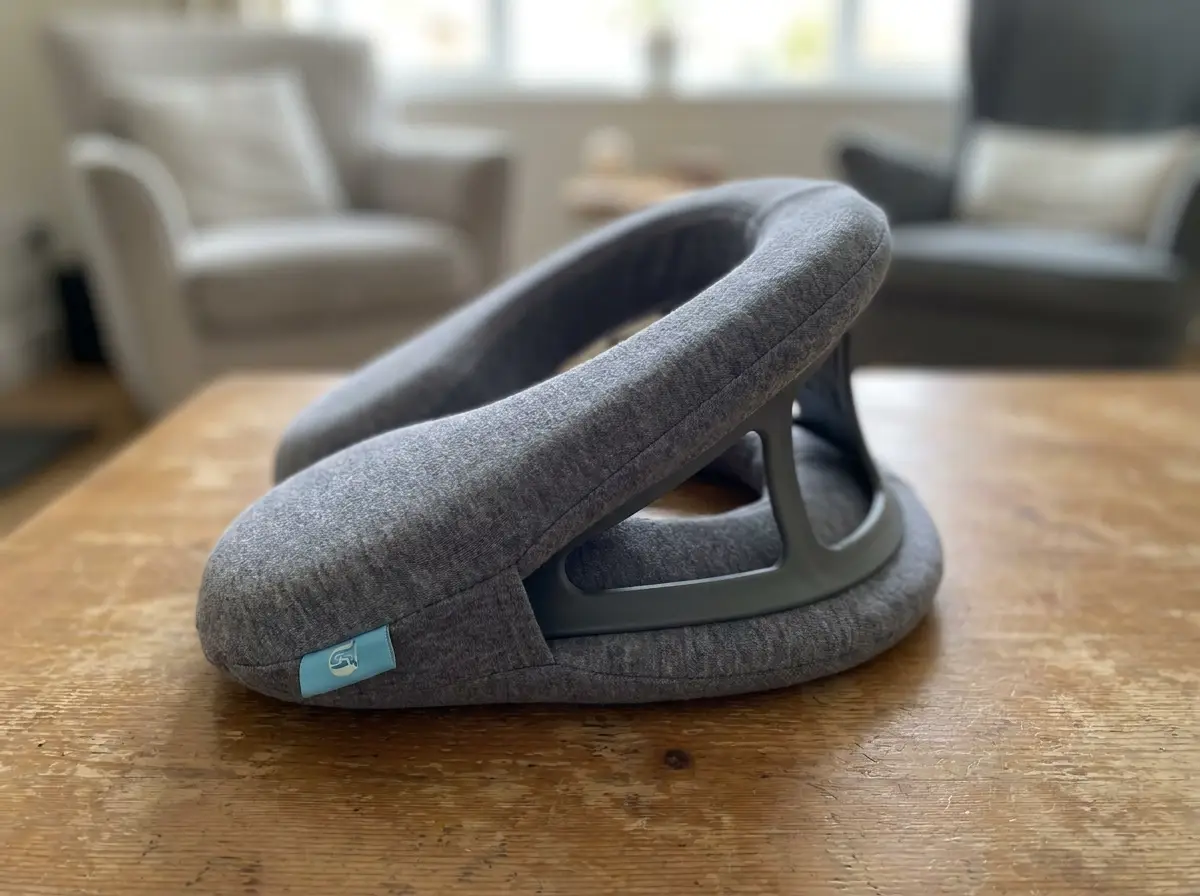
Even the best u-shaped memory foam pillow has a geometric ceiling. If the options above don’t fully match your sleep needs, these alternatives solve specific problems the u-shape cannot.
Wrap-style neck supports use a rigid internal spine to brace the neck laterally rather than cradling it from the front. This directly addresses the cervical gap problem at roughly half the pack weight of a comparable foam pillow, making it a practical upgrade for aisle seat travelers who need lateral control on long-haul flights.
Inflatable contoured pillows compress to roughly the size of a fist, eliminating the bulk problem entirely. Most models let you adjust firmness by controlling inflation, a meaningful advantage when aircraft cabin pressure changes mid-flight. The trade-off is real: without true memory foam, pressure distribution is uneven, and hard plastic valve housings can press uncomfortably against the jaw during extended wear.
Lumbar-plus-neck combination pillows are engineered for a different problem entirely. In business class or premium economy seats with deep recline, the neck is no longer the primary unsupported region; the lower back is. These systems brace both zones simultaneously, making them purpose-built for premium cabin travel rather than standard economy. Pairing one with your other must-have neck and head support accessories covers both comfort zones on overnight routes.
Hooded neck pillows attach a structured fabric hood to a standard pillow body. The hood catches the head before full forward drop occurs, functioning simultaneously as an eye mask and a passive head support. This is particularly effective on overnight flights where blocking light and preventing head drop are equally important.
For frequent flyers logging more than 10 flights per year, the math favors a hybrid memory foam contoured pillow. A quality hybrid typically outlasts multiple budget purchases and recovers better sleep per trip, compounding the value with every flight.
Knowing which pillow type fits your journey matters more than picking the most expensive option. The right match depends on seat geometry, duration, and what you actually need from sleep on that particular trip.
Red-eye overnight flights (6+ hours) are the scenario where pillow choice has the highest stakes. Arriving at your destination stiff-necked after a transatlantic flight compromises the entire first day. For these routes, hybrid contoured or adjustable designs are better suited to the biomechanical demands of overnight upright sleep, addressing lateral head drop, which is the primary failure mode during deep sleep in an upright seat. This is where a premium upgrade pays off fastest. For a broader look at how comfort gear affects your overall travel experience, building a smarter packing list can make every flight more manageable.
Short-haul flights under 3 hours do not justify premium pillow investment on their own. A budget u-shaped memory foam pillow performs adequately for light dozing on a 90-minute hop. A rolled fleece jacket tucked against the window does roughly the same job. Save the upgrade budget for trips where sleep quality actually determines how the next day goes.
Airport layovers and terminal seating are where the standard u-shape earns a genuine performance advantage, with terminal chairs providing lateral head support that compensates for the design’s cervical gap weakness.
Train travel in Europe and Asia favors u-shaped designs more than plane travel does. High-speed train seats in Europe and Asia tend to offer more recline and higher headrests than standard aircraft economy seats, which can give a u-shaped pillow’s lobes more structural surface to rest against.
Business and premium economy seats with lie-flat or deep-recline configurations change the biomechanics entirely. In a nearly horizontal position, a neck pillow becomes redundant or actively awkward. A folded travel blanket or small lumbar cushion is more useful than any neck pillow once your seat reclines past 45 degrees.
Once you’ve matched your pillow to your journey type, the next practical question is whether it actually fits your bag.
A neck pillow is not subject to the TSA 3-1-1 liquids rule, but whether it counts toward your carry-on or personal-item allowance is an airline decision rather than a TSA classification. Check your airline’s baggage policy before departure; IATA also notes that cabin-baggage allowances vary by airline, cabin class, and aircraft type in its Passenger Baggage Rules. The practical obstacle is usually packed volume.
A standard u-shaped memory foam neck pillow occupies roughly the same space as a pair of dress shoes. For carry-on-only travelers, that trade-off demands a strategy.
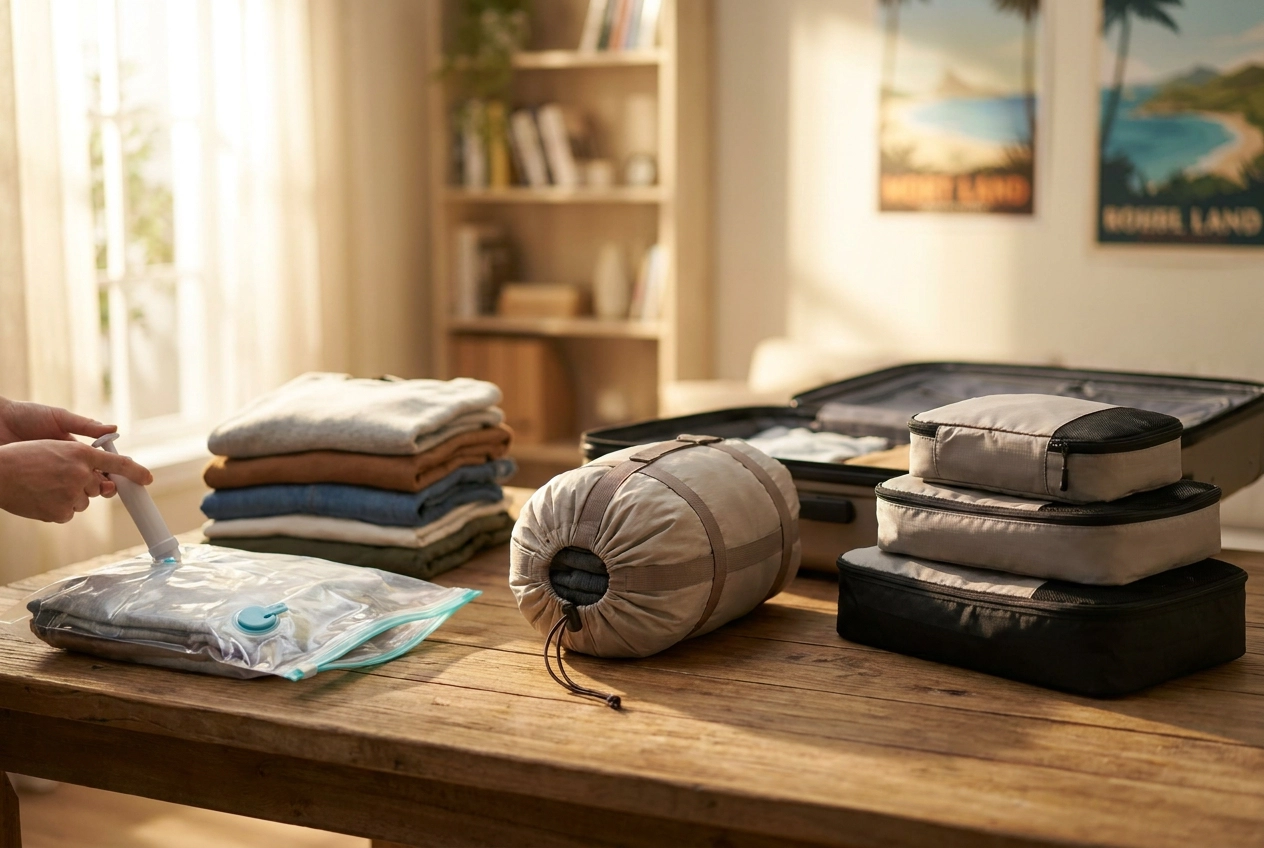
Compression packing is the most effective solution. Memory foam can be compressed significantly using a dedicated compression sack without permanent deformation. The key word is “dedicated”: a purpose-built compression sack applies even, controlled pressure across the foam’s surface. Jamming the pillow into a corner of your bag applies uneven stress that, over repeated trips, can create permanent flat spots in the foam.
Hook-and-clip external carry systems are a common workaround, attaching the pillow to the outside of a backpack or duffel. They work, but carry two real-world costs: snagging on crowds, conveyor belts, and overhead bin edges during airport navigation, and potential complications if your bag is selected for a gate check. If you use an external clip system, move the pillow to inside your bag before the gate. If your bag is selected for a gate check, externally attached items may need to be removed or stowed; confirm with airline staff at the gate.
For multi-destination trips where packing space is genuinely constrained, an inflatable alternative that compresses to a very small pouch is the more practical choice. The sleep quality trade-off is real, but so is the math when you are living out of a single personal item across five cities.
The cleanest workflow for carry-on travelers is pairing a compression-compatible memory foam pillow with a packing cube system. Compress the pillow into its sack before leaving home, pack it into a cube, and restore it after boarding. This eliminates any compression management at security and keeps your bag organized throughout.
Packing constraints narrowed your options. Now narrow them further with four honest filters.
| Travel situation | Best starting choice | Why |
|---|---|---|
| Window seat, under 4 hours | U-shaped memory foam | The cabin wall adds lateral support and the trip is short enough that bulk matters less. |
| Aisle or middle seat, 6+ hours | Contoured or hybrid pillow | Better control of side-to-side head drop during deeper sleep. |
| Carry-on-only packing | Compression-compatible foam or inflatable | Reduces the amount of valuable bag space used by comfort gear. |
| Frequent long-haul travel | Adjustable or hybrid design | Better fit and support can justify the extra cost over repeated trips. |
For more planning help, compare our memory foam U-shaped neck pillow guide, long-haul flight essentials, and travel essentials packing guide.
Seat position comes first. If you consistently book window seats, a u-shaped memory foam pillow with a front snap closure is a legitimate, cost-effective choice. The cabin wall provides the lateral support the design cannot generate on its own. Aisle and middle seat travelers lack that fixed surface, and no amount of memory foam compensates for it.
Flight frequency determines your price ceiling. Under 10 flights per year, a budget u-shaped pillow with a reinforced lobe structure is adequate. Over 10 flights per year, a hybrid contoured pillow earns its higher price through better sleep across many more trips.
Neck anatomy is not optional to consider. Travelers with longer necks or narrower shoulder profiles are more likely to find that standard u-shape proportions leave gaps at the cervical spine. If that describes you, adjustable or contoured alternatives are not an upgrade, they are a correction.
For carry-on-only travelers, packing footprint and compression compatibility belong in the selection criteria alongside ergonomics, not after them. A pillow that performs well on the plane but breaks your packing system is a net negative.
The honest bottom line: a u-shaped memory foam pillow with a raised rear bridge, removable cover, and front closure is a defensible purchase for many travelers. The raised bridge partially closes the cervical gap. The removable cover keeps the foam hygienic over years of use. The front closure adds meaningful support for aisle seat napping. What it is not is a universal default. Make it a deliberate choice based on your seat, your schedule, and your anatomy, and it will serve you well. Ignore those variables, and no amount of memory foam will fix the mismatch.
The framework above gives you a clear decision path. What it comes down to is this: the u-shaped memory foam neck pillow is not a bad product, it is frequently the wrong product for the traveler buying it.
Memory foam genuinely outperforms fiber and microbead fillings. It distributes pressure, conforms to your neck’s specific shape, and holds that position. But those material advantages only reach your cervical spine if the pillow’s geometry puts foam where your neck actually lands during sleep. A premium material inside a mismatched shape still fails the traveler using it.
The clearest candidates for staying with a u-shaped option are window seat travelers, anyone on flights under three hours, and buyers working within a modest budget. The wall contact that a window seat provides compensates for much of the design’s structural weakness, and short flights don’t demand the deep sleep cycles where ergonomic gaps become costly. For these travelers, a quality u-shaped pillow with a raised rear bridge and front snap closure remains a practical, defensible choice.
Aisle seat frequent fliers have the most to gain from switching. Without a fixed surface to lean against, the u-shape cannot prevent lateral head drop, and no amount of memory foam density changes that geometric reality. Check your seat preference, your typical flight length, and your packing tolerance before you spend a dollar.
Essential For Travel’s curated neck pillow selection is built around exactly that logic. Product descriptions flag when a u-shaped design is the right call and when a contoured or adjustable alternative will serve you better. The goal is a match between your specific travel life and the pillow you actually pack, not the one that happened to be at eye level in an airport shop.
The design is neither universally good nor universally bad, the right choice depends on your seat, your flight, and your packing constraints.
You now have the framework to make that call with confidence. Check your seat preference, your typical flight length, and your packing tolerance before you spend a single dollar.
Browse Essential For Travel’s curated neck pillow selection to find options already matched to your travel profile. Better sleep on your next flight is not about finding the perfect pillow. It is about finding the right one for you.