
Reduce creasing in wedding guest formalwear by using a suitable garment sleeve or careful folding around soft layers, avoiding overpacking and separating shoes from delicate fabric. Check garment length and your carrier’s baggage allowance before choosing a garment bag. On arrival, follow each garment’s care label before steaming or pressing; no packing method guarantees crease-free clothing.
This beginner-friendly guide keeps it simple. First, check your airline and security rules, because garment bags, carry-ons, and cabin closets vary by carrier. Then we will cover ways to reduce creasing in formal wear, protect shoes from damage, organize ties and jewellery, and choose grooming items that meet airport security rules. We will also cover non-suit options like dresses, gowns, and saris, plus wedding logistics for two outfits, multi-day trips, and backups. Finally, you will learn what actually works for de-creasing on arrival and get a wedding guest packing checklist.
Quick answer: how do you prevent wedding clothes from wrinkling in luggage?
Use a garment sleeve or careful folding around soft layers, avoid overpacking, and separate shoes in their own compartment or bag. Check the garment after arrival and follow the care label before steaming or pressing. Last reviewed: November 2, 2026.
Wedding travel packing checklist
- Formal outfit and suitable garment protection
- Shoes packed separately from delicate fabric
- Jewelry, tie or other small accessories in a secure pouch
- Wrinkle-care plan appropriate to the fabric
Before You Pack: Check Your Airline and Security Rules First
Airline and security details can change, so verify current requirements for your route before departure.
Check two things before packing: your airline’s rule and your airport’s security rule.
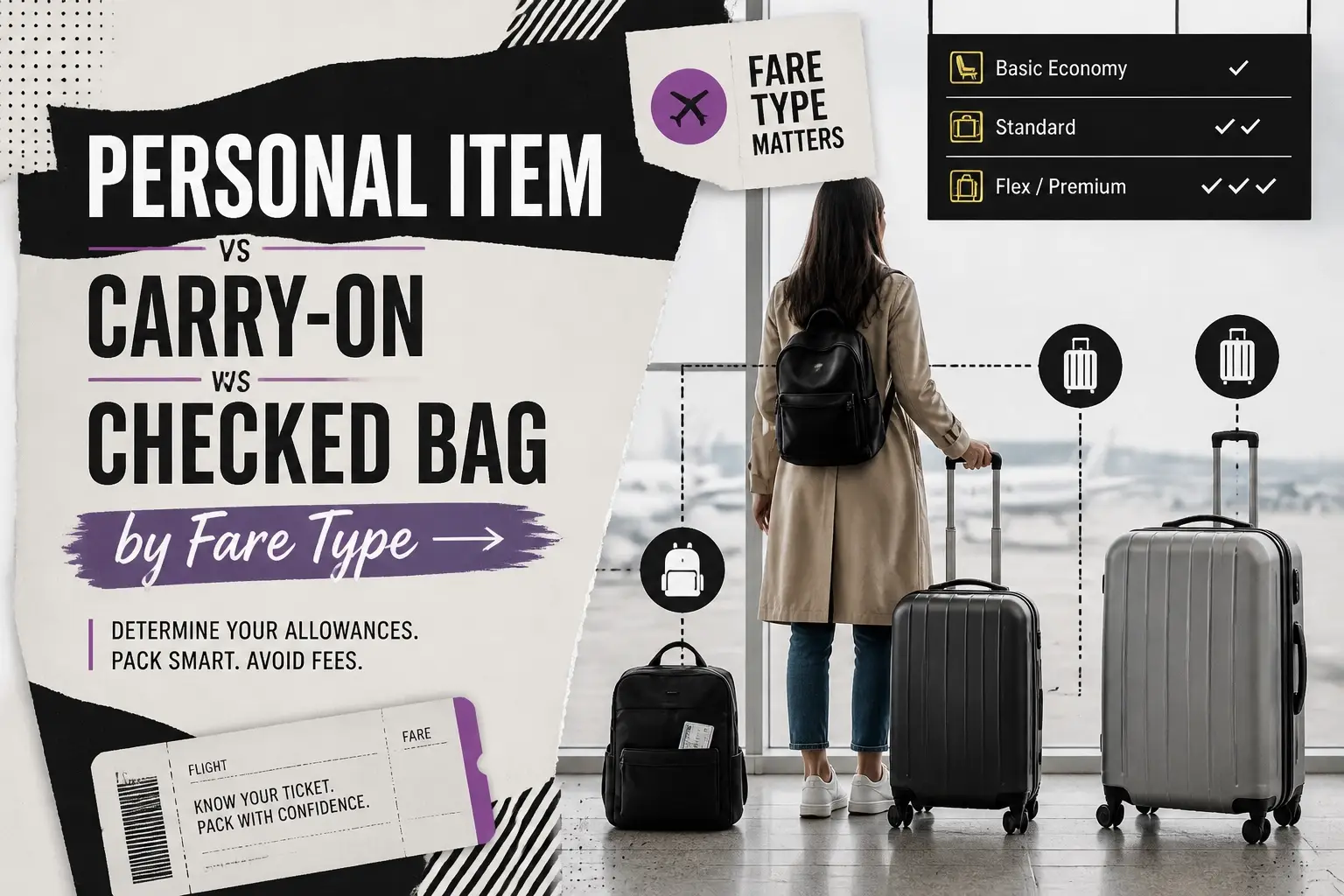
Garment bags may count toward your cabin-baggage allowance, and some airlines apply specific dimensions or restrictions. Check the operating airline’s rules for your ticket and route before choosing a garment bag.
Don’t build your plan around the cabin closet. Hanging space is scarce, generally reserved for premium cabins and crew, and on some long-haul flights first come, first served.
Security varies just as much. Liquid limits and screening procedures differ by country, airport, and route, so check the official authority for your departure point. For US departures that’s the TSA, including its liquids rule and What Can I Bring list; elsewhere it’s the equivalent national body. Cabin rules, personal item definitions, and screening steps shift by region and airline, so verify your own itinerary instead of trusting a generic guide.
Decide the split early: on a short trip, carry formal wear on board and check only the bulky, replaceable items.
Step 1: Pack the Formal Wear So It Arrives Crease-Free
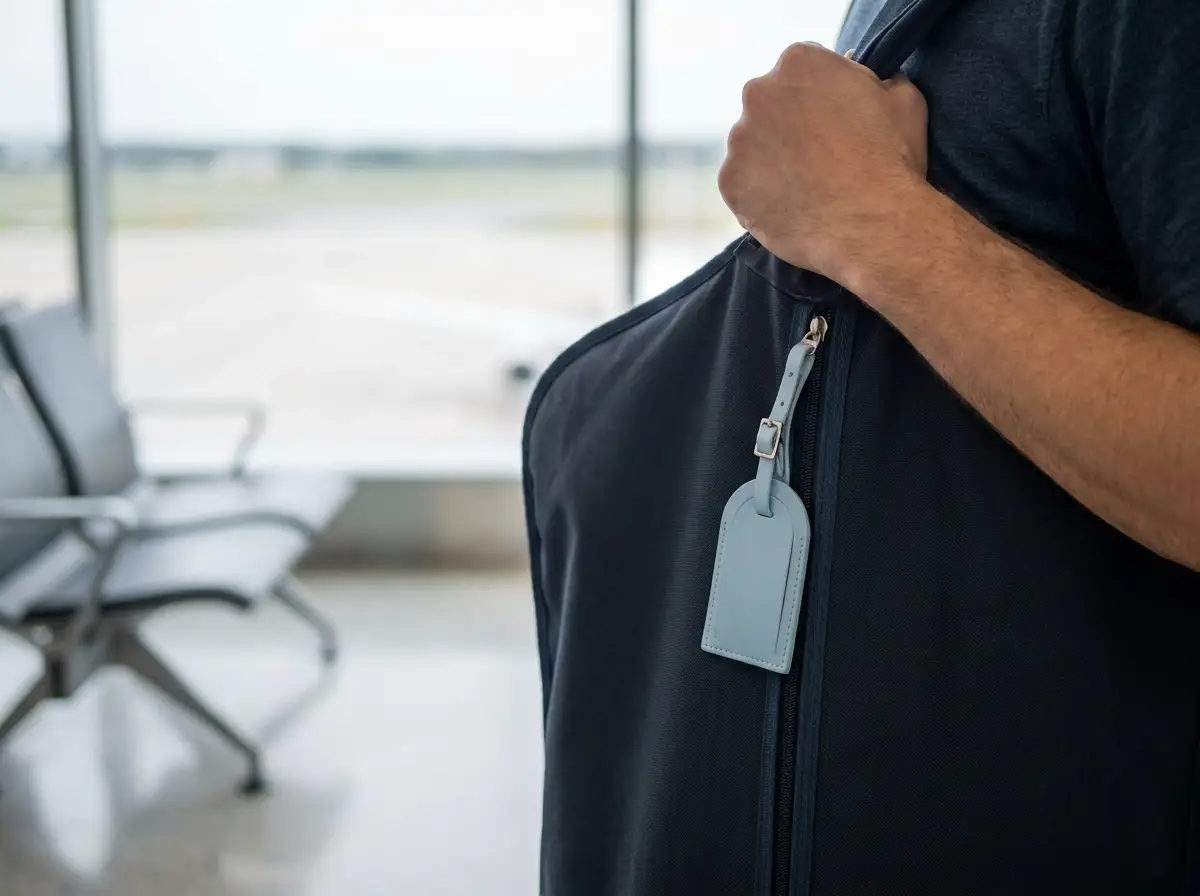
If your airline permits it, keeping formal wear in your cabin bag may reduce the risk of delayed checked luggage. Use a garment sleeve or careful folding, and confirm the garment bag counts toward your cabin allowance.
If formal wear must travel in checked luggage, protect it in a garment sleeve or suitable packing layer and cushion it with soft clothing. Avoid placing heavy items directly on delicate fabric, and follow the garment’s care instructions when folding.
Do not assume cabin closet space will be available. If you use an overhead bin, stow the garment bag as directed by the crew without blocking other passengers’ bags or exceeding your allowance.
For the fold itself:
- Tissue paper at the shoulder seams and along every fold line
- Sleeves crossed at the back
- Never fold the same crease twice
Skip the garment bag size limits you see quoted online. They go stale and vary by carrier, so check your airline’s own cabin bag dimensions.
A garment bag or structured travel bag from Essential For Travel’s luggage and travel bag range does the carrying, while the folding method does the protecting. Finish your formalwear packing check, then move on to shoes.
Step 2: Pack Shoes Without Squashing Everything Else
Now that the formal wear is handled, tackle the heaviest items in the bag.
- Set shoes sole-down in the base of the case or at the wheel end. Their weight sits over the frame there instead of pressing down into your clothes.
- Bag each pair separately using shoe bags or a travel bag set with its own shoe compartment, so scuffed soles, gravel, and sand never touch fabric.
- Stuff the toes and insteps with socks or tights to hold their shape, then pack heel to toe. That saves space and stops shoes sliding around in transit.
Two pairs cover most weddings: one formal pair for the ceremony, one comfortable pair for dancing, the walk between venues, and travel. Wear the bulkiest pair on the plane.
Heels deserve extra care. Wrap them in tissue and keep them out of compression. A crushed heel cup will not bounce back, while a light crease in a shirt usually will.
Next, give the small things a home so they do not wander.
Step 3: Accessories, Ties and Jewellery That Do Not Migrate
With shoes squared away, the small stuff is next: vanishing cufflinks, kinked belts, a tie folded beyond repair.
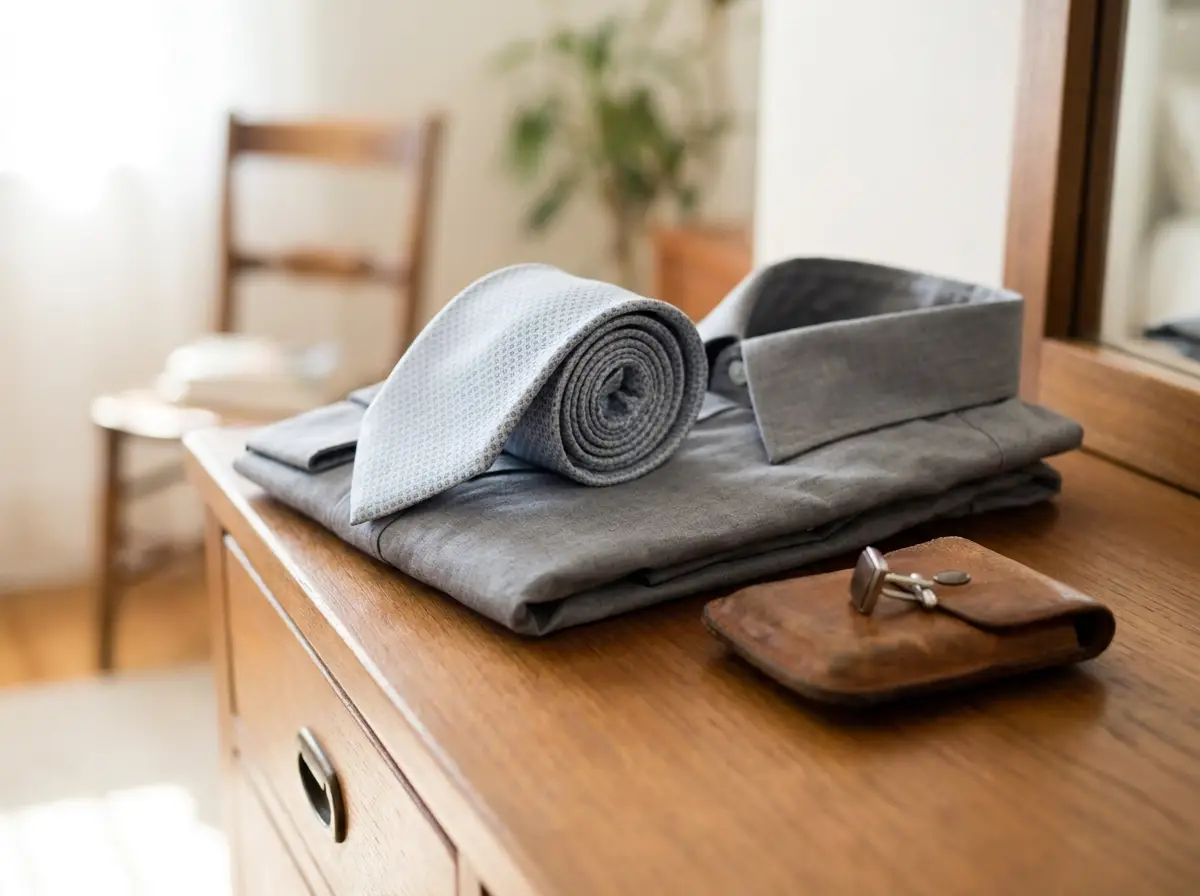
Roll ties loosely around your hand and tuck the coil inside a shirt collar or a dedicated tie case. Sharp folds can leave stubborn creases in silk, so loosely roll delicate ties and follow the fabric’s care instructions.
Jewelry, cufflinks and watches belong in your carry-on in a hard case or zipped pouch, never in checked luggage. Wear the pieces you would hate to lose. Screening rules change, so check current TSA security screening guidance before you fly.
Give small items a fixed home. A packing organizer or pouch helps keep small travel accessories organized, so earrings, hair pins, cufflinks and collar stays stop sinking to the bottom of the bag.
Roll belts and tuck them into empty shoe space or along the case edge so they keep their curve.
Build a day-of pouch with jewelry, tie, spare hosiery and safety pins. Nobody should be unpacking the whole case an hour before the ceremony.
Grooming and liquids come next.
Step 4: Grooming and Toiletries That Clear Security
With the accessories sorted, your grooming kit is next.
Liquids, gels and aerosols must meet the security limit at your departure airport. Verify the current rule with TSA (U.S. departures) or the equivalent national authority elsewhere instead of trusting a number quoted here.
Use travel containers that meet the liquid limits at your departure airport; TSA does not generally approve or certify individual toiletry bottles. For U.S. checkpoints, most carry-on liquids, gels and aerosols must be in containers of 3.4 ounces (100 mL) or less inside one quart-size bag, subject to exceptions. Keep the bag accessible if screening staff ask to inspect it.
Add a repair kit: stain remover pen, lint roller, wrinkle-release spray, spare buttons, safety pins, blister plasters and a small sewing kit. Wrinkle-release spray is an aerosol, so it follows the same liquid rules.
Check the rules for powered devices too. A travel steamer or hair tool may belong in the cabin or the hold depending on its battery, and lithium batteries are often carry-on only. Confirm with your airline.
For a full category rundown, see The Complete Travel Essentials List: What You Actually Need.
Non-Suit Formal Wear: Dresses, Gowns and Saris
Not every guest wears a suit; dresses, gowns and saris need their own handling.
Dresses and Gowns
Fold structured or heavily lined dresses with tissue at the bodice, waist and hem; roll soft fabrics instead. Structured fabric creases more, so travel in it when you can, or plan to steam on arrival. Turn beaded or embellished pieces inside out, with tissue between layers, and keep them out of compression so beads do not snag or leave pressure marks.
Saris
Sari fabric folds easily, but the pleats are the fragile part. Roll the pleated section around a tube, or pack the pre-pleated portion flat at the top of the case. Floor-length pieces belong in a garment bag or long travel bag, and light and dark fabrics should stay apart to prevent color transfer. To complete your packing system, add a hanging organizer so the folded length stays put.
Finally, check the dress code and the venue surface before you pack: grass, sand, gravel and long walks all change hem and shoe decisions.
Wedding-Specific Logistics: Two Outfits, Multi-Day Trips and the Backup
Once the outfit itself is sorted, the trip around it needs a plan. Most weddings stretch across a few days: rehearsal dinner, ceremony, reception, and often a brunch. Bundle each outfit in its own packing organizer so nothing gets mixed up or re-folded. If your ceremony and reception looks differ, pack them as two labeled bundles so you can change without unpacking the whole case.
Then carry a backup in your cabin bag: a spare shirt or top, a second pair of tights, and a small stain kit. Spills happen, and checked bags go missing.
Confirm the dress code, venue, and likely weather before you pick shoes. Grass, sand, gravel, and long walks decide your footwear faster than the outfit does.
On longer trips, make formal wear the one special item and build the rest of your capsule around it, so you are not repacking it daily. Packing the rest of the bag light makes that simple; see How to Pack Light Without Sacrificing Comfort on Long Trips.
De-Creasing on Arrival: What Actually Works
Your outfits are bundled and labeled by now, so the last variable is what happens when you unzip.
Unpack and hang formal wear soon after arrival. Follow the care label before using steam or heat: some delicate fabrics, finishes and embellishments can be damaged. If a garment needs pressing, ask the accommodation about a suitable iron or professional service rather than assuming bathroom steam will remove wrinkles.
Rolling presses fabric against itself. That works for knits, t-shirts, and other soft fabrics, but it leaves hard creases in structured pieces, so fold those instead. Slide tissue along each fold line and inside the sleeves, and never fold a garment along the same line twice.
If a hotel iron is your only option, work through a pressing cloth on low heat and keep it away from buttons, embellishment, and synthetic blends that scorch fast. A travel steamer handles most arrival creases. For stubborn ones, ask the front desk or use a laundry service rather than risking the fabric.
Avoid tightly compressing delicate or structured garments. Compression bags may save space for suitable casual clothing, but can create or deepen wrinkles in some fabrics. Unpack formalwear promptly and use garment-specific care methods if creases remain.
The Wedding Guest Packing Checklist
Use this checklist before departure, then inspect and hang your outfit when you arrive.
- Formal wear: suit or dress, shirt or top, spare hosiery, tie or bow tie, belt, cufflinks, jewelry, undergarments and socks.
- Shoes: one formal pair, one comfortable pair, shoe bags, heel grips and blister bandages.
- Grooming: travel-size toiletries that meet your departure airport’s screening limits, a resealable liquids bag where required, hair tools, cologne or perfume, and a grooming kit.
- Repair and rescue: stain remover pen, lint roller, wrinkle-release spray, travel steamer, safety pins, spare buttons and a small sewing kit.
- Travel kit: luggage plus a garment bag or travel bag, packing organizers, charging essentials, a portable power bank, and a neck pillow for the journey.
Choose packing organizers and garment protection based on your outfit’s fabric, the length of your trip and your baggage allowance.
The Takeaway: Pack the Method, Not Just the Outfit
Your checklist is only as good as the method behind it. Carry formal wear on board when you can, pack shoes sole-down and bagged, and give ties, jewelry, and cufflinks a fixed home. Then check your own airline and airport rules instead of trusting any generic guide, including this one.
Fold structured pieces with cushioning at pressure points, roll suitable soft fabrics if their care instructions permit, and avoid tightly compressing tailored clothing. No packing method guarantees a wrinkle-free arrival.
Verify your carrier’s cabin bag policy and your departure airport’s screening rules before you zip up. Both change, and neither is worth guessing.
If luggage is delayed, an accessible spare shirt, hosiery or other essential item may help you prepare for the event.
Before You Leave for the Wedding
Check your outfit against the event’s dress code, pack shoes separately from delicate clothing, and keep important accessories in an accessible pouch. Confirm cabin-baggage and airport screening requirements for your itinerary, then inspect the garments when you arrive so there is time to address any creases.
For wedding accessories, a three-piece travel bag set with shoe compartment can help separate shoes from formal clothing. A large travel toiletry bag keeps grooming essentials together.
Our garment bag packing guide covers formalwear protection, while how to pack light for long trips helps reduce excess luggage.
Related packing guides and useful accessories
See our international carry-on backpack guide and comparison of packing cubes and compression bags. Keep small accessories organized with our travel electronics organizer. Confirm what can pass through airport security with the official TSA list.
When a garment bag may need to be checked
Do not assume your aircraft has dedicated closet space for suits or dresses. The US Department of Transportation warns that a carry-on garment bag may need to be checked, even if you planned to keep it hanging. Protect delicate pieces inside a lightweight garment sleeve, photograph the outfit before packing, and keep small essential accessories in your personal item in case the larger bag is gate-checked. Confirm the carrier’s size and weight restrictions for your specific flight. Review the DOT Fly Rights baggage advice.