Editorially reviewed . Check the linked official sources for current travel requirements.
How do you choose travel security essentials?
Start with the documents, valuables and devices you will carry, then compare storage and security accessories that suit your bags and accommodation. Review compatibility and product limitations before buying. Keep a backup plan for lost items; no accessory guarantees a theft-free trip.
Why Travel Security Matters
For checked-baggage security, start with our TSA-accepted luggage locks guide to understand screening-access symbols, lock compatibility and the limits of luggage locks. A TSA-accepted lock can help participating officers inspect a bag, but it does not guarantee protection against theft or damage.
Most trips are enjoyable and problem-free, but unfamiliar environments and busy transit areas can make it easier to misplace valuables or overlook basic security habits.
Common travel security concerns include:
- Pickpocketing or lost belongings in crowded locations
- Lost or stolen passports and identification
- Unauthorized access to hotel rooms or vacation rentals
- Luggage loss or tampering during transportation
- Digital-security risks on unfamiliar networks
- Leaving valuables exposed in unfamiliar places
The goal is not fear. It is preparation: keep important items controlled, limit what you carry, use secure storage when available, and know what you will do if something goes missing.
30-Second Security Decision
- Documents: keep only the passport, ID, cards, and cash you need for the day; store backups separately.
- Phone: use a screen lock and make sure device-location features and emergency contacts are ready before you leave.
- Bag: close every zipper and keep the bag where you can see or feel it in crowded areas.
- Room: check the main door, windows, and emergency exit information when you arrive.
- If something feels wrong: move to a staffed, public area and contact the relevant hotel, transport operator, card issuer, embassy/consulate, or local authority as appropriate.
Travel Security Essentials: Products, Hotel Safety, and Digital Protection
1. RFID Blocking Travel Gear: Protect Your Personal Information
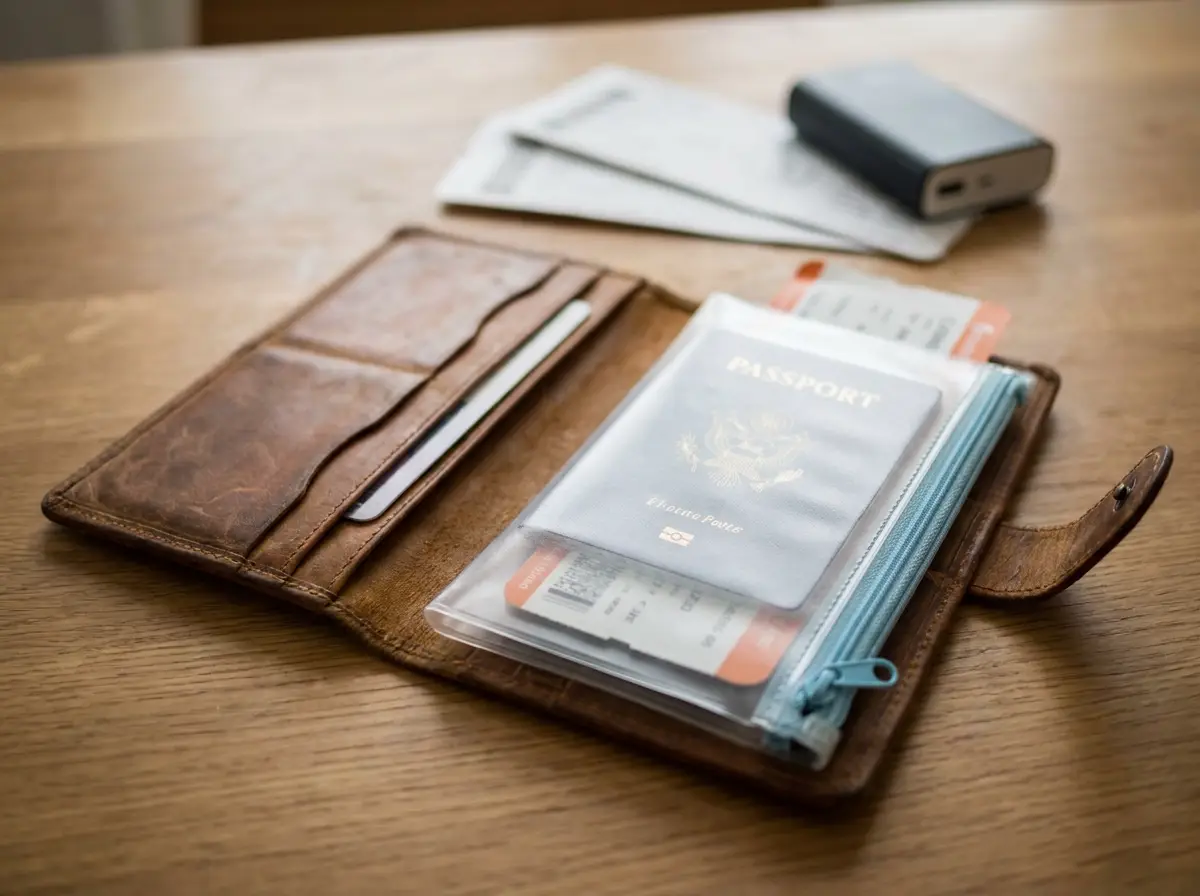
Modern travelers carry more digital information than ever before. Credit cards, passports, and identification documents may contain electronic chips that store personal information. RFID-blocking travel accessories can add a layer of shielding for compatible contactless cards and documents, but they should be treated as one part of a broader travel-security plan. A RFID Family Passport Holder can also help keep passports, cards, boarding information, and other travel documents organized in one place. An RFID-shielded organizer may be useful for compatible contactless cards and passports. Its compartments can also organize identification, travel documents, and cash, which do not themselves require RFID shielding. ✔ Passports ✔ Credit cards ✔ Identification cards ✔ Travel documents ✔ Cash storage Keeping important items organized and protected helps travelers move through airports, hotels, and tourist areas with greater confidence.
2. Anti-Theft Bags: Keep Your Essentials Close and Secure
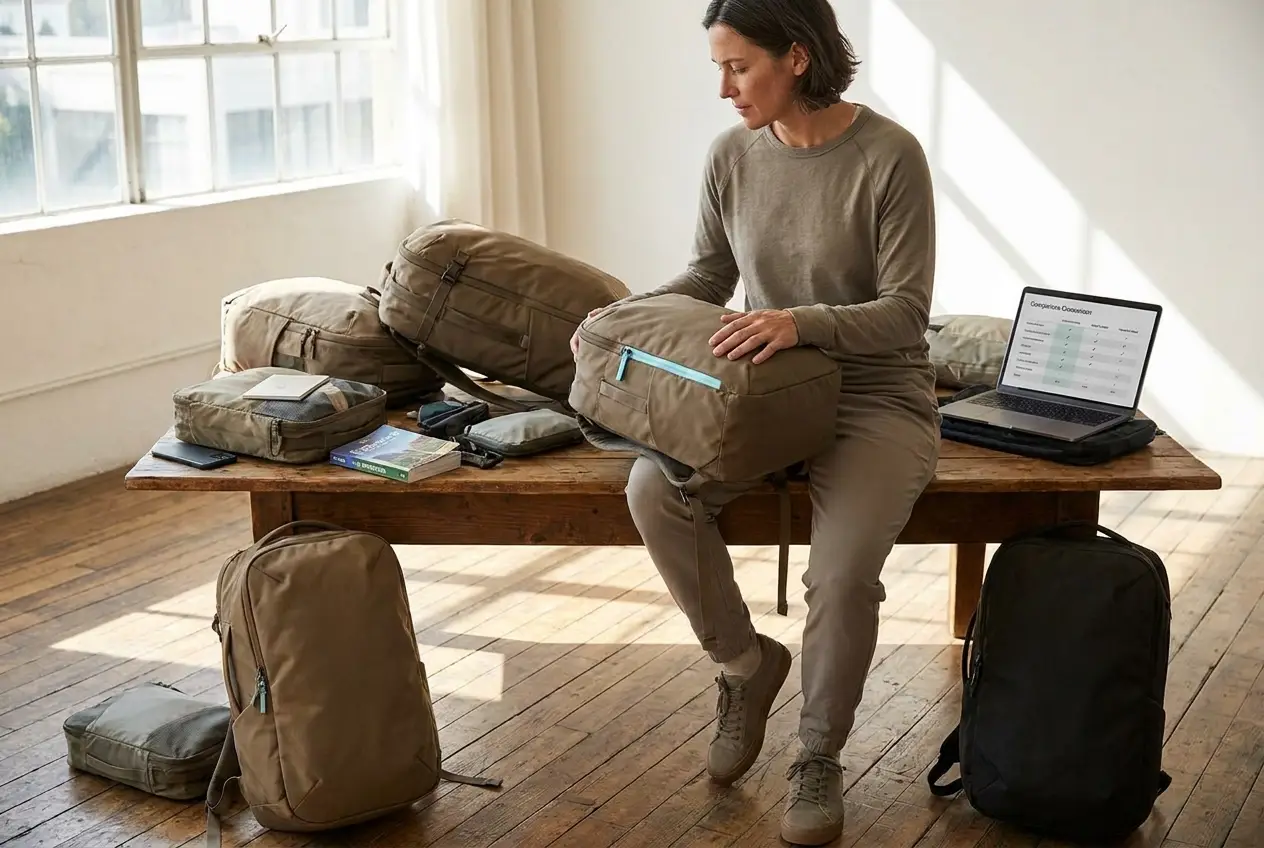
A reliable travel bag is one of the most important security tools you can own. Traditional backpacks and bags may leave zippers and pockets exposed. Anti-theft travel bags are designed with security-focused features such as: ✔ Hidden compartments ✔ Secure zipper designs ✔ Organized storage areas ✔ Comfortable crossbody designs ✔ Protection for phones, wallets, passports, and electronics Whether you are walking through a city, visiting attractions, or using public transportation, keeping your valuables close reduces unnecessary risks. For a compact option, compare the Travel Waist Belt for keeping documents, cash, and small essentials close to your body.3. Portable Luggage Locks: Secure Your Bags Anywhere
Your luggage travels through many hands—from airport check-in areas to baggage claim and transportation. A compatible luggage lock can limit casual access to zipper pulls, but a soft-sided bag or zipper may still be bypassed. A lock does not make luggage theft-proof. Keep essential documents, medication, and valuables with you rather than relying on a locked checked bag. Before using a luggage lock, confirm it fits the zipper, bag, or locker and follows the carrier’s or facility’s rules. Common uses include: Checked luggage Carry-on bags Lockers Gym bags Storage areas A compatible luggage lock may deter casual access, but it cannot guarantee protection against theft or tampering. Keep passports, medication, and other essential items accessible and secure.Before choosing a lock, read our guide to TSA-accepted luggage locks for help comparing lock types and understanding their limitations.
4. Hotel Security: Check Doors, Windows, and Exits
Hotels are designed for comfort, but travelers should still practice basic security habits. Always Check Your Room When You Arrive When entering your hotel room: ✔ Check that doors and windows lock properly ✔ Confirm emergency exits and evacuation routes ✔ Make sure the room safe works correctly ✔ Avoid leaving valuables visible near windows or doors If a door or window lock does not work, request another room or contact the property manager before leaving valuables unattended. Use a Door Security Device for Extra Protection Hotel room doors usually have locks, but some travelers prefer additional security. Portable door locks, door alarms, and travel security devices can provide extra peace of mind when they are compatible with the door and used correctly. For compatible inward-opening doors, a Portable Door Lock can add a temporary extra layer of security, especially for: Solo travelers Business travelers Families Long hotel stays These lightweight products are easy to pack and can add an additional layer of personal security. Keep Valuables Secure Avoid leaving expensive items unattended: Passports on tables Electronics near open windows Cash visible in luggage Jewelry or valuables exposed Instead: ✔ Use hotel safes when available ✔ Keep important documents organized ✔ Carry only what you need for the day5. Vacation Rental Security and Access Checks
Vacation rentals provide wonderful experiences, but travelers should take extra precautions because every property is different. Before Booking Research: ✔ Reviews from previous guests ✔ Host reputation ✔ Property location ✔ Security features ✔ Check-in procedures Look for recent, detailed reviews that discuss access, communication, and safety, and confirm the property’s check-in arrangements before arrival. When You Arrive Inspect the property: ✔ Check door and window locks ✔ Locate emergency exits ✔ Confirm smoke and carbon monoxide detectors ✔ Keep doors locked when inside Avoid sharing unnecessary personal information with strangers and be cautious about who has access to your rental. Protect Your Privacy Travelers should be aware of privacy concerns in unfamiliar accommodations. Consider: Keeping personal documents stored securely Avoiding leaving devices unattended Using privacy covers for laptops and cameras Being cautious when connecting devices to unfamiliar networks6. Digital Security on Public Networks
The FTC’s public Wi-Fi guidance explains that most websites now encrypt traffic, making public Wi-Fi usually safe. Look for HTTPS, but remember that a fraudulent website can also use encryption. Check the site address, use strong passwords and two-factor authentication, and keep devices updated. An organizer or RFID accessory does not secure your online accounts.
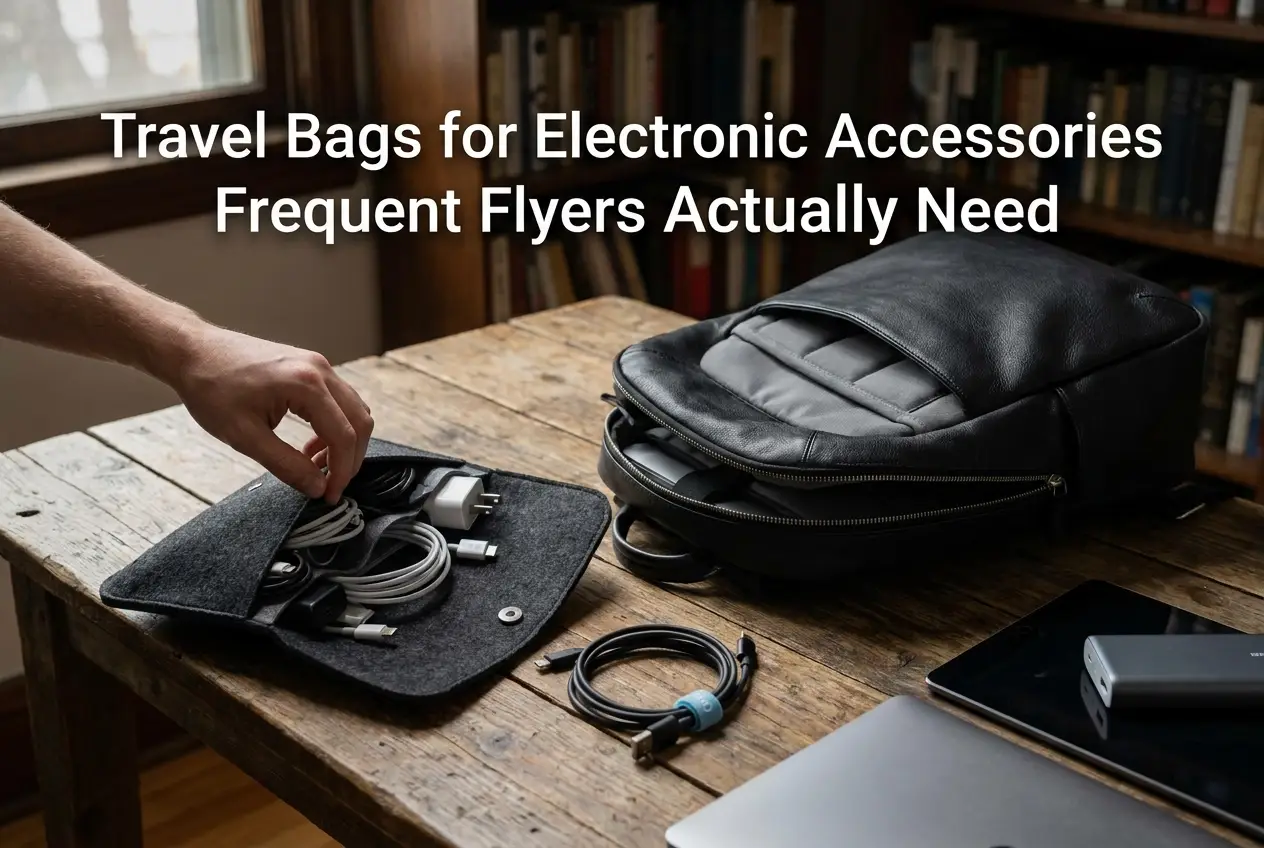
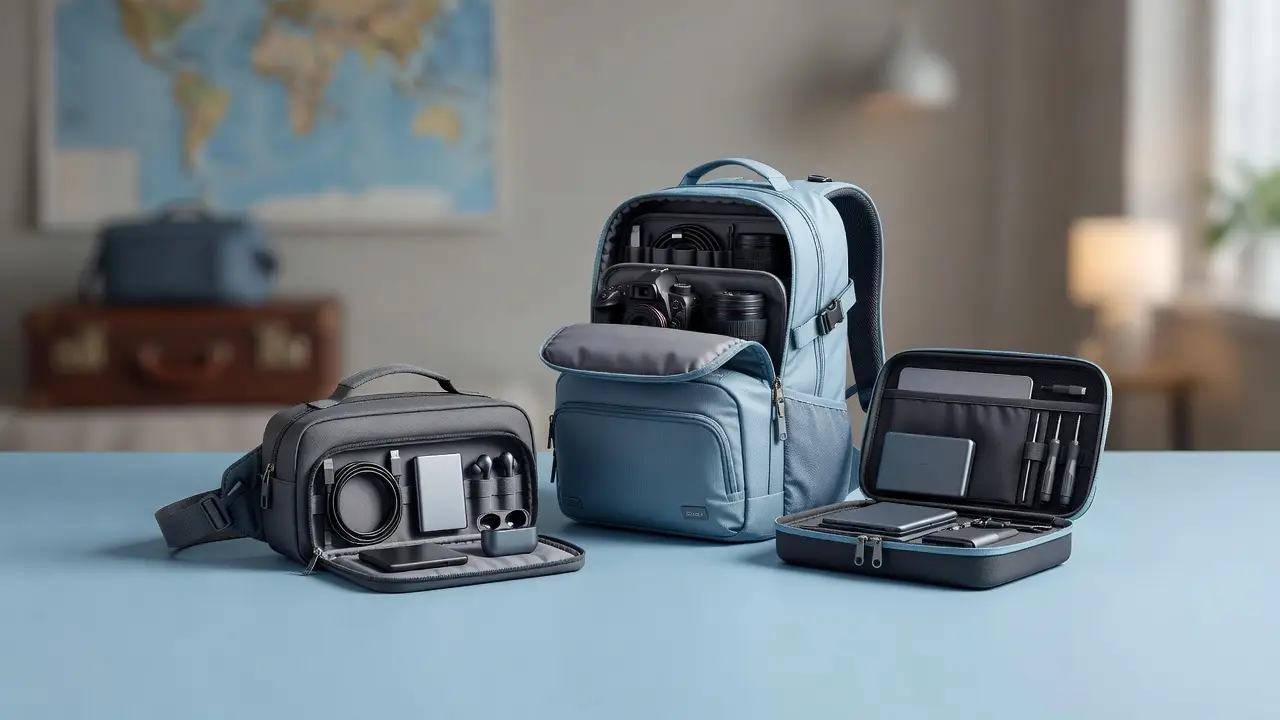
Your smartphone is one of your most valuable travel tools—but it also contains sensitive information. Follow these tips: ✔ Use strong passwords ✔ Enable two-factor authentication ✔ Confirm you are connecting to the intended network and avoid entering information on unfamiliar sites ✔ Keep software updated ✔ Back up important travel documents Travel technology accessories such as charging adapters, organizers, and secure storage solutions help keep your devices protected and ready when you need them. A BANGE Electronic Organizer can keep charging cables, earbuds, memory cards, and small power accessories together instead of loose inside a backpack.7. Airport Security and Carry-On Organization
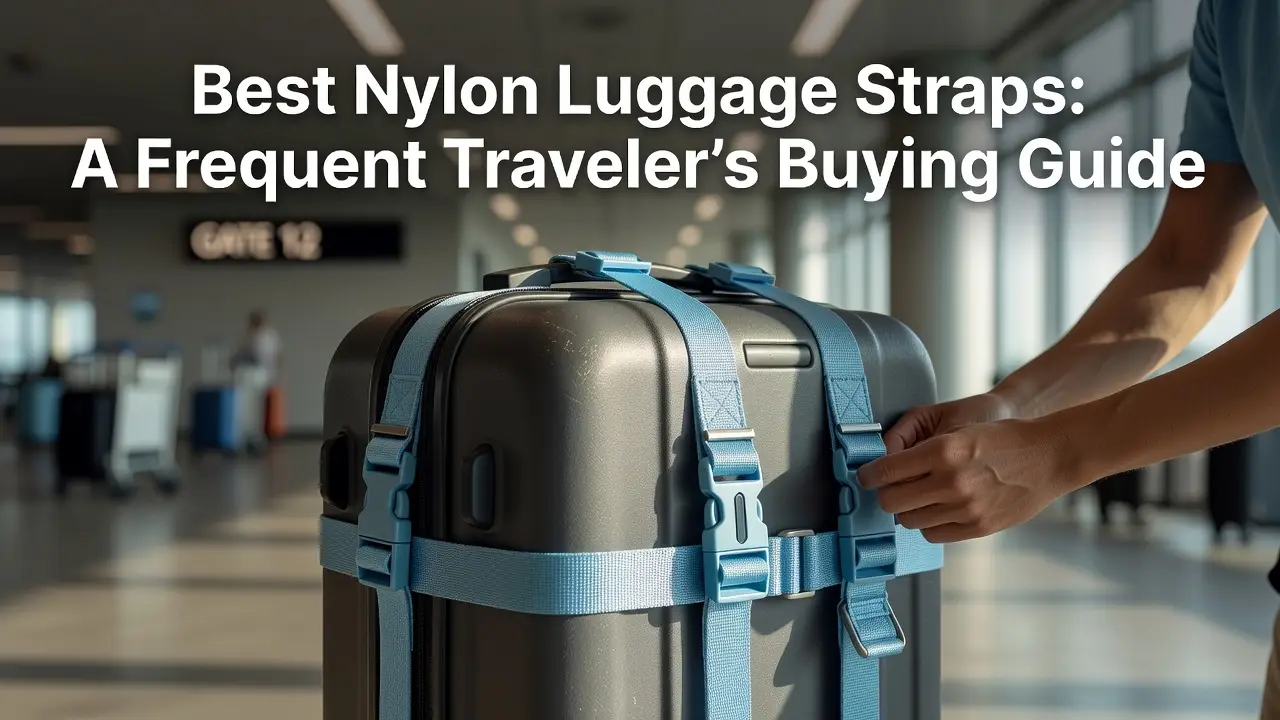
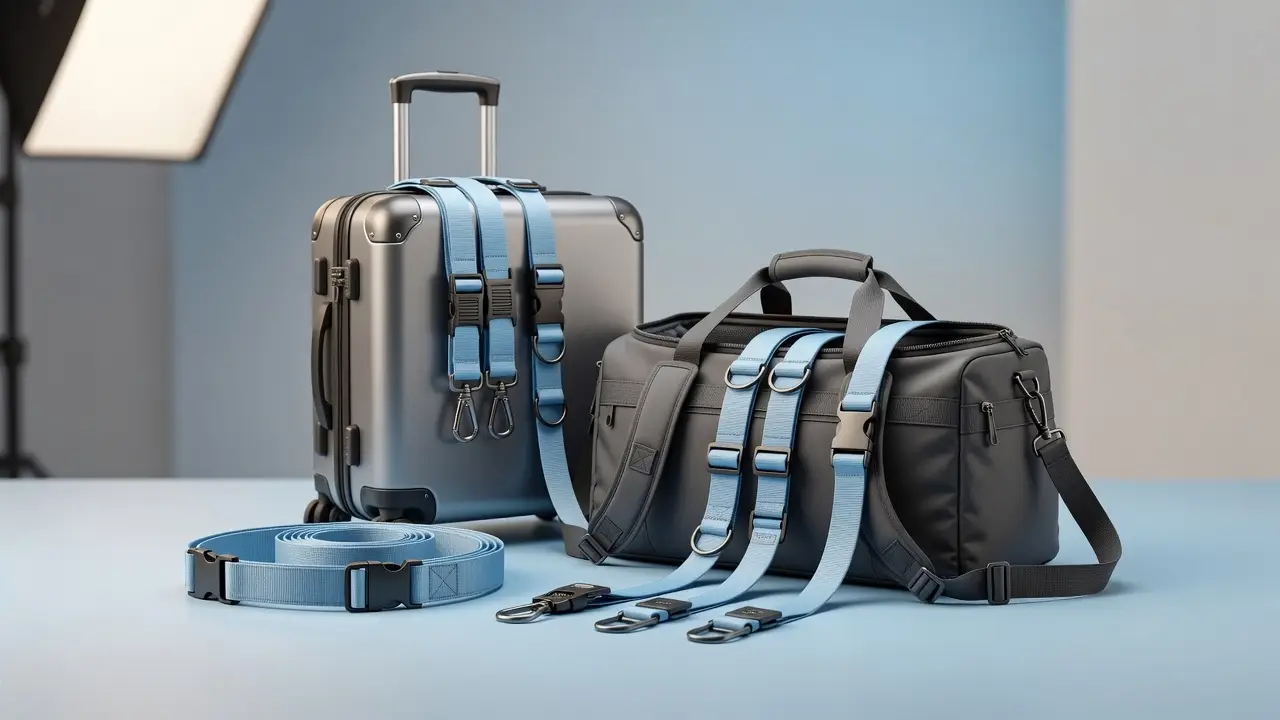
Airports are busy environments where travelers can become distracted. Smart airport security habits include: ✔ Keep your passport and wallet secure ✔ Use organized travel bags ✔ Avoid leaving electronics unattended ✔ Label luggage clearly ✔ Keep important items in your carry-on Products like travel organizers, luggage scales, and electronics storage bags help travelers stay prepared and reduce stress. Before heading to the airport, use the Portable Digital Luggage Scale to check your packed-bag weight and the Adjustable Luggage Strap as an extra securing and identification layer for checked luggage.For help choosing a suitcase strap, compare the options in our luggage accessory straps guide. For a closer look at webbing, buckle construction and fit, read our nylon luggage straps buying guide.
How Travel Security Habits Reduce Everyday Risks
Travel security works best when you combine practical habits with a clear plan for lost documents, devices, and valuables. A few simple security products and smart habits can help protect your belongings, save time, and allow you to focus on what matters most: enjoying your journey. Choose accessories for a specific need: an organizer for important documents, a suitable bag for crowded areas, or a luggage lock for compatible luggage. No product can prevent every loss or theft.Travel Security Checklist
- Keep passports, identification, and payment cards organized and close to you.
- Use luggage locks or straps where appropriate and label your bags clearly.
- Check door and window locks when you arrive at your accommodation.
- Keep electronics, documents, and valuables out of sight when unattended.
- Use strong device passwords and two-factor authentication.
- Carry only the cash and cards you expect to use that day.
How do you plan security for each destination?
Confirm arrival transport, accommodation access, secure storage, and a backup payment method. Review official guidance for the areas you will visit and adjust plans when needed. Use locks, trackers, and RFID accessories for specific tasks alongside careful handling and working room locks.
Official destination and document checks.
5-Minute Security Check Before You Leave Your Room
- Confirm you have the passport or ID you actually need for the day.
- Take only the payment cards and cash you expect to use, and leave backup methods stored separately.
- Lock or store valuables you are not carrying.
- Check that your phone has a screen lock, enough battery, and access to emergency contacts.
- Close windows and doors, then verify the door locks behind you.
What to Do If Something Goes Missing
| Problem | First actions |
|---|---|
| Phone | Use your device-location service if enabled, lock the device remotely, and contact your carrier if needed. |
| Wallet or payment card | Lock or freeze affected cards through the issuer, review recent transactions, and use a backup payment method. |
| Passport | For U.S. travelers abroad, contact the nearest U.S. embassy or consulate and follow current State Department instructions. |
| Luggage | Report the issue promptly to the airline, hotel, transit operator, or local authority that handled the bag and keep any claim or report number. |
Example: Moving Through a Crowded Airport or City Center
Before entering a crowded area, move your phone, wallet, passport, and payment cards into the pockets or organizer you plan to use, then close every zipper you do not need. While moving through the crowd, avoid setting your phone, wallet, or travel documents on counters or seats where they can be forgotten. After leaving the area, take 30 seconds to confirm that your essentials are still in their assigned places before continuing. This simple routine reduces the chance that distraction turns into a lost-item problem.
Travel Security FAQ
What should I do if the hotel room’s main lock does not work?
Contact the accommodation promptly and ask it to resolve the problem or provide a suitable alternative room. A portable lock is an optional accessory for a compatible door, not a repair for a defective main lock. Keep the emergency exit usable.
Does a luggage tracker guarantee recovery?
No. A location estimate may help you report a missing item, but it does not guarantee a current position or recovery. Follow the airline’s lost-baggage process, retain report numbers, and keep essential items in your cabin bag.
Are RFID-blocking products enough to prevent identity theft?
No. RFID-blocking accessories can add a layer of shielding for compatible contactless cards and documents, but they should be used alongside strong account security, careful document handling, and fraud monitoring.
Can a portable door lock work on every hotel or rental door?
No. Compatibility depends on the door and frame. Check the product instructions and use it only where it fits correctly and does not interfere with emergency exit access.
Travel smarter. Travel safer. Travel prepared. Essential For Travel — Your trusted source for travel essentials designed for comfort, convenience, and security. Visit: EssentialForTravel.comTravel Security Guides and Official Resources
- How to Read a State Department Travel Advisory Correctly — understand advisory levels and what actions to take before an international trip.
- International Travel Packing Guide — organize documents, batteries, toiletries, and essential gear before departure.
- How to Choose a Travel Backpack — compare fit, access, organization, and security-focused backpack features.
- Travel Electronics Organizer Guide — keep chargers, cables, and small electronics organized and easier to account for.
Official Travel Security Resources
- U.S. Department of State: International Travel Checklist — review destination advisories, entry requirements, passport validity, local laws, health guidance, and emergency planning before departure.
- U.S. Department of State: International Travel Guidance — current safety guidance, STEP enrollment, travel advisories, personal travel needs, and help-abroad resources.
- U.S. Department of State: Lodging Safety — room-security checks, emergency-exit planning, door/window checks, and hotel safety practices.
- U.S. Department of State: Crisis Response and Evacuations — emergency contacts, crisis preparation, and what to do if conditions deteriorate abroad.
- Federal Trade Commission: Public Wi-Fi Safety — current guidance on encryption, HTTPS, account security, and safer use of public networks.
Use these primary resources before international travel, then check your destination’s current advisory and local requirements again shortly before departure.
5-Minute Travel Security Setup
- Documents: place your passport, primary payment method, and emergency-contact information in one controlled location; keep copies separately.
- Phone: enable a screen lock, confirm account recovery options, and make sure device-location features work before leaving home.
- Bag: choose where your phone, wallet, passport, and backup cash will live and keep those locations consistent throughout the trip.
- Accommodation: on arrival, check the door, windows, alarms where present, and the nearest emergency exit before unpacking.
- Emergency plan: save the hotel address, local emergency number, airline contact, card issuer contact, and nearest embassy or consulate information where you can access it offline.
Security Decision Matrix
| Main concern | Best first action | Relevant gear or guide |
|---|---|---|
| Passport and cards | Keep them organized, close to you, and separate backups from originals. | RFID Family Passport Holder |
| Small valuables in crowds | Carry only what you need and keep zippers closed and within your control. | Travel Waist Belt |
| Hotel or rental door | Check the existing lock first; use an additional device only if compatible and without blocking emergency exit access. | Portable Door Lock |
| Electronics and cables | Keep small tech items together so missing gear is easier to notice quickly. | BANGE Electronics Organizer |
| Destination safety changes | Review the current advisory and embassy guidance before departure and again if conditions change. | State Department Travel Advisory Guide |