
By Garry Barnes | Published
Editorially reviewed . Check the linked official sources for current travel requirements.
Choose additional gear around your destination and itinerary: compatible charging accessories, document organization, clothing layers, and practical packing tools. Verify plug compatibility, device voltage requirements, and baggage allowances before buying. Pack items that solve a specific travel need rather than every possible accessory.
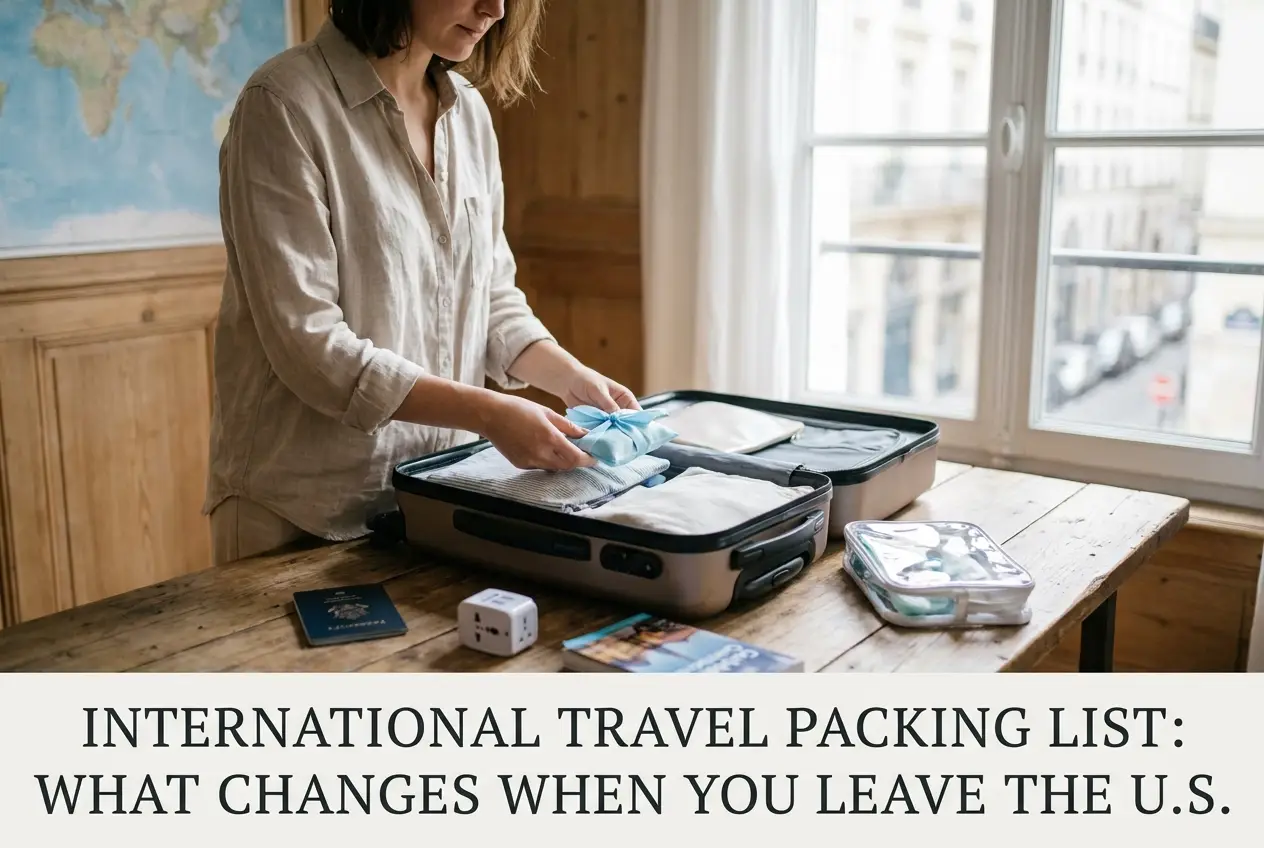
For document, airline and destination checks, see our international travel packing list. Use this gear guide to compare accessories for the needs of your trip.
Experienced travelers know that successful trips begin before arriving at the airport.
The difference between a stressful vacation and a relaxing one usually comes down to preparation.
Packing efficiently can help you:
A passport organizer can group documents and cards you need during transit. Compare the RFID Family Passport Holder with the number of passports, cards, and papers you carry. Check the listed dimensions and compartments rather than assuming every document fits.
Keep the organizer physically secure and store important backups separately from the originals. RFID shielding is an accessory feature; it does not prevent loss, theft, or every form of fraud.
Lay out your devices, charging cables, plugs, and adapters before choosing a pouch. Remove duplicate cables only after confirming which equipment they serve. Compare the BANGE Electronics Organizer with your actual kit, including the space needed for larger charging bricks.
An organizer groups equipment; it does not establish electrical compatibility or protection from water. Read the product specifications and instructions for each item separately.
A Portable Digital Luggage Scale can help you check the packed load before leaving home and before your return flight. Follow its instructions, use the same units as the allowance, and compare the reading with the limits in your booking.
A home reading does not guarantee acceptance or eliminate baggage fees. Measure the exterior as well as weighing it; use our carry-on luggage size guide to plan that check.
List the liquids you use and the amount you need for the trip. Compare each container’s stated capacity, closure, cleaning instructions, and compatibility with its contents. The 4-in-1 Travel Bottle Dispenser is an option to inspect against that list.
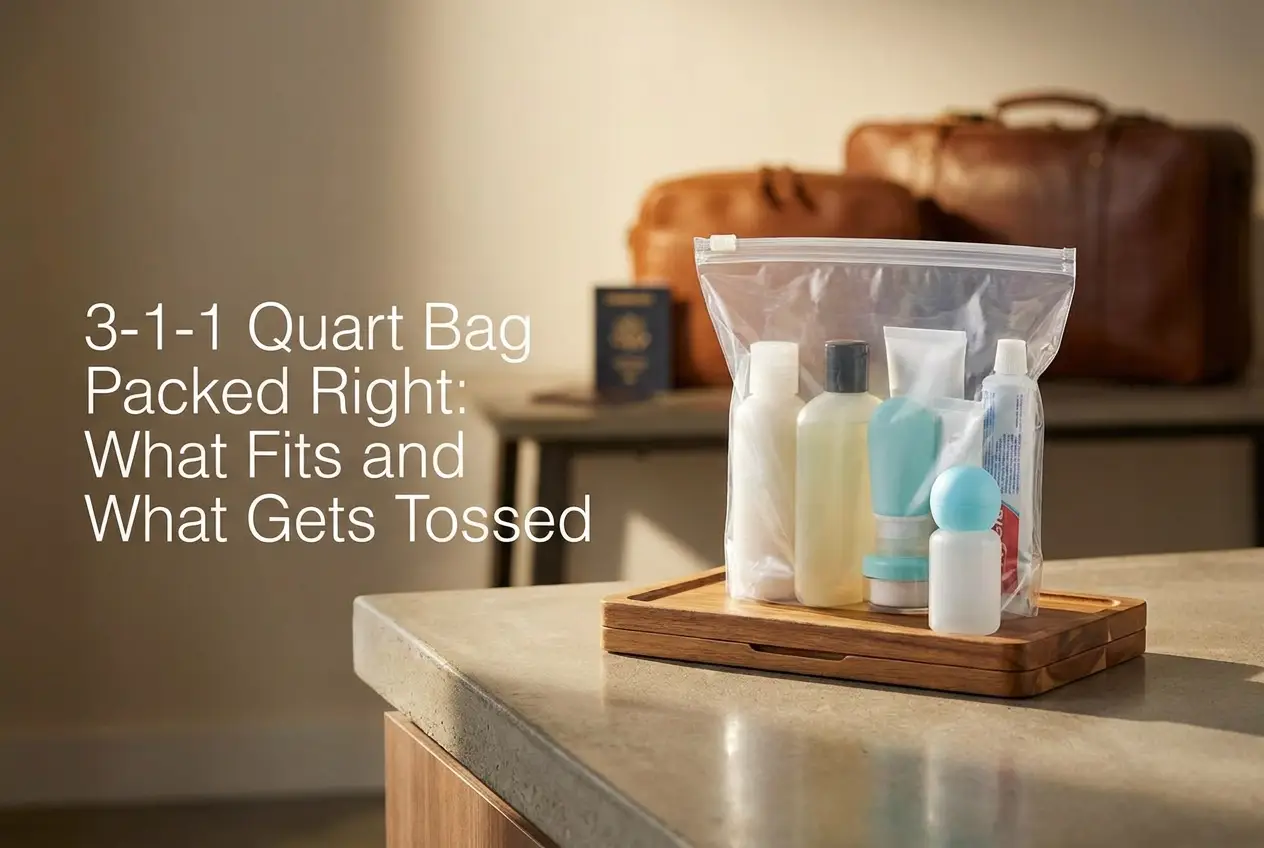
Check each compartment’s capacity and the screening requirements for your route before packing. A product’s travel label does not establish security acceptance. See our carry-on toiletries guide, and test closures at home rather than assuming they cannot leak.
If your itinerary includes swimming or wet weather, plan a separate place for damp clothing. Check a bag’s stated use, material, and closure before relying on it. Do not assume water resistance means waterproofing or suitability for immersion.
Keep electronics and required documents away from damp items. Choose protection suited to the conditions and follow the manufacturer’s instructions.
Compare a Memory Foam Travel Neck Pillow by seated fit and packed size. Try it at home before adding it to your personal item, and leave space for the documents and other essentials you need to reach.
A light layer, earplugs, or sleep mask may suit your preferences. Use our neck pillow selection guide to compare fit; no accessory guarantees sleep or comfort for every traveler.
Before adding organizers, compare your bag’s usable space and access in our carry-on luggage guide. Keep the bag you already own if it meets your itinerary’s allowances and works with your packing list.
A cluttered carry-on slows travelers down during airport security.
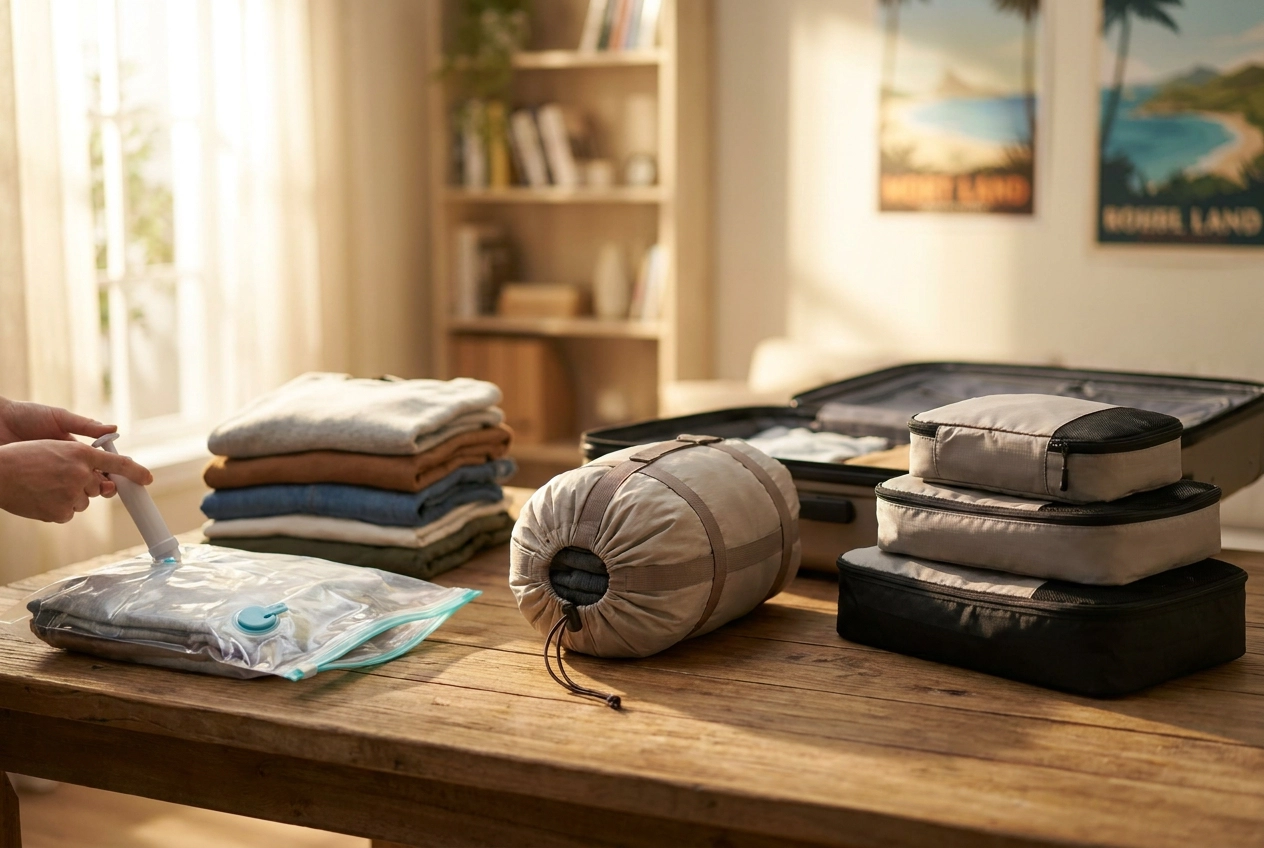
Packing cubes and organizers separate clothing and gear into easy-to-find sections. The 6-Set Compression Packing Cubes are one useful option for keeping a suitcase or backpack organized. They can separate:
Everything becomes easier to locate without unpacking your entire suitcase.
Decide where your passport, wallet, phone, and backup documents will go before departure. Avoid placing every original and backup together. Secure belongings during transit and keep the information needed to report a lost document available separately.
Read our travel security guide for planning. Organizers, shielding accessories, and luggage locks serve specific purposes and do not guarantee protection from theft.
Use this quick pre-departure check the day before you leave. Keep documents, medication, electronics, and one change of clothes in your carry-on or personal item whenever practical.
| Item type | Best place to keep it | Why |
|---|---|---|
| Passport, wallet, phone, medication | Personal item | Keeps essentials accessible and with you. |
| Power banks and spare lithium batteries | Carry-on/personal item | Follow FAA and airline battery rules; do not place spare lithium batteries in checked baggage. |
| One change of clothes and key toiletries | Carry-on | Useful if checked baggage is delayed. |
| Large liquids and nonessential bulky items | Checked bag when permitted | Helps keep the carry-on within liquids and size limits. |
For a one-week trip, start with documents and medication, then build outward. Put your passport, wallet, phone, prescriptions, charger, and one change of clothes in your personal item or carry-on. Add a compact toiletry kit, travel adapter, and only the electronics you expect to use. Weigh the packed bag before departure and remove nonessential items if you are close to the airline limit.
Shopping before departure gives you time to compare specifications, check delivery estimates, and test fit and packing arrangements.
Shopping early allows you to:
Inspect materials, care instructions, and the shipping and returns policy before ordering. Choose around your expected use and budget.
| If this is your concern | Do this next | Helpful gear or guide |
|---|---|---|
| Documents are scattered | Place passport, backup copies, cards, and emergency contacts together. | RFID Family Passport Holder |
| Bag may be overweight | Weigh it fully packed and remove nonessential items before the airport. | Portable Digital Luggage Scale |
| Multiple chargers and adapters | Pack only the cables and plugs you need and keep them together. | BANGE Electronics Organizer |
| Different outlet types abroad | Check the destination plug type and device input-voltage label before packing. | Universal Travel Adapter |
| Carry-on packing feels crowded | Separate clothing and remove duplicates before adding more gear. | 6-Set Compression Packing Cubes |
Essential For Travel is an online travel gear store founded by Garry Barnes in Valley Glen, California. Garry personally selects the collection around travel organization, comfort, and preparation.
Browse the travel gear collection after identifying a specific packing need. Compare dimensions, included items, compatibility, and available options. If a detail is unclear, ask a product question before ordering.
List destinations, transit stops, devices, and activities. Check documents and medication requirements first, then charging compatibility and baggage allowances. Verify each stop separately. Buy accessories only for needs that suitable gear you already own cannot meet.
State Department international travel checklist.
Use these official resources together with your destination government and operating airline’s current rules shortly before departure, because entry requirements, baggage limits, screening procedures, and battery restrictions can change.