Editorially reviewed . Check the linked official sources for current travel requirements.
What belongs on an international travel packing list?
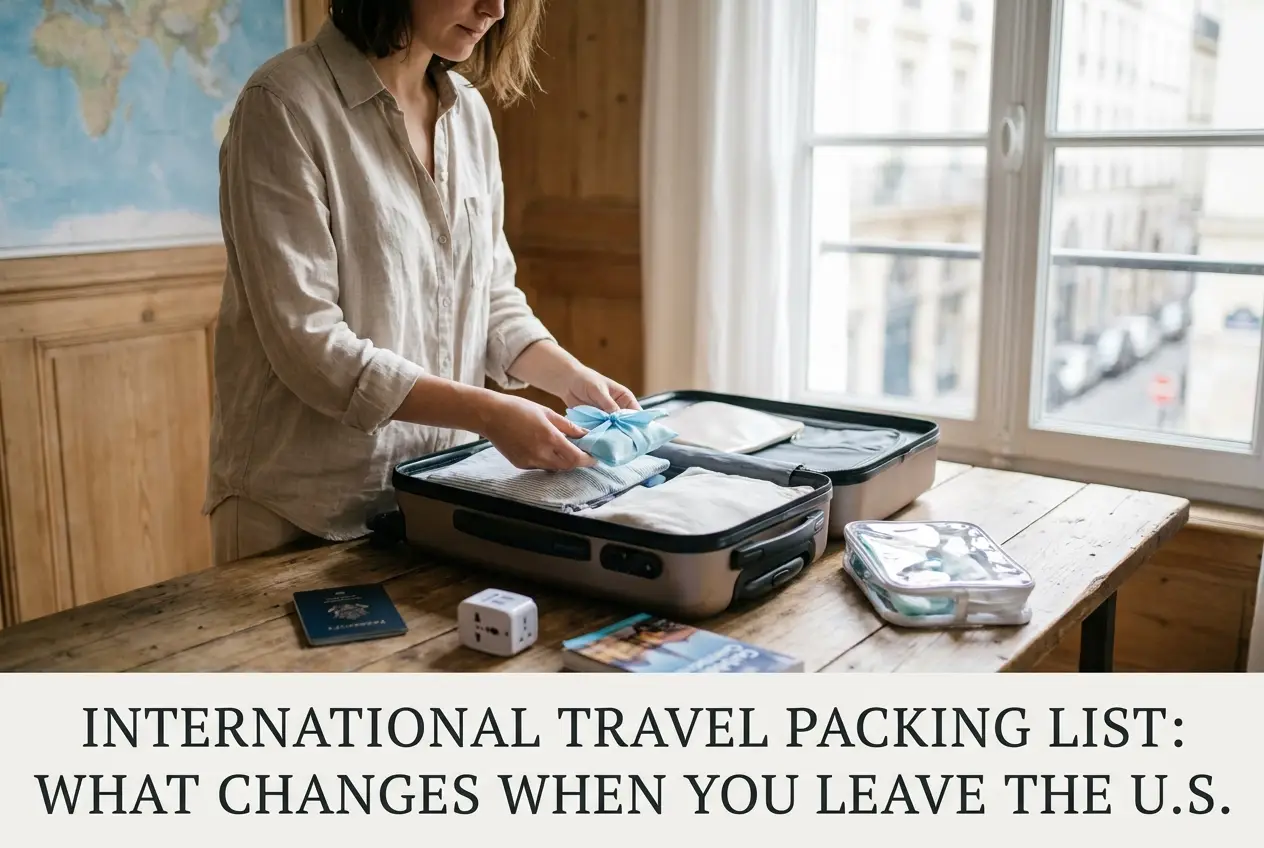
Your international travel packing list should start with a valid passport, required visas or entry documents, prescription medication, payment methods, a phone and compatible chargers. Add weather-appropriate clothing, toiletries that meet airport screening rules, and a travel adapter suited to your destination’s outlets and your devices. Before departure, check passport validity and customs requirements for every destination and transit stop, plus the baggage and lithium-battery rules of each operating airline.
For a broader checklist, explore our travel accessories guide and long-haul flight essentials guide.
International packing starts with your actual route. Your nationality, destinations, transit stops, operating airlines, activities, and travel dates determine what to check. Crossing a border adds entry and customs considerations, but domestic flights also have baggage and screening requirements that must be followed.
What Should You Check Before Choosing International Travel Gear?
Check the U.S. State Department international travel guidance for destination-specific entry and safety information, and review FAA lithium battery guidance before packing spare batteries or power banks. For your carry-on toiletries, use our TSA 3-1-1 liquids packing guide. Rules depend on your destination, airline and circumstances.
| Area | Check | Packing action |
|---|---|---|
| Entry documents | Passport validity, visas, transit and health documents | Keep required originals and accepted formats accessible |
| Airline baggage | Bag count, dimensions, weight, and fare | Measure and weigh each finished bag |
| Charging | Outlet types and equipment ratings | Pack compatible plugs, chargers, and cables |
| Health needs | Medication restrictions and storage instructions | Keep necessary supplies and documentation accessible |
| Customs | Restrictions and declarations for each country | Review food, purchases, and other regulated items before packing |
| Weather and activities | Forecasts and conditions at every stop | Choose suitable clothing and activity-specific equipment |
How do you build a packing list for each stop?
Make one row per destination and transit stop. Note required documents, medication restrictions, charging needs, weather, and baggage allowance. Save the official source beside each check. Verify entry requirements for your nationality and review any connection that requires border entry or another security screening.
Official international travel checklist.
Choose everyday storage around what you need to retrieve. Compare the RFID-blocking pop-up cardholder wallet for cards, the travel money belt for discreet storage, and the BANGE crossbody chest bag for a separate small bag. Check pocket dimensions and carrying fit; none replaces normal precautions against loss or theft.
Which travel documents belong in your personal item?
Check the U.S. Department of State’s international checklist and your destination’s official entry requirements. Confirm passport validity, visas or authorizations, transit requirements, and applicable health documentation for your nationality and route.
Keep required originals and accepted document formats accessible. Store copies separately from originals and leave a set with a trusted contact when appropriate. Do not assume every authority accepts screenshots or that every document must be printed. Copies can support replacement procedures, but do not replace required originals.
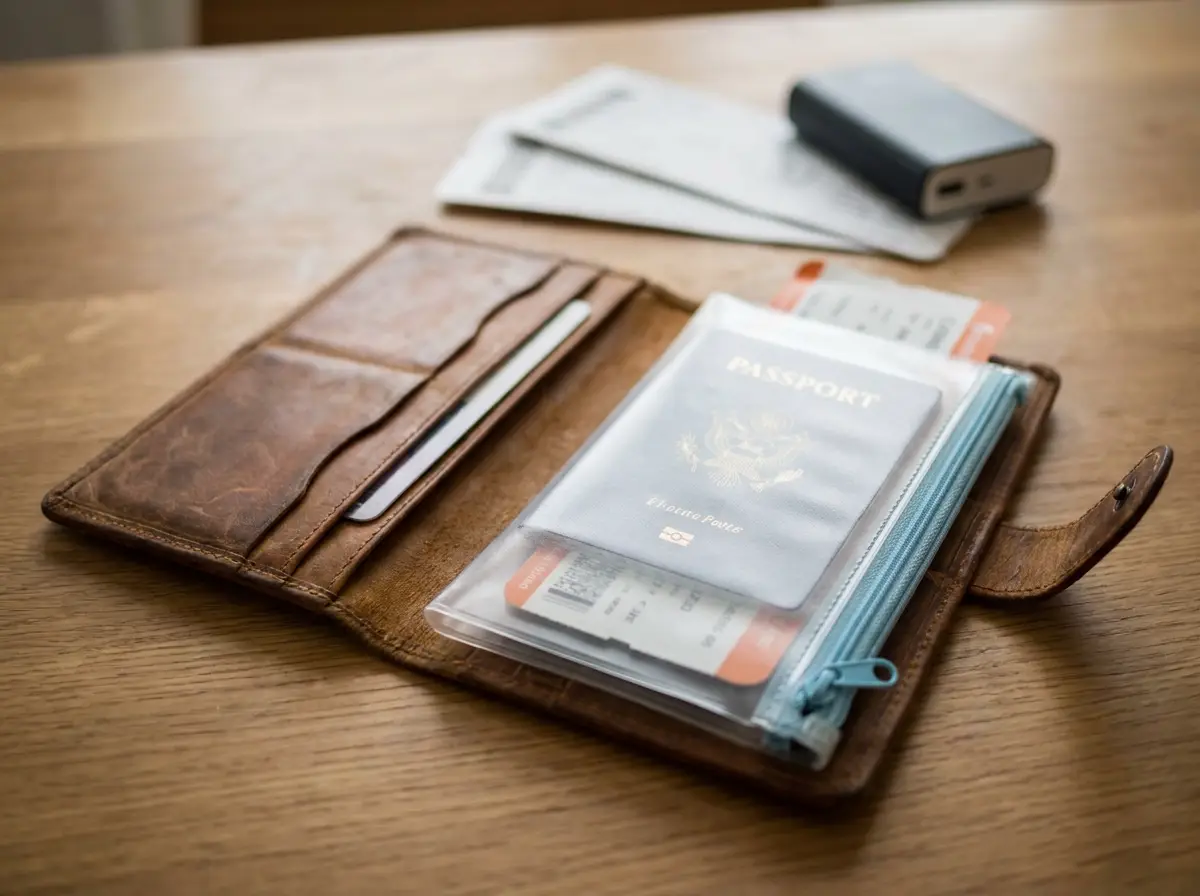
Before You Zip the Document Organizer
- Match passport validity and any visa or electronic authorization to your nationality, destination and transit route.
- Check custody or permission documents if a child travels without one or both parents.
- Keep copies of prescriptions and labeled medicine containers, and check destination restrictions before departure.
- Make secure document backups available offline and store a separate set away from the originals.
These checks follow the State Department’s international travel checklist. A well-organized wallet is helpful after the required documents are confirmed.
A RFID Family Passport Holder can group passports and cards. Shielding is an accessory feature, not a guarantee against loss, theft, or fraud. Keep the organizer physically secure.
How do you check baggage across multiple flights?
If you need a different bag for this itinerary, use our carry-on luggage selection guide to compare formats before buying. Choose around the allowances you have recorded and the walking, stairs, and transfers on your route.
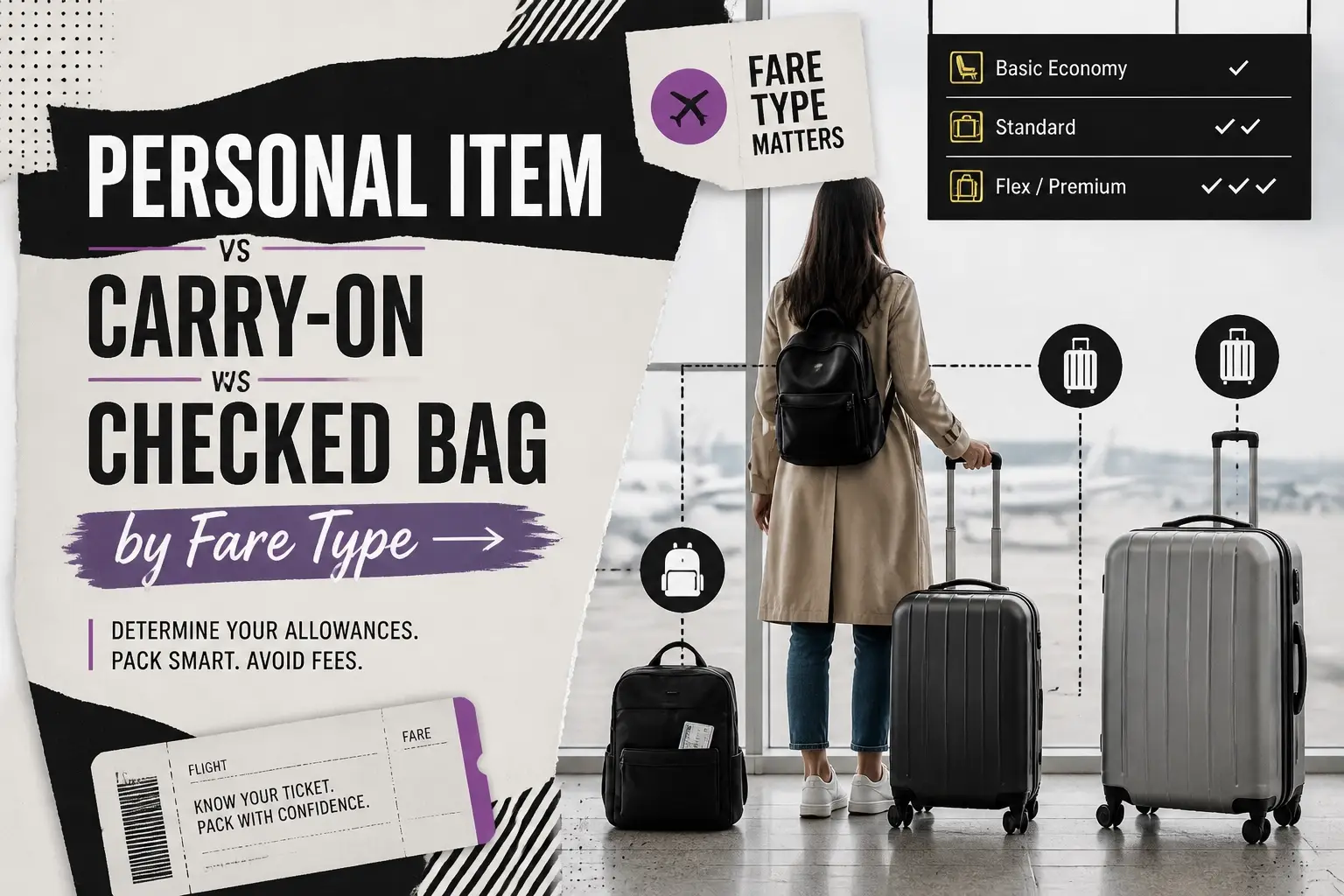
Read the operating airline’s baggage policy for every segment. There is no universal domestic or international carry-on size. Allowances can depend on airline, fare, route, cabin, and aircraft. Do not assume a bag accepted on a previous trip will qualify now.
Measure the fully packed exterior, including projecting parts, and weigh it. Compare a Portable Digital Luggage Scale for home checks and use our carry-on size guide for planning. Keep documents, medication, valuables, power banks, and spare lithium batteries accessible if a bag must be checked at the gate.
How do you choose international charging equipment?
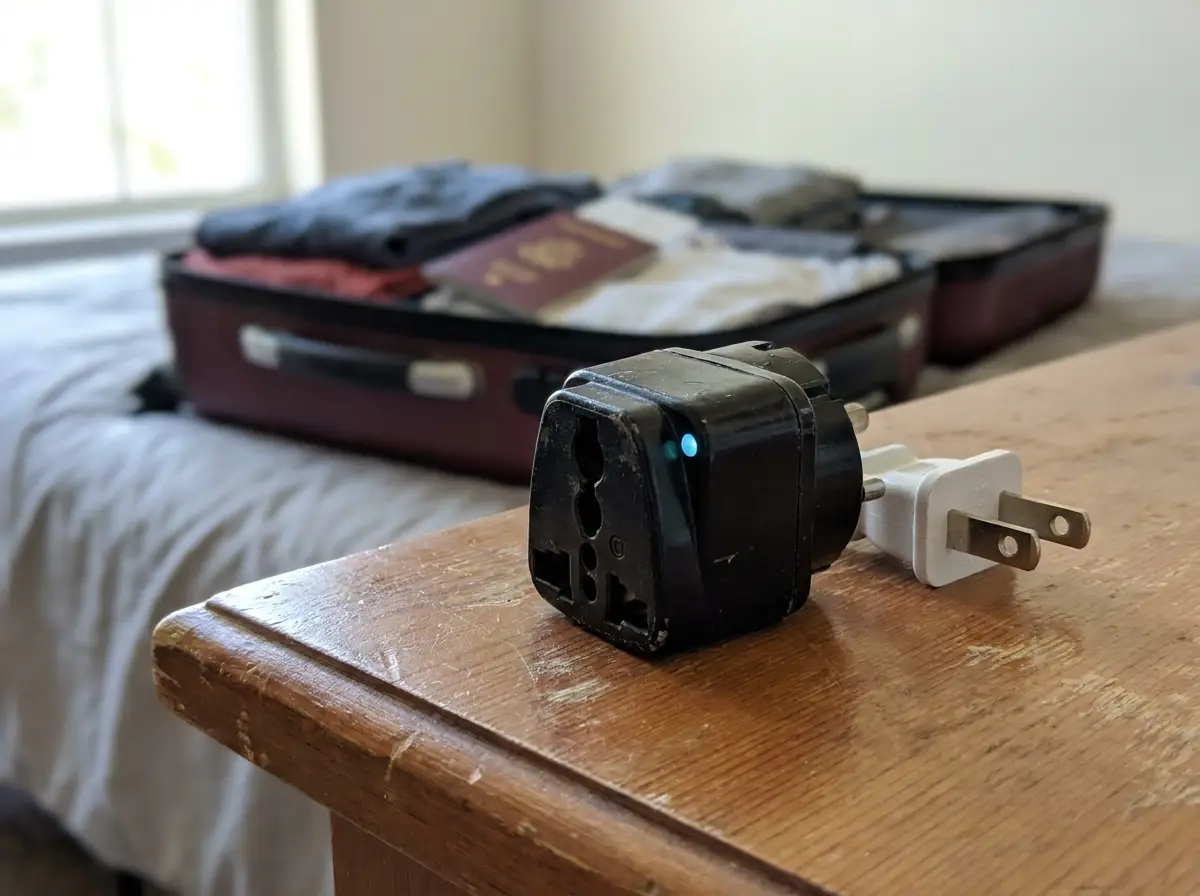
Check destination outlet information and the input label on each device or charger. Compare voltage, frequency, plug shape, grounding needs, and power ratings with the exact adapter’s instructions. A plug adapter should not be assumed to convert voltage, and a “universal” name does not establish compatibility with every outlet or appliance.
Compare our Universal Travel Adapter against your route and equipment. Do not infer that a USB-C hub is a wall charger; verify each component’s function and rating. For heat-producing appliances or unclear compatibility, consult the manufacturer before connecting them.
Follow the FAA lithium-battery guidance: carry power banks and spare lithium batteries in cabin baggage, protect them from short circuits and remove them before a carry-on is gate-checked. Check the marked watt-hour rating and each airline’s limits separately. Permission to carry a battery does not establish permission to use or charge it onboard.
Pack Toiletries, Medication and Clothing
Check the security authority at every departure or connection where screening applies. U.S. screening clearance does not establish admission under another country’s customs or import rules. Review the TSA item database for U.S. screening and the relevant destination authority separately.
Follow destination requirements for medicines, including permissions or documentation when needed, and maintain required storage conditions. Choose toiletries around your routine and the carry-on liquids packing requirements. For a U.S. departure, use our TSA 3-1-1 quart-bag guide to plan which liquids to keep accessible. Duty-free liquids may face conditions at connecting checkpoints; check your exact route before buying.
What Clothes Should You Pack for International Travel?
Check the forecast and activities for every stop, including altitude, rain exposure, dress requirements, and laundry access. Choose suitable layers and footwear rather than assuming one regional season covers the whole trip. A poncho, umbrella, or shell serves different needs; compare it with actual conditions.
Use organizers to group outfits or layers if they help your layout. Compare our 6-Piece Compression Packing Cube Set for Suitcases with the clothing and interior space you have. Compression may reduce bulk but does not remove clothing weight. See our packing-light guide for laundry and full-itinerary planning.
Destination Safety and Return-Trip Checks
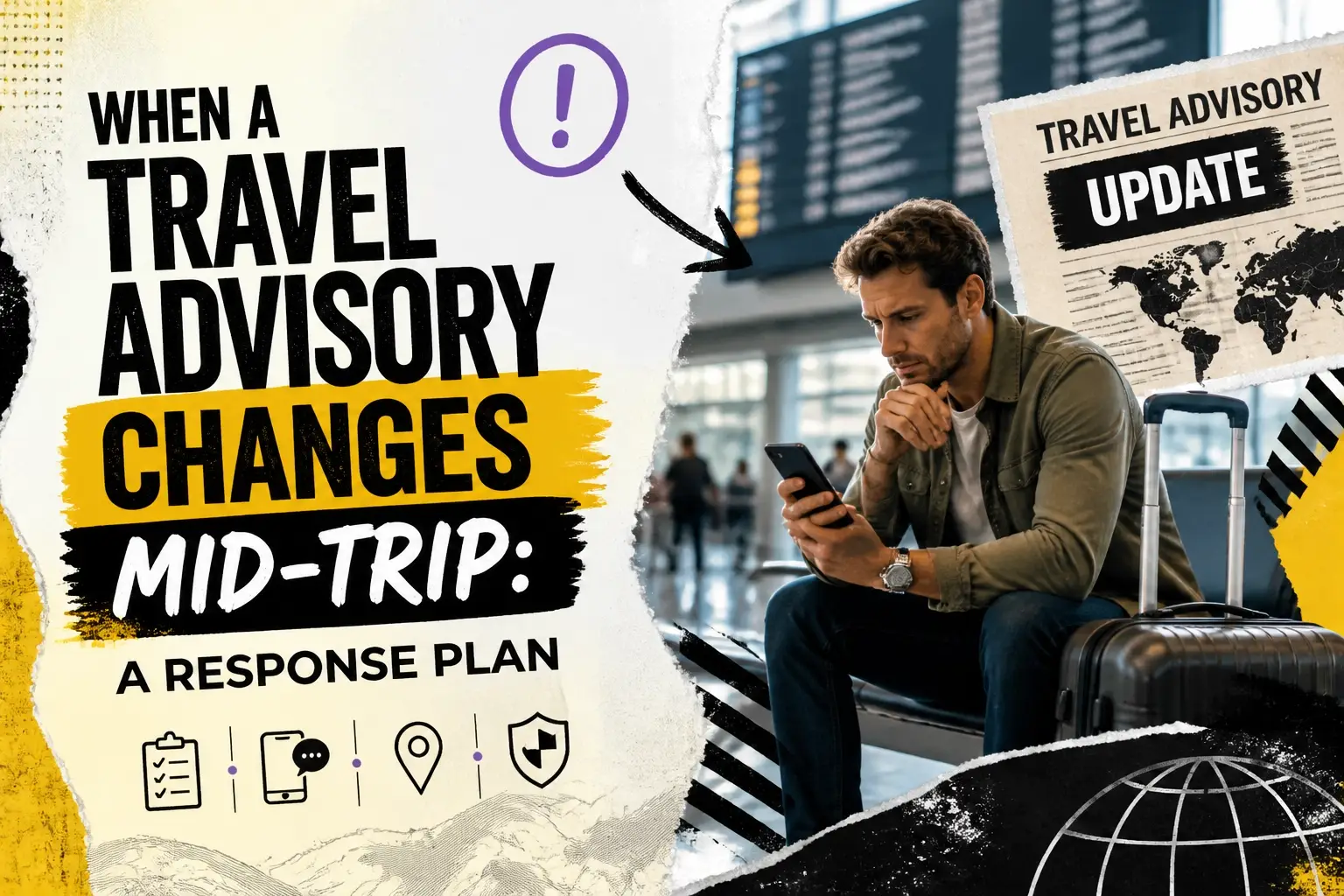
Before departure, review the U.S. Department of State travel advisory for each destination and read the country-specific information, not just the advisory level. U.S. citizens can also consider enrolling their itinerary in the Smart Traveler Enrollment Program (STEP) to receive embassy or consulate messages and help officials contact them during an emergency. Save local emergency numbers, your insurer’s assistance contact, and the nearest embassy or consulate information somewhere accessible offline. Enrollment does not replace travel insurance or guarantee emergency assistance.
How do you prepare for customs and the return trip?
Check each destination’s customs and import guidance before packing food, plants, medicine, purchases, or other regulated items. Review U.S. Customs and Border Protection travel guidance for U.S. return requirements. Keep purchase records and review applicable declarations rather than assuming sealed packaging or duty-free status makes an item admissible.
Leave suitable room for planned purchases, then remeasure and weigh your bags for the return flights. An extra foldable bag is useful only if the airline permits its size, weight, and item count.
Final International Packing Checklist
- Confirm entry and transit documents in the required formats.
- Save emergency contacts and secure document backups separately.
- Check each operating airline’s baggage and battery policies.
- Verify charging compatibility with equipment instructions.
- Pack necessary medicines with appropriate documentation and storage.
- Choose clothing for the full route and confirmed laundry plan.
- Review restricted items, customs, and declaration requirements.
- Measure and weigh the finished bags before departure.
Build a checklist for every stop
Before packing, make a note for your departure, connection, destination, and return journey. For each stop, record the operating airline, baggage allowance, official entry or transit source, and the date you checked it. Mark unresolved questions and settle them before buying gear.
- Documents: Record the required format and where each original will be stored.
- Power: Match each device’s input label and charging cable with the exact adapter’s instructions.
- Packing: Assign each essential to your main bag or personal item so you can find it during transit.
Use the travel-advisory reading guide alongside official destination requirements, then save your checklist offline.
10-Minute International Packing Test
- Place your passport, visa or authorization documents, medication, phone, wallet, and boarding information in the personal item you will keep with you.
- Check each device’s input label, identify its charging cable, and compare the exact charger and adapter instructions with your destination’s outlets before connecting equipment.
- Measure and weigh the fully packed luggage, including wheels, handles, and filled exterior pockets.
- Review one final time whether any food, medicine, battery, liquid, or purchase could trigger airline, security, or customs restrictions.
- Remove one duplicate or low-priority item if the bag is difficult to close, carry, or reorganize.
Example: 7-Day International City Trip
For a seven-day city itinerary with one connection, start with the passport and entry documents, then pack medication, phone, compatible charging equipment, and the clothing needed for the forecast and planned activities. Use one main pair of walking shoes, a compact toiletry setup, and a laundry plan instead of packing a separate outfit for every day. Keep the power bank, medication, valuables, and travel documents in the carry-on or personal item where required and accessible during transit.
International Packing Priorities by Risk
| If this goes wrong… | What to prioritize | Best next action |
|---|---|---|
| You cannot enter or transit | Passport, visa, authorization, required health documents | Verify the official entry and transit rules before packing anything else. |
| Your bag is rejected or gate-checked | Correct size, weight, and accessible essentials | Measure and weigh the finished bag and keep critical items in the allowed personal item. |
| Your device cannot charge | Plug compatibility, voltage input, correct charger | Match each device label with the destination power setup before departure. |
| An item is restricted | Medication, batteries, food, liquids, customs declarations | Check the airline, screening authority, and destination customs guidance separately. |
Frequently Asked Questions
Does every destination require six months of passport validity?
No. Passport-validity and visa requirements vary by destination, nationality, transit route, and travel dates. Check the official requirements for your exact trip early, and carry documents in the format the relevant authority requires.
Is a plug adapter a voltage converter?
Do not assume so. Compare the exact adapter’s instructions and ratings with the destination outlet and each device’s input label, including voltage, frequency, power, and grounding needs. Ask the manufacturer when compatibility is unclear.
Can I use one airline’s baggage rules for all my flights?
No. Check the operating airline for every segment, including its rules for your fare and cabin. Measure and weigh the fully packed bag and prepare for possible gate checking.
Do sealed foods or duty-free purchases automatically pass customs?
No. Check destination and return-country restrictions and declaration requirements. Security screening, airline carriage, and customs admission are separate checks; packaging or a duty-free receipt does not establish permission.
Should I use printed documents or digital copies?
Follow each authority’s required format. Keep secure backups separately from originals and make important information available offline. A copy can help with replacement, but it is not a substitute for a required original.