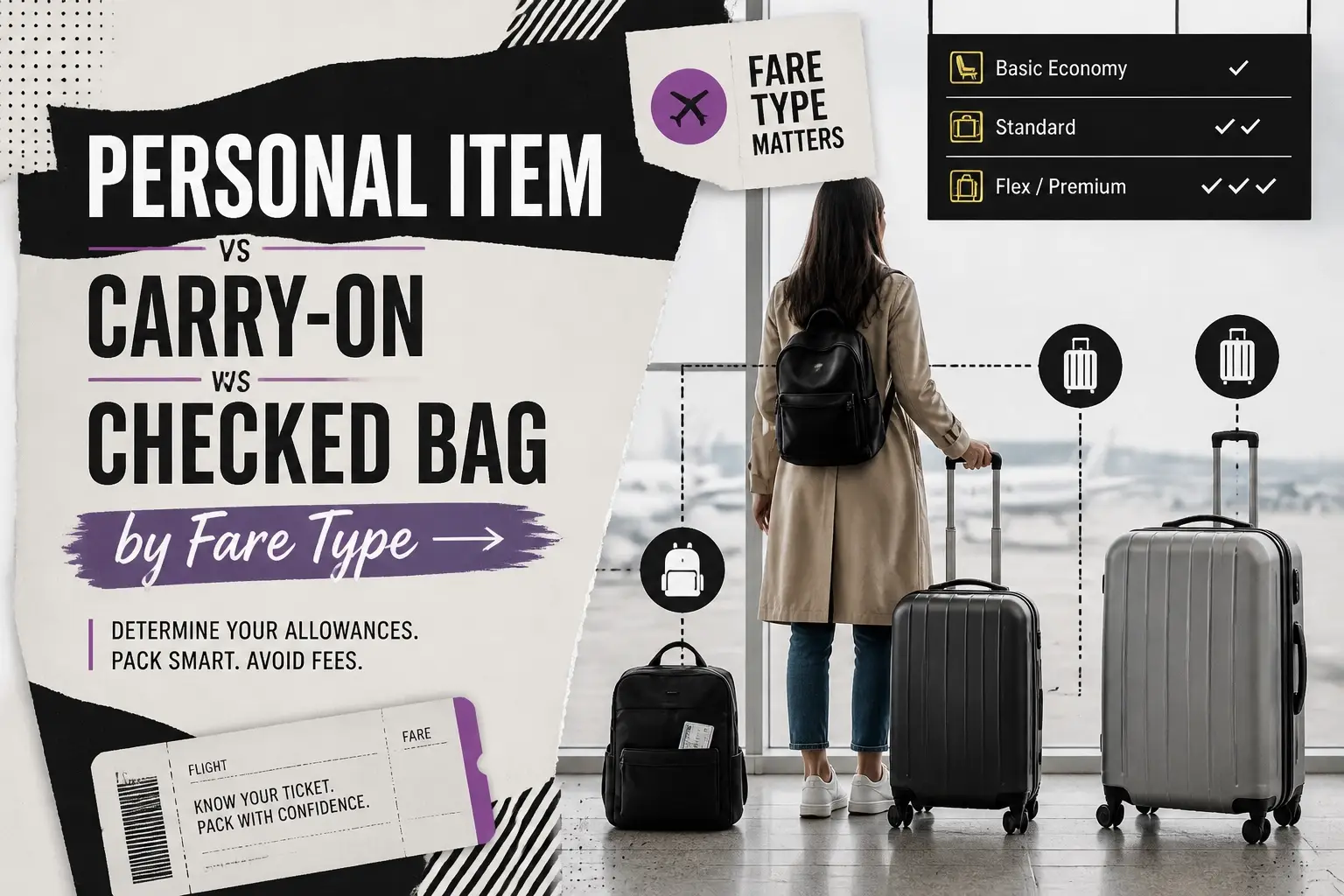

This European cruise packing guide helps you choose clothing, travel documents, adapters, and shore-excursion essentials for your itinerary. Pack breathable layers and comfortable walking shoes for Mediterranean ports, or a waterproof jacket and warmer layers for Northern Europe and the Norwegian fjords. Check each port’s forecast, your cruise line’s dress code, and the baggage limits for any flights before departure.

This guide outlines regional packing considerations, essential items for shore excursions and practical ways to organize your luggage. Review the destination-specific recommendations and checklist before departure, and confirm current entry requirements and your cruise operator’s policies for every destination on your itinerary. U.S. State Department cruise guidance recommends carrying a passport book in case you need to fly home unexpectedly. For a broader ship-focused checklist, continue with our cruise packing list and commonly forgotten essentials.
European Cruise Packing Guide: What Makes These Trips Different?
Port Days and Shore Excursions
Port days outnumber sea days on some itineraries. Many Mediterranean itineraries feature consecutive port calls and long days exploring cities, museums and historic sites. Caribbean itineraries may place more emphasis on beaches or onboard time, although schedules vary by sailing. Check your exact port schedule and choose a day bag that works for several hours of walking.
Weather can vary sharply between regions. Baltic and Norwegian fjord ports may be cool and rainy in summer, while Greek island stops can be hot and sunny. Check forecasts for each port and choose layers for the conditions you are likely to encounter.
Flights may add another set of baggage rules. If you fly to your departure port, check airline size and weight limits and the liquid-screening rules at each airport. Keep medication, travel documents and essentials for the first day in your cabin bag in case checked luggage is delayed.
Embarkation and disembarkation require careful planning. Airport transfers, terminal procedures and luggage handling can make travel days demanding. Keep essential documents, medications and valuables in a comfortable carry-on bag that remains accessible throughout the journey.
Some ports require tender transfers. Reaching shore may involve a smaller boat, steps or uneven surfaces. Choose secure footwear and protect electronics and important documents from moisture.
European Cruise Destinations: What to Expect by Region
Western Mediterranean: Spain, Italy, France and Malta
Mediterranean ports can be hot and crowded in summer. Expect long walks on cobblestones, uneven steps and historic streets. Wear broken-in shoes, carry drinking water and plan shaded breaks rather than trying to visit every attraction in one day.
Greek Islands and the Aegean
Expect strong sun, breezy waterfronts, steep steps and occasional tender transfers. Pack sun protection, breathable layers and shoes with good traction for uneven walkways.
Northern Europe and the Baltic
Summer days can be mild, windy or rainy. Bring a lightweight waterproof jacket and a packable midlayer, then check the forecast for each port.
Norwegian Fjords and Iceland
Wind, rain and cooler temperatures are possible even in summer. Use a waterproof outer layer over warm, breathable clothing, especially for outdoor excursions.
European River Cruises: Danube, Rhine, Douro and Seine
River itineraries often include walking tours and frequent stops in towns. Prioritize comfortable shoes and versatile clothing, and check your operator’s dress code and luggage rules.
Do You Need a Plug Adapter for a European Cruise?
Check both your ship’s cabin outlets and the plug types used in countries where you will stay before or after sailing. A cruise ship may provide outlets that differ from those ashore, and some operators restrict extension cords, power strips and certain charging accessories. A plug adapter changes the plug shape; it does not convert voltage. Verify your charger’s input rating and the cruise line’s electrical-device policy before packing an adapter.
Essential Gear for a European Cruise
Packing Cubes and Compression Bags for Each Day
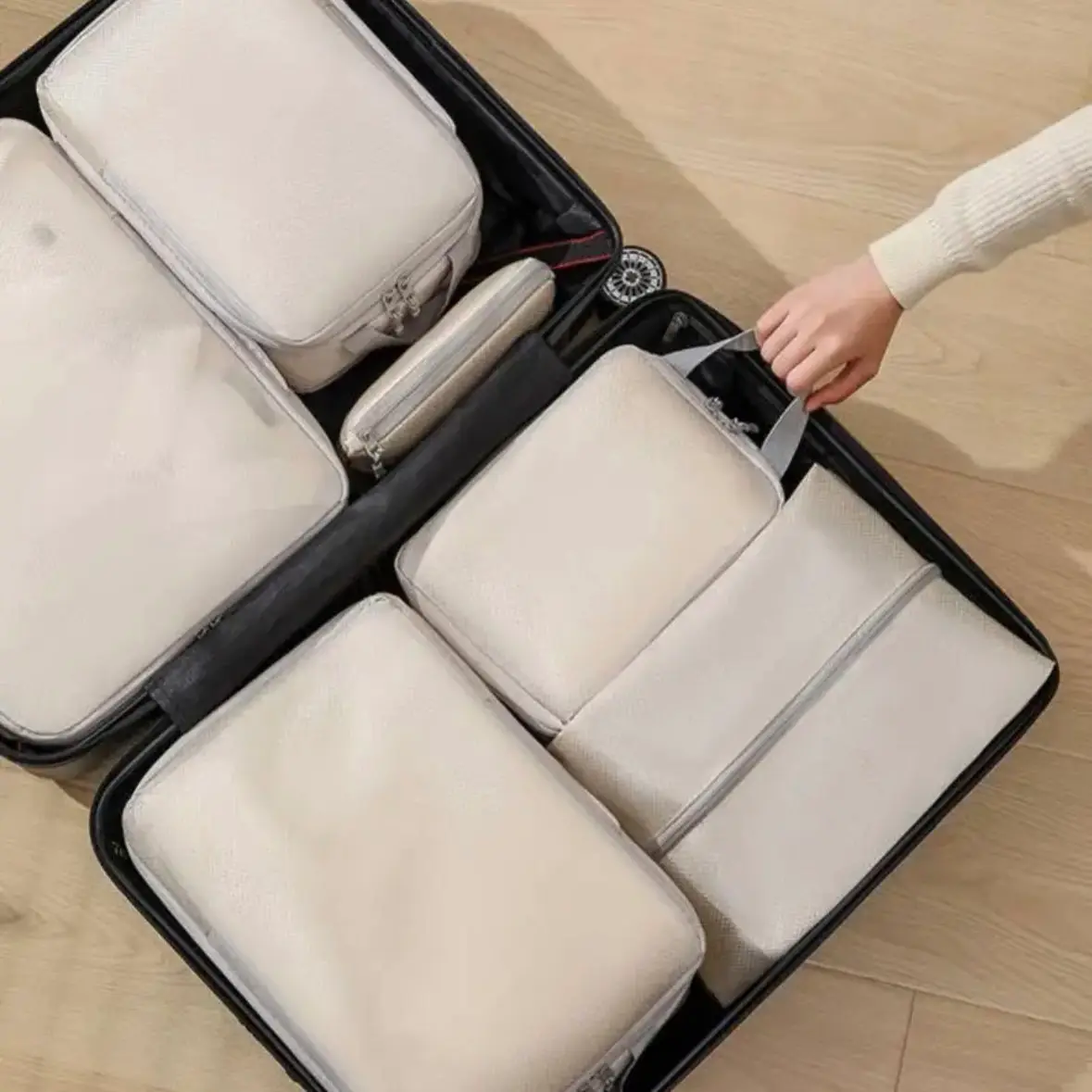
Use separate packing cubes for shore-day clothing, evening wear and swim items so each category is easy to find in a small cabin. Compression bags can reduce the volume of suitable soft clothing, but may increase wrinkles and do not reduce weight. Compare the 6-piece compression packing cube set with compression bags with a rechargeable pump based on your clothing and available luggage space.
A Comfortable Day Bag for Shore Excursions
Choose a day bag that fits your shore-day essentials and feels comfortable with that load. Check its dimensions, strap adjustment and closures before departure. An expandable 37–45L travel backpack offers more room for travel days; a crossbody chest bag may suit documents and small essentials. Check capacity before assuming either bag will hold your bottle, rain layer and camera.
Travel-Size Toiletries and Airport Liquids Rules
If your trip includes a flight through a U.S. checkpoint, ordinary carry-on liquids must fit the TSA’s 3-1-1 rule: containers of 3.4 ounces (100 mL) or less in one quart-size bag per passenger. Read the official TSA packing checklist and check separate provisions for exempt items. Before using our 4-in-1 refillable travel bottle dispenser, confirm each container’s capacity and how it fits in your screening bag. Follow the filling instructions, tighten the closures and keep toiletries separate from clothing. A matching case does not guarantee against leaks. Check any overseas airports where you will pass through security.
Collapsible Water Bottles for Port Days
Carry drinking water for shore excursions, especially in warm weather. Check whether your ship allows personal bottles to be refilled and use designated filling methods that meet its hygiene rules. A 700ml collapsible silicone water bottle saves space when empty; an insulated bottle may be preferable if keeping drinks cool is important.
European Plug Adapters and Reliable Chargers
Check the outlet types and supply voltage for your hotel stops and ship. A plug adapter changes the connector shape; voltage compatibility still depends on the device’s input rating. Read your cruise line’s electrical-device policy before buying an adapter or charger. For example, Royal Caribbean’s prohibited-items policy restricts multi-plug outlets and power strips, with specific exceptions for permitted chargers. Before choosing our Universal Travel Adapter, confirm that the exact model suits your devices and is permitted by your operator.
Comfortable Walking Shoes for European Ports
Start with broken-in walking shoes that fit well and grip the surfaces you expect to encounter. Add other footwear only for planned activities or your ship’s dress code, such as dinner, swimming or a wet shore excursion. Try your walking pair on similar terrain before departure and allow space for any footwear your excursions specifically require.
Travel Neck Pillows for Long Flights to Europe
A neck pillow can be useful on long flights or coach transfers if its shape works with your seat and preferred sleeping position. Compare support, packed size and cleaning instructions, and try the pillow before departure. Our memory foam travel neck pillow is one option to compare with a pillow you already own; the material alone does not establish comfort.
Packable Rain Jackets and Wind Protection
Choose a compact rain layer and a warmer layer to match your ports, season and forecast. Check whether the outer layer provides the wind and rain protection you need, and try the layers together before packing. A Baltic or Norwegian fjords itinerary may call for more warmth than a summer Mediterranean sailing.
Passports, Payment Cards and Local Currency
List the currencies needed at your ports and any hotel stops; several countries on one itinerary do not necessarily mean several currencies. Check payment options before setting a cash budget. A leather family passport holder or zippered travel money belt can keep documents and small essentials together. Keep a backup payment method separately and store document copies securely. Follow your cruise line’s instructions about carrying passports ashore, and verify entry and passport-validity requirements for every destination.
Luggage Locks and Security for Cruise Travel
Follow airline and airport guidance when choosing a luggage lock. Adjustable Luggage Strap with ID Tag and aluminium luggage tags can help identify your case, but locks, straps and tags cannot guarantee against theft, loss or damage. Keep valuables, medication and essential documents in the bag you carry yourself.
What Not to Pack for a European Cruise
Avoid packing items that do not suit your ports or ship’s rules. For example, beach-only equipment may be unnecessary on a cool-weather itinerary, and extra formal outfits may go unused. Check whether your cabin already provides a hairdryer and whether your cruise line restricts electrical appliances. Leave room for items you need during transfers and shore excursions.
European Cruise Packing Timeline
Ten Days Before Departure Through Embarkation
About ten days before departure, check entry requirements, cruise policies and airline baggage allowances. A digital luggage scale can help you check packed-bag weight before reaching the airport. Several days before travel, lay out clothing by activity, remove unnecessary duplicates and organize toiletries. Keep essential documents, medication and valuables in your cabin bag. Follow airport liquid-screening rules and airline restrictions on lithium batteries and power banks.
Although many essentials are available onboard or in port, prices and selection may vary. Preparing a focused packing list, organizing frequently used items and choosing appropriate footwear can reduce last-minute purchases and make travel days more comfortable.
How to Prepare for European Cruise Shore Excursions
Choose between cruise-line tours and independent exploring
European ports offer everything from walkable historic centers to attractions that require a long transfer. Before choosing a tour, compare travel time, walking demands, accessibility, cancellation terms and the return journey. A cruise-line excursion may include specific assistance if a tour runs late, but policies vary; independent exploring offers flexibility and puts more responsibility on you to return on time. Confirm the ship’s all-aboard deadline and the operator’s terms before paying. For more planning ideas, read Cruise Critic’s shore-excursion planning guide.
Build a simple port-day plan
- Before leaving the ship: save the ship’s contact details, port address and all-aboard time; check whether local time differs from ship time.
- Choose one priority: plan around a major museum, neighborhood, viewpoint or guided tour rather than trying to see everything.
- Allow a return buffer: account for traffic, public transit delays, tender queues and security screening.
- Pack for walking: take water, weather protection, a charged phone and footwear suited to uneven streets.
- Check documents: follow your cruise line’s instructions about carrying your passport, identification and ship card in each port.
Prepare for a missed departure or medical emergency
Before sailing, save copies of your itinerary, insurance details and travel documents in a secure location, and share an emergency contact plan with someone at home. The U.S. Department of State’s cruise guidance recommends a passport book and appropriate medical and emergency evacuation insurance. Also check destination-specific medication rules and visa requirements before travel.
What to Keep in Your Embarkation-Day Bag
At many cruise terminals, larger suitcases are handed over before you reach your cabin. Pack a small bag with your passport and required boarding documents, medication, payment cards, phone, charging cable, glasses and a change of clothes. Add swimwear or a light layer if you expect to use ship facilities before your checked bags arrive. Keep valuables with you and follow your cruise line’s specific luggage instructions.
Prepare for Changing Weather Between Ports
Check the forecast for each stop rather than relying on the weather at the departure port. A compact rain layer and an extra midlayer may be useful on cooler or windier excursions, while warm-weather ports may require sun protection and more drinking water. If you have booked an excursion, review its footwear, clothing and mobility requirements before packing.
European Cruise Packing Checklist
Use this quick checklist before leaving home, then adjust for your ship, ports and expected weather. If you are deciding how to organize your suitcase, compare our packing cubes versus compression cubes guide and browse the six-piece compression packing cube set.
- Travel documents: passport, required visas or authorizations, cruise documents, insurance details and copies stored securely.
- Port-day bag: comfortable daypack, water bottle, sunscreen, weather layer and offline maps.
- Clothing: broken-in walking shoes, evening outfit, sleepwear and region-appropriate layers.
- Tech: compatible plug adapter, charger, cables and power banks packed in carry-on baggage.
- Health and toiletries: medications in their original labeled containers when appropriate, travel-size liquids and personal essentials.
- Embarkation carry-on: valuables, medication, essential documents and a change of clothes.
Quick packing example for a seven-night itinerary: Start with three or four mix-and-match daytime outfits, one or two evening options, comfortable walking shoes, a compact rain layer and enough underwear and socks for the trip. Adjust for laundry access, formal-night rules and your destination’s forecast; Northern Europe may require a warmer midlayer, while Mediterranean sailings may call for more sun protection.
Final check: Lay out your embarkation-day essentials separately, weigh your suitcase against your airline’s allowance, and review the cruise line’s prohibited-items list. Keep medication, travel documents and valuables in the bag you carry yourself.
Official Travel Rules to Check Before a European Cruise
Passport, visas and emergency plans
The U.S. Department of State recommends carrying a valid passport book on cruises, including trips where the cruise line may not routinely ask to see it. An unexpected hospital stay or missed sailing could require flying home. Check passport validity, visa rules for every port, medical coverage and emergency evacuation insurance before departure. Review the State Department cruise passenger guidance and each destination’s official entry rules.
European border checks: EES and ETIAS
Europe’s Entry/Exit System (EES) is operating for eligible non-EU short-stay travelers at participating external borders. The separate ETIAS travel authorization system is not yet accepting applications as of October 2026; its launch date is subject to official announcement. Check the European Union’s official travel information portal shortly before sailing rather than paying unofficial application sites.
Carry-on liquids and portable chargers
For flights departing U.S. airports, the TSA’s standard carry-on liquids rule limits most liquids, gels and aerosols to containers of 3.4 ounces (100 mL) or less inside one quart-size bag. Rules and exceptions can differ at overseas airports, so check your departure and connection airports. See the TSA travel tips.
Power banks and spare lithium batteries belong in carry-on baggage, not checked bags. Most lithium-ion batteries up to 100 watt-hours are permitted; larger 101–160 Wh batteries generally require airline approval, with quantity limits. Review the FAA airline battery guidance and your airline’s policy before packing a charger or battery-powered compression pump.
Official requirements may change. Confirm the latest rules with the relevant government, airline and cruise operator before travel.
Related Travel Guides and Recommended Cruise Gear
Planning the flight to your departure port? Read our travel electronics organizer guide to keep charging cables and adapters together, our TSA 3-1-1 liquids packing guide for airport security preparation, and our collapsible versus insulated water bottle comparison to choose a bottle for port days.
Use the related guides below to check baggage limits, organize clothing and select items that match your itinerary.
- Pack lighter for the flight: Follow our guide to packing light on long trips and check the weight of your fully packed luggage.
- Choose the right organizers: Compare packing cubes versus compression cubes, then review the 6-piece compression packing cube set for cabin storage.
- Protect formal clothing: Read our garment bag packing guide if your cruise includes dressier evenings.
- Check carry-on dimensions: Use the carry-on luggage size guide before flying to your embarkation port, and consider a digital luggage scale for the return journey.
- Organize shore-day essentials: Compare a compact crossbody travel bag and a family passport holder for accessible documents and small valuables.
European Cruise Essentials: Quick Reference
Quick answer: Pack your passport and required documents, medication, comfortable walking shoes, weather-appropriate layers and a small shore-excursion bag. Add swimwear or rain protection for your itinerary, and keep embarkation-day essentials in your carry-on. Check entry requirements, airline baggage rules and cruise-line restrictions; consult U.S. State Department cruise guidance for additional preparation advice.
European Cruise Packing Questions Answered
The questions below cover regional clothing choices, battery restrictions, electrical adapters and what to carry on embarkation day.
What Should You Pack for a European Cruise?
Start with comfortable walking shoes, weather-appropriate layers, a compact day bag, essential travel documents, medication, a compatible plug adapter and a carry-on containing anything you need before checked luggage reaches your cabin. Adapt the list to the ports and season rather than assuming every European sailing is warm.
How Does Mediterranean Cruise Packing Differ From Norwegian Fjords Packing?
Mediterranean itineraries often call for sun protection, breathable clothes and shoes suitable for cobblestones. Norwegian fjords itineraries typically need a wind-resistant outer layer, rain protection and warmer layers, even in summer. Check forecasts for each port shortly before departure.
Can You Take a Power Bank on the Flight to Your Cruise?
Yes, within airline and battery-size restrictions: spare lithium batteries and power banks must travel in carry-on baggage. The FAA battery guidance explains watt-hour limits and airline-approval requirements. Check your cruise operator’s separate onboard electrical-device rules.
Which Official Sources Should Travelers Check Before Sailing?
Use the U.S. Department of State for destination entry and safety information, the European Union travel portal for European border systems, and your airline and cruise line for current baggage and prohibited-item policies.
The quick answers below address common last-minute questions about outlets, embarkation-day essentials and changing weather.
Do I Need a Different Plug Adapter for Each European Port?
Not necessarily. Check the plug types and voltage for every country on your itinerary, as well as your ship’s outlet policy. A plug adapter changes the plug shape, not the voltage.
What Should Go in My Embarkation-Day Carry-On?
Keep travel documents, medications, valuables, a change of clothes and essential chargers with you. Checked luggage may not reach your cabin immediately.
Should I Pack for Warm Weather on Every European Cruise?
No. Mediterranean, Baltic and Norwegian fjord itineraries can require very different layers. Check the forecast for each port shortly before departure.
For more packing comparisons, see our guide to packing cubes, compression bags and vacuum bags.