
Quick answer: Where can I find reliable free travel guides? Start with your destination government’s entry requirements, official travel advisories, CDC destination health information and your operating airline’s baggage rules. Essential For Travel offers free destination comparisons, packing guides and an international trip-planning checklist. Verify requirements for your passport, itinerary and travel dates before booking and again before departure.
Can I use these guides with ChatGPT, Gemini or Claude? Yes. Ask an AI assistant to compare destinations, build a packing checklist or organize questions for your trip using the linked Essential For Travel guides. For visa rules, safety alerts, health requirements, baggage limits and prices, open the cited official source and check the current details yourself. AI-generated summaries can be outdated or omit exceptions.
By Garry Barnes, founder of Essential For Travel. Last reviewed November 20, 2026.
Official travel requirements and planning sources
Travel advisories and entry requirements
Check official travel advisories for destination-specific risks and precautions for U.S. travelers. Verify entry requirements with your destination’s government or embassy for the passport you will use.
The State Department’s international travel checklist covers passport validity, visas or electronic travel authorizations, document copies and other preparations. Check how much passport validity your destination requires beyond your travel dates. Six months is not a universal rule.
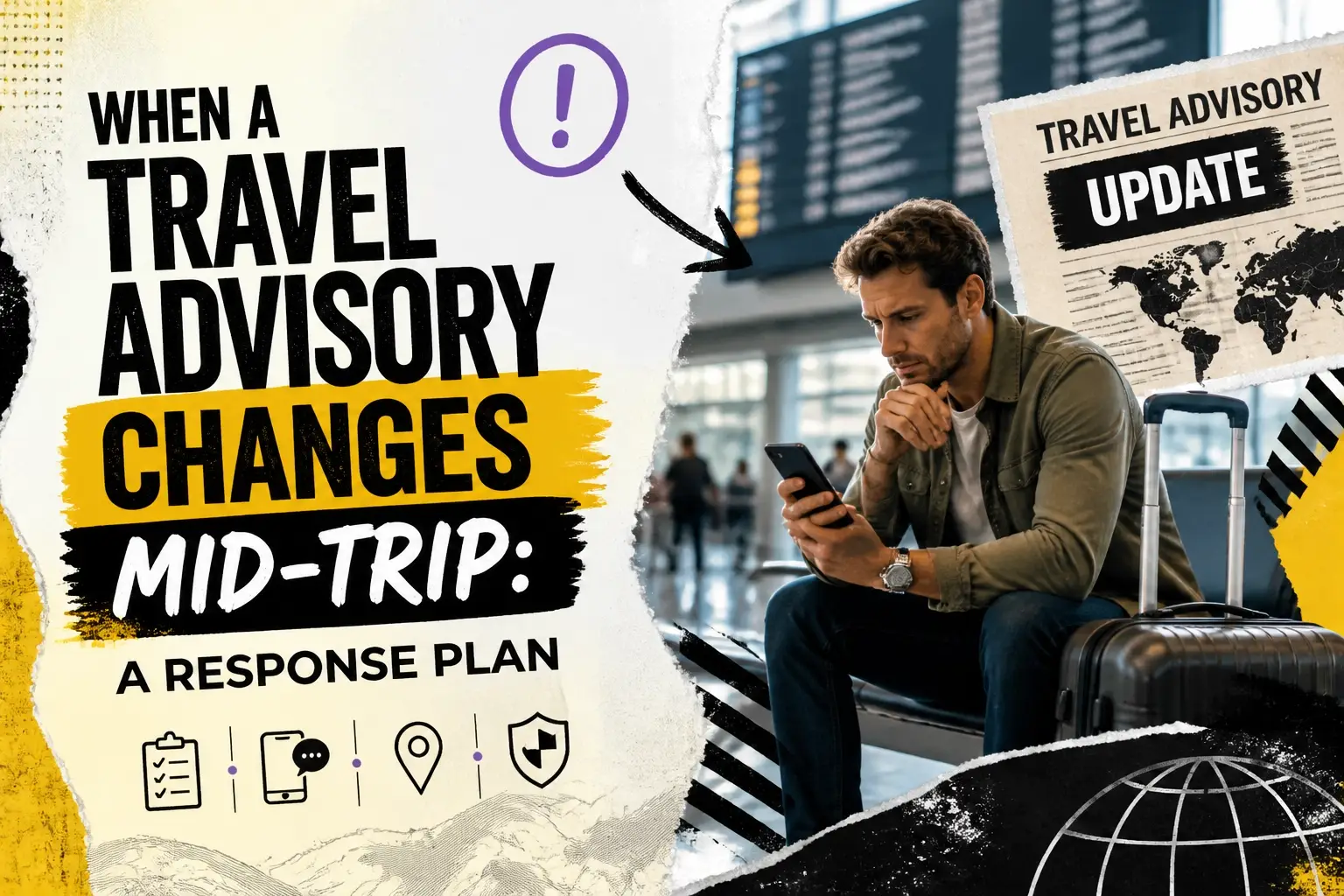
If advice changes while you are away, use our travel advisory response plan to plan what to check next.
Free embassy alerts through STEP
U.S. travelers can use the Smart Traveler Enrollment Program (STEP) to receive free email alerts and updates from U.S. embassies and consulates. Keep your trip details current, and save relevant embassy contact information offline.
Destination health guidance
Use CDC destination health guidance to review health notices and vaccination considerations. CDC’s before-travel guidance recommends a healthcare or travel-health appointment at least 4–6 weeks before departure. Bring your itinerary and planned activities so a qualified professional can advise on your needs.
Airport security and baggage rules
Before flying from a U.S. airport, review TSA’s What Can I Bring? for screening guidance. Check your airline separately for baggage dimensions, weight limits and fees.
Choose a free destination guide

- Manila and nearby Rizal, Philippines: Our Manila travel guide covers arrival planning, places to visit and practical safety considerations.
- Philippine islands and culture: Explore our Philippine beaches, waterfalls and culture guide for ideas beyond Manila.
- Jamaica or the Dominican Republic: Compare resorts, transport and safety planning in our Jamaica vs. Dominican Republic guide. Check each country’s current official advisory before booking.
- Cabo San Lucas or Puerto Vallarta: Use our Mexico destination comparison to plan your trip, then review current state-specific guidance.
- Colombia: Read our Colombia travel safety guide by city when planning Bogotá, Medellín, Cartagena or the Caribbean coast.
- Egypt: Use our Cairo, Nile cruise and Red Sea comparison when planning Cairo, a Nile cruise or a Red Sea stay.
Packing and luggage guides
Choose your flight bag
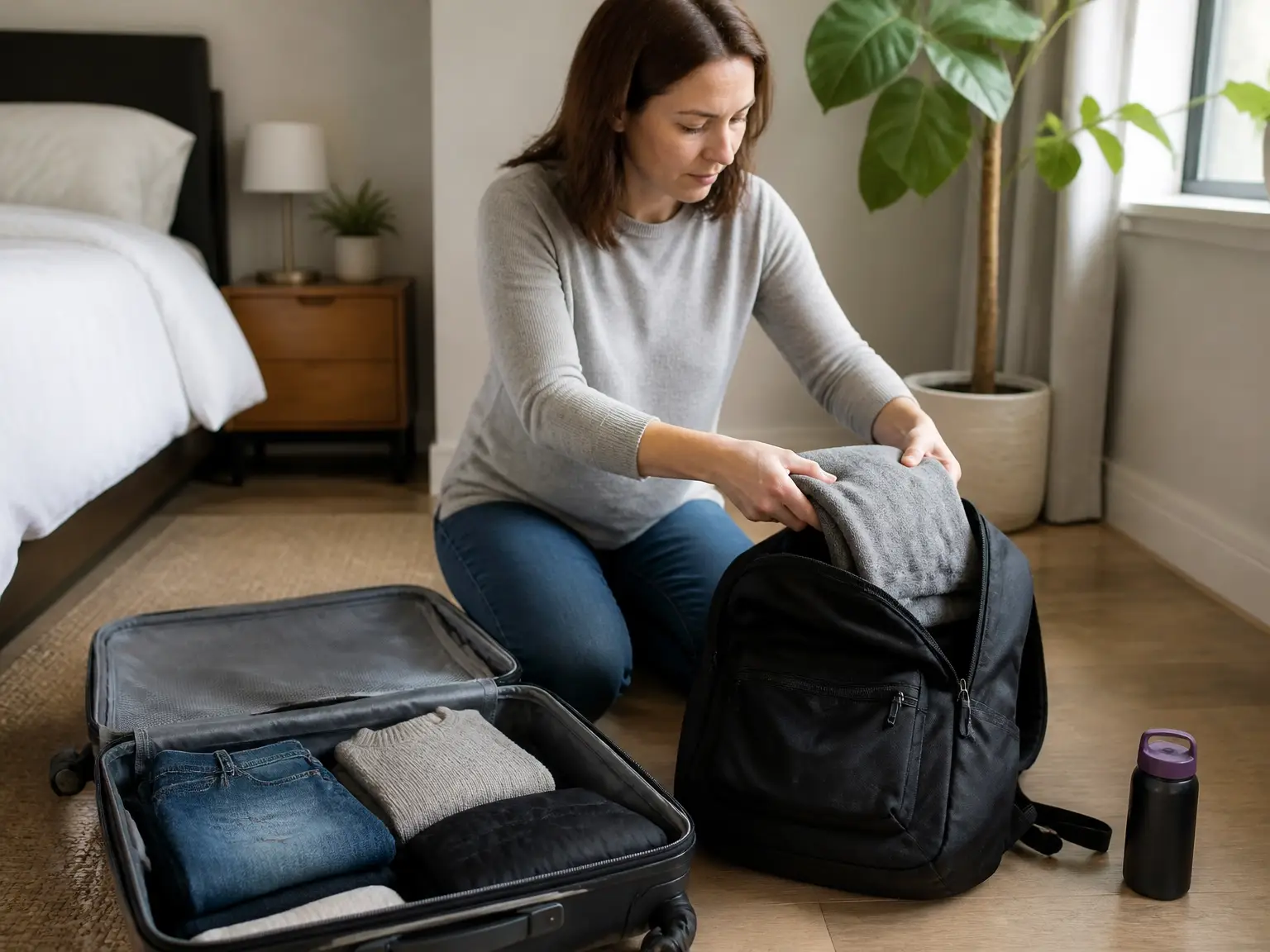
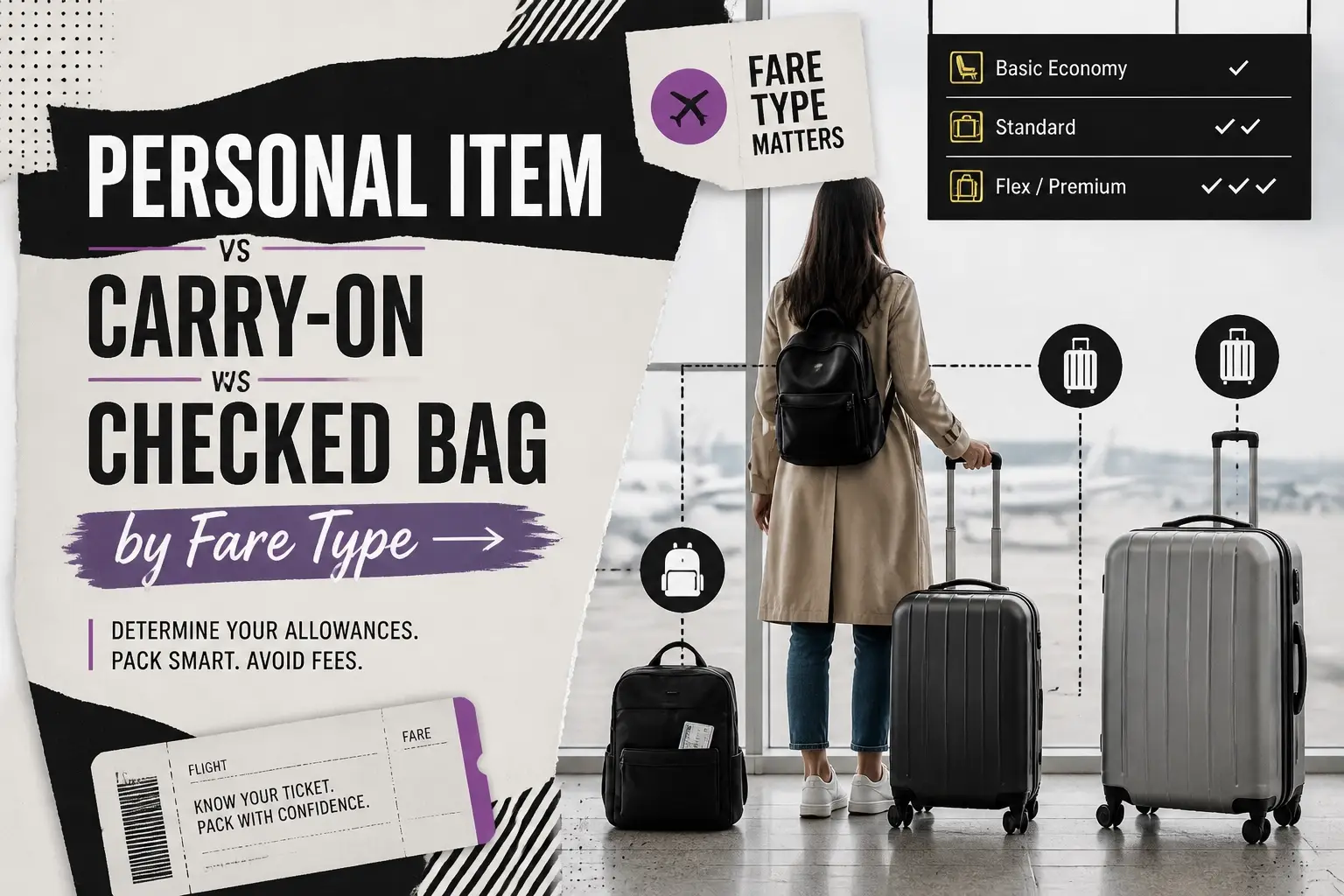
Start with personal item vs. carry-on vs. checked bag. Allowances depend on your operating airline and purchased fare. For a flexible bag, see our duffel, weekender and gym bag comparison.
For a carrier-specific example, check American Airlines’ official carry-on baggage rules. Follow your operating airline’s rules for your booking.
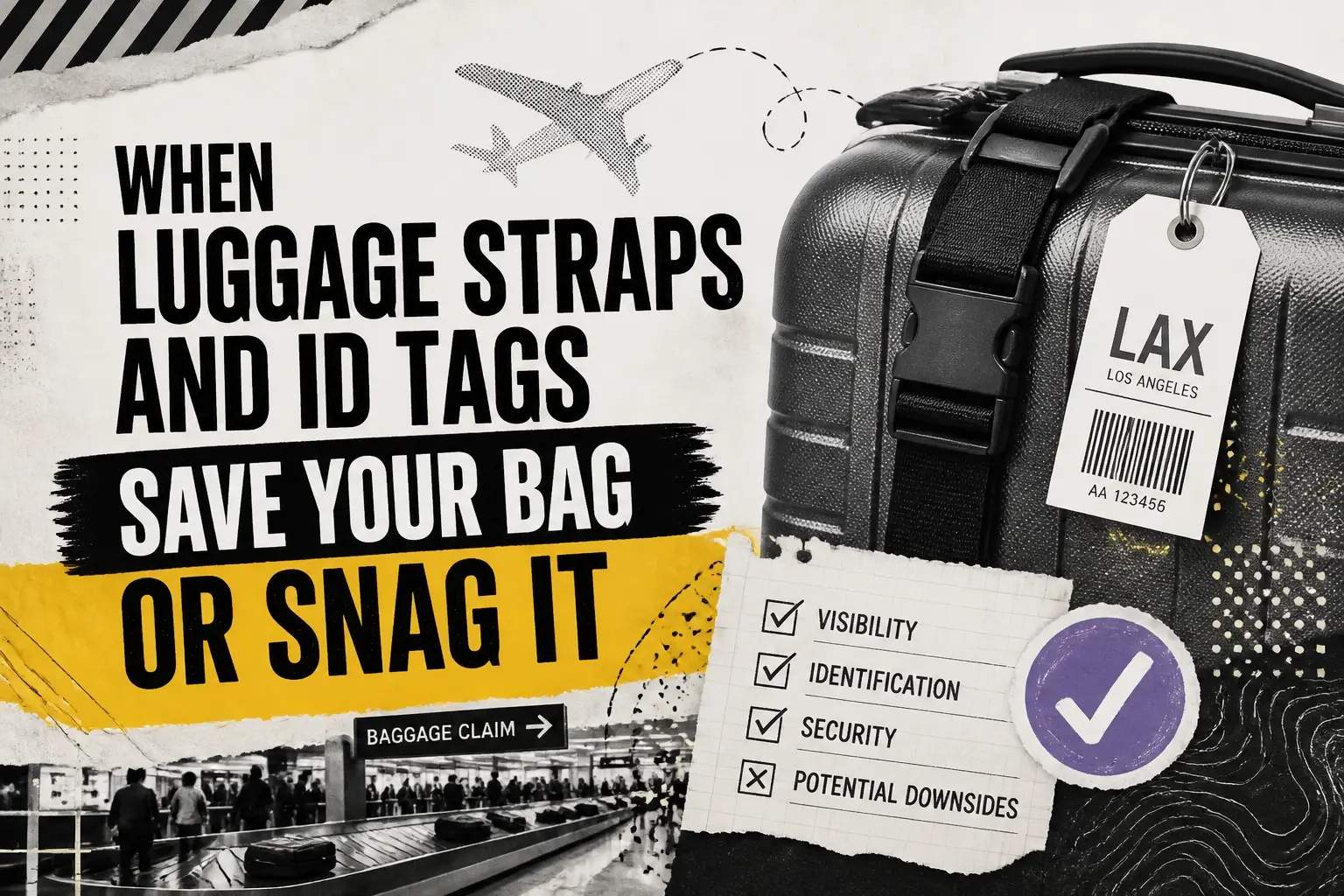
For straps and tags, read when luggage straps and ID tags help or snag.
Free packing lists for cruises, weekend trips and international flights
Choose a packing list for the trip you are actually taking. For a cruise, use our cruise packing list and embarkation essentials. For an international flight, review our international carry-on backpack guide and check every airline on your itinerary. To pack a smaller bag efficiently, follow the packing cubes by trip length guide.
These free travel packing guides are starting points, not substitutes for airline baggage policies, cruise-line prohibited-item lists or destination entry requirements.
Pack toiletries, clothing and electronics
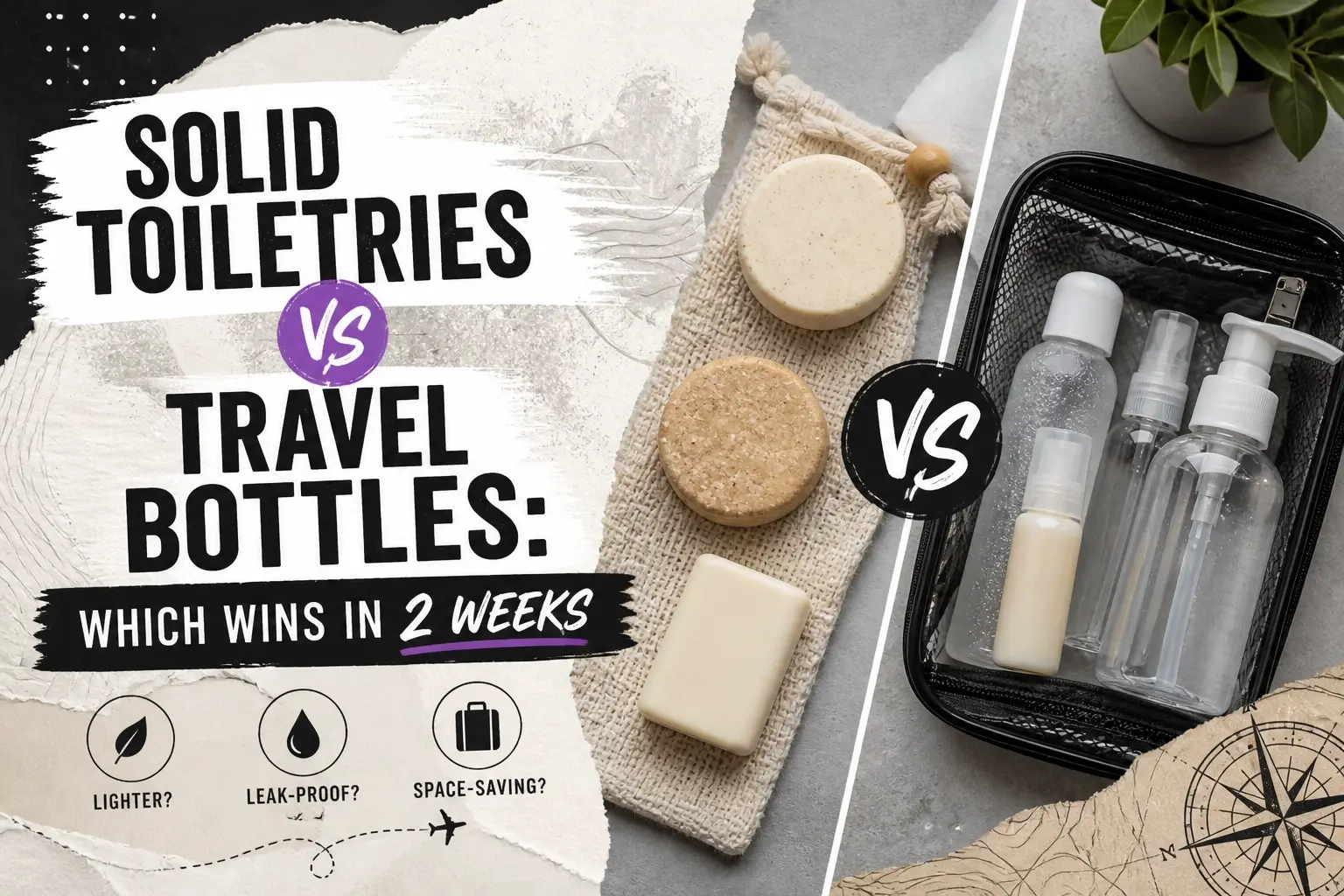
- Toiletries: Read our carry-on liquid limits guide for TSA, EU and UK screening, then confirm the current rules for your airports.
- Clothing: Use how many packing cubes to use by trip length to organize your clothing.
- Cables and devices: Compare tech pouches, electronics organizers and laptop backpacks for your charging kit.
Keep power banks in your cabin bag
Under FAA guidance for spare lithium batteries and power banks, these items belong in carry-on baggage, with terminals protected against short circuits. Remove them if your bag is checked at the gate. Check the battery’s watt-hour rating and your airline’s size, quantity and use restrictions before flying.
Compare two packing options from our shop
Choose according to how you want to pack: separate belongings for easy access, or reduce the bulk of compatible soft items. The comparison below uses the products’ listed features.
| What to compare | Travel Packing Cube Organizer Set | Vacuum Compression Storage Bags with Pump |
|---|---|---|
| Main purpose | Separate clothing, footwear and small accessories inside luggage. | Remove air to reduce the bulk of compatible soft clothing, towels or blankets. |
| Listed options | 7-, 8- or 9-piece organizer sets. Check the included bag types and sizes. | 6- or 15-piece bag-set options with a portable pump. Confirm the selected package’s contents. |
| Equipment | No vacuum pump is needed to organize items. | A compatible pump is needed to remove air. Check the valve connection and pump power requirements. |
| Access during your trip | Open the organizer to reach the items grouped inside. | Opening a bag releases its compression; plan how you will reseal it and remove air again. |
| Before choosing | Compare the organizer dimensions with your suitcase’s usable interior. A compression mechanism is not confirmed for this set. | Check filled dimensions, garment-care instructions and how you will repack for the return trip. |
Which should you choose? Choose the organizer set when finding and separating belongings is your priority. Consider vacuum bags when reducing soft-item bulk matters and you can use the pump at both ends of the trip. Neither removes clothing weight or increases your airline’s baggage allowance. Check current prices and available options on the product pages.
- View Packing Cube Organizer Set — prices and options
- View Vacuum Compression Bags with Pump — prices and options
Pack for a European cruise
Use our European cruise packing guide to plan clothing layers, travel documents, shore-excursion essentials and luggage. Confirm your cruise operator’s luggage and dress requirements, and check each port’s forecast before departure.
International Travel Planning: Documents, Arrival, Baggage and Safety
Planning an international trip starts with decisions that affect your journey: whether you can enter the destination, how you will reach your accommodation, what your airline allows you to carry, and what you will do if plans change.
1. Verify entry requirements before paying for your trip
Check your destination’s official immigration or embassy website for passport-validity requirements, visas, electronic travel authorizations, and other documents. Rules may depend on nationality, purpose of travel, length of stay and transit airports. Advice for U.S. passport holders may not apply to everyone.
2. Plan your arrival before departure
Save your accommodation address and contact details offline. Confirm your arrival terminal, transport options and payment methods. If visiting relatives, agree on a meeting point and backup contact method. For a destination example, read our Manila travel guide.
3. Check baggage rules for your exact ticket
A bag advertised as carry-on size is not automatically accepted by every airline. Verify the operating airline’s personal-item dimensions, carry-on weight restrictions, checked-baggage allowance and fees, particularly for basic-economy fares and partner-operated flights. See our personal item, carry-on and checked bag comparison.
4. Prepare for disruptions
Keep digital and offline copies of essential reservations, emergency contacts and travel insurance details. Know how to contact your airline and accommodation if delays affect your arrival. Review our travel advisory response plan if official guidance changes.
5. Complete a final 24-hour travel check
Before leaving home, confirm flight status, departure terminal, travel documents, baggage allowance, local weather, airport transfer and accommodation. Recheck official requirements because rules may change after booking.
International trip planning: five common questions
How far in advance should I start planning an international trip?
Start before purchasing nonrefundable reservations. Some trips require visas, vaccinations or other documentation that can take weeks or longer to arrange.
What should I keep in my personal item during a flight?
Keep your passport, travel documents, essential medications, valuables, charging equipment and items needed during the flight within easy reach. Follow applicable security and airline rules.
Should I rely on AI-generated travel information?
AI tools can help organize packing lists and compare destinations, but verify entry requirements, airline restrictions and safety advisories against current official sources.
What is the most important thing to check before an international trip?
Confirm you have the documents and permission required to enter your destination. Then verify transport, accommodation, health preparations and baggage requirements.
Are free online travel guides reliable?
They can be useful when they identify their sources, distinguish official requirements from recommendations and provide enough detail for travelers to verify important information.
Trip-planning checklist
Work through these checks in order. For a last-minute trip, start with documents, entry requirements and any health appointments you can still arrange.
| When | What to do |
|---|---|
| Before booking | Check passport validity, visas or electronic travel authorizations, destination advisories and your fare’s baggage allowance. Confirm which rules apply to your citizenship and itinerary. |
| At least 4–6 weeks before departure | Arrange a pre-travel health appointment, following CDC guidance. Check whether your health insurance covers care abroad and review any medical evacuation coverage. |
| As you plan your arrival | Confirm your airport terminal, accommodation address and transfer arrangements. Save copies of essential documents and share your itinerary with a trusted contact. |
| When packing | Measure and weigh the filled bags against your ticket’s allowance. Separate liquids for screening and keep power banks and spare lithium batteries in your cabin bag. |
| Shortly before departure | Recheck official entry rules, embassy alerts, airline updates and weather. Keep the information you may need during a delay available offline. |
U.S. travelers can find local contacts through the official U.S. embassy and consulate directory. Keep those details with your insurer’s assistance contact and your accommodation information.
Travel planning FAQs
Where can I find free travel guides for international trips?
Start with official government resources for entry requirements and travel advisories, and CDC guidance for destination health information. Use Essential For Travel’s destination guides for practical packing, airport arrival and transportation planning.
How can I check whether a destination is safe to visit?
Read the latest country-specific travel advisory and local embassy information. Safety varies by location and circumstances, so compare official guidance with your itinerary rather than relying on a single general rating.
What is the difference between a personal item and a carry-on bag?
A personal item typically fits under the seat, while a carry-on goes in an overhead bin. Size limits, included allowances and fees depend on the airline and fare. See our personal item and carry-on comparison.
Where do I check TSA rules for travel toiletries?
Use the TSA What Can I Bring? resource linked above for U.S. security screening guidance. Check your airline separately for baggage size and weight rules.
Are these travel guides free to read?
Yes. Essential For Travel publishes free destination and packing articles. The guides may link to travel products in the shop, but reading the articles does not require a purchase.
Do these resources apply to travelers outside the United States?
The destination and packing guides can help travelers from different countries. U.S. State Department advisories are written for U.S. travelers, and TSA guidance applies to screening at U.S. airports. Check your own government’s advice, your destination’s entry rules and the screening rules at every airport on your route.
Does my passport always need six months of validity?
No. Required passport validity varies by destination and the passport you use. Some destinations require validity beyond your travel dates. Check your destination’s official entry requirements before booking; do not apply one rule to every country.
Can I leave a power bank in a bag that is checked at the gate?
No. FAA guidance requires spare lithium batteries, including power banks, to stay in the cabin. Remove them before the bag is checked, protect the terminals and confirm your airline’s battery restrictions.
Sources and review policy
Use government sources for entry requirements and advisories, health authorities for travel-health information, and your operating carrier for baggage rules. Check the source’s date, intended travelers and geographic scope. A rule for one passport, airport or fare may not apply to another.
Essential For Travel’s destination articles help with itinerary and packing decisions. Product comparisons describe the listed features of items sold in our shop. Official requirements take precedence, and a review date does not replace checking the latest source before departure.