
By Garry Barnes | Published
Editorially reviewed . Check the linked official sources for current travel requirements.
Group items by use, give everyday essentials an accessible pocket, and separate clean clothes from shoes and laundry. Use small pouches or packing cubes to keep categories together, then test whether you can retrieve documents and chargers without unpacking the whole bag.
A useful packing layout lets you find everyday items quickly and repack without starting over. Once you have chosen your bag and checked your allowance, use these nine organization tips to arrange its contents.
Choose a place for clothing, toiletries, electronics, documents, shoes, and laundry. Use existing pockets and a few suitable pouches. You do not need a separate organizer for every small item.
Pack by category if you usually choose outfits each morning. Pack by outfit if you need a quick change or have a tightly planned itinerary. Label similar pouches so you can identify them without opening each one.
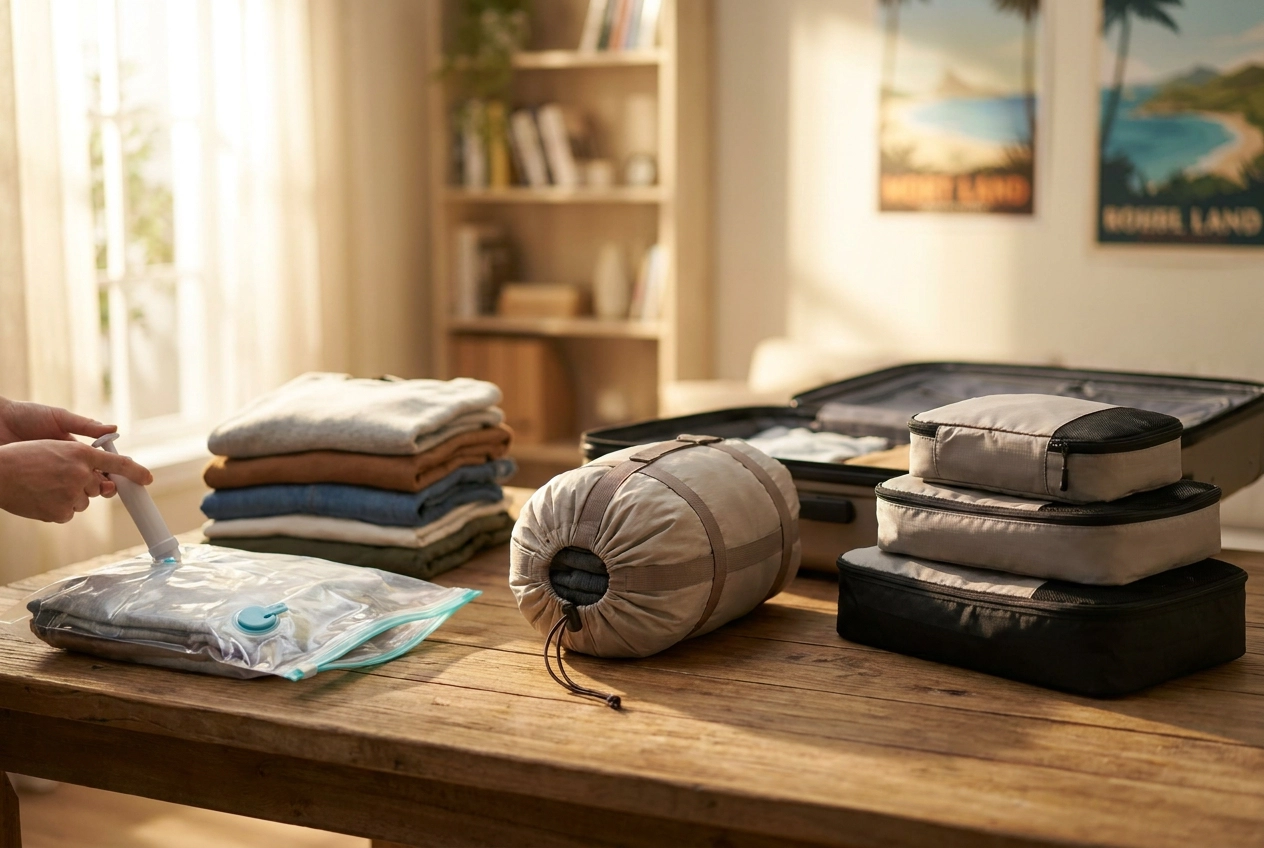
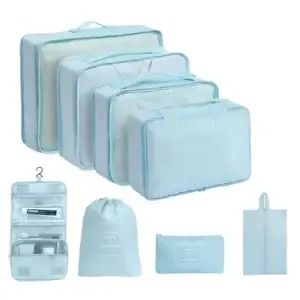
Compression packing cubes are one option to compare. Try them with your own clothing: an organizer can add structure without necessarily saving space. Compression does not reduce luggage weight.
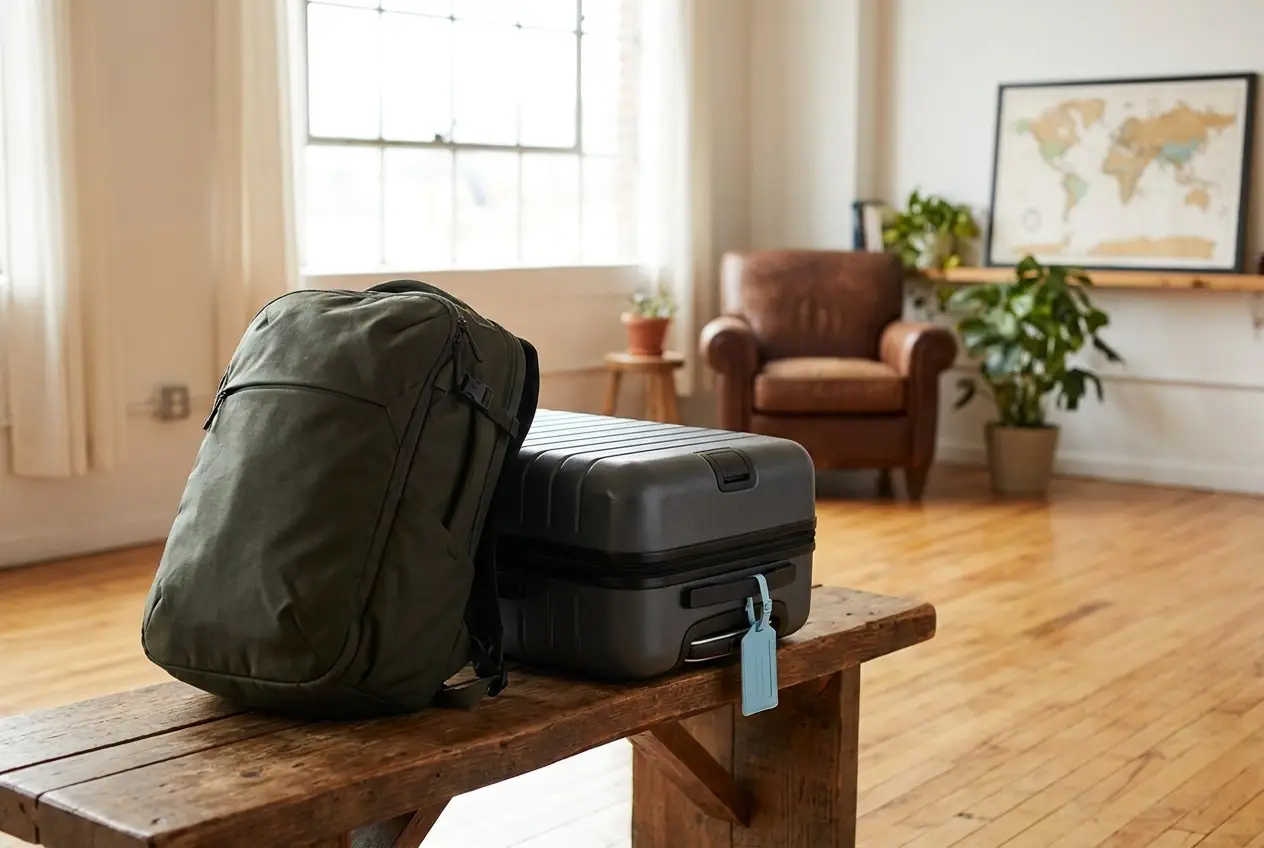
In a rolling suitcase, place heavier items toward the wheel end and test its stability. In a backpack, keep dense items reasonably close to your back, then adjust the load for comfort. Avoid hard objects pressing into your body or fragile items being crushed.
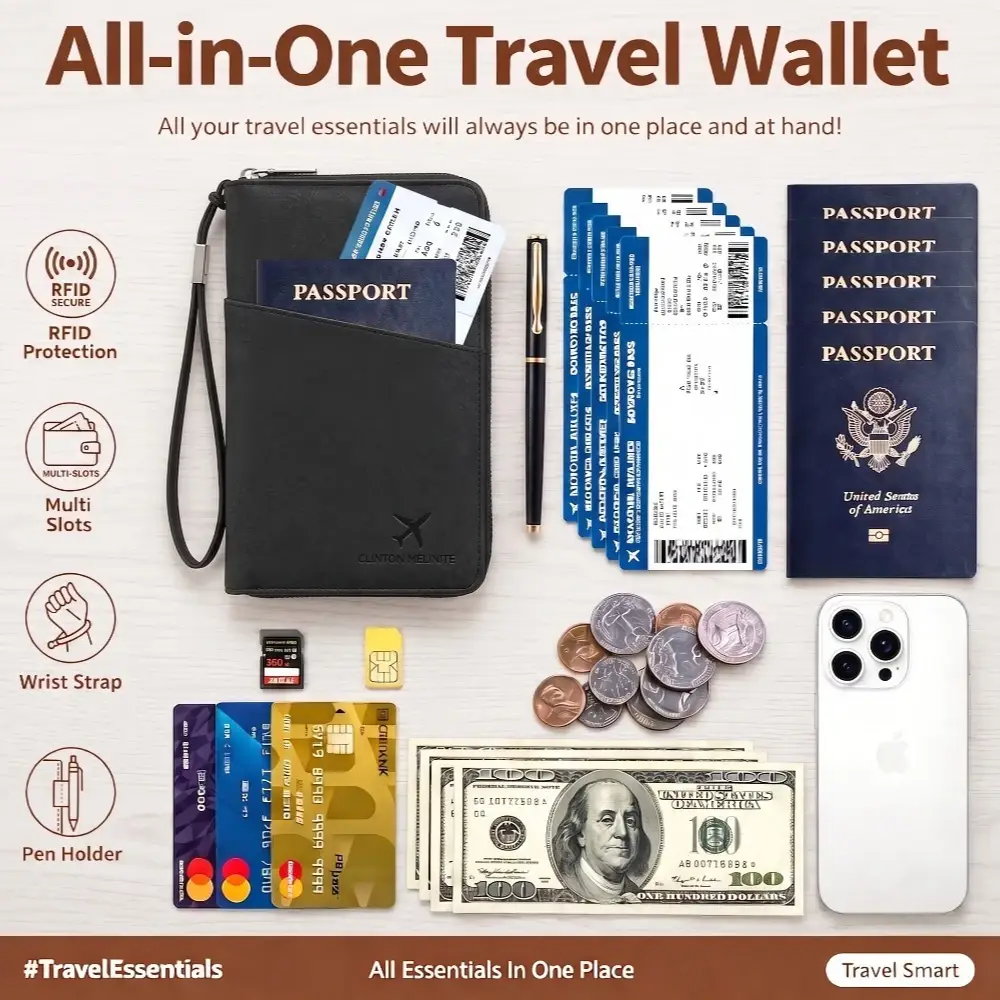
Choose an accessible pocket for identification, booking details, medication, payment methods, and items you will use in transit. Keep the pocket organized enough to notice a missing item. Do not display sensitive documents in an open outer pocket.
A family passport holder can group documents when its size and layout suit your party. It does not replace careful handling or appropriate backup copies.
Keep matching cables, chargers, and small accessories together. Coil cables gently and leave delicate connectors free from pressure. Use a separate protective case for a device when needed; an accessory pouch is not automatically impact protection.
Compare layouts in our electronics organizer guide. Check that the packed pouch fits your bag and opens without spilling its contents.
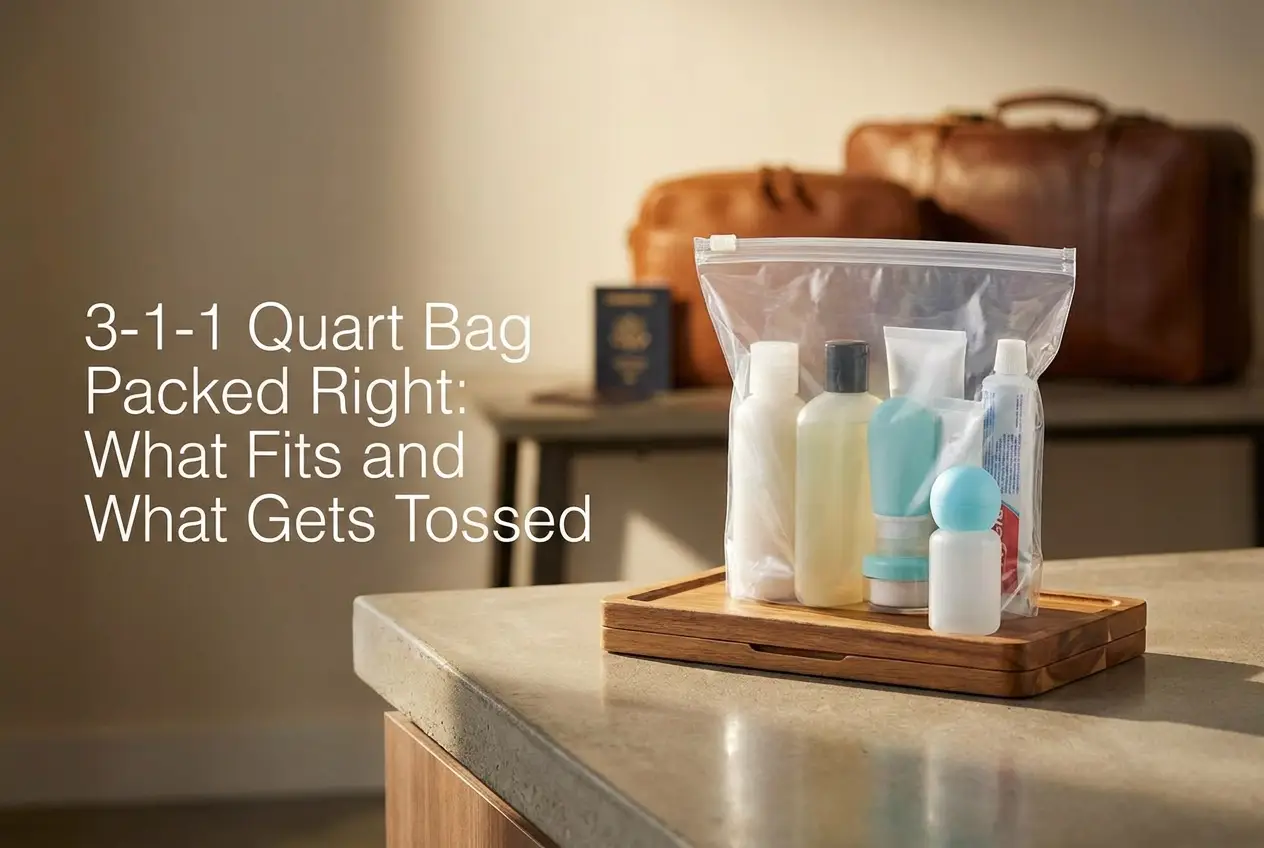
Inspect and test closures before packing. Keep liquids apart from electronics, papers, and clothing, with separate containment to limit spills. For U.S. screening, consult TSA’s official liquids guidance; an ordinary toiletry organizer does not replace the required screening bag. Check the relevant authority for overseas checkpoints.
Use our toiletry bag guide to choose a layout for the products you actually carry.
Use a shoe bag or separate compartment to keep dirt away from clean clothing. Reserve another pouch for laundry. For damp items, check the containment material and seams rather than assuming a compartment is waterproof. Dry items as soon as practical.
If you arrive late or move between accommodations, pack the first items you will need together: sleepwear, a change of clothing, charging equipment, and suitable toiletries. This lets you settle in without unpacking every category.
Close the bag, lift or roll it, and retrieve an essential item without removing everything. Adjust pockets or pouches that are awkward to reach. After using something, return it to its assigned place so the system remains useful throughout the trip.
Use this as a starting layout, then adapt it to your bag’s pockets, loading instructions, and actual contents.
| Zone | Items to group | Access check |
|---|---|---|
| Secure journey-essentials pocket | Identification, payment methods, and booking details | Retrieve them without exposing other valuables. |
| Main clothing section | Outfits or clothing categories | Remove the needed group without scattering the rest. |
| Separate toiletry storage | Dry grooming items and contained liquids | Keep the screening bag accessible where required. |
| Charging pouch | Matching cables, chargers, and small accessories | Find the correct cable without pulling on connectors. |
| Laundry or shoe storage | Used clothing and shoes, separated as needed | Keep dirt and dampness away from clean items. |
Try retrieving an arrival item, then repack it. If the system is awkward, move or remove a pouch before buying another organizer.
| Problem | First adjustment |
|---|---|
| Clothing is hard to find | Group by category or outfit and label similar pouches |
| The bag feels unbalanced | Reposition dense items and test carrying comfort |
| Cables tangle | Coil them individually in one accessible pouch |
| Clean and dirty clothing mix | Reserve a laundry pouch before departure |
| Essentials disappear inside the bag | Assign one reachable pocket and return items after use |
Match the layout to the bag: our backpack guide explains compartment access, while our duffel packing guide covers organizing a flexible main compartment.
Weekend trip: Group one or two outfits together and reserve an easy-access pocket for identification, medication, and charging essentials. Avoid adding organizers that consume more room than they save.
Multi-stop itinerary: Separate items used at every stop from items needed only occasionally. Test whether you can retrieve a change of clothes and toiletries without unpacking everything.
Air travel: Keep required screening items accessible and check your airline’s current cabin-bag dimensions and battery rules. If your carry-on must be gate-checked, move medication, travel documents, and permitted spare lithium batteries to your personal item.
Shared luggage: Give each traveler a clearly identified compartment or pouch so essentials can be located without disturbing someone else’s belongings.
Final Decision Rule
If finding a journey essential requires emptying the bag or exposing valuables, assign it a more suitable secure location before departure. If the bag is difficult to close, carry, or repack, simplify the system rather than adding more organizers.
Give documents, charging gear, and frequently used layers fixed places. Reorganize clothing for the next stop without burying journey essentials. Separate laundry, leave space for the return, and recheck size and weight when purchases or flight allowances change.
Travel packing system checklist.
No. Try rolling and folding with your clothing and bag. Fabric, garment shape, and organizer dimensions affect the result.
No. Leave enough room to close the bag without forcing zippers and to retrieve items comfortably.
It can help you find duplicates, but rearranging the same contents does not reduce total weight. Remove unnecessary items or choose lighter suitable alternatives.
A checklist helps decide what to bring and what to verify. These tips determine where items go and how you access them. Use our nine-step travel packing system checklist before departure.
Compression packing cubes are useful when you want to separate clothing by outfit or category inside an existing suitcase. They can compress some soft items, but they do not reduce the weight of what you pack.
A hanging suitcase organizer may be more convenient when you want to transfer grouped belongings from your bag to a suitable hanging space at your destination. Before choosing it, check the organizer’s filled dimensions, hanging requirements, and how much room it takes inside your suitcase.
Which should you choose? Choose packing cubes for flexible compartmentalization and frequent bag changes. Consider a hanging organizer when easy access at your destination matters more than maximizing free space. Neither is automatically better: compare the dimensions with your own luggage before purchasing.
Compare these options only when they solve a gap in your layout. Check usable dimensions, packed bulk, and the space in your existing bag before combining organizers.